Tacking a Boxer’s Stomach During the Spay
One of the most terrifying things a Boxer owner can face is the sudden, life-threatening emergency of bloat, also known as Gastric Dilatation-Volvulus (GDV). It strikes quickly, often without much warning, and the thought of it can keep us up at night. This guide is all about a proactive step many Boxer owners consider: tacking their dog's stomach during a routine spay procedure to significantly reduce the risk of this devastating condition.
Understanding Gastric Dilatation-Volvulus (GDV) in Boxers
Bloat is a word that sends shivers down the spine of almost every Boxer owner. It's not just an upset tummy; it's a true emergency that requires immediate veterinary intervention. Knowing what it is, why Boxers are so susceptible, and what it does to their bodies is the first step in understanding why a preventive measure like a gastropexy is so valuable.
Why Boxers Are Prone to Bloat
Boxers, like many large and deep-chested breeds, are unfortunately at a significantly higher risk for developing GDV. It’s a sad reality that comes with their magnificent physique. Their chest is deep and narrow, a characteristic that makes them so striking, but also creates a space where the stomach can easily twist. Think about it like a pendulous sack hanging in a large chamber – it has a lot of room to swing and flip.
Genetics play a huge role too. If your Boxer's parents or close relatives have experienced bloat, your dog's risk increases substantially. It's a cruel hand of cards some lines are dealt. Beyond anatomy and heredity, there are other factors that seem to contribute, though they’re not fully understood. Things like eating one large meal a day, eating rapidly, vigorous exercise immediately before or after eating, stress, and even using a raised food bowl have all been implicated, though scientific consensus isn't always firm on every single one. What is clear is that a combination of these elements, often rooted in their inherent physiology, means we as Boxer owners always need to be vigilant. It's a constant, low-level hum of anxiety for many of us, knowing this threat looms. You can read more about Why a Boxer's Chest Shape Invites Bloat to understand the anatomical considerations further.
The Dangers of GDV
When bloat strikes, it's a terrifying scenario. First, the stomach fills with gas, dilating rapidly. This in itself is painful and puts immense pressure on internal organs and the diaphragm, making it hard for your Boxer to breathe. But the real danger, the volvulus part of GDV, happens when the gas-filled stomach then rotates on its axis. This twist cuts off both the entrance and exit of the stomach, trapping everything inside. Even worse, it pinches off crucial blood vessels, including the main vein returning blood from the hindquarters to the heart. This leads to a cascade of life-threatening events:
- Shock: Blood flow to the heart is severely compromised, leading to a rapid drop in blood pressure.
- Tissue damage: The stomach wall, deprived of blood, starts to die.
- Toxins: Dead tissue releases toxins into the bloodstream.
- Organ failure: Other organs, like the kidneys and heart, can start to fail due to lack of blood and oxygen.
- Cardiac arrhythmias: The heart muscle can become irritated, leading to dangerous irregular heartbeats.
The progression is incredibly fast. What starts as a bit of discomfort can quickly become a matter of hours, or even minutes, between life and death. You might notice Bloat Signs Every Boxer Owner Should Know like retching without producing anything, a distended abdomen, restlessness, or weakness. Without emergency surgery to untwist the stomach and relieve the pressure, a Boxer will almost certainly die. The recovery from emergency bloat surgery is extensive and costly, both financially and emotionally.
What is a Gastropexy and How Does It Work?
Given the terrifying nature of bloat, it’s only natural that many of us seek preventive measures. A gastropexy is one of the most effective ways to reduce the risk of future GDV events. It’s a surgical procedure that essentially "tacks" the stomach to the abdominal wall, preventing it from twisting.
The Surgical Procedure Explained
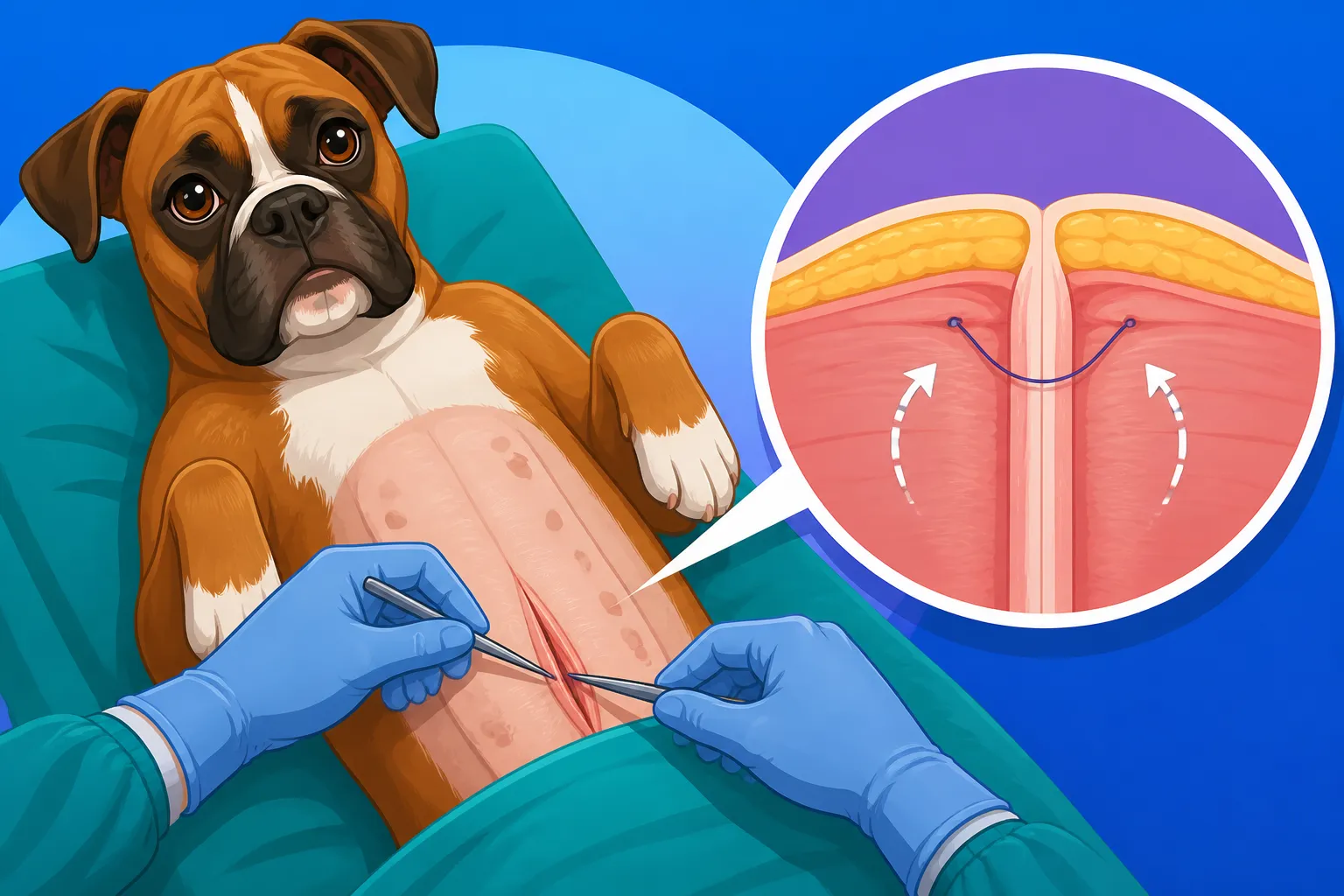
At its heart, a gastropexy is pretty straightforward. The goal is to create a permanent adhesion between the stomach and the inside of the abdominal wall. This ensures that even if the stomach fills with gas (the "dilatation" part of GDV), it can't physically rotate (the "volvulus" part). It’s like anchoring a ship so it can bob up and down, but not spin wildly.
During the procedure, your vet will carefully expose the stomach and identify a specific area, usually along the right side of the abdominal wall. A small incision or abrasion is made on both the stomach surface and the inner abdominal wall. These two raw surfaces are then stitched together. As they heal, they form a strong, permanent bond. This bond is what prevents the stomach from twisting in the future. It’s a clever piece of preventative medicine that offers immense peace of mind.
Different Gastropexy Techniques
Veterinary medicine has advanced significantly, offering different ways to perform a gastropexy. Each method has its own set of pros and cons, which your vet will discuss with you.
- Incisional Gastropexy: This is the traditional, open-abdomen approach. It involves a larger incision in the abdomen, allowing the surgeon direct access to the stomach and abdominal wall. It's highly effective and often performed when a dog is already undergoing another abdominal surgery, like a spay. It's a tried-and-true method that many vets are comfortable with.
- Laparoscopic Gastropexy: This minimally invasive technique uses a laparoscope – a small camera – and specialized instruments inserted through tiny incisions. The surgeon views the procedure on a monitor. This method typically results in less pain, smaller scars, and a faster recovery for your Boxer. However, it requires specialized equipment and expertise, so not all veterinary clinics offer it.
- Endoscopically-Assisted Gastropexy: This is another minimally invasive option. An endoscope is passed down the esophagus into the stomach, while a small incision is made on the outside of the abdomen. The stomach is then pulled up to the abdominal wall and tacked. This method is also less invasive than traditional surgery and offers good results.
No matter the technique, the underlying principle is the same: secure the stomach to prevent life-threatening torsion. The best method for your Boxer will depend on your vet's expertise, the equipment available, and your dog's specific circumstances.
Combining Gastropexy with a Spay Procedure
One of the most common and practical times to perform a prophylactic gastropexy is during a routine spay. It just makes sense to address two significant health considerations in one go.
The Benefits of a Prophylactic Gastropexy
The primary benefit of a prophylactic gastropexy is the massive reduction in the risk of GDV. While it doesn't prevent the stomach from dilating (filling with gas), it virtually eliminates the possibility of it twisting. This means that if your Boxer does experience gas buildup, it's far less likely to become a life-threatening emergency. You might still have a vet visit for discomfort, but you're probably not facing an emergency surgery in the middle of the night.
Think of the peace of mind! For Boxer owners, that fear of bloat is ever-present. Knowing you've taken such a significant step to protect your furry family member is invaluable. Combining it with a spay also means your dog only undergoes one round of anesthesia and one recovery period for two major procedures. This reduces overall stress and anesthetic exposure compared to two separate surgeries. It's an efficient way to enhance your Boxer's long-term health and your own emotional well-being. This is especially important for us, as Boxers already have some Anesthesia Risk in a Flat-Faced Boxer due to their brachycephalic nature, so minimizing exposures is wise.
Considerations and Timing
The timing for combining a gastropexy with a spay is typically when your female Boxer is already scheduled for her spay, usually between 6 and 12 months of age, before her first heat cycle. This window works well because she's already going to be under general anesthesia, and the abdominal cavity is already open for the ovariohysterectomy (spay).
However, it's not a one-size-fits-all decision. You'll want to have a detailed discussion with your veterinarian. They'll consider your Boxer's overall health, age, and any specific risk factors. Some vets might prefer to wait until a dog is a bit older and more mature if there are concerns about growth plates or other developmental issues, though generally, combining with an early spay is considered safe and effective. It's about weighing the benefits of early prevention against any individual health considerations for your pup.
Potential Risks and Recovery
While a prophylactic gastropexy during a spay is a safe and beneficial procedure, it's still surgery, and all surgeries carry some inherent risks. The risks associated with combining the procedures are generally low but include:
- Increased Anesthesia Time: Combining procedures means a longer time under anesthesia, which can slightly increase risks, especially for Boxers.
- Surgical Complications: As with any surgery, there's a small risk of infection, bleeding, or wound dehiscence (the incision opening up).
- Post-Operative Pain: Your Boxer will likely experience more discomfort than a spay alone, simply because there's more surgical work involved.
Recovery will be similar to a standard spay but might require a bit more rest and pain management initially. Your vet will likely prescribe pain medication and possibly anti-inflammatories. You’ll need to ensure your Boxer is kept quiet, limit activity, and prevent her from licking or chewing at the incision site (an E-collar or surgical suit is usually essential). Most Boxers recover well within 10-14 days, though full healing of the internal stomach tack takes longer. It’s crucial to follow all post-operative instructions carefully to ensure a smooth recovery and a strong bond for the gastropexy.
Deciding if a Gastropexy is Right for Your Boxer
This is a big decision, and it’s one that many Boxer owners wrestle with. It involves not just the medical aspects but also financial and emotional considerations.
Discussing with Your Veterinarian
The absolute best thing you can do is have an open, honest conversation with your veterinarian. They know your Boxer, her medical history, and can assess her individual risk factors for bloat. Ask them these questions:
- Is my Boxer a good candidate for a gastropexy? They’ll consider age, health, and family history.
- What technique do you recommend, and why? Discuss the pros and cons of incisional vs. laparoscopic based on their experience and clinic capabilities.
- What are the specific risks for my dog? Every Boxer is an individual.
- What's the recovery process like, and what should I expect? Get a clear picture of post-op care.
- What is the estimated cost? Get a detailed breakdown of all associated fees.
Don't hesitate to ask for a referral to a board-certified surgeon if your regular vet doesn't perform laparoscopic gastropexies or if you simply want a second opinion. This is your dog's health, and you deserve to feel completely confident in your decision and your veterinary team. For some owners, it's not even about whether they can afford it, but Whether Preventive Bloat Surgery Suits a Boxer given their specific lifestyle and dog's temperament.
Financial and Emotional Considerations
Let's be real, veterinary care, especially surgery, isn't cheap. Adding a gastropexy to a spay will increase the overall cost. The exact price varies wildly depending on your location, the veterinary clinic, and the specific surgical technique used. However, it's important to frame this cost against the potential cost of an emergency GDV surgery.
Emergency bloat surgery can run into thousands of dollars, sometimes even five figures, and that's if your Boxer survives. Plus, there's the emotional toll of that terrifying emergency, the intense worry, and the difficult recovery. A prophylactic gastropexy, while an upfront expense, is often a fraction of the cost of emergency surgery and provides immense peace of mind.
This is where pet insurance can be a lifesaver. Companies like Healthy Paws often cover prophylactic procedures like gastropexy, especially when combined with another covered surgery like a spay, as long as it's not considered a pre-existing condition. Enrolling your Boxer in a good pet insurance plan like Healthy Paws before any issues arise is a smart move that can help mitigate these significant costs. It's worth researching plans carefully to understand what they cover regarding preventative care and emergency situations. The yearly bill for a seventy-pound Boxer can be substantial, and insurance helps manage unexpected spikes.
Post-Procedure Care and Long-Term Outlook
After the combined spay and gastropexy, your Boxer will need diligent care to ensure proper healing. This includes:
- Restricted Activity: No running, jumping, or roughhousing for at least two weeks. Leash walks only for bathroom breaks.
- Pain Management: Administer all prescribed pain medications on schedule.
- Incision Monitoring: Check the incision daily for any signs of redness, swelling, discharge, or if it looks open.
- E-Collar/Surgical Suit: Essential to prevent licking, which can lead to infection or opening the sutures.
- Follow-Up Vet Visits: Attend all scheduled post-operative checks to ensure healing is progressing normally and to have sutures removed if necessary.
The long-term outlook for Boxers who receive a prophylactic gastropexy is excellent. While no surgery is 100% foolproof, the risk of developing GDV is drastically reduced. Your Boxer can continue to live a full, active life without you constantly worrying about every gulp of air or fast meal. It’s an investment in their future health and your peace of mind, allowing you to focus on all the wonderful joy they bring to your life.
| Feature | Standard Spay Only | Spay with Prophylactic Gastropexy |
|---|---|---|
| Anesthesia Time | Shorter | Longer |
| Surgical Incision | Smaller (for spay) | Slightly larger or multiple small incisions (depending on gastropexy technique) |
| Recovery Period | ~10-14 days for activity restriction | ~10-14 days for activity restriction (may have slightly more initial discomfort) |
| Cost | Lower | Higher upfront |
| Bloat Protection | None | Significantly reduces GDV (twist) risk |
| Peace of Mind | Focused on spay benefits | Added peace of mind regarding bloat |
| Future Emergency Risk | High for GDV | Very Low for GDV |
Disclaimer
The information provided in this guide is for general educational purposes only and should not be considered a substitute for professional veterinary advice. Always consult with a qualified veterinarian regarding any health concerns or before making any decisions about your Boxer's medical care, including surgical procedures.