Why Boxers Are Called Clowns
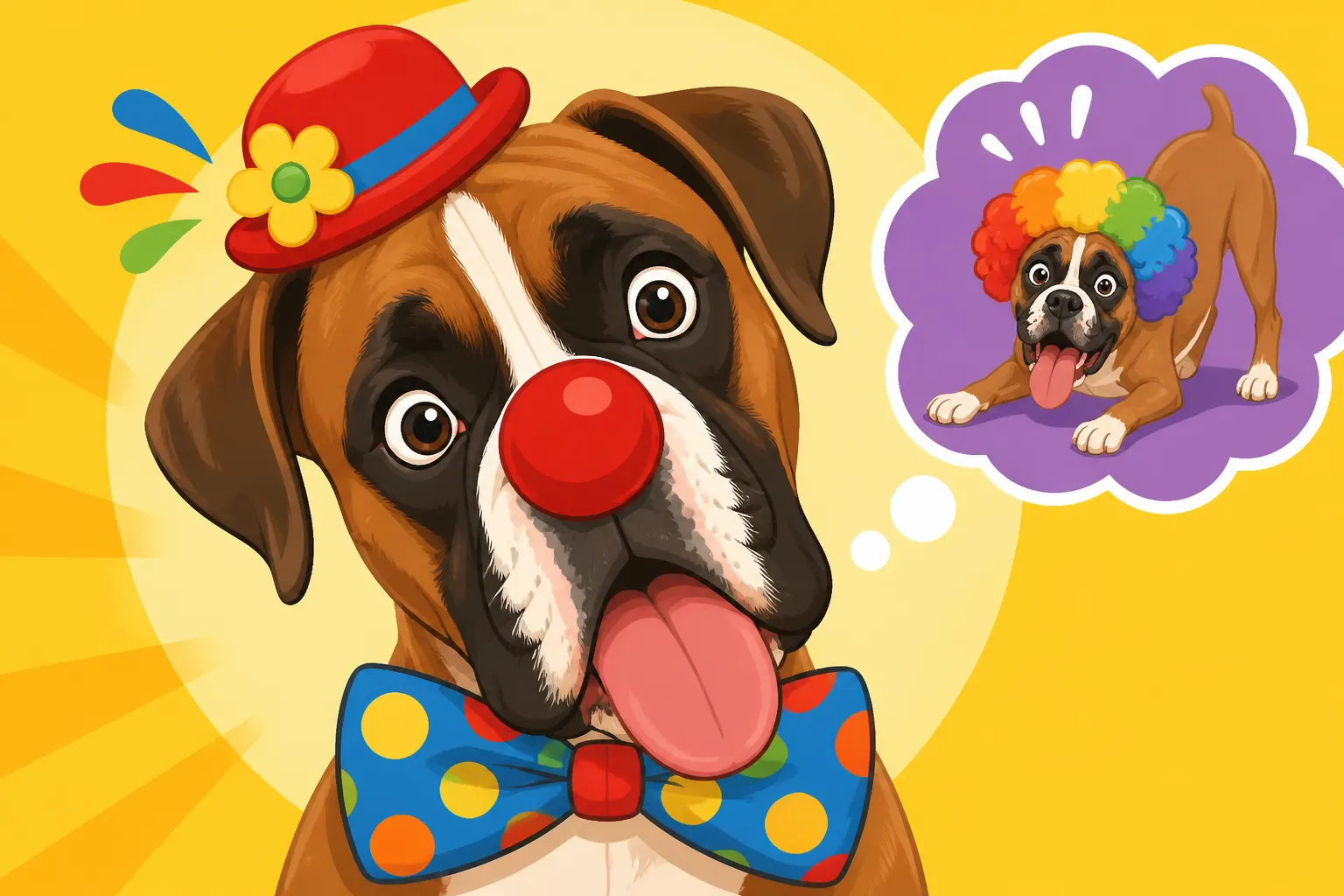
If you've ever spent time around a Boxer, you'll know exactly why they've earned the affectionate moniker of "clowns of the canine world." They possess a unique blend of boundless energy, endearing goofiness, and an almost theatrical flair for making you laugh, often when you least expect it. This guide dives deep into the specific traits and behaviors that cement the Boxer's reputation as the ultimate four-legged jester, helping you understand and appreciate the delightful antics that come with sharing your life with one of these incredible dogs.
The Undeniable Playfulness and Endless Energy
One of the most defining characteristics that contributes to the Boxer's "clown" status is their incredible, often seemingly limitless, energy and profound playfulness. It’s not just a puppy thing; it's a Boxer thing that often lasts well into their adult years. Many Boxer owners will tell you that their dog acts like a perpetual puppy, a trait that makes them eternally youthful but also incredibly entertaining.
Think about the classic "zoomies." You know, when your Boxer suddenly gets an uncontrollable burst of energy, tearing around the living room, sliding on the rugs, doing impossible turns, and then collapsing in a panting, happy heap, only to repeat the cycle five minutes later. This unbridled enthusiasm for life, especially for play, is infectious. They don't just walk into a room; they bounce. They don't just greet you; they perform an elaborate dance of wiggles and leaps, sometimes even "boxing" with their front paws in excitement, which is how some people believe they got their name. Their high spirits mean they are always ready for an adventure, whether it's a game of fetch in the yard, a brisk walk around the neighborhood, or simply a wrestling match on the living room floor. This constant readiness for fun, combined with their powerful build, often results in surprisingly agile and comical movements that are pure entertainment. Why a Boxer Boxes With Its Front Paws delves deeper into this particular trait.
It's this enduring puppy-like exuberance that often catches new owners off guard. While other breeds might mellow out significantly by two years old, many Boxers are still operating on full throttle well past that mark. This protracted adolescence means you get more years of hilarious, energetic antics. They are highly interactive dogs, thriving on engagement with their family, and their play is rarely a solitary affair. They want you to be a part of their fun, whether it’s tug-of-war, chasing a ball, or simply rolling around together on the grass. This drive to involve you in their play often leads to some of their most clownish moments, as they try everything in their power to elicit a response, often with exaggerated movements and expressions. If you’re ever wondering how to channel this energy, Boxer Exercise Needs and the Heat That Limits Them offers some great ideas.
Expressive Faces and Comical Body Language
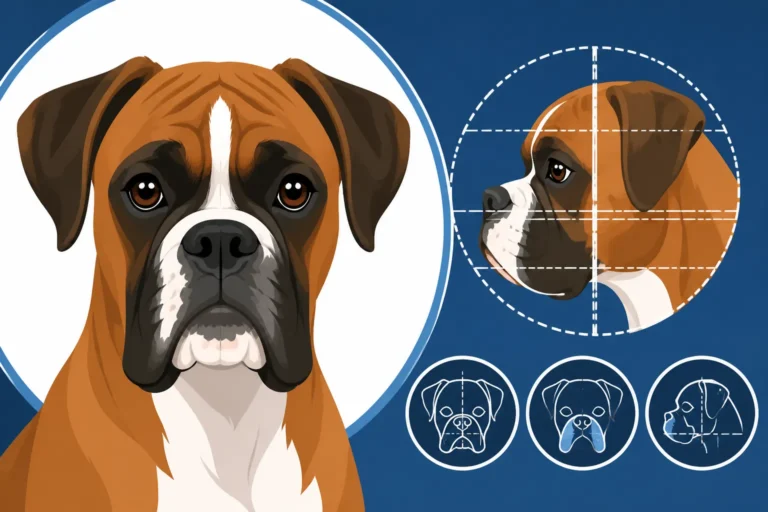
Boxers are masters of non-verbal communication, and their expressive faces and distinctive body language are huge contributors to their reputation as clowns. Their faces are a canvas of emotion, constantly shifting from curiosity to mischievousness, often with a hint of dramatic flair. Those deep, dark eyes can convey so much – an innocent plea for a treat, a confused tilt of the head, or a wide-eyed stare that perfectly communicates "What's next?!"
Then there's the famous "Boxer wiggle." When a Boxer is truly happy to see you, their entire body contorts into a joyous, full-body shake, starting from the tip of their docked tail (or natural tail, if un-docked) and rippling all the way through their powerful shoulders. Their hindquarters might swing enthusiastically, almost like they're trying to propel themselves forward with sheer joy. It's a spectacular display of canine happiness that never fails to bring a smile to your face. This isn't just a simple tail wag; it’s a performance. It's a whole-body celebration, often accompanied by happy grunts and snorts, especially if they have some extra jowls to help them make those funny noises. Understanding these unique movements can really help you bond with your Boxer, and The Boxer Wiggle and What It Signals explains more about what these expressive gestures mean.
Their physical comedy extends beyond greetings. Boxers can be incredibly clumsy in the most endearing ways. They might trip over their own feet, slide unexpectedly on a slick floor, or misjudge a jump, only to recover with a shake and a bewildered look that seems to say, "I meant to do that!" Their powerful, athletic build, combined with an eagerness that sometimes outpaces their coordination, creates a lot of unintentional hilarity. These moments aren't about being unintelligent; they're about being so caught up in the moment that practicality takes a backseat to pure, unadulterated enthusiasm. They might sprawl in the most awkward, uncomfortable-looking positions for a nap, or try to squeeze themselves into a space clearly too small for their substantial size, all while maintaining an air of complete contentment. This combination of powerful physique and goofy demeanor is pure Boxer magic.
A Knack for Mischief and Unexpected Antics
While playful and affectionate, Boxers also possess a keen intelligence and an independent streak that, when combined, can lead to some truly mischievous and comical behaviors. They are problem-solvers, sometimes for problems you didn't even know existed, and often with methods that are far from conventional. This is where their "clown" nature truly shines: in their ability to invent games, orchestrate mild mayhem, and generally keep you on your toes.
Boxers love to "help," which often means getting directly in the middle of whatever you're doing. Trying to fold laundry? Expect a Boxer to "assist" by trying to play with the socks or gently pawing at your hand. Working on your computer? They might try to rest their head on the keyboard or nudge your arm for attention. They are persistent and will often try various tactics to get your engagement, from a soft whine to a dramatic sigh, and eventually to a full-blown "I'm bored, pay attention to me!" paw to your leg. This charming pushiness is rarely aggressive; it’s almost always an invitation to play or interact, delivered with a sense of urgent, playful demand. They are incredibly good at making you feel guilty for not dropping everything to entertain them, and they use their wide range of vocalizations – from groans to soft barks – as part of their persuasive arsenal.
Their intelligence, coupled with their long puppyhood, means they can be incredibly inventive when left to their own devices. A bored Boxer is a creative Boxer, and creativity often translates to mischief. They might "rearrange" the throw pillows on the couch, investigate the contents of the wastebasket with scientific precision, or stage an elaborate escape from a securely fenced yard, simply because they can. This isn't out of malice, but usually out of a desire for stimulation or attention. Providing them with plenty of appropriate outlets, like interactive toys from Chewy or puzzle feeders, can help redirect this mischievous energy. Without proper exercise and mental engagement, a Boxer can easily become destructive simply out of boredom, proving that their cleverness needs a positive direction. A Boxer That Wrecks Things When Under-Exercised offers more insight into this common challenge.
Their Deep Affection and Desire for Connection
At the heart of every Boxer's clownish behavior is a profound love and desire for connection with their human family. They aren't just silly for the sake of it; much of their goofiness stems from their eagerness to please, entertain, and be an integral part of your life. This deep affection is perhaps the most endearing aspect of their clown persona.
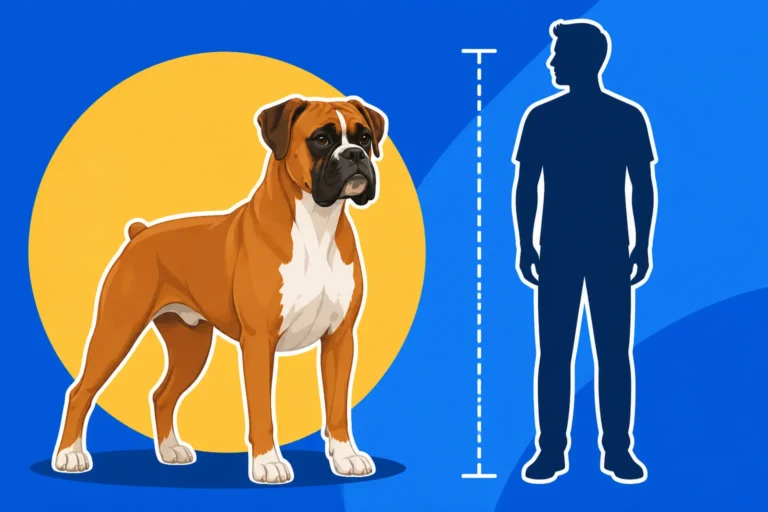
Boxers are notorious "leaners" and "cuddlers." They want to be as close to you as possible, often attempting to become a lap dog despite their size. You might find your 70-pound Boxer trying to squeeze onto your armchair with you, or slowly inching their way closer on the sofa until you're both sharing a single cushion. This constant desire for physical contact is adorable and often leads to comical attempts at intimacy. They often enjoy "spooning" with their humans, or resting their head squarely on your lap with a contented sigh, making it clear they are exactly where they want to be. They are not content to be an outdoor dog or a periphery family member; they want to be right in the thick of family life, observing, participating, and occasionally interjecting with their unique brand of humor.
This desire for inclusion also makes them excellent family dogs. They are generally patient and playful with children, often taking on the role of a gentle guardian and a tireless playmate. While their exuberance means supervising interactions, their underlying good nature shines through. They thrive on being involved in family activities, whether it's watching TV together, joining a backyard BBQ, or just lounging nearby while you read. Their "clown" acts are often performed with a clear audience in mind – you! They live for your laughter and attention, and they seem to genuinely enjoy eliciting smiles. This constant pursuit of connection, coupled with their inherent goofiness, transforms ordinary moments into memorable, heartwarming, and often hilarious experiences.
The table below illustrates some of the common "clownish" Boxer behaviors and the underlying reasons or messages behind them:
| Clownish Behavior | What It Looks Like | Why Boxers Do It |
|---|---|---|
| Zoomies | Sprinting wildly in circles, sliding, sudden stops | Releasing pent-up energy, sheer joy, playful exuberance |
| The Boxer Wiggle | Whole body wiggling, hindquarters swinging, tail wagging | Intense happiness, excited greeting, deep affection |
| Paw-Punches (Boxing) | Gently batting with front paws, often on your arm or other dogs | Play invitation, attention-seeking, natural play style |
| The Lean | Pressing their body firmly against yours when standing/sitting | Seeking closeness, showing affection, comfort/security |
| Exaggerated Facial Expressions | Head tilts, wide eyes, deep sighs, wrinkled brow | Curiosity, confusion, communicating wants (e.g., "feed me!"), seeking attention |
| Lap Dog Attempts | Trying to sit fully on a human's lap despite large size | Desire for physical closeness, deep bond, feeling secure |
| Mischievous "Helping" | Getting into laundry, nudging objects, "rearranging" items | Boredom, seeking engagement, playful curiosity, intelligence |
| Playful Grumbles/Snorts | Unique vocalizations during play or greetings | Expressing excitement, enjoyment, or sometimes playful frustration |
Ultimately, the Boxer's reputation as a clown is well-deserved and deeply rooted in their very nature. From their endless puppy energy and expressive faces to their intelligent mischief and profound affection, every aspect of their personality contributes to the delightful, sometimes chaotic, joy they bring into our lives. They truly are unique dogs, forever young at heart, and forever guaranteed to make you smile.
Disclaimer
This article is for general informational purposes only and does not constitute professional advice. Laws, prices and regulations vary by location and change over time. Consult a qualified professional for guidance on your specific situation.