Boxer Head Proportions in the Standard
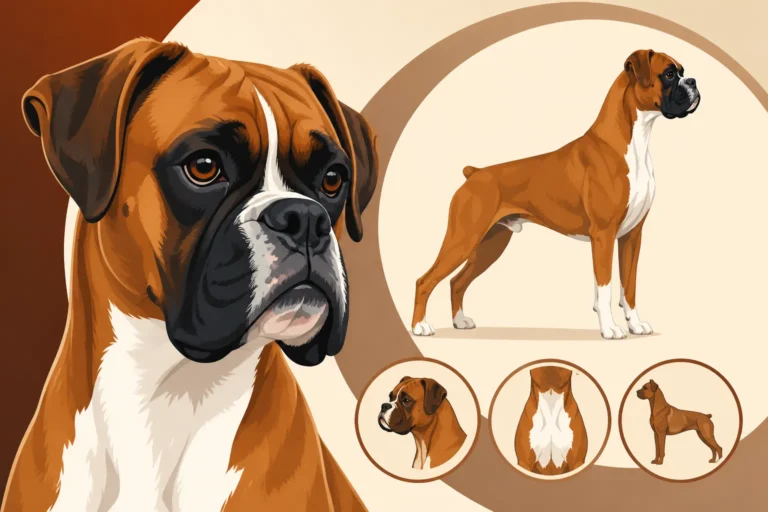
One of the most defining characteristics of a Boxer, the thing that truly captures hearts and makes them instantly recognizable, is their magnificent head. But for new owners, or even seasoned Boxer enthusiasts, understanding the nuances of what makes a Boxer's head truly "standard" can be a bit of a mystery, especially when you're just looking at a cute puppy. This guide is going to walk you through the intricate details of Boxer head proportions, straight from the breed standard, so you can appreciate the thought and history behind that distinctive, powerful, yet often goofy, face.
Understanding the Boxer Head: More Than Just a Pretty Face
The Boxer head isn't just a randomly assembled collection of features; it's a carefully balanced work of art, designed for both function and beauty. When you delve into the breed standard, you quickly realize that every angle, every curve, and every proportion is there for a reason, telling a story of the breed's origins and its intended purpose. It’s not just about aesthetics; it’s about health and how the dog moves through the world.
Why Head Proportions Matter for the Breed Standard
The breed standard isn't just a fancy set of rules for dog shows; it's essentially the blueprint for what a Boxer should be. For the head, these proportions speak volumes about the dog's heritage, tracing back to its ancestors, like the Bullenbeisser. These working dogs needed a powerful head and jaw to perform their tasks, and the Boxer inherited much of that. The standard ensures that breeders strive to maintain these crucial features, which contribute to the dog's overall type, health, and ability to breathe and eat effectively. A head that deviates too much from the standard might indicate issues with breathing, dental alignment, or even temperament, as certain head shapes can be linked to other physical traits. It’s about preserving the essence of the Boxer, from the curve of the skull to the depth of the muzzle. When you read The Boxer the Breed Standard Describes, you'll see how foundational these details are.
The Importance of Balance and Symmetry
Imagine looking at a painting that's just a little bit off-kilter – it might still be beautiful, but something feels not quite right. The same goes for a Boxer's head. Balance and symmetry are paramount. This means that all the individual features – the skull, the muzzle, the eyes, the ears – should fit together harmoniously, creating a cohesive and powerful impression without any one part overwhelming another. You want to see strong, clean lines that flow seamlessly. For instance, the skull should be neither too wide nor too narrow in relation to the muzzle. The jaw should align in a specific way, contributing to that classic "undershot" bite that is so characteristic of the breed. When everything is in proportion, it creates that noble yet alert expression that is so uniquely Boxer. Without this balance, you might end up with a head that looks too heavy, too delicate, or simply out of character for the breed. It’s the visual harmony that truly defines the head.
The Skull: Foundation of the Boxer's Distinctive Look
The skull is the literal and metaphorical foundation of the Boxer's head. It dictates the overall shape and size, providing the framework for all the other features. A well-constructed skull is broad and powerful, giving the Boxer that formidable yet intelligent appearance we all adore.
Topline and Width: What to Look For
The Boxer's skull should be cleanly modeled, not appearing too round or too flat. From the front, it should be broad, giving ample room for brain capacity and powerful jaw muscles, but it should not be excessively wide or dome-shaped. From the side, the skull's topline should show a slight arch, flowing smoothly into the muzzle. This subtle curve is crucial for the overall profile. The occiput, the bony prominence at the back of the skull, should not be overly pronounced, creating a clean, powerful line. Think of it as a strong, solid block, but refined, without any jarring angles or overly coarse features. A skull that is too narrow might result in a "pinched" look, while one that is too broad can make the head appear clumsy or "apple-headed," both of which are considered undesirable. The balance with the muzzle is key here, which we’ll discuss more in depth shortly, but for now, remember that the skull sets the stage for everything else.
Cheeks and Muscles: Power Without Coarseness
Beneath that broad skull lie the incredibly powerful muscles that give the Boxer its characteristic bite. The cheeks should be strong and well-developed, but they should not bulge excessively or appear coarse. When the Boxer is alert or chewing, you'll see these muscles flex, but at rest, they should lay fairly flat against the skull, creating a clean line. Excessive cheekiness can give a dog a jowly, almost "bulldog-like" appearance, which is not typical for a Boxer. The transition from the cheek to the muzzle should be smooth, without a severe "stop" (the indentation between the eyes). This muscle development is a testament to the Boxer's heritage as a gripping dog, needing significant strength in its jaw. Yet, the breed standard always calls for this power to be accompanied by elegance, avoiding any hint of crudeness. It's about a refined strength, not brute force.
The Muzzle: The Boxer's Defining Feature
Ah, the muzzle! This is arguably the most distinctive part of the Boxer's head, the feature that immediately sets it apart. It’s flat, broad, and turns upward in that unique way, making it instantly recognizable. Getting these proportions right is absolutely vital to the Boxer look. You'll understand why when you learn about Why the Boxer Was Given a Turned-Up Muzzle.
Length and Width: The Ideal Ratio
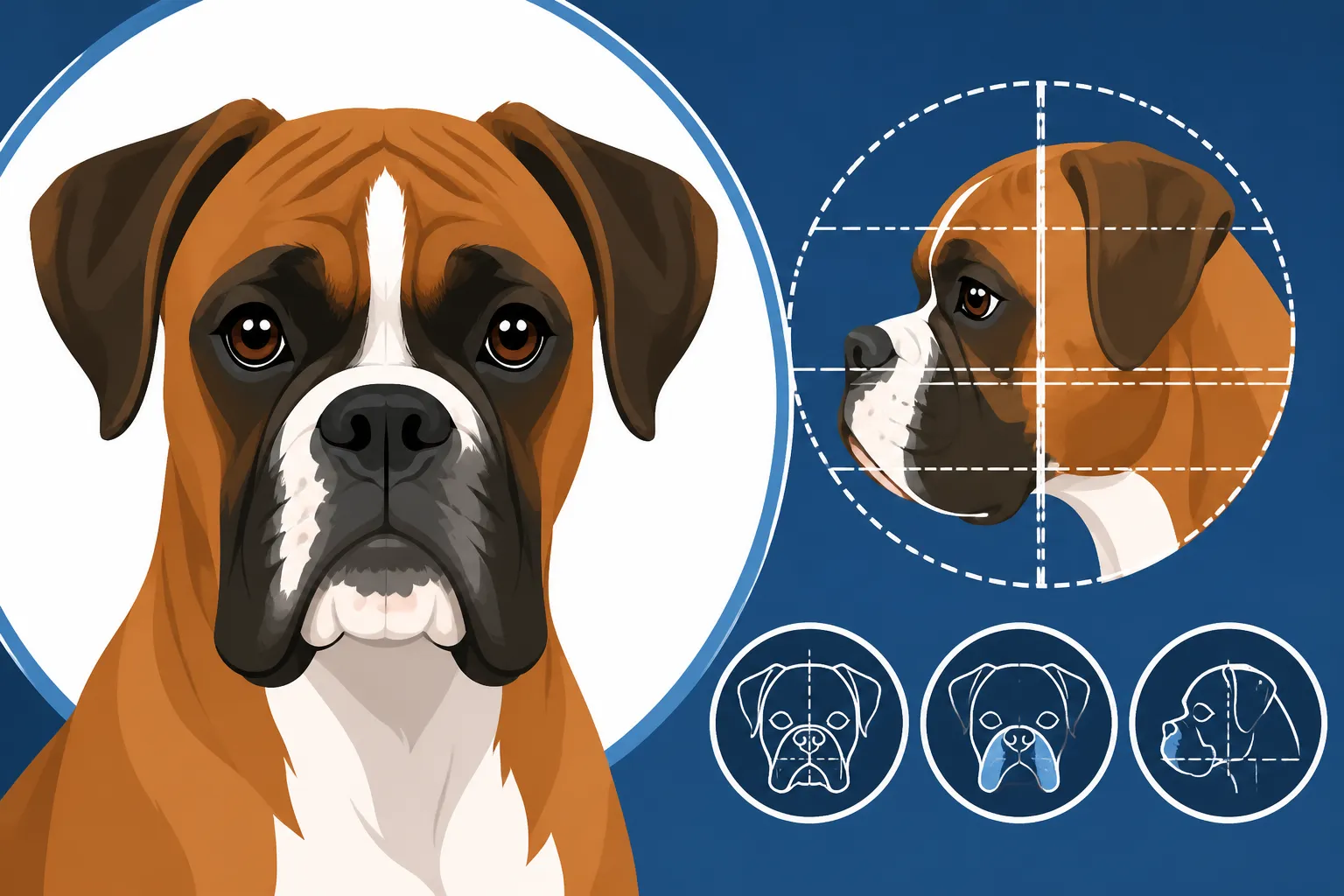
The Boxer's muzzle is where much of the breed's character resides. According to the standard, it should be broad and deep, never pointed or narrow. The width of the muzzle should be approximately two-thirds the width of the skull. This creates a powerful, blocky appearance without being cumbersome. As for length, it should be about one-third the length of the entire head, from the tip of the nose to the back of the skull. This short, deep muzzle is what gives the Boxer its unique silhouette. A muzzle that is too long would lose that distinctive Boxer look and might hint at less desirable traits from other breeds, while one that is too short could lead to severe breathing difficulties. The combination of its width and relatively short length ensures that the Boxer maintains a strong bite while still being able to breathe relatively well for a brachycephalic (flat-faced) breed – a constant balancing act for these dogs. This is also why many owners might seek specialized bowls or toys, sometimes found on sites like Chewy, to accommodate their unique muzzle shape.
The Upsweep and Undershot Bite: Essential Characteristics
Now, let's talk about the famous "upsweep" and "undershot bite." These are non-negotiable Boxer traits. The muzzle should not be straight; instead, it should turn slightly upwards, forming a distinct curve from the base of the nose to the tip. This upsweep is often most visible when viewed in profile. This is directly related to the undershot bite, which means the lower jaw extends beyond the upper jaw, and the lower incisors (front teeth) are in front of the upper incisors when the mouth is closed. What an Undershot Boxer Bite Means goes into more detail, but for the breed, it’s not a fault, it’s a defining characteristic. This combination of the upsweep and undershot jaw creates the classic Boxer expression, sometimes stern, sometimes playful. Without these features, a dog isn't truly a Boxer in the traditional sense. It's crucial for the aesthetic, but also harks back to their history as gripping dogs, where this jaw structure provided a strong hold without obstructing breathing during a bite.
Here's a quick comparison of ideal Boxer muzzle features:
| Feature | Ideal Standard | Common Deviations | Impact |
|---|---|---|---|
| Length | Approximately 1/3 of total head length | Too long or too short | Loss of typical Boxer appearance, potential breathing issues |
| Width | Approximately 2/3 of skull width | Too narrow or too broad | Appears delicate or coarse, lacks characteristic power |
| Depth | Deep and full | Shallow or lacking substance | Weakens the overall head structure |
| Upsweep | Distinct curve from nose base to tip, turning up | Flat or straight muzzle | Not characteristic, loses typical Boxer expression |
| Undershot | Lower jaw extends beyond upper jaw | Level bite or overshot jaw (upper jaw over lower) | Disqualifying fault, affects bite function and appearance |
| Chin | Clearly defined, not receding | Receding or lacking definition | Weakens jaw, impacts overall powerful appearance |
Eyes, Ears, and Nose: Completing the Boxer Expression
While the skull and muzzle lay the groundwork, it's the eyes, ears, and nose that truly bring the Boxer's head to life, adding intelligence, alertness, and personality to that powerful structure. These elements work together to create the nuanced expressions that Boxer owners know and love.
Eye Placement and Color: Intelligence and Alertness
A Boxer's eyes are often described as dark, intelligent, and full of life. They should be dark brown, as close to black as possible, conveying an alert and keen expression. Pale or light-colored eyes are considered undesirable as they detract from the breed's characteristic look. Placement is also key: the eyes should be moderately sized, neither too large nor too small, and set neither too deep nor too bulging. They should be set widely enough apart to suggest intelligence and stability, but not so wide as to make the face appear disconnected. The rim of the eyelid should be dark, ideally black, further enhancing the eye's expressiveness. When a Boxer looks at you, you should see confidence, curiosity, and a sparkle that truly reflects their spirited nature. A poorly placed or colored eye can make the entire head seem less intelligent or less typical, impacting The Boxer Expression Judges Look For.
Ear Set: Natural vs. Cropped
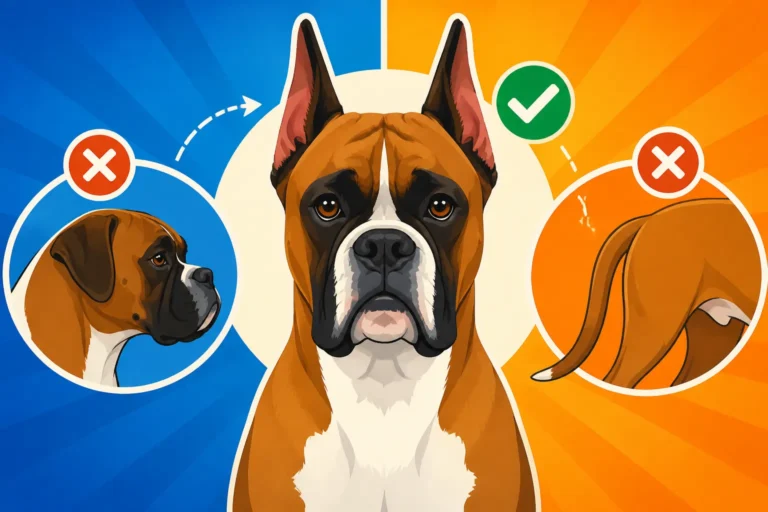
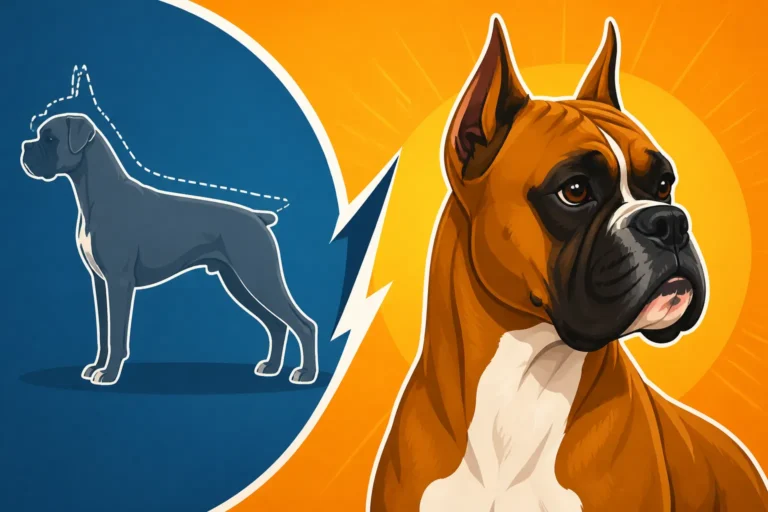
Historically, Boxer ears were almost always cropped to stand erect, giving them a more alert and formidable appearance. This practice, while still seen in some regions and for show purposes, has become less common due to evolving regulations and preferences. Whether cropped or natural, the ear set is important. For natural ears, they should be set high on the skull, relatively small, and fold forward close to the cheek. When cropped, they should be cut to a medium length, tapering to a point, and carried erect. The goal is always to frame the face and enhance the Boxer's alert expression. Regardless of whether they are cropped or not, the ear should never be heavy or low-set, as this can give a dull or coarse look to the head. It's a topic that often sparks debate, as outlined in Boxer Ear Cropping and Tail Docking, but the underlying principle is to ensure the ears contribute to the overall picture of a keen and attentive dog.
Nose and Nostrils: Breathing and Alertness
The nose of a Boxer should always be black, regardless of coat color. It should be broad and slightly turned up at the tip, fitting harmoniously with the upswept muzzle. The nostrils should be wide and open, allowing for unrestricted breathing. This is a crucial point, especially for a brachycephalic breed. Pinched or narrow nostrils can severely impede airflow, leading to Snoring and Noisy Breathing in a Boxer and even more serious respiratory issues, particularly in warmer climates or during exercise. A Boxer’s nose is more than just a facial feature; it's a critical part of their respiratory system, and well-opened nostrils are a sign of good health and proper structure. The nose leather should also be firm and solid, contributing to the powerful and complete look of The Boxer Head the Standard Describes.
Putting It All Together: The Boxer's Overall Head Expression
When you consider all these elements – the skull, the muzzle, the eyes, ears, and nose – they combine to create the unmistakable "Boxer expression." It's a blend of strength, nobility, intelligence, and often, a touch of mischievousness. This holistic view is what truly defines a well-proportioned Boxer head.
The "Boxer Look": What It Truly Means
The "Boxer look" isn't just about one feature; it’s the sum total of all the parts working in perfect harmony. It’s that broad, powerful skull meeting a deep, upswept muzzle, framed by intelligent, dark eyes. It’s an expression that can be serious and watchful one moment, then melt into goofy playfulness the next. It carries a sense of innate dignity, yet is always ready for interaction. The creases on the forehead, which become more pronounced when the Boxer is attentive, add to this unique range of expression. It should never look dull, aggressive, or fearful. It's an expression of confident loyalty, ever-ready to engage with its family and the world around it. This balance is what breeders strive for, and what makes a Boxer's head so captivating and instantly recognizable. You might even notice subtle differences between German Boxers Against American Boxer Lines, particularly in head proportions, with European lines sometimes appearing heavier.
Common Deviations and Their Impact
While the breed standard paints an ideal picture, deviations can and do occur. Some common issues include muzzles that are too long or too short, skulls that are too narrow or too domed, and jaws that are not correctly undershot. Eyes that are too light or too small can detract significantly from the overall expression. These deviations are not just cosmetic; they can have practical implications. A muzzle that is too short, for example, can exacerbate breathing difficulties, requiring more careful management, especially when considering Anesthesia Risk in a Flat-Faced Boxer. An incorrect bite can lead to dental problems or difficulty eating certain foods. Overly prominent cheeks can give a coarse look, while a weak chin can make the powerful jaw appear less substantial. Responsible breeders work diligently to minimize these deviations, understanding that maintaining proper head proportions is crucial for the health, function, and quintessential look of the Boxer breed. When you're considering a Boxer puppy, observing the parents' head structures can give you a good indication of what to expect, as these traits are often inherited.
Disclaimer
This article is for general informational purposes only and does not constitute professional advice. Laws, prices and regulations vary by location and change over time. Consult a qualified professional for guidance on your specific situation.