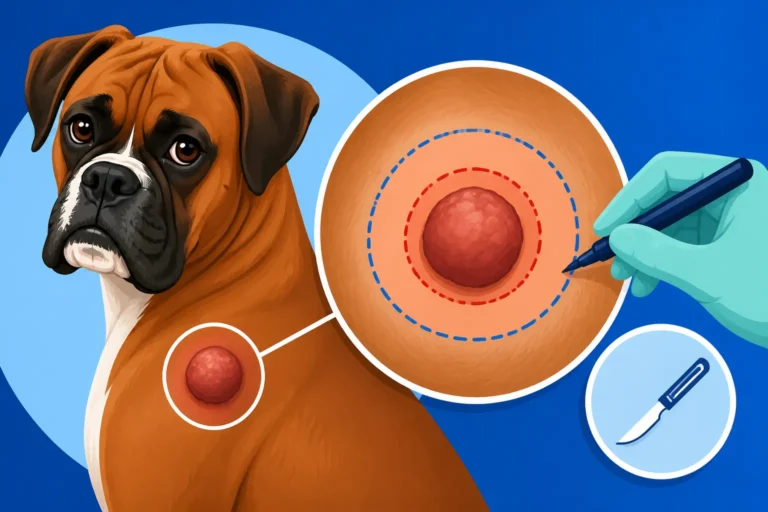
Antihistamines Before Boxer Tumor Surgery
Finding a lump on your beloved Boxer is one of those gut-wrenching moments that every dog owner dreads. When that lump turns out to be a mast cell tumor, the anxiety can be overwhelming, especially when surgery is on the table. Many Boxer parents are surprised, and sometimes even a little confused, when their vet recommends giving antihistamines before the procedure. This guide will walk you through exactly why these medications are so crucial for your Boxer prior to tumor removal, helping you understand the science, the strategy, and what it means for your dog's care.
Understanding Mast Cell Tumors in Boxers
Boxers are magnificent dogs, full of life, love, and that famous wiggle butt. But, unfortunately, they also come with a heartbreaking predisposition to certain health issues, and cancer, particularly mast cell tumors, sits high on that list. It’s a harsh reality that many Boxer owners face, and it's essential to understand why these particular tumors are such a concern for our fawn, brindle, and flashy friends.
Why Boxers Are Prone to Mast Cell Tumors
It often feels like a cruel twist of fate that such a wonderful breed is so susceptible to cancer. For Boxers, it's largely down to genetics. While research is ongoing, there's a clear hereditary component that makes them more likely to develop mast cell tumors than many other breeds. It’s not just a random occurrence; it’s woven into their genetic tapestry. This means that even with the best diet, exercise, and loving home, a Boxer can still be at a higher risk. This predisposition is something responsible breeders try to mitigate through careful selection, but it’s a challenge the breed still grapples with. When you're conducting your weekly lump checks on a Boxer, you're not just being overprotective; you're being proactive against a known breed vulnerability. This vigilance is key, as early detection can make a significant difference in treatment outcomes.
The Unique Nature of Mast Cell Tumors in Boxers
What makes mast cell tumors particularly tricky in Boxers is their unpredictable nature and how they interact with the dog's own body. Mast cells are a normal part of the immune system, involved in allergic reactions and inflammation. They contain granules packed with powerful chemicals, including histamine. When these cells become cancerous and form a tumor, they can be highly reactive. Imagine a tiny bomb filled with irritants; that’s essentially a mast cell tumor. When disturbed, whether by a vet examining it, a biopsy, or, most significantly, during surgical manipulation, these cells can degranulate, releasing their chemical contents into the surrounding tissue and even the bloodstream. This rapid release can cause a localized inflammatory reaction, swelling, redness, and itching, but it can also lead to more widespread systemic effects that complicate surgery and recovery. It’s a critical difference from a simple fatty lump, which generally doesn't pose these kinds of immediate chemical threats during removal.
The Biological Impact of Histamine Release
The mention of "histamine" often makes us think of seasonal allergies, but in the context of mast cell tumors, its role is far more serious. Understanding how this chemical wreaks havoc helps explain why preventative measures are so important.
How Mast Cells Release Histamine
Think of a mast cell as a tiny balloon filled with a mix of inflammatory substances, primarily histamine. When something triggers these cells – like trauma, stress, or physical manipulation during a surgical procedure – the balloon bursts, releasing its contents. In the case of a mast cell tumor, these cells are already abnormal and often over-sensitive. Even a gentle palpation during a vet exam can sometimes cause a minor release. During surgery, however, the direct cutting and handling of the tumor, which contains countless abnormal mast cells, is a much more intense trigger. This is why a needle biopsy on a Boxer lump might cause some localized redness, but full surgical excision carries a much higher risk of a significant histamine dump.
The Cascade Effect of Histamine Release
Once histamine is released, it doesn’t just sit there; it goes to work, affecting various systems in the body. Locally, around the tumor site, it causes vasodilation (blood vessels widen), leading to increased blood flow, redness, swelling, and fluid accumulation. This swelling can make it harder for the surgeon to get clean margins and can delay wound healing. Systemically, if a large amount of histamine enters the bloodstream, it can cause a sudden drop in blood pressure, known as anaphylactic shock, which is a life-threatening emergency. Histamine also stimulates gastric acid production, which can lead to stomach ulcers, especially in stressed animals or those with a history of digestive issues. This complex chain reaction underscores why controlling histamine before surgery is not just a good idea, but often a critical step in managing a Boxer with a mast cell tumor.
The Strategic Use of Antihistamines Before Surgery
This is where the pre-operative use of antihistamines comes in as a vital defensive strategy. It's not just a random medication; it's a carefully planned intervention to protect your Boxer.
Reducing Local Swelling and Inflammation
Imagine trying to remove a tumor that suddenly inflates and becomes more engorged with blood during surgery. That's a real possibility with mast cell tumors if histamine release goes unchecked. By administering antihistamines beforehand, we're essentially pre-emptively blocking the receptors that histamine would normally bind to. This significantly reduces the localized swelling, inflammation, and potential bleeding around the tumor site. Less swelling means clearer surgical fields, making it easier for the veterinary surgeon to achieve those crucial surgery margins on a Boxer mast cell tumor. It creates a more stable environment for the delicate work of excising the tumor, improving the chances of a successful outcome and potentially reducing post-operative complications.
Mitigating Systemic Reactions During Handling
Beyond the local effects, preventing systemic reactions is paramount. A sudden drop in blood pressure or the onset of gastric ulcers during or immediately after surgery could be catastrophic for your Boxer. Antihistamines, by blocking histamine's effects on the wider body, help maintain cardiovascular stability and protect the gastrointestinal tract. It’s a preventative strike against potential life-threatening complications. This preparation becomes even more critical for Boxers, who already have a genetic predisposition to certain heart conditions like Boxer cardiomyopathy and are also more susceptible to gastric issues under stress. Insurance providers like Healthy Paws understand the comprehensive nature of cancer treatment, often covering these crucial pre-operative medications as part of a treatment plan for your dog.
Pre-Operative Protocol and Timing
Your vet will typically prescribe antihistamines to be given for a specific period before surgery, usually starting a few days prior to the scheduled procedure. This isn't a "take it an hour before" kind of situation. The goal is to build up a sufficient level of the medication in your Boxer's system so that the histamine receptors are already blocked before any surgical manipulation begins. It's about saturating those receptors so that when the mast cells degranulate, the histamine has nowhere to bind and exert its harmful effects. Missing a dose or starting too late could compromise this protective shield, potentially putting your Boxer at unnecessary risk. Always follow your vet's instructions precisely regarding the dosage and timing.
Common Antihistamines Used and Their Actions
When we talk about antihistamines, it's not a one-size-fits-all approach. There are different types, and your vet might even recommend combining them for a more comprehensive block against histamine's effects.
H1 Blockers: Diphenhydramine (Benadryl)
The most commonly recognized antihistamines are H1 blockers. These target the H1 receptors, which are primarily responsible for the immediate allergic reactions we often associate with histamine: itching, swelling, and vasodilation. A familiar example often used in veterinary medicine is diphenhydramine, commonly known by the brand name Benadryl. While readily available over-the-counter, it’s absolutely critical that you never administer human medications to your Boxer without explicit veterinary guidance. The dosage for dogs is very different, and some formulations can contain ingredients toxic to pets. When prescribed, diphenhydramine helps reduce the immediate, acute inflammatory response at the tumor site and throughout the body, providing a crucial first line of defense.
H2 Blockers: Famotidine (Pepcid)
Beyond the H1 receptors, histamine also acts on H2 receptors, which are primarily found in the stomach lining and stimulate gastric acid production. This is where H2 blockers come in. Famotidine, often known as Pepcid, is a common H2 blocker that reduces stomach acid secretion. Why is this important for tumor surgery? Because stress, combined with the systemic release of histamine, can significantly increase the risk of gastric ulcers. Administering an H2 blocker helps protect your Boxer's stomach and digestive tract, preventing potential complications like severe vomiting or even gastrointestinal bleeding that could further complicate recovery from surgery.
Combining H1 and H2 Blockers for Maximum Effect
Often, vets will recommend a "dual blockade" approach, prescribing both an H1 blocker and an H2 blocker. This strategy provides a much more robust shield against histamine's wide-ranging effects. By blocking both sets of receptors, you're not just tackling the visible inflammation and swelling, but also the internal, less obvious risks like gastric ulceration and systemic blood pressure drops. This comprehensive approach maximizes your Boxer's safety and comfort during a very stressful time. It’s a testament to the meticulous care involved when planning for something as serious as a mast cell tumor removal.
| Antihistamine Type | Common Examples (Vet-Approved) | Primary Action Against Histamine | Key Benefits Before Mast Cell Tumor Surgery |
|---|---|---|---|
| H1 Blocker | Diphenhydramine (Benadryl) | Blocks H1 receptors, reducing acute allergic reactions. | Reduces local swelling, itching, and inflammation at tumor site; helps prevent systemic anaphylaxis. |
| H2 Blocker | Famotidine (Pepcid) | Blocks H2 receptors, reducing gastric acid production. | Protects against stress-induced gastric ulcers and helps maintain GI health during a critical period. |
Administering Antihistamines Safely and Effectively
Administering medication to a Boxer can sometimes feel like a wrestling match, but with antihistamines, it’s critical to get it right. Your vet’s guidance is non-negotiable here.
Dosage and Administration Guidelines
Your veterinarian will provide precise instructions on how much medication to give and when. These dosages are calculated based on your Boxer's weight, the specific antihistamine, and the grade of the tumor if already known. It's crucial not to guess or assume. If you're unsure, always call your vet's office for clarification. Most often, the antihistamines will be given orally, perhaps mixed in a small amount of food or a treat (if your Boxer isn't prone to gobbling down and potentially missing the pill). Remember, consistency is key; sticking to the schedule ensures the medication reaches therapeutic levels in your Boxer's system before the day of surgery. This meticulous pre-operative care is a vital component of managing your Boxer's health, particularly when facing procedures like tumor removal, and is often covered by pet insurance plans like those offered by Healthy Paws.
Potential Side Effects and What to Watch For
Even with prescribed medications, side effects can occur. The most common side effect of H1 blockers like diphenhydramine is sedation. Your Boxer might seem a bit drowsy or sluggish, which, ironically, can sometimes be a welcome side effect before a stressful event like surgery. Other possible side effects could include dry mouth, mild gastrointestinal upset (like temporary diarrhea or constipation), or changes in appetite. While these are usually mild, it's important to monitor your Boxer closely. If you notice any severe reactions, persistent vomiting, extreme lethargy, or anything that concerns you, contact your vet immediately. It's always better to be overly cautious than to let a problem escalate.
Consulting Your Vet: A Non-Negotiable Step
I cannot stress this enough: always consult your veterinarian. Never self-prescribe or administer over-the-counter antihistamines to your Boxer without their explicit approval and dosage instructions. Your vet understands the specific nuances of your Boxer's health, including any existing conditions, current medications, and the precise nature of the mast cell tumor. They can determine the appropriate type, dosage, and timing of antihistamines to ensure maximum safety and efficacy. They will also factor in other medications your Boxer might be on, like those for Boxer Cardiomyopathy and the Holter Monitor, to avoid adverse drug interactions. This personalized approach is what makes veterinary care so valuable.
Navigating the Surgical Process and Beyond
Once your Boxer has received the necessary pre-operative antihistamines, the focus shifts to the surgery itself and the crucial recovery period.
Monitoring for Reactions During the Procedure
Even with diligent pre-treatment, vigilant monitoring during surgery is still vital. Veterinary teams are highly skilled at observing for any signs of histamine release or other adverse reactions. They'll be watching your Boxer's vital signs—heart rate, blood pressure, oxygen saturation, and temperature—like hawks. If any issues arise, they are prepared to intervene immediately. This proactive approach, coupled with the pre-operative antihistamines, significantly minimizes the risks associated with mast cell tumor removal. It’s a testament to the expertise and care that goes into ensuring your Boxer’s safety during such a critical time.
Post-Operative Care and Continued Antihistamine Use
After surgery, your Boxer will likely come home with pain medication and potentially antibiotics. In many cases, your vet will also recommend continuing the antihistamines for a period after the surgery. This post-operative continuation is just as important as the pre-op phase. It helps to control any lingering inflammation at the surgical site and to mitigate potential discomfort or reactivity as the area heals. Reducing swelling can also help ensure the integrity of the surgical site. It's an extension of the preventative measures, supporting a smoother and more comfortable recovery. Just like before the surgery, stick strictly to your vet's instructions for dosage and duration during this recovery phase. For many owners, the cost of post-operative medications and follow-up visits can be a concern, but pet insurance plans are designed to help with these unexpected expenses, making financial planning easier. It's one of the reasons why annual Holter screening as a Boxer expense, and general vet bills, make insuring a Boxer before the first lump a smart move.
The Importance of Pathology and Further Steps
After the tumor is removed, the tissue will be sent to a veterinary pathologist for analysis. This step, known as histopathology, is absolutely critical. It determines the type of tumor, whether it’s truly a mast cell tumor, and perhaps most importantly, its grade (how aggressive it is) and whether "clean margins" were achieved. Clean margins mean the surgeon removed all cancerous cells, with a healthy border of normal tissue around them. The pathologist will also tell you what a Boxer mast cell grade means for prognosis. If margins are not clean, or if the tumor is high-grade, further treatment like additional surgery, radiation, or chemotherapy for a Boxer with cancer might be recommended. The antihistamines facilitate the surgery, but the pathology report guides the subsequent steps in your Boxer's long-term care, determining the best path forward to ensure your beloved companion has the longest, healthiest life possible. It helps contextualize the overall Boxer lifespan and the years that decide it.
Disclaimer
The information provided in this article is for educational purposes only and is not a substitute for professional veterinary advice. Always consult with your veterinarian for any health concerns or before making any decisions related to your Boxer's medical care.