Why Boxer Colitis Responds to One Antibiotic
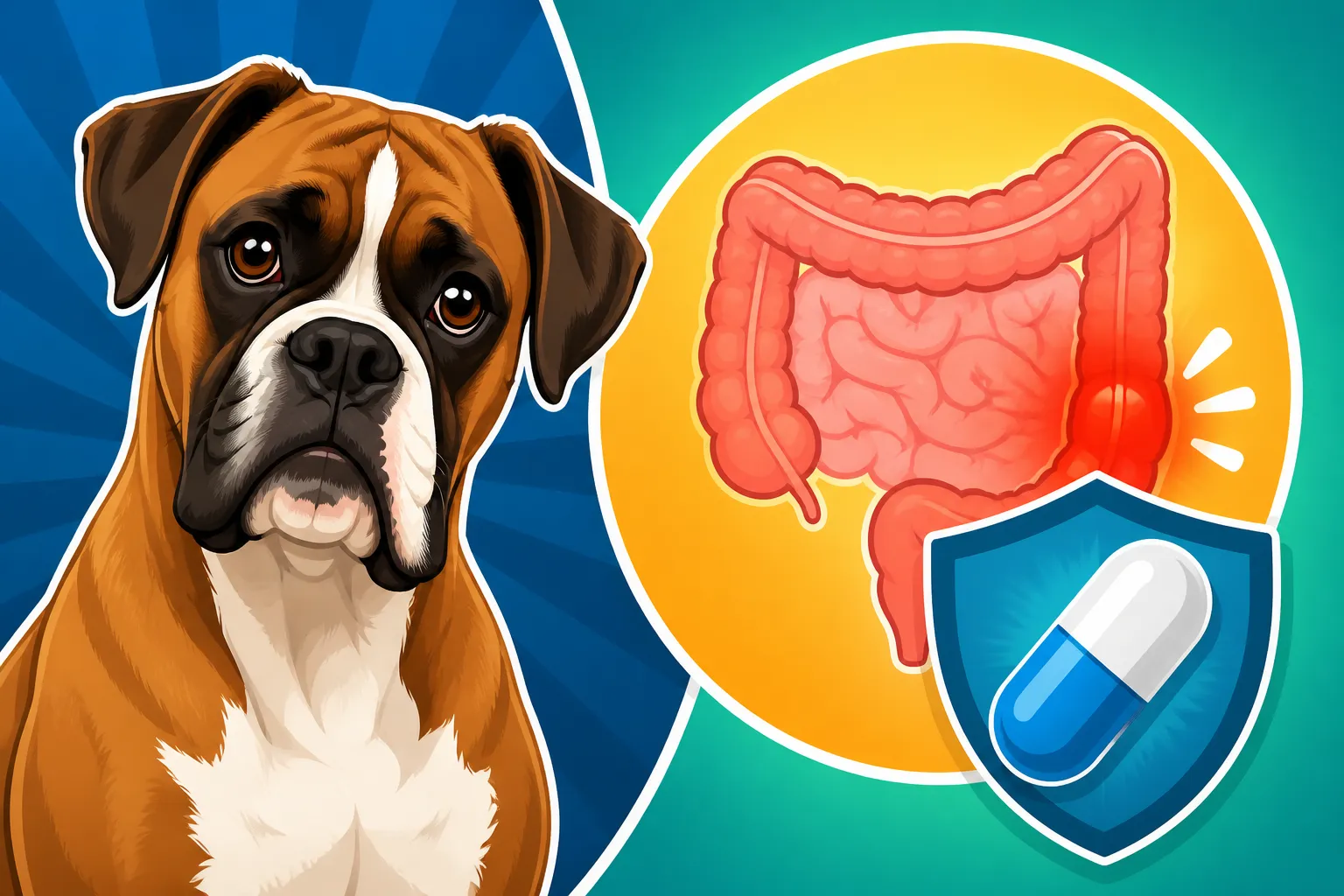
It’s truly disheartening when your beloved Boxer suddenly starts having bouts of diarrhea, often with that alarming bloody mucus, and despite your best efforts and various treatments, nothing seems to stick. This guide is here to shed light on a particular type of inflammatory bowel disease specific to our Boxers, aptly named Boxer colitis, and why one specific antibiotic, enrofloxacin, often proves to be the secret weapon in bringing relief to your furry friend and peace of mind back to your home.
Understanding Boxer Colitis: More Than Just a Tummy Ache
When your Boxer starts showing signs of an upset stomach, it’s natural to feel worried. But Boxer colitis isn't just a generic bout of diarrhea; it's a specific, often chronic inflammatory condition that primarily affects the colon, and it tends to hit our Boxers harder and differently than other breeds. It can be incredibly frustrating to diagnose because the symptoms can mimic so many other gastrointestinal issues.
What Makes Boxer Colitis Unique
Boxer colitis, also known as granulomatous colitis or histiocytic ulcerative colitis (HUC), is a nasty little condition that sets our Boxers apart. Unlike many other forms of colitis, which might be triggered by diet, stress, or parasites, Boxer colitis has a strong genetic predisposition and a very specific bacterial culprit. It's an inflammatory disease where certain immune cells, called macrophages, infiltrate the lining of the colon, causing significant inflammation, thickening of the colon wall, and ulceration. This isn't just an inconvenience; it's a serious condition that can lead to weight loss, anemia, and a severely compromised quality of life for your Boxer if not properly managed. It's often seen in younger Boxers, typically under the age of two, which can be even more distressing as you’re navigating puppyhood and early adulthood. You might find yourself wondering about topics like The Age Boxer Colitis Usually Starts.
Symptoms and Initial Diagnosis Frustrations
The signs of Boxer colitis are, unfortunately, pretty unmistakable once they start. You'll likely see frequent, urgent bowel movements, often with straining. The stools themselves are typically soft, mucoid, and frequently contain fresh blood or dark, tarry blood (melena) if the bleeding is higher up in the digestive tract, though with colitis, it's usually bright red. Your Boxer might also lose weight, have a poor appetite, and just generally seem lethargic or uncomfortable.
The frustration for many owners, and even some vets, comes from the fact that these symptoms aren't unique to Boxer colitis. They can point to parasites, food intolerances, bacterial overgrowth, or even stress. You might go through rounds of different dewormers, dietary changes, and general antibiotics without seeing any lasting improvement. It's a journey of trial and error that can drain both your wallet and your emotional reserves, leaving you feeling helpless as your vibrant Boxer struggles. It’s particularly common to see Bloody Mucus in a Young Boxer's Stool with this condition.
Differentiating from General Diarrhea
So, how do you tell if it’s just a run-of-the-mill case of loose stools or something more serious like Boxer colitis? The key lies in the persistence and the specific characteristics of the stool. Regular diarrhea often resolves within a few days with bland food, maybe some probiotics, or a general course of antibiotics. It might be triggered by a sudden diet change or scavenging something inappropriate.
Boxer colitis, on the other hand, is chronic and relapsing. It’s not just a single episode. The bloody, mucoid stools, coupled with straining and urgency, are a consistent feature. Your dog might seem to get better for a day or two, only for the symptoms to return with a vengeance. If you've tried the usual remedies and nothing sticks, especially if you have a young Boxer, then it’s time to push for a more targeted diagnostic approach. This means ruling out things like Giardia, other intestinal parasites, and food sensitivities before landing on a suspected colitis diagnosis. Understanding Telling Boxer Colitis From Ordinary Diarrhea is crucial for effective treatment.
The Role of E. coli in Boxer Colitis
This specific, frustrating condition in our Boxers isn't just some vague inflammation; it's intricately linked to a particular bacterial villain: an invasive strain of Escherichia coli, or E. coli. This isn't the same E. coli that causes food poisoning in humans; this is a stealthier, more aggressive type that has learned to evade the usual defenses.
The Invasive Nature of Specific E. coli Strains
For the longest time, the exact cause of Boxer colitis was a bit of a mystery. We knew it was inflammatory, but what was triggering it? Research, particularly by geneticists and veterinary pathologists, has pinpointed specific strains of E. coli that are highly invasive. These aren't just passing through the gut; they're actively penetrating the mucosal lining of the colon. Imagine tiny, microscopic invaders burrowing into the walls of your Boxer's intestine. This invasion triggers a severe, chronic inflammatory response where the body's immune system, instead of clearing the bacteria, creates a granulomatous reaction – a type of inflammation characterized by macrophages trying to wall off the infection, which ironically makes the inflammation worse and damages the tissue further. This is why other antibiotics often fail; they might kill off surface bacteria, but they can't reach the ones hidden deep within the cells.
How E. coli Damages the Colon Lining
Once these invasive E. coli strains get inside the cells that line the colon, they wreak havoc. They multiply, causing cellular damage and triggering the immune system to overreact. This constant battle leads to the thickening, ulceration, and inflammation that characterize Boxer colitis. The colon lining becomes compromised, meaning it can't absorb water and nutrients properly, leading to the chronic diarrhea and weight loss we see. The presence of blood and mucus in the stool is a direct result of this severe inflammation and damage to the delicate colon wall. It’s a vicious cycle where the bacteria hide, the immune system overreacts, and the colon pays the price. Understanding Why E Coli Sits Inside a Boxer's Colon Wall is key to grasping why conventional treatments often fail.
Why Other Bacteria Are Less of a Concern
Many general broad-spectrum antibiotics are effective against common gut bacteria that might cause transient diarrhea or bacterial overgrowth. However, these antibiotics often don't have the specific properties needed to penetrate host cells and target intracellular E. coli. They might reduce the bacterial load on the surface of the gut, leading to a temporary improvement, but they don't eradicate the invasive strains that are causing the deep-seated inflammation.
Think of it like trying to clear weeds from your garden by just mowing the lawn. It looks better for a bit, but the roots are still there, ready to grow back. With Boxer colitis, because the problem is specific invasive E. coli residing within the colon cells, a different approach is needed. This is where enrofloxacin truly shines, as we'll explore next.
Enrofloxacin: The Game-Changer for Boxer Colitis
If you've been on a long, frustrating journey trying to manage your Boxer's chronic colitis, hearing about an antibiotic that actually works can feel like a ray of sunshine. For Boxer colitis, that game-changer is often enrofloxacin, a fluoroquinolone antibiotic. Its unique mechanism of action makes it particularly effective against those sneaky, invasive E. coli strains.
The Broad-Spectrum Power of Fluoroquinolones
Enrofloxacin belongs to a class of antibiotics called fluoroquinolones. These are synthetic, broad-spectrum antibiotics that are highly effective against a wide range of bacteria, including many gram-negative and gram-positive organisms. What makes them so powerful is their ability to inhibit bacterial DNA gyrase and topoisomerase IV, enzymes that are essential for bacterial DNA replication, transcription, repair, and recombination. Essentially, they stop bacteria from being able to copy their genetic material, which means the bacteria can't reproduce and ultimately die.
While they are broad-spectrum, their real advantage in Boxer colitis isn't just what they kill, but how they kill it and where they can go. They are well-absorbed orally and distribute widely throughout the body, including into tissues and cells where other antibiotics might struggle to reach.
How Enrofloxacin Targets Intracellular Bacteria
This is the crucial part. Remember those invasive E. coli strains that burrow inside the colon lining cells? Most antibiotics are primarily effective against bacteria floating freely in the bloodstream or on tissue surfaces. They can't easily get inside the host cells to tackle intracellular infections. Enrofloxacin, however, has excellent intracellular penetration. It can get inside macrophages and other host cells, directly targeting the hidden E. coli that are causing all the trouble. This is why it’s so effective when other antibiotics fail; it’s hitting the enemy where it lives, not just where it’s visible.
Because enrofloxacin specifically targets these intracellular bacteria, it can break the cycle of inflammation. By eradicating the root cause, the colon can finally begin to heal, and the severe inflammatory response can subside. This targeted action is what makes it uniquely suited for treating the underlying pathology of Boxer colitis. Your vet might specifically mention Enrofloxacin for a Boxer With Colitis as the primary treatment.
Why Other Common Antibiotics Fall Short
Many other antibiotics commonly used for gastrointestinal upset, like metronidazole or tylosin, work well for general bacterial overgrowth or inflammation, but they don't have the same intracellular penetrative power as enrofloxacin.
- Metronidazole: This is an excellent antibiotic for anaerobic bacteria and also has anti-inflammatory properties, making it useful for general colitis. However, it doesn't effectively penetrate cells to clear invasive E. coli. It might offer temporary relief by reducing general gut inflammation or secondary bacterial overgrowth, but the core problem remains.
- Tylosin: Often used for chronic diarrhea, tylosin is also good for gut bacterial imbalances. Similar to metronidazole, it doesn't target intracellular pathogens effectively.
The table below illustrates the key differences in how some common antibiotics interact with the specific challenge of Boxer colitis:
| Antibiotic Class | Example | Primary Action | Intracellular Penetration | Efficacy for Invasive E. coli |
|---|---|---|---|---|
| Fluoroquinolones | Enrofloxacin | Inhibits bacterial DNA replication | Excellent | High |
| Nitroimidazoles | Metronidazole | Disrupts bacterial DNA synthesis (anaerobes) | Limited | Low |
| Macrolides | Tylosin | Inhibits bacterial protein synthesis | Limited | Low |
| Penicillins | Amoxicillin | Disrupts bacterial cell wall synthesis | Minimal | Low |
This unique ability of enrofloxacin to get inside the cells is the reason it often achieves remarkable, lasting results where other broad-spectrum antibiotics simply can't.
Administering Enrofloxacin and Monitoring Progress
Once your vet has pinpointed Boxer colitis and prescribed enrofloxacin, proper administration and diligent monitoring are crucial. It's not just about giving the pill; it's about understanding the course of treatment, potential challenges, and what to expect on the road to recovery.
Dosage, Duration, and Potential Side Effects
Enrofloxacin is typically given orally, once or twice a day, usually as a tablet. The exact dosage will be determined by your veterinarian based on your Boxer's weight and the severity of the condition. It's incredibly important to follow your vet's instructions to the letter. This isn't an antibiotic you want to under-dose or stop prematurely, as that can lead to bacterial resistance or a relapse. The duration of treatment is usually longer than for a typical infection, often extending for several weeks, sometimes even months, to ensure complete eradication of the intracellular E. coli.
While generally safe, enrofloxacin can have side effects. Gastrointestinal upset (vomiting, diarrhea – ironically, though it’s also the cure!), lethargy, and loss of appetite are possible. More serious, though rare, side effects can include damage to cartilage in growing puppies (which is why its use in very young Boxers is carefully considered, though often necessary for HUC) and neurological symptoms like seizures in susceptible individuals. Always give enrofloxacin with food to minimize stomach upset. If you notice any concerning side effects, contact your vet immediately.
What to Expect During and After Treatment
You should start to see improvement in your Boxer’s symptoms within a few days to a week of starting enrofloxacin. The frequency of bowel movements should decrease, the stools should become more formed, and the presence of blood and mucus should diminish. It’s a huge relief to see these changes after weeks or months of struggle.
However, it’s not always a straight line to recovery. Some Boxers might have minor fluctuations. The key is consistent, steady improvement. After the initial course, your vet might recommend a gradual tapering of the dosage rather than an abrupt stop, or they might continue at a lower maintenance dose for a period. This strategy helps prevent relapse and ensures any remaining bacteria are fully eliminated. Regular follow-up appointments, including stool sample rechecks, will be important to confirm the treatment's success. It’s common for vets to check in on Whether Boxer Colitis Comes Back after treatment.
The Importance of a Full Course
This cannot be stressed enough: complete the entire course of enrofloxacin as prescribed by your vet, even if your Boxer seems completely better. Stopping early is one of the biggest reasons for treatment failure and the development of antibiotic resistance. When you stop early, you might kill off the weaker bacteria, but the tougher, more resilient ones survive, leading to a relapse that can be even harder to treat. Those hidden intracellular E. coli need ample time for the antibiotic to reach and eliminate them all.
Think of it as clearing out a stubborn infestation. You don't just spray once and leave; you follow the full protocol to ensure every last pest is gone. The same applies to those persistent E. coli. Sticking with the full course is an investment in your Boxer’s long-term health and can save you from repeated vet visits and frustration down the line. Remember, proper treatment for chronic conditions can be costly, and a good pet insurance plan, like one from Healthy Paws, can really make a difference in covering these essential, long-term medications.
Beyond Antibiotics: Long-term Management of Boxer Colitis
While enrofloxacin is often the hero in treating Boxer colitis, it's not usually a magic bullet that fixes everything forever. Long-term management is crucial, even after the initial successful antibiotic course, to prevent relapses and support overall gut health. This involves a multi-faceted approach, primarily focusing on diet and gut support.
Dietary Adjustments for a Sensitive Gut
Diet plays an absolutely critical role in managing Boxer colitis, both during and after antibiotic treatment. Many Boxers with this condition have incredibly sensitive guts, and certain ingredients can trigger inflammation or irritate the healing colon.
- Novel Protein Diets: Often, vets will recommend a novel protein diet. This means switching to a protein source your Boxer hasn't eaten before, like duck, venison, or rabbit, which can help reduce allergic or inflammatory reactions.
- Hydrolyzed Protein Diets: Another option is a hydrolyzed protein diet, where the protein molecules are broken down into such small pieces that the immune system doesn't recognize them as allergens. Brands like Royal Canin and Purina have excellent prescription hydrolyzed protein options.
- High Fiber, Low Fat: Some Boxers do better on diets with a moderate increase in fiber, which can help regulate bowel movements and support healthy gut flora. Low-fat diets can also be beneficial as fat can sometimes exacerbate GI upset.
- Wet Food vs. Dry Food: For some, a transition to wet food or rehydrated freeze-dried raw food can be gentler on the digestive system than kibble.
Finding the right diet is often a process of trial and error, working closely with your vet. It's not uncommon for owners to continue with a prescription diet for the long haul to keep symptoms at bay. This is part of what it means to truly understand Diet Changes for a Boxer With Colitis.
Probiotics and Prebiotics: Supporting Gut Health
Even with the specific bacterial eradication by enrofloxacin, the gut microbiome of a Boxer with colitis is often out of balance. This is where probiotics and prebiotics come in.
- Probiotics: These are live beneficial bacteria that can help repopulate the gut with healthy flora, aiding digestion, immune function, and overall gut integrity. Look for veterinary-specific probiotic strains, like Enterococcus faecium (often found in products like FortiFlora or Proviable-DC), which have research supporting their use in dogs. Administering probiotics, especially after a course of antibiotics, can be very beneficial, as discussed in Probiotics for a Boxer After Antibiotics.
- Prebiotics: These are non-digestible fiber compounds that act as food for the beneficial bacteria in the gut, helping them to thrive. Ingredients like FOS (fructooligosaccharides) and inulin are common prebiotics found in many gut support supplements.
Integrating a high-quality probiotic and potentially a prebiotic supplement into your Boxer’s daily routine can be a cornerstone of long-term management, helping to maintain a healthy gut environment and ward off future flare-ups. Regular use of these supplements can strengthen your Boxer's digestive resilience.
Managing Recurrences and Flare-ups
Despite the best long-term management, Boxers with a history of colitis can sometimes experience recurrences or flare-ups. It’s important not to panic if this happens.
- Early Intervention: At the first sign of recurring symptoms (loose stools, mucus, straining), contact your vet. Sometimes a short course of enrofloxacin or other supportive medications might be needed to get things back under control.
- Identify Triggers: Try to identify any potential triggers for the flare-up. Was there a recent dietary indiscretion? A change in routine? A stressful event? Keeping a detailed log of your Boxer’s symptoms, diet, and events can help you pinpoint patterns.
- Environmental Management: Stress can play a role in gut health. Ensuring your Boxer has a stable, predictable routine, adequate exercise, and a calm environment can also contribute to overall well-being and reduce the likelihood of flare-ups.
Long-term management is a partnership between you and your vet. It requires patience, observation, and consistency. While the upfront costs for diagnosis and initial treatment can be significant, having pet insurance like Healthy Paws can help cover recurring vet visits, prescription diets, and medications needed for ongoing management, making this chronic condition more manageable financially. Investing in their health early on can make a world of difference.
When Treatment Doesn't Work: Exploring Other Possibilities
It's a tough pill to swallow when you've done everything right—followed the antibiotic protocol, managed the diet, given supplements—and your Boxer's colitis symptoms just don't fully resolve, or they keep coming back with a vengeance. When enrofloxacin doesn't provide the expected, lasting relief, it's time to dig deeper and consider other underlying issues.
Ruling Out Other Gastrointestinal Issues
The first step when enrofloxacin isn't working as hoped is to re-evaluate the initial diagnosis. Could it be something else entirely?
- Parasites: Even if initial stool samples were clear, some parasites, like Giardia or whipworms, can be notoriously difficult to detect and require multiple tests or specific deworming protocols. A re-test or empirical treatment for these might be warranted.
- Food Allergies/Intolerances: While often addressed with novel or hydrolyzed protein diets, some Boxers have extremely severe food sensitivities that require strict elimination diets or even home-cooked, limited-ingredient meals to truly identify the culprit. Sometimes, it's not just the protein but a specific carbohydrate or additive.
- Other Inflammatory Bowel Disease (IBD): While Boxer colitis is a specific form of IBD, other types of IBD can affect Boxers and might require different medications, such as immunosuppressants (like prednisone) if the inflammation is not solely driven by E. coli.
- Exocrine Pancreatic Insufficiency (EPI): Although less common for colitis-like symptoms, EPI can cause chronic diarrhea and weight loss due to the pancreas not producing enough digestive enzymes. A TLI test can rule this out.
- Cancer: In older Boxers, gastrointestinal lymphoma or other forms of cancer can mimic colitis symptoms. While less common in the young Boxers typically affected by HUC, it’s a consideration in persistent cases, especially if a Boxer is older.
Revisiting these possibilities with your veterinarian is crucial to ensure you're not missing a different underlying cause.
The Need for Advanced Diagnostics
If initial treatments and ruling out common issues haven't yielded results, your vet might recommend more advanced diagnostic procedures.
- Colonoscopy with Biopsy: This is often the gold standard for definitively diagnosing Boxer colitis and differentiating it from other forms of IBD or cancer. Under general anesthesia, a flexible scope is inserted into the colon, allowing the vet to visually inspect the colon lining and take tissue samples (biopsies). These biopsies are then sent to a veterinary pathologist who can examine them under a microscope for the characteristic inflammatory changes and identify the intracellular E. coli. This process is often detailed in discussions about Diagnosing Boxer Colitis by Biopsy.
- Culture and Sensitivity Testing: If E. coli is suspected but enrofloxacin isn't working, a biopsy can also be cultured to identify the specific bacterial strain and perform sensitivity testing to determine which antibiotics it is susceptible to. This can guide treatment if resistance is a concern.
- Advanced Imaging: In some cases, abdominal ultrasound or even a CT scan might be recommended to evaluate the thickness of the intestinal walls and rule out masses or other structural abnormalities.
These advanced tests can be expensive, but they provide invaluable information that can finally lead to an accurate diagnosis and effective treatment plan. It’s another area where a comprehensive pet insurance plan, such as one from Healthy Paws, can be incredibly beneficial, helping to mitigate the financial stress of these critical diagnostic steps.
Considering Referral to a Specialist
When you've hit a wall and your Boxer continues to suffer, a referral to a veterinary internal medicine specialist is often the best next step. These specialists have advanced training and experience in diagnosing and treating complex internal diseases, including challenging cases of chronic gastrointestinal issues.
- Specialized Expertise: An internist might have access to more specialized diagnostic tools or a deeper understanding of rare or complex conditions that a general practitioner might not encounter regularly. They can also offer alternative treatment protocols or combinations of medications.
- Fresh Perspective: A fresh pair of highly trained eyes can sometimes spot something that was overlooked, or interpret diagnostic results in a new light.
- Advanced Treatment Options: If Boxer colitis turns out to be a particularly stubborn or atypical case, a specialist might recommend novel therapies, combination treatments, or even experimental approaches if appropriate.
Don't feel like you're giving up on your regular vet by seeking a specialist's opinion. Good veterinarians often encourage referrals when a case becomes particularly challenging, knowing that the best outcome for your Boxer is the priority. It's about getting the most knowledgeable and experienced team on your side to fight for your furry family member's health.
Disclaimer
The information provided in this article is for educational and informational purposes only and does not constitute veterinary medical advice. Always consult with a qualified veterinarian for any health concerns or before making any decisions related to your Boxer's health and treatment.