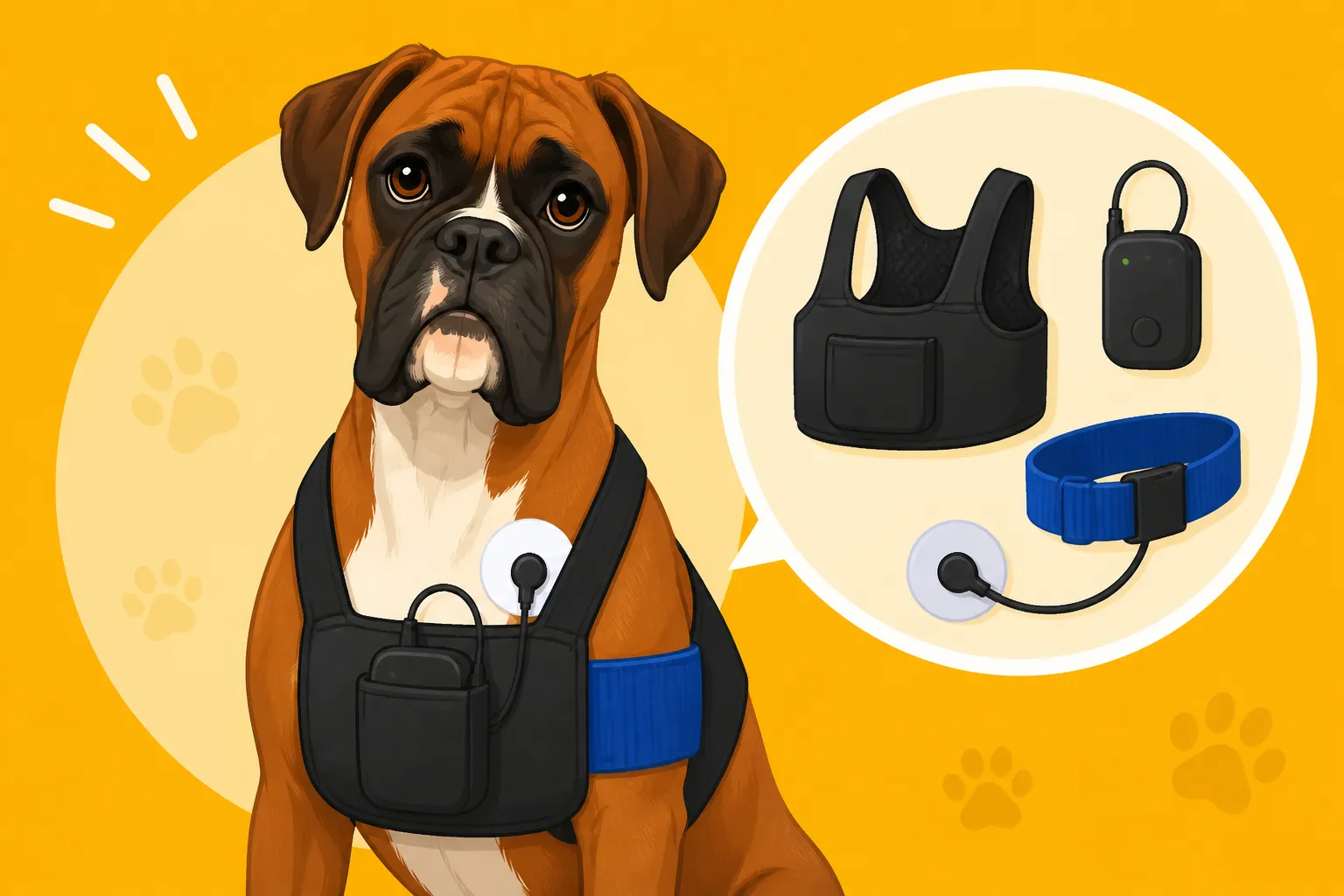
What a Boxer Wears During a Holter Day
It can be incredibly nerve-wracking when your beloved Boxer needs a Holter monitor. The thought of your typically energetic, sometimes goofy, dog having to wear a piece of medical equipment for a full 24 hours often brings up anxieties about their comfort, their safety, and whether you'll even manage to get accurate readings. This guide is here to walk you through exactly what your Boxer will wear during a Holter day, what to expect, and how to make the entire process as smooth and stress-free as possible for both of you.
Understanding the Holter Monitor: More Than Just a Vest
Before we dive into the specifics of what your Boxer will be wearing, let's get a clear picture of what a Holter monitor actually is and why it's such a vital tool for our deep-chested, heart-prone companions. It’s not just a fancy gadget; it’s a window into your Boxer’s heart rhythm over an extended period, catching things a regular vet visit might miss.
What Exactly is a Holter Monitor for a Boxer?
At its core, a Holter monitor is a portable, battery-operated electrocardiogram (ECG) device. Unlike a quick ECG performed at the vet's office, which captures only a snapshot of your dog's heart activity at that exact moment, the Holter monitor records every single heartbeat over a full 24-hour period, sometimes even longer if your vet requests. For Boxers, this is particularly crucial because they are unfortunately predisposed to a genetic heart condition known as Arrhythmogenic Right Ventricular Cardiomyopathy (ARVC), also sometimes called Boxer Cardiomyopathy. This condition causes irregular heartbeats, or arrhythmias, which can be intermittent and may not show up during a brief clinical examination.
The device itself is usually quite small, often about the size of a small cell phone or a deck of cards. It has several wires that connect to electrodes, which are then attached to specific points on your Boxer’s chest. These electrodes pick up the electrical signals from the heart, and the monitor records them, storing a massive amount of data that a veterinary cardiologist can then analyze. This continuous recording helps catch those elusive arrhythmias that might only happen during sleep, excitement, or specific activity levels.
Why Your Boxer Might Need a Holter Day
There are a few key reasons why your vet or a specialist might recommend a Holter monitor for your Boxer. The most common scenario involves screening for ARVC, especially if you have a Boxer from a breeding line known for the condition, or as part of routine health checks. Many responsible breeders, and indeed the breed standard recommendations, suggest that Boxers begin annual Holter monitoring around three years of age, as this is often when the first signs of ARVC can manifest. Getting a baseline reading early can be incredibly helpful for future comparisons.
Another major reason is if your Boxer has shown symptoms suggestive of a heart problem. Have you noticed your Boxer having Fainting Episodes in a Boxer, or perhaps A Boxer That Collapses After Exercise? These sudden events are incredibly scary and are often a sign that the heart isn't pumping blood effectively, leading to a temporary lack of oxygen to the brain. A Holter monitor can capture the exact heart rhythm that leads to these collapses, providing critical information for diagnosis and treatment. Similarly, if a vet has heard a suspicious Heart Murmur in a Boxer Puppy that persisted, or if there's any other concern about an irregular heartbeat, a Holter study offers the most comprehensive diagnostic picture available. Understanding What Boxer ARVC Actually Does to the Heart is key to appreciating the monitor's role.
The Importance of Accurate Data Collection
Think of the Holter monitor as a detective. It needs all the clues to solve the mystery of your Boxer's heart health. For the monitor to work effectively, the electrodes need to maintain good contact with the skin, and the wires need to stay connected and undisturbed. If the equipment is jostled, chewed, or otherwise interfered with, the data can become "noisy" or incomplete, making it difficult for the cardiologist to interpret. This means lost time, potential misdiagnosis, and possibly having to repeat the whole process—which nobody wants.
Your veterinarian or a veterinary cardiologist will explain how vital it is to protect the equipment and keep the electrodes firmly in place throughout the 24-hour period. This is where the specialized vest and careful management come in. The goal is to allow your Boxer to have as normal a day as possible, while ensuring the monitor is doing its job accurately and reliably. This comprehensive data allows the vet to precisely count the PVCs on a Boxer's Holter result and develop a tailored treatment plan, if necessary.
The Holter Vest: Comfort and Security for Your Boxer
The most visible part of the Holter monitoring process is the specialized vest your Boxer will wear. This isn't just any old dog vest; it's designed with a specific purpose: to hold the delicate Holter monitor securely and comfortably against your Boxer's body while protecting the wires and electrodes.
Design and Materials of a Typical Holter Vest
Most Holter vests are custom-designed or modified to fit a dog's anatomy, particularly the unique shape of a Boxer. They typically resemble a snug-fitting harness or a small dog coat, covering the chest and often extending along the back. The materials are usually soft, breathable fabrics like cotton or a stretchable athletic fabric, chosen to minimize skin irritation during 24 hours of wear. You want something that won't chafe.
The vest often has a pocket or pouch built into the side or on the back to hold the Holter monitor itself. This keeps the device safe from impacts and curious nudges. Straps and buckles, usually Velcro or plastic clips, allow for a snug, yet comfortable, fit. It's designed to be difficult for your Boxer to remove or chew on, while still allowing for freedom of movement for their usual activities. Some vests might be a simple band around the chest, while others are more elaborate, covering a larger area to protect more of the wiring. The exact style can vary between veterinary practices, but the principle remains the same: secure the device, protect the connections, and keep your dog comfortable.
Securing the Electrodes
This is arguably the most critical step in applying the Holter monitor. The electrodes are the small sensors that pick up the heart's electrical activity. To ensure good contact and accurate readings, the technician will usually shave small patches of fur (about the size of a quarter or fifty-cent piece) at specific points on your Boxer’s chest, usually three to four spots. This might sound a little drastic, but it's essential. Fur acts as an insulator and can prevent the electrodes from making proper contact with the skin.
After shaving, a mild abrasive might be used to gently prepare the skin, and then a conductive gel is applied to each electrode. The electrodes are then stuck onto the prepared skin, often with strong medical adhesive or special electrode stickers. Once in place, they are usually secured with additional medical tape or cohesive bandage to prevent them from coming loose, especially with an active dog like a Boxer. This meticulous process ensures that the electrical signals from the heart are transmitted clearly to the monitor. Without proper electrode placement and secure attachment, even the best Holter device won't provide useful data.
Boxer-Specific Fit Challenges
Boxers, with their distinctive deep chests, powerful musculature, and sometimes sensitive skin, present unique fitting challenges for a Holter vest. Their broad shoulders and deep keels mean that a standard vest might not sit right, potentially causing rubbing or shifting. The vest needs to be snug enough to prevent the monitor from swinging or slipping, but not so tight that it restricts breathing or movement, or causes discomfort.
Technicians are experienced in fitting these devices to Boxers. They'll pay close attention to areas prone to rubbing, like the armpits and behind the elbows. Sometimes, extra padding or a specific vest design is chosen to accommodate a Boxer's build. For their short, fine coat, choosing a breathable fabric is important to prevent skin irritation. Some Boxers can be quite dramatic about new sensations, so the vet staff will often spend time ensuring the vest feels okay before sending you home. This careful fitting is essential to avoid discomfort and ensure your Boxer doesn't try to chew off the unfamiliar equipment.
Beyond the Vest: Accessories and Daily Management
While the vest is the main item your Boxer wears, managing a Holter day involves more than just putting it on. There are other considerations and practical steps to take to ensure the monitoring is successful.
Additional Taping and Bandaging
Once the electrodes are placed and the vest is on, there might be additional layers of taping or bandaging. This is usually done to further secure any loose wires, prevent your Boxer from getting their teeth on the leads, or protect the shaved skin patches. Veterinary staff often use flexible, self-adhesive bandages or medical tape that’s strong enough to stay put but gentle on the skin. Sometimes, a "full body wrap" might be used, a soft, stretchy bandage that covers the entire chest and wraps around the belly, providing an extra layer of protection for the electrodes and wires underneath the vest.
The primary concern here is preventing your Boxer from chewing. A bored or curious Boxer can inflict significant damage on expensive medical equipment in a matter of minutes. The taping provides a physical barrier and makes it harder for them to reach the tempting wires. It also minimizes snagging on furniture or during play, which could pull an electrode loose. You might even be sent home with a soft cone or inflatable collar if your Boxer is particularly adept at getting to things they shouldn't.
Protecting the Equipment from a Playful Boxer
Boxers are renowned for their playful, often clumsy, nature. Keeping delicate electronics safe from a "Boxer Zoomie" or an impromptu wrestling match with a housemate is a real concern. This is where active supervision comes into play. You'll need to monitor your Boxer closely throughout the 24-hour period.
Consider adjusting your Boxer's activity level slightly. While they shouldn't be confined to a crate all day, high-impact activities, rough play with other dogs, or long, strenuous runs might need to be put on hold. Gentle walks, puzzle toys, and quiet indoor playtime are generally fine. If you have other pets, especially other Boxers, you might need to temporarily separate them to prevent them from accidentally dislodging the monitor during play. Some owners find that a designated "quiet zone" in the house helps. Should any accidental damage occur, or if your Boxer needs unexpected veterinary attention due to trying to remove the monitor, having comprehensive pet insurance like Healthy Paws can be a huge relief, helping to cover those unforeseen costs. Remember, the monitor is sensitive and expensive, so prevention is key.
Maintaining Comfort During the Monitoring Period
Your Boxer's comfort is paramount. A stressed or uncomfortable dog will likely try to remove the vest, which defeats the purpose of the monitoring. Throughout the day, periodically check the vest and electrode sites for any signs of discomfort. Look for excessive licking, scratching, or rubbing at the area. Gently lift the vest to check the skin for redness, irritation, or swelling. If you notice any issues, contact your vet immediately.
Ensure the vest isn't too tight, causing restriction, or too loose, allowing it to shift. Keep the area around the vest clean, especially if your Boxer is prone to drooling or gets messy during meals. While bathing is obviously out, a gentle wipe with a damp cloth around the edges of the vest might be okay, if advised by your vet. Make sure your Boxer has a comfortable, soft place to lie down, just as they normally would. The idea is to make the Holter day as normal and stress-free as possible, reducing the chances of them interfering with the equipment. If you need tips on Keeping a Boxer Calm During Recovery or during new situations, there are many resources available.
Living a (Mostly) Normal Day with the Holter Monitor
The goal of a Holter monitor is to record your Boxer's heart rhythm during their typical daily activities. This means they shouldn't be kept entirely still or isolated. You want to capture a realistic picture of their heart function during moments of excitement, rest, and routine.
Activity Levels and What's Allowed
Your vet will give you specific instructions on activity levels, but generally, normal daily activities are encouraged. This includes your usual walks around the neighborhood (perhaps on a leash to prevent wild chases), potty breaks in the yard, and gentle playtime indoors. You want to avoid anything that could excessively jostle the equipment or pull on the wires. This means no swimming, no rough-and-tumble play with other dogs or children, and no intense running or agility training. The aim is to replicate an ordinary day, not an extraordinary one, while minimizing risks to the equipment.
If your Boxer typically gets intense exercise, you might need to modify it slightly. Instead of a full-speed fetch session, maybe a series of short, controlled retrieves. If they usually go to doggy daycare, that might be off the table for the monitoring day. The ideal scenario is a typical weekday or weekend, depending on when your Boxer’s schedule is most representative. The results can help determine appropriate Exercise After a Boxer ARVC Diagnosis, so realistic activity during monitoring is important.
Recording Your Boxer's Activities
One of the most crucial parts of a Holter day for you, the owner, is keeping a detailed log. Your vet will provide a log sheet, and it’s your job to meticulously record your Boxer’s activities and any unusual events. This includes:
- Meal times: What and when they ate.
- Walks and exercise: Duration and intensity.
- Play sessions: Type of play and who they were playing with.
- Rest periods: When they were sleeping or just relaxing.
- Excitement or stress: Visitors arriving, a squirrel sighting, a car ride.
- Any symptoms: A cough, a stumble, a collapse, an episode of weakness.
The more detailed your log, the better. When the cardiologist reviews the Holter data, they can cross-reference specific heart rhythms with your Boxer's activities at that exact time. For example, if your Boxer had a run of PVCs at 2:17 PM, and your log shows "UPS truck arrived, barking frenzy" at 2:15 PM, that’s incredibly valuable information. This correlation helps determine if certain activities or stressors trigger arrhythmias. Don't worry too much about perfect prose; short, factual notes are what's needed. This data is vital for accurate diagnosis and treatment planning, and often plays a role in what a specialist might recommend. For these specialist consultations, which can be costly, knowing that your pet insurance, like Healthy Paws, offers coverage for such diagnostic procedures can provide significant peace of mind.
Troubleshooting Common Issues
Even with the best preparation, things can happen during a Holter day. Knowing how to troubleshoot common issues can save the monitoring session.
Loose Electrodes: If an electrode comes loose, you might see it dangling, or your Boxer might paw at it. If you’ve been given extra medical tape, you might be able to gently re-secure it. However, if the entire electrode has fallen off, or if you can't get good contact, you'll need to call your vet. Do not try to re-shave or reapply conductive gel yourself unless specifically instructed by your vet.
Equipment Beeping or Malfunctioning: If the Holter monitor starts beeping constantly, flashing an error light, or otherwise seems to be malfunctioning, check the batteries (if accessible and you've been told how to do so) and ensure all wires are still securely plugged in. Immediately contact your vet. They might have a specific protocol or ask you to bring your Boxer in.
Skin Irritation: Despite best efforts, some Boxers with sensitive skin might develop redness or mild irritation where the electrodes or tape were. If it’s minor, your vet might advise leaving it. If it’s severe or causes significant discomfort, the monitor might need to be removed early. Post-monitoring, a soothing balm might be recommended for the shaved areas.
The most important rule for troubleshooting is: When in doubt, call your vet. They would much rather you call with a question than have an unsuccessful monitoring session or, worse, risk your Boxer’s safety or further damage to the equipment.
| Holter Day Checklist & Troubleshooting | Action Item / What to Do | What to Watch For / Troubleshooting |
|---|---|---|
| Before Placement | Discuss concerns with vet; trim nails; secure a comfortable travel setup. | Ensure Boxer is calm; ask about any pre-medication if highly anxious. |
| Electrode Placement | Allow vet tech to shave small patches and apply electrodes carefully. | Observe for excessive licking/scratching at sites during and after. |
| Vest Fitting | Ensure vest fits snugly but comfortably, covering electrodes/wires. | Check for rubbing, chafing, or signs of restricted movement. |
| Log Book Prep | Have the log sheet and a pen ready; understand what to record. | Missed entries, vague descriptions. Be specific with times and events. |
| Supervision | Keep your Boxer within sight, especially around other pets/children. | Chewing at wires, excessive pawing at vest, trying to pull off. |
| Activity Level | Encourage normal, gentle activity; avoid strenuous play/swimming. | Loose electrodes after activity; Boxer becoming overly stressed/tired. |
| Comfort Checks | Periodically check skin under vest for redness or irritation. | Constant scratching, whining, or attempts to remove the vest. |
| Feeding/Potty Breaks | Ensure access to food, water, and outdoor potty breaks as usual. | Vest getting wet or dirty; difficulty positioning for urination/defecation. |
| Monitor Malfunction | If monitor beeps continuously or shows error, call vet immediately. | Intermittent beeping (normal for some models) vs. error signals. |
| Post-Removal Care | Clean shaved areas gently; monitor skin for any lasting irritation. | Residual adhesive irritation; persistent scratching at shaved sites. |
Disclaimer
The information provided in this article is for general informational purposes only and is not a substitute for professional veterinary advice. Always consult with a qualified veterinarian or veterinary cardiologist regarding your Boxer's specific health condition, diagnosis, and treatment.