Boxer Eye Problems and Corneal Ulcers
There’s almost nothing more unsettling than waking up to find your beloved Boxer's eye looking red, cloudy, or causing them obvious pain. That sudden change can send a wave of panic through any dog owner, as you try to figure out what’s wrong and how quickly you need to act. This guide is here to walk you through the various eye problems common in Boxers, with a special focus on corneal ulcers, so you can recognize the signs, understand the causes, and know what steps to take to ensure your furry friend gets the care they need.
Why Boxer Eyes Are Prone to Issues: A Look at Their Unique Anatomy
Boxers are undeniably charming with their distinctive flat faces and expressive eyes, but these very traits, part of what makes them "brachycephalic" or short-nosed, also unfortunately predispose them to a range of eye health challenges. It’s a bit of a double-edged sword: that adorable face comes with some specific vulnerabilities that every Boxer owner needs to be aware of.
The Brachycephalic Predicament
Imagine living with eyes that are constantly a little more exposed to the world than they should be. That's often the reality for a Boxer. Their characteristic short muzzle means their eye sockets are shallower, causing their eyeballs to protrude more prominently. This isn't just a cosmetic feature; it significantly increases the risk of trauma from everyday activities. A quick dash through some bushes in the yard, a playful romp with another dog, or even just bumping into furniture can lead to scratches, pokes, and foreign bodies entering the eye more easily than in breeds with deeper-set eyes.
Beyond physical trauma, the very structure of their face can impact their tear film – that crucial layer of moisture that protects and lubricates the eye. The natural blink reflex might not spread tears as effectively across a more exposed surface, and sometimes the tear ducts themselves can be a bit compressed or angled differently. This can lead to tears evaporating too quickly or not covering the entire eye, leaving parts vulnerable to dryness and irritation, which can be a precursor to more serious issues like corneal ulcers.
Loose Eyelids and Entropion/Ectropion
Another anatomical quirk that can plague Boxers is related to their often loose facial skin and characteristic jowls. This can lead to conditions where the eyelids don't sit quite right.
- Entropion is when the eyelid, usually the lower one, rolls inward towards the eyeball. Think of it like a constant irritant: the eyelashes and the hair on the eyelid repeatedly rub against the delicate surface of the cornea. This isn't just annoying for your Boxer; it's painful and can cause chronic inflammation, excessive tearing, and, most critically, lead to corneal abrasions and ulcers. Imagine having a tiny brush constantly sweeping across your eye – that’s what your Boxer might be experiencing. It's a common cause of persistent eye discomfort and infection.
- Ectropion, on the other hand, is when the eyelid rolls outward, creating a droopy appearance. This leaves the conjunctiva (the pink lining of the eyelid) exposed to the elements. While less irritating than entropion, an ectropion can prevent the eyelid from fully closing, making the eye prone to dryness, dust, and foreign particles. It can also lead to chronic conjunctivitis (pink eye) and increase the risk of infection simply because the protective barrier isn't functioning properly. Both conditions often require surgical correction to prevent ongoing discomfort and potential damage.
Recognizing Common Boxer Eye Problems Beyond Ulcers
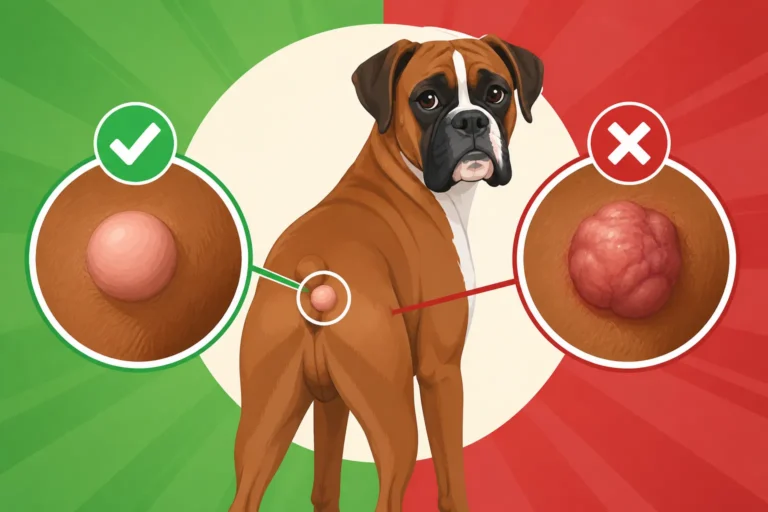
While corneal ulcers are a big concern, they're not the only eye issue a Boxer might face. Many other conditions can cause discomfort, impair vision, and, if left untreated, lead to serious complications. Knowing what to look for and understanding these conditions can help you get your Boxer the right help, fast. As you perform your regular Weekly Lump Checks on a Boxer, don't forget to include a thorough look at their eyes.
Cherry Eye and Eyelid Tumors
These are two distinct issues, but both involve abnormal growths or protrusions around the eye that can be quite alarming for an owner to discover.
- Cherry Eye: This is a condition that sounds quite benign but can look very dramatic. It happens when the gland of the third eyelid (also known as the nictitating membrane), which is usually tucked neatly out of sight in the inner corner of the eye, prolapses or "pops out." It appears as a bright red, fleshy mass, much like a small cherry, hence the name. This gland is crucial for tear production, contributing a significant portion of the eye's moisture. When it prolapses, it can become inflamed, dry, and irritated, and may interfere with the eyelid's ability to close properly. While it might look painful, dogs often don't show severe discomfort initially, but it can lead to dry eye if not treated. The usual treatment is a surgical procedure to tuck the gland back into its proper place, preserving its function. Leaving it untreated isn't just unsightly; it can compromise tear production and lead to chronic dry eye.
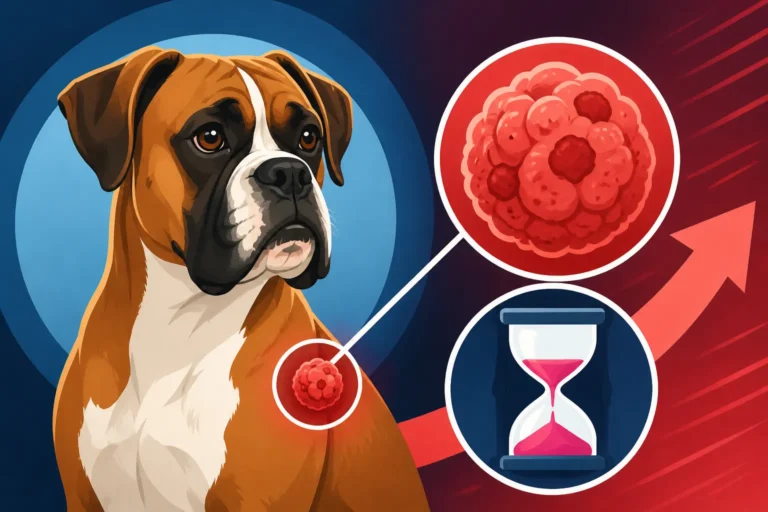
- Eyelid Tumors: Just like other parts of a Boxer's body are prone to various growths – you might be familiar with The Lumps a Boxer Owner Has to Check For – their eyelids can also develop tumors. These can be benign, like sebaceous adenomas, or more serious, such as mast cell tumors or melanomas. You might notice a small bump on the eyelid itself, or a change in the color or texture of the eyelid margin. These tumors can be problematic even if benign, as they can rub against the cornea, causing irritation, tearing, and potentially leading to corneal ulcers. Any new growth on your Boxer's eyelid should be examined by a vet, as early detection and removal are often key, especially for malignant types.
Dry Eye: Keratoconjunctivitis Sicca (KCS)
Dry eye, medically known as Keratoconjunctivitis Sicca (KCS), is essentially what it sounds like: a chronic condition where the eyes don't produce enough tears to keep them properly lubricated. While not as uniquely prevalent in Boxers as in some other breeds (like Cocker Spaniels or Westies), it can still occur and is worth understanding because of its potential to cause significant discomfort and damage.
The job of tears is not just to moisten the eye; they also deliver nutrients, wash away debris, and provide antibacterial protection. When tear production is insufficient, the eyes become dry, red, and irritated. You might notice a thick, yellowish, or greenish discharge, frequent blinking, or a dull, unhealthy appearance to the eyes. Over time, chronic dryness can lead to corneal changes, including pigmentation (darkening of the cornea), scarring, and even vision impairment. Diagnosing KCS involves a simple test called a Schirmer tear test, where a small strip of paper is placed in the lower eyelid for a minute to measure tear production. Treatment typically involves daily administration of immunosuppressant eye drops to stimulate tear production, along with artificial tears to provide relief and lubrication. It's often a lifelong condition requiring diligent management to keep your Boxer comfortable and preserve their vision.
Pigmentary Keratitis and Pannus
These are two separate but related chronic inflammatory conditions that can affect a Boxer's cornea, often leading to visual impairment if left unmanaged.
- Pigmentary Keratitis: This condition is characterized by the deposition of dark brown or black pigment on the surface of the cornea. It's usually a secondary response to chronic irritation or inflammation, and because Boxers have prominent eyes, they are more susceptible to this. The constant exposure, slight irritation from hair rubbing, or even underlying dry eye can trigger the cornea to deposit melanin (pigment) as a protective mechanism. Initially, it might appear as a small dot or smudge, but it can spread, eventually covering a significant portion of the cornea and blocking vision. While not painful in itself, the underlying cause usually is. Treatment focuses on identifying and resolving the primary irritant, which might include correcting entropion, managing KCS, or using anti-inflammatory eye drops to reduce the corneal response.
- Pannus (Chronic Superficial Keratitis): While more commonly associated with German Shepherds, pannus can affect any breed, including Boxers. It's an immune-mediated condition where the immune system attacks the cornea and sometimes the third eyelid. You'll see a pink, fleshy, vascularized growth starting from the outer corner of the eye and spreading across the cornea, often accompanied by pigmentation. It tends to be worse in sunny, high-altitude environments. Pannus is not painful, but the spreading tissue and pigment will progressively obscure vision. Diagnosis is usually made based on characteristic appearance and sometimes a corneal biopsy. Treatment is lifelong and involves potent anti-inflammatory eye drops, often corticosteroids or cyclosporine, to suppress the immune response and prevent progression. It requires consistent application, often several times a day, to keep the condition under control and maintain vision.
Deep Dive into Corneal Ulcers: The Boxer's Vulnerable Window
Among the various eye ailments that can afflict our Boxer companions, corneal ulcers are particularly concerning due to their potential for rapid deterioration and serious consequences. As a Boxer owner, understanding what a corneal ulcer is, how it's caused, and its various forms is critical for prompt action.
What Exactly is a Corneal Ulcer?
To understand a corneal ulcer, it helps to first know a little about the cornea itself. The cornea is the transparent, outermost layer of the eye, often described as the "window" of the eye. It's incredibly important for clear vision, and it’s remarkably tough, yet also very sensitive. It’s made up of several distinct layers: the outermost protective layer (epithelium), the thicker middle layer (stroma), and the innermost membrane (Descemet's membrane).
A corneal ulcer occurs when there's a defect or erosion of the outer epithelial layer of the cornea. Think of it like a scratch or an open wound on the surface of the eye. The severity of the ulcer depends on how deep this damage goes. A superficial ulcer only affects the epithelium, but if the damage penetrates deeper into the stroma, it becomes a deep ulcer, which is far more serious and carries a higher risk of rupture and permanent vision loss. Because the cornea is avascular (it has no blood vessels), it heals differently than skin, relying on tears and surrounding tissues for nutrients. This makes healing a delicate process, and any interruption can lead to complications.
Causes and Types of Ulcers Common in Boxers
Boxers, with their prominent eyes and playful nature, are unfortunately prime candidates for a variety of corneal ulcer types. It’s not always one big, obvious cause, but often a combination of factors.
- Trauma: This is perhaps the most straightforward cause. A scratch from a cat's claw, a poke from a sharp branch while exploring the backyard, rubbing their face on rough carpet, or even a foreign body like a speck of dirt or a grass seed getting lodged under an eyelid can all cause a sudden, acute ulcer. Boxers, being energetic and curious, often put themselves in situations where these minor traumas can occur.
- Foreign Bodies: Sometimes, something tiny gets stuck in the eye and continues to rub and irritate the cornea, creating an ulcer. This could be anything from a piece of plant material to an errant eyelash.
- Chemical Irritants: Exposure to irritating chemicals, like shampoo getting into the eyes during a bath or cleaning solutions, can also burn or damage the corneal surface.
- Infections: Bacteria, viruses, or fungi can all cause or complicate corneal ulcers. If a minor scratch gets infected, it can rapidly worsen into a serious, deep ulcer.
- Dry Eye (KCS): As mentioned earlier, insufficient tear production leaves the cornea vulnerable. Without adequate lubrication and protection, the corneal surface can become dry, brittle, and easily damaged, leading to ulcers.
- Eyelid Abnormalities: Conditions like entropion, where eyelashes constantly rub the eye, are a chronic source of irritation that can lead to recurrent ulcers.
- Indolent Ulcers (Spontaneous Chronic Corneal Epithelial Defects – SCCEDs, or "Boxer Ulcers"): This is a specific type of superficial ulcer that Boxers are famously predisposed to, hence the nickname. These ulcers are frustratingly slow to heal, often because the new epithelial cells trying to grow over the wound don't adhere properly to the underlying corneal layer. It's like trying to put a new layer of paint on a wall where the old paint is peeling – it just won't stick. This persistent non-healing is a hallmark of indolent ulcers, and they require very specific treatment approaches to encourage proper adhesion and healing. They can persist for weeks or even months if not treated correctly, causing chronic pain and discomfort.
Symptoms and Progression: Catching It Early
Recognizing the signs of a corneal ulcer early is paramount, as these conditions can worsen quickly. What starts as a minor irritation can become a serious, sight-threatening problem in a matter of hours or days.
Keep a close eye on your Boxer for any of the following symptoms:
- Squinting (Blepharospasm): This is often the first and most obvious sign of pain. Your Boxer will hold the affected eye partially or completely closed, trying to alleviate the discomfort.
- Excessive Tearing (Epiphora): The eye will produce a lot more tears than usual, often running down their face, which is the body's attempt to wash away the irritant or provide lubrication.
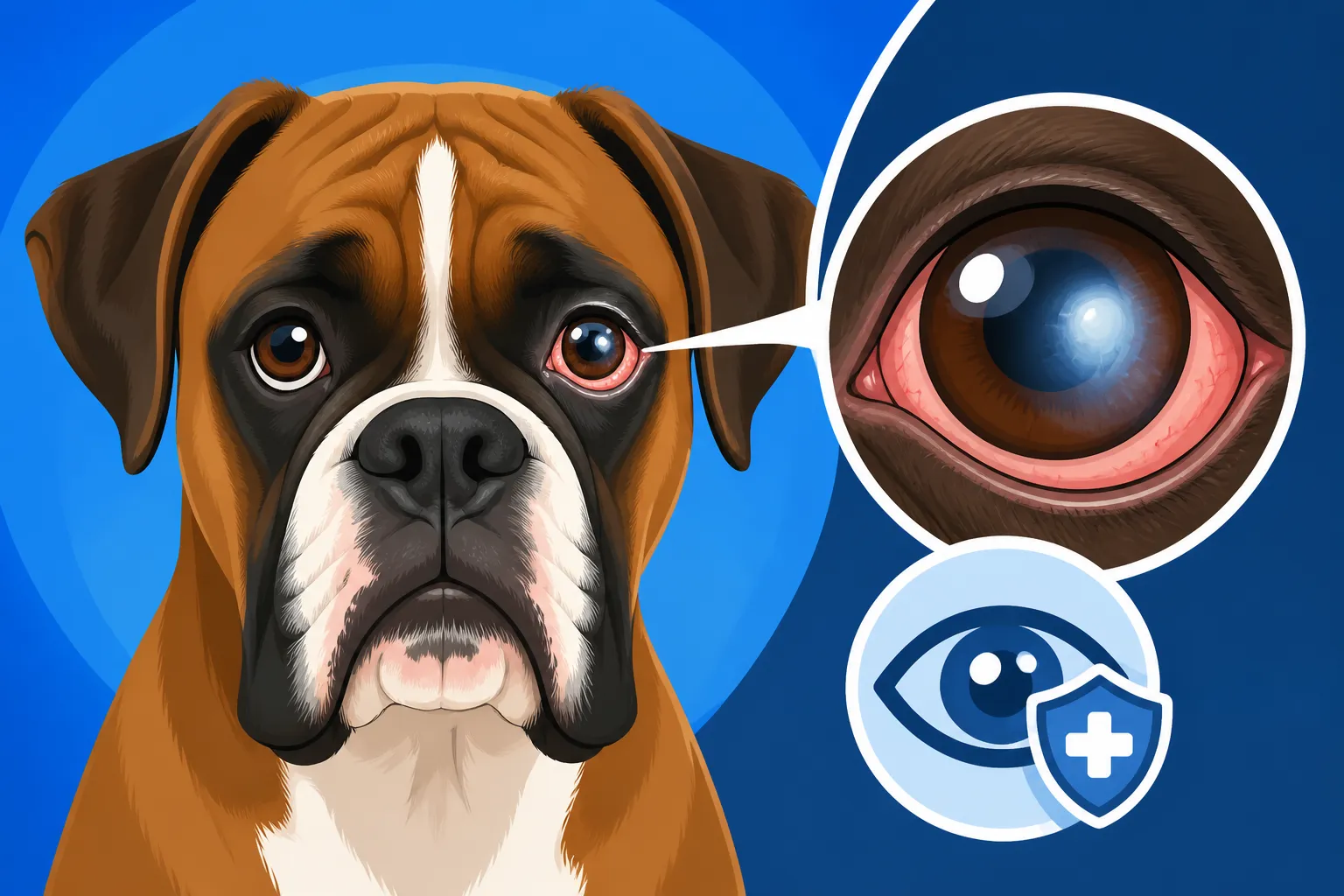
- Redness: The whites of the eye (sclera) and the conjunctiva will appear noticeably red due to inflammation and increased blood flow to the area.
- Cloudiness or Haze: The cornea, which should be perfectly clear, might look cloudy, hazy, or even have a bluish-white opacity. This indicates swelling and fluid accumulation in the corneal layers.
- Pawing or Rubbing the Eye: Your Boxer might constantly try to rub their eye with a paw or against furniture, attempting to relieve the itch or pain. This can actually make the ulcer worse.
- Sensitivity to Light (Photophobia): They might shy away from bright light or seek out darker areas.
- Discharge: While initially it might just be watery tearing, if an infection sets in, you could see a thicker, pus-like discharge.
- Changes in Eye Appearance: In severe cases, especially with deep ulcers, you might notice an indentation or divot on the corneal surface, or even a bulging of Descemet's membrane (a descemetocele), which is a pre-rupture sign.
If you notice any of these signs, don't wait. A veterinary visit is urgent. A minor scratch can become a devastating infection or deep ulcer very rapidly, especially in Boxers where secondary issues like infection or non-healing can complicate recovery. Early intervention is always the best path to a successful outcome.
Diagnosis and Treatment Paths for Boxer Eye Ailments
When you suspect your Boxer has an eye problem, especially something as serious as a corneal ulcer, getting to the vet promptly is crucial. The diagnostic process is usually straightforward, and treatment options vary depending on the severity and type of condition.
The Vet Visit: What to Expect
When you bring your Boxer in for an eye concern, your veterinarian will conduct a thorough ophthalmic exam. They know how anxious both you and your dog can be, so they’ll try to make the process as stress-free as possible.
- History Taking: The vet will first ask you a series of questions: When did you first notice the symptoms? Has your Boxer been exposed to anything unusual? Is there any discharge, and what does it look like? This information helps narrow down potential causes.
- Visual Examination: They will carefully observe your Boxer's eyes, looking for obvious signs of trauma, redness, swelling, or discharge. They'll assess how well your Boxer is seeing and if they're reacting normally to light.
- Fluorescein Stain Test: This is the gold standard for diagnosing corneal ulcers. A harmless orange dye, called fluorescein, is applied to the eye. If there's an ulcer (a break in the outer corneal layer), the dye will adhere to the exposed middle layer (stroma) and glow bright green under a special blue light. This helps the vet identify the presence, size, and depth of the ulcer.
- Ophthalmoscopy: Using an ophthalmoscope, the vet can get a magnified view of the eye's internal structures, checking for any deeper damage or abnormalities.
- Schirmer Tear Test: If dry eye is suspected, a Schirmer tear test will be performed to measure tear production, by placing a small strip of absorbent paper in the lower eyelid.
- Tonometry: This test measures the intraocular pressure (pressure inside the eye), which is important for ruling out conditions like glaucoma (high pressure) or uveitis (inflammation inside the eye, which can cause low pressure).
- Cytology and Culture (if needed): For stubborn or infected ulcers, the vet might take a swab of the eye to look for bacteria or other organisms under a microscope (cytology) or send it to a lab for culture to identify specific pathogens and determine the most effective antibiotics.
Treatment Options: From Drops to Surgery
Once a diagnosis is made, your vet will discuss the appropriate treatment plan. This can range from simple topical medications to complex surgical procedures.
- Medical Management: For most superficial ulcers and many other eye irritations, treatment involves a combination of eye drops or ointments.
- Antibiotics: These are often prescribed to prevent bacterial infection or treat an existing one. It's crucial to administer them exactly as directed to ensure they're effective.
- Pain Medication: Topical pain relievers or oral NSAIDs (non-steroidal anti-inflammatory drugs) might be given to keep your Boxer comfortable, as eye pain can be significant. Sometimes a drop to dilate the pupil (like atropine) is used to reduce muscle spasms, which can also be very painful.
- Anti-inflammatories: Steroid eye drops are sometimes used for inflammatory conditions like pannus, but never for an ulcer, as they can hinder healing and worsen the damage.
- Artificial Tears/Lubricants: For dry eye or to aid healing, lubricating drops can provide much-needed moisture and protection.
- Surgical Interventions: Some conditions simply cannot be resolved with medication alone and require surgery.
- Cherry Eye: Surgical "tucking" of the gland of the third eyelid is the standard treatment.
- Entropion/Ectropion: Eyelid surgery (blepharoplasty) can correct the abnormal rolling in or out of the eyelids, preventing chronic irritation.
- Deep Ulcers: If an ulcer is very deep, a descemetocele is present, or the eye is at risk of rupturing, emergency surgery might be needed. This could involve grafting healthy tissue (e.g., conjunctival flap) over the defect to provide structural support and blood supply for healing.
- Eyelid Tumors: Surgical removal of the growth is usually necessary, sometimes followed by histopathology to determine if it was benign or malignant.
- Costs and Insurance: The cost of treating eye problems can vary wildly, from a few hundred dollars for a course of drops to several thousand for complex surgeries. This is where Whether Pet Insurance Pays Off for a Boxer becomes clear. Having a good pet insurance plan, such as those offered by Healthy Paws, can be an absolute lifesaver. Policies from providers like Healthy Paws often cover unexpected illnesses and accidents, making sure you can afford the best care for your Boxer without financial strain. It’s definitely worth looking into before any issues arise.
Special Considerations for Refractory Ulcers
Boxers, as mentioned, are notorious for a specific type of corneal ulcer often called an "indolent ulcer" or "Boxer ulcer." These are superficial ulcers that just refuse to heal. The problem lies with the corneal epithelium, which doesn't properly adhere to the underlying stroma. It's frustrating for both owner and vet, as regular eye drops often aren't enough.
For these stubborn ulcers, specialized procedures are often required:
- Corneal Debridement: This involves gently removing the loose, non-adherent epithelial edges with a cotton swab or a sterile blade. The goal is to create a clean, healthy edge for new cells to grow and attach properly.
- Grid Keratotomy / Punctate Keratotomy: After debridement, the vet might perform a grid keratotomy, where a fine needle is used to make tiny, shallow scratches in a grid pattern on the surface of the exposed stroma. This provides a rougher surface for the new epithelial cells to anchor onto, encouraging stronger adhesion and healing.
- Superficial Keratectomy: In very severe or recurrent cases, a specialized veterinary ophthalmologist might perform a superficial keratectomy, which involves surgically removing the abnormal surface layers of the cornea to expose healthy tissue underneath.
- Bandage Contact Lenses: Sometimes, a special contact lens is placed on the eye after debridement or keratotomy to protect the healing surface and reduce discomfort.
- Recovery Period: Healing from these procedures takes time, often several weeks. Your Boxer will need to wear an Elizabethan collar (the "cone of shame") to prevent them from rubbing or scratching the eye, which could undo all the healing work. Consistent administration of prescribed eye drops and careful monitoring at home, along with follow-up vet visits, are critical for success. The commitment to these procedures and aftercare highlights why Annual Holter Screening as a Boxer Expense and other regular vet visits are just part of being a Boxer owner. The Yearly Bill for a Seventy-Pound Boxer can quickly add up, so planning for these possibilities is smart.
Living With and Preventing Boxer Eye Issues
Taking care of a Boxer's eyes is an ongoing responsibility, especially given their predisposition to certain conditions. While some problems are unavoidable, many can be prevented or managed effectively with proactive care and vigilance.
Everyday Eye Care for Your Boxer
Making eye care a regular part of your routine can go a long way in keeping your Boxer's eyes healthy and catching potential issues early. Just like you might include Caring for a Boxer Past Eight in your senior dog routine, eye care should be prioritized at every life stage.
- Daily Visual Checks: Take a moment each day to look closely at your Boxer's eyes. Are they bright and clear? Is there any redness, cloudiness, or excessive discharge? Do both eyes look the same? Is your Boxer squinting or pawing at their face? This simple routine can alert you to problems before they become severe.
- Wiping Eyes Clean: Boxers can accumulate discharge or "sleep" in the corners of their eyes. Gently wipe these away with a soft, damp cloth or a sterile eye wipe designed for pets. Always wipe away from the eye, and use a separate clean cloth for each eye to prevent cross-contamination if one eye is infected.
- Trimming Hair Around the Eyes: For some Boxers, especially those with longer facial hair or if their eyebrows grow unusually long, hair can rub against the cornea and cause irritation. Carefully trim any hair that could be irritating the eye using blunt-nosed scissors, or have your vet or a professional groomer do it.
- Avoiding Irritants: Be mindful of where your Boxer plays. Try to avoid areas with dense, thorny bushes or tall grasses that could poke their eyes. When bathing your Boxer, use dog-specific shampoo and be extra careful to avoid getting soap in their eyes. Always check the ingredients in any cleaning products or aerosols used around your home, as these can cause chemical irritation.
- Preventing Trauma: While you can't bubble-wrap your Boxer, you can minimize risks. Be cautious during rough play, especially with other dogs, and supervise interactions with children to ensure no accidental pokes occur. If your Boxer is especially prone to outdoor injuries, consider a protective doggy visor or goggles for specific activities, though not all Boxers tolerate them.
The Importance of Regular Vet Checks and Proactive Insurance
Even with the most diligent home care, some eye issues are simply genetic or unpredictable. This is why regular veterinary check-ups and planning for potential health costs are so vital.
- Routine Veterinary Examinations: Your Boxer's annual or semi-annual wellness exams are not just for vaccinations; they are also crucial for a full physical, including an eye examination. Your vet can spot subtle signs of developing conditions like KCS, early-stage cataracts, or minor eyelid abnormalities that you might miss at home. Early detection means earlier intervention, which can significantly improve outcomes and potentially save your Boxer's vision or prevent chronic pain. Remember, The Vet Visits a Boxer Needs Beyond Screening are just as important as the initial checks.
- Consider Pet Insurance Early: Boxers are predisposed to a range of health issues, including significant eye problems and other conditions such as Boxer Cardiomyopathy and the Holter Monitor. Eye surgeries, long-term medication for chronic conditions, or emergency treatments for deep ulcers can be incredibly expensive. This is where pet insurance, like a plan from Healthy Paws, really comes into its own.
- Peace of Mind: Knowing that a significant portion of unexpected vet bills could be covered allows you to make medical decisions based on what’s best for your Boxer, rather than on your wallet.
- Comprehensive Coverage: Leading providers such as Healthy Paws offer comprehensive plans that cover accidents and illnesses, including many eye conditions, specialist visits, and emergency care. Enrolling your Boxer when they are young and healthy, before any pre-existing conditions develop, is key to maximizing your coverage. Don’t wait until a problem arises; by then, it might be too late for that specific condition to be covered. As you ponder the What a Boxer Costs Across Ten to Twelve Years, factoring in pet insurance from a reliable provider like Healthy Paws is a smart financial and emotional investment in your Boxer's long-term well-being.
By staying informed, being observant, and partnering with your veterinarian, you can help your Boxer navigate the world with healthy, comfortable eyes for many years to come.
Disclaimer
This article is intended for informational purposes only and is not a substitute for professional veterinary advice, diagnosis, or treatment. Always seek the advice of your veterinarian or other qualified animal health provider with any questions you may have regarding a medical condition. Never disregard professional veterinary advice or delay in seeking it because of something you have read in this article.