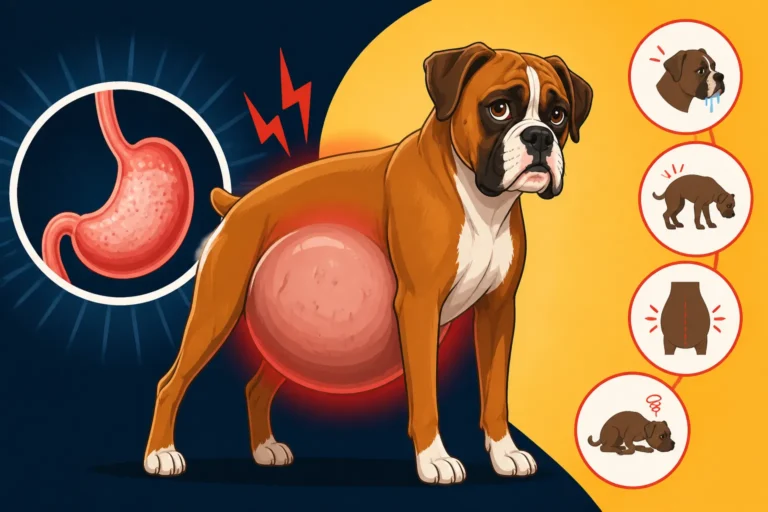
Grades of Subaortic Stenosis in a Boxer
One of the most heartbreaking things as a Boxer owner is discovering your vibrant, playful dog has a serious heart condition. Subaortic Stenosis (SAS) is a particularly common and concerning issue in our beloved Boxers, often catching us off guard. It can range from a mild murmur that barely affects their life to a severe obstruction that significantly impacts their health and longevity. This comprehensive guide will walk you through what SAS is, how it's diagnosed, and crucially, what the different grades mean for your Boxer, so you can navigate this challenge with understanding and confidence.
Understanding Subaortic Stenosis in Boxers
When you first hear the words "heart condition" and "Boxer" in the same sentence, your mind probably races to the more commonly discussed Arrhythmogenic Right Ventricular Cardiomyopathy (ARVC), or "Boxer cardiomyopathy." And while ARVC is certainly a major concern for our breed, Subaortic Stenosis (SAS) is another significant congenital heart defect that every Boxer owner should be aware of. It's a condition they are born with, meaning it's not something that develops later in life due to diet or lifestyle, but rather a structural anomaly present from birth.
What is Subaortic Stenosis (SAS)?
Imagine your Boxer's heart as a powerful pump, sending oxygen-rich blood out to its body through a major artery called the aorta. In a healthy heart, this blood flows freely. With Subaortic Stenosis, however, there's an obstruction – usually a ring of fibrous, abnormal tissue – just below the aortic valve. This "stenosis" (narrowing) makes it much harder for the heart to pump blood effectively. The heart has to work overtime, straining against this resistance, which can lead to enlargement and thickening of the heart muscle over time. It’s like trying to push water through a garden hose with a kink in it; the pump has to exert much more force, and the flow is reduced. The severity of this obstruction is what determines the grade of SAS, and ultimately, the prognosis for your beloved Boxer.
Why Boxers Are Prone to SAS
Unfortunately, Boxers are disproportionately affected by SAS compared to many other breeds. It’s a sad reality that comes with their genetic makeup. While research continues, it's widely accepted that SAS in Boxers has a strong hereditary component. This isn't something that randomly appears; it's passed down through generations. This is why when you're considering bringing a new Boxer puppy into your home, it's absolutely vital to inquire about the parents' health screenings, specifically for conditions like SAS. A responsible breeder will be transparent about their dogs' cardiac health and be able to provide documentation. You can learn more about this process in our guide on The Health Screening a Boxer Breeder Owes You. Knowing the genetic predispositions of the breed allows us to be proactive, to screen early, and to make informed decisions for our dogs' care.
The Genetics Behind This Heart Condition
As mentioned, SAS is largely a genetic issue in Boxers. While the exact mode of inheritance can be complex, involving multiple genes, it's clear that certain lines carry a higher risk. This is why thorough Echo Screening Before Buying a Boxer Puppy is so crucial. Even if a Boxer appears healthy on the outside, they can carry the genes for SAS and pass them on. For breeders, understanding these genetic links is paramount to making responsible breeding decisions, aiming to reduce the incidence of SAS in future generations. For pet owners, it means accepting that sometimes, despite the best care, a genetic lottery can result in your dog having this condition. It's not your fault; it's just one of the battles our Boxers sometimes face due to their unique heritage.
How SAS is Diagnosed and Graded
Catching SAS early is incredibly important, as is understanding the severity. Unlike some conditions that present with obvious symptoms, SAS can be insidious, quietly impacting your Boxer’s heart for a long time before external signs become apparent. This is why regular vet check-ups, even when your Boxer seems perfectly healthy, are so vital.
Initial Clues: Heart Murmurs
The first hint that your Boxer might have SAS usually comes during a routine veterinary examination when your vet detects a heart murmur. A heart murmur is essentially an abnormal whooshing sound made by turbulent blood flow within the heart. Think of it as water rushing through a narrow pipe – it makes a distinct sound. In the case of SAS, this turbulence is created as blood struggles to push past the subaortic obstruction. While a murmur in a young Boxer puppy might sometimes disappear as they grow, known as an "innocent murmur," any murmur should always be thoroughly investigated, especially in a breed like the Boxer. Our guide on Heart Murmurs in a Boxer Puppy delves deeper into this common finding. A murmur’s intensity can give a preliminary idea of the stenosis's severity, but it's not enough for a definitive diagnosis or grading.
The Definitive Diagnostic Tool: Echocardiography
To truly diagnose and grade SAS, your vet will almost certainly recommend an echocardiogram, often performed by a veterinary cardiologist. An echocardiogram is essentially an ultrasound of the heart. It provides real-time images of the heart's structure, allows the cardiologist to see the fibrous ring obstructing the aorta, and critically, measure the velocity of blood flow through the narrowed area. This isn't just a simple look-see; it’s a sophisticated diagnostic procedure that gives a clear picture of what's happening inside. This test is non-invasive and painless for your Boxer, though they might need some mild sedation to keep them still for the best images. For a detailed look at the diagnostic process, you might find our article on Screening a Boxer for Subaortic Stenosis very helpful.
Understanding the Pressure Gradient
The core of grading SAS lies in measuring the "pressure gradient" across the obstruction. During an echocardiogram, the cardiologist uses Doppler ultrasound to measure the speed at which blood is forced past the narrowing. When blood rushes through a constricted area, its velocity increases, creating a measurable pressure difference. The higher the velocity and thus the pressure gradient, the more severe the obstruction. This measurement, usually expressed in millimeters of mercury (mmHg), is the key indicator for determining whether your Boxer has mild, moderate, or severe SAS. It's a quantitative way to assess the heart's struggle against the stenosis, giving a clear, objective measure of the condition's impact.
The Different Grades of Subaortic Stenosis and Their Implications
Once the echocardiogram is done and the pressure gradient measured, your Boxer's SAS will be assigned a grade. This grading is critical because it directly influences their prognosis, the kind of care they'll need, and the adjustments you might have to make to their lifestyle. It's not just a number; it's a roadmap for their future health.
Mild SAS: Often Manageable
Boxers with mild SAS typically have a pressure gradient of less than 50 mmHg. In many cases, these dogs can live relatively normal lifespans with minimal to no clinical signs. They might never need medication, though regular monitoring with follow-up echocardiograms (perhaps annually or every couple of years) is usually recommended to ensure the condition isn't progressing.
For an owner, discovering your Boxer has mild SAS can still be worrying, but it often brings a sense of relief compared to more severe diagnoses. You'll still want to be mindful of their activity levels, especially avoiding extreme, sudden bursts of strenuous exercise, but their day-to-day life may not change significantly. Think of it as a speed bump rather than a brick wall. It’s a good idea to consider pet insurance like Healthy Paws early on, even with a mild diagnosis, as potential future complications or progression, though less likely, could still become costly.
Moderate SAS: A Closer Watch is Needed
When the pressure gradient falls between 50 and 80 mmHg, your Boxer is diagnosed with moderate SAS. This is where the implications become more significant. While some dogs with moderate SAS can still do well for many years, the heart is working harder, and the risk of complications, including heart failure or sudden death, increases.
Owners of Boxers with moderate SAS will need to be much more diligent about monitoring their dog. This usually involves more frequent vet visits and potentially starting medications designed to reduce the heart's workload, prevent arrhythmias, or manage symptoms of early heart failure. Your vet might advise specific Exercise Limits for a Boxer With Stenosis to prevent overexertion. This means carefully planning walks, avoiding intense play sessions in hot weather, and understanding that their stamina might not be what it once was. This grade often requires a more proactive approach to care and a deeper understanding of the condition.
Severe SAS: Significant Concerns and Management
A pressure gradient greater than 80 mmHg indicates severe SAS, which carries the most serious prognosis. Boxers with severe SAS face a significantly higher risk of complications, including congestive heart failure, severe arrhythmias, and sudden cardiac death, often at a young age. Their hearts are under immense strain, and the life expectancy is often considerably shortened without aggressive management.
For families, a diagnosis of severe SAS can be devastating. These dogs often show clinical signs sooner, such as fainting episodes (syncope), difficulty breathing, exercise intolerance, or general weakness. Treatment will likely involve multiple medications to support heart function, control arrhythmias, and manage fluid buildup if heart failure develops. Lifestyle modifications will be extensive, focusing on keeping the dog calm and avoiding any strenuous activity.
In rare cases, surgery (balloon valvuloplasty) might be considered, though it’s complex, carries risks, and often only offers partial relief, not a cure. The emotional and financial toll can be substantial, making it a difficult journey for any owner. Having pet insurance, perhaps from a provider like Healthy Paws, ideally enrolled before any symptoms appeared, would be incredibly beneficial in managing the significant costs associated with specialized veterinary care, diagnostics, and long-term medications for severe SAS.
Here's a table summarizing the grades:
| SAS Grade | Pressure Gradient (mmHg) | Prognosis | Typical Management |
|---|---|---|---|
| Mild | < 50 | Good | Monitoring, minimal lifestyle changes |
| Moderate | 50 – 80 | Fair | Regular monitoring, medication, moderate lifestyle adjustments |
| Severe | > 80 | Poor | Intensive monitoring, multiple medications, significant lifestyle restrictions, guarded outlook |
Managing and Living with a Boxer with SAS
Receiving a diagnosis of SAS, regardless of the grade, is understandably upsetting. But it’s not a death sentence, especially for mild to moderate cases. With proper understanding, dedicated care, and a close partnership with your veterinary team, you can help your Boxer live the best possible life. Knowing about Living With a Boxer That Has SAS means embracing a journey of informed decisions and attentive care.
Tailoring Exercise and Lifestyle
One of the most immediate and impactful changes you’ll need to consider for a Boxer with SAS is their exercise regimen. For those with mild SAS, it might mean avoiding extreme, high-intensity sprints or prolonged strenuous activity, especially in hot weather. Your Boxer can likely still enjoy walks and moderate play, but "ball-to-the-wall" intensity should be curbed.
For Boxers with moderate or severe SAS, the restrictions become much stricter. Sudden bursts of activity, intense play with other dogs, or long runs can put dangerous strain on an already compromised heart, potentially triggering arrhythmias or even sudden cardiac arrest. Your vet will provide specific guidance, but generally, short, gentle leash walks, avoiding excitement, and providing plenty of mental enrichment become the norm. This might mean investing in more puzzle toys, scent work games, or calm cuddle time indoors, rather than vigorous outdoor adventures. It’s about finding joyful ways to engage your Boxer without compromising their heart health.
Medication and Monitoring
Depending on the grade and the presence of any secondary issues like arrhythmias or early signs of heart failure, your Boxer might need medication. Beta-blockers are commonly prescribed to help the heart work more efficiently by reducing its workload and preventing dangerously fast heart rates. Other medications might include diuretics to manage fluid buildup if heart failure is present, or antiarrhythmics if irregular heartbeats are a concern.
Regular follow-up appointments with your cardiologist will be crucial. This isn't a one-and-done diagnosis; it's an ongoing management plan. They will perform repeat echocardiograms to monitor the progression of the stenosis, assess the heart's function, and adjust medications as needed. Blood tests may also be part of the routine to monitor overall health and the efficacy of medications. Consistent monitoring helps catch any changes early, allowing for timely intervention and ensuring your Boxer's comfort and quality of life.
Financial Considerations and Support
Let’s be honest, specialized cardiac care for a Boxer can be expensive. From the initial echocardiogram to ongoing consultations, medications, and potential emergency care, the costs can quickly add up, easily reaching thousands of dollars over your Boxer's lifetime. This financial burden is a very real frustration for many pet owners. The good news is that planning ahead can make a huge difference.
This is precisely where pet insurance can be a lifesaver. If you enroll your Boxer in a comprehensive plan like those offered by Healthy Paws before any heart murmurs or symptoms of SAS are detected, your policy can help cover a significant portion of these ongoing veterinary expenses. However, if SAS is diagnosed before you get insurance, it will likely be considered a pre-existing condition and may not be covered. So, considering insurance when your Boxer is a puppy, even if they seem perfectly healthy, is a wise move for any potential health challenges down the road. Our guide on What Boxer Cardiomyopathy Costs a Family gives a broader picture of managing the finances of heart conditions. Regardless of insurance, openly discussing costs and treatment options with your vet is key to making sustainable decisions for your Boxer's care.
Disclaimer
This article is intended for informational purposes only and is not a substitute for professional veterinary advice. Always consult with a qualified veterinarian or veterinary cardiologist regarding any health concerns or before making any decisions about your Boxer's medical care.