The Health Screening a Boxer Breeder Owes You
Bringing a Boxer puppy home should be a joyous occasion, but for many new owners, it can quickly turn into a nightmare of vet visits, expensive treatments, and heartbreak due to preventable genetic health issues. It's a frustrating reality when you realize you could have been spared so much worry if only the right questions were asked, and the right health screenings were done. This comprehensive guide is here to empower you, detailing exactly what health screenings a responsible Boxer breeder owes you for the health of their puppies and the peace of mind of their future families.
Why Health Screening Isn't Just a "Nice to Have" for Boxers
Let's be brutally honest: Boxers are prone to certain health conditions that can be devastating. When you fall in love with those expressive eyes and that goofy personality, it's easy to overlook the potential genetic landmines. But a responsible breeder doesn't overlook them; they actively work to minimize these risks through rigorous health screening. This isn't just about providing healthy puppies; it's about ethical breeding and ensuring the long-term well-being of the breed itself.
The Heartbreaking Reality of Boxer Health Issues
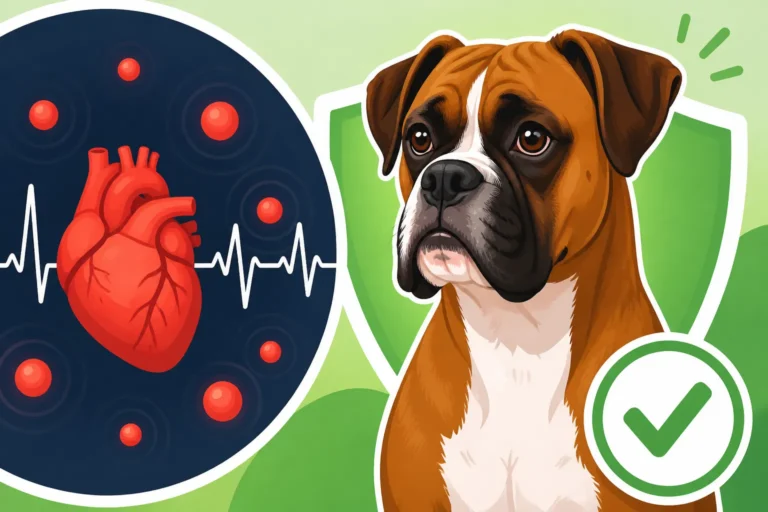
The truth is, Boxers, as a breed, are sadly predisposed to several serious health problems. The most notorious among them are cardiac conditions like Arrhythmogenic Right Ventricular Cardiomyopathy (ARVC), often called "Boxer Cardiomyopathy," and Subaortic Stenosis (SAS). These aren't just minor ailments; they can lead to sudden collapse, heart failure, or even sudden death in seemingly healthy dogs. Beyond heart issues, Boxers also face an alarmingly high incidence of various cancers, including lymphoma, mast cell tumors, and brain tumors. Imagine the emotional rollercoaster of loving a Boxer puppy, only to find out months or a few years down the line that they have a life-threatening genetic condition. The financial burden alone can be crippling, let alone the profound grief. It's a pain no pet owner should have to endure needlessly.
What "Responsible Breeding" Truly Means
The term "responsible breeding" gets thrown around a lot, but what does it really boil down to, especially when it comes to a breed like the Boxer? It's far more than just having clean kennels, feeding good food, or even having AKC papers. At its core, responsible breeding means a profound commitment to improving the health and temperament of the breed. This involves selecting breeding stock not just for their looks or pedigree, but primarily for their proven health and the health of their ancestors and offspring. It means understanding genetic predispositions and actively working to screen for them, interpreting results correctly, and making tough decisions about which dogs should and shouldn't reproduce. A truly responsible breeder will be transparent about their dogs' health history, willing to discuss potential risks, and educate prospective buyers, ensuring they fully understand the commitment they're making.
Essential Heart Health Screenings for Boxer Parents
When we talk about Boxers, the conversation often starts and ends with their hearts. It's a sad reality that cardiac disease is so prevalent in the breed. Therefore, any reputable breeder will have comprehensive heart health screenings for their breeding dogs. These aren't optional; they're absolutely vital.
Understanding ARVC and Holter Monitoring
Arrhythmogenic Right Ventricular Cardiomyopathy (ARVC) is a terrible genetic heart disease that specifically targets Boxers. It causes the heart muscle to become progressively thinner and weaker, leading to electrical abnormalities that manifest as dangerous arrhythmias. These arrhythmias can cause fainting, weakness, and tragically, sudden death. The only reliable way to screen for ARVC is through a 24-hour Holter monitor. This portable ECG device records every heartbeat over an entire day, capturing irregular rhythms that might not be present during a brief vet visit. A breeder should be able to provide clear, recent Holter results (ideally within the last 12-18 months) for both parent dogs, showing a low number of PVCs (premature ventricular contractions). While there isn't a perfect "pass/fail" number, cardiologists generally consider fewer than 50 PVCs in 24 hours to be a good result for breeding. It’s also crucial to understand Why a Boxer Holter Starts at Three Years, as the condition often doesn't manifest in younger dogs. You can learn more about Boxer Cardiomyopathy and the Holter Monitor to understand the nuances of this critical screening.
Screening for Subaortic Stenosis (SAS)
Another serious heart condition in Boxers is Subaortic Stenosis (SAS). This is a congenital (present at birth) narrowing of the aorta, the main artery leaving the heart. This narrowing forces the heart to work harder to pump blood, which can lead to a thickened heart muscle and, over time, heart failure or sudden death. Unlike ARVC, SAS can be detected in puppies and young dogs, but it's essential that breeding dogs are screened prior to being bred. The primary screening method for SAS is an echocardiogram (echo), which is an ultrasound of the heart. This should be performed by a board-certified veterinary cardiologist, who will provide a definitive diagnosis and grade the severity of any stenosis. A breeder should readily provide OFA (Orthopedic Foundation for Animals) "Clear" or "Normal" cardiology reports for SAS for both parent dogs. Don't accept a general vet check with a stethoscope as sufficient for SAS screening; a heart murmur can be indicative, but only an echo can truly confirm or rule out the condition. It’s worth noting that even a faint murmur in a puppy needs to be taken seriously, as discussed in Subaortic Stenosis in a Boxer Puppy. For more on the specifics of the procedure, refer to Screening a Boxer for Subaortic Stenosis.
Diving Into Cancer Risks and Proactive Measures
It's an unfortunate truth that Boxers are one of the breeds most susceptible to cancer. This can be one of the most agonizing challenges for Boxer owners, and while direct genetic tests for all cancers don't exist, a responsible breeder takes proactive steps to understand and mitigate risk.
The Unavoidable Truth About Cancer in Boxers
If you're a Boxer owner, or considering becoming one, you've likely heard the devastating statistics: cancer is a leading cause of death in the breed. It's a heartbreaking reality, and it’s why many experienced Boxer owners check their dogs weekly for new lumps, a testament to the ever-present worry. While we don't have a single "cancer test" for Boxers like we do for some other conditions, a responsible breeder will still be acutely aware of the breed's vulnerability. They understand that Why Cancer Kills More Boxers Than Anything Else is a question that weighs heavily on prospective owners, and they will be prepared to discuss the cancer prevalence in their lines and what measures they take.
Pedigree Research and Lifespan Data
Since there isn't a simple genetic test for "cancer susceptibility" that covers all forms, a crucial part of a breeder's responsibility is to thoroughly research the longevity and health history of their dogs' pedigrees. This means looking beyond just the immediate parents and delving into grandparents, great-grandparents, and siblings of breeding dogs. A responsible breeder should be able to tell you the ages and causes of death for as many relatives as possible. They should be transparent if certain cancers appear repeatedly in certain lines, and they should be actively seeking to breed away from those tendencies. Don't be shy about asking direct questions like, "How old were the grandparents when they passed, and what were the causes?" This data gives insight into the genetic longevity of the line and helps paint a picture of the kind of health outcomes you might expect. The goal is to maximize the chances of your Boxer living a long, full life, as explored in Boxer Lifespan and the Years That Decide It.
Genetic Markers for Specific Cancers
While a universal Boxer cancer gene test remains elusive, research is ongoing, and some specific cancer types do have genetic components that breeders might monitor. For example, certain mast cell tumor grades have shown correlations with genetic factors, though not a direct predictive test yet. What is important is for breeders to be vigilant about any specific cancers appearing in their lines and to consult with veterinary oncologists or geneticists. If a particular type of cancer, like lymphoma or mast cell tumors, frequently occurs in a line, a responsible breeder will take that information seriously when making breeding decisions. They won't just hope for the best; they will adjust their breeding program based on this critical historical data, working towards healthier generations.
Orthopedic and Other Genetic Health Clearances
While heart and cancer issues often dominate the Boxer health conversation, it's vital not to overlook other potential genetic conditions. Orthopedic health, neurological conditions, and even specific eye and thyroid issues can impact a Boxer's quality of life.
Hip and Elbow Dysplasia Considerations
Although Boxers are not as prone to severe hip and elbow dysplasia as some other large breeds, it’s still a condition that a responsible breeder should screen for. Hip dysplasia is a malformation of the hip joint, and elbow dysplasia is a similar malformation of the elbow joint. Both can lead to arthritis, pain, and lameness, significantly impacting a dog's mobility and comfort, especially as they age. Breeders should have their breeding dogs evaluated by the Orthopedic Foundation for Animals (OFA) or through PennHIP evaluations. These screenings involve X-rays of the hips and elbows to assess joint conformation and identify any signs of dysplasia. The OFA will assign a rating (e.g., Excellent, Good, Fair for hips; Normal for elbows). You should expect to see "Good" or "Excellent" hip scores and "Normal" elbow scores for both parent dogs. This helps ensure that the structural integrity of your puppy's joints is set up for success from the beginning. For more information on identifying and managing these conditions, see Boxer Hip Dysplasia and Spondylosis.
Degenerative Myelopathy (DM) Screening
Degenerative Myelopathy (DM) is a progressive, incurable neurological disease that affects the spinal cord, leading to weakness, loss of coordination, and eventually paralysis of the hind limbs. It's akin to Lou Gehrig's disease (ALS) in humans. This condition typically appears in older dogs, usually after the age of eight, which can be devastating for owners who have spent a decade with their beloved companion. Thankfully, there is a DNA test (SOD1 gene) available for DM that can identify carriers and at-risk dogs. A responsible Boxer breeder will test their breeding stock for the SOD1 gene to avoid producing affected puppies. While carriers (one copy of the gene) can still be bred safely when bred to a clear dog, breeding two carriers together dramatically increases the risk of producing affected puppies. Breeders should be able to provide clear or carrier status documentation for both parents, demonstrating they are breeding responsibly to reduce the incidence of this heartbreaking disease. For detailed information, refer to Degenerative Myelopathy in an Older Boxer and The SOD1 Test for Boxer Myelopathy.
Thyroid and Eye Checks
While not as common or devastating as heart disease or cancer, thyroid issues and certain eye conditions can still affect Boxers. Hypothyroidism, an underactive thyroid gland, can lead to weight gain, lethargy, skin problems, and coat issues. It's often managed with daily medication, but it's a condition that breeders should be aware of in their lines. Annual thyroid panels are a good practice for breeding dogs to ensure their levels are within normal ranges. As for eyes, while Boxers generally have relatively healthy eyes, certain conditions like entropion (inward-rolling eyelids) or corneal dystrophies can occur. A certified veterinary ophthalmologist can perform eye exams to screen for these conditions, and breeders should pursue such clearances if there's any history of eye problems in their lineage. These additional screenings demonstrate a breeder's thoroughness and commitment to producing the healthiest puppies possible.
What Documentation a Responsible Breeder Provides
When you’re looking for a Boxer puppy, it's not enough for a breeder to say their dogs are healthy. You need to see the proof. Responsible breeders understand this completely and will provide comprehensive documentation for all their health screenings.
Interpreting Health Certificates and Results
When a breeder presents you with health certificates, it can feel like looking at a foreign language if you're not familiar with them. Don't be intimidated! Take your time to review everything. Look for official documentation from reputable organizations like the OFA (Orthopedic Foundation for Animals) or university veterinary cardiology departments. These documents should clearly state the registered name of the dog (which should match the dog you're looking at), its registration numbers, the date the test was performed, and the results (e.g., "Normal" for hips, "Clear" for heart, "Affected" or "Carrier" for genetic tests). Crucially, the reports should be signed by the specialist who performed the test (e.g., a board-certified veterinary cardiologist for heart evaluations, a radiologist for OFA x-rays). If a breeder provides only a letter from their general vet stating the dog is "healthy," politely ask for the official specialist reports. While your general vet is wonderful, specialized health screenings require specialist interpretation. Also, ensure the dates are current; a Holter from five years ago isn't relevant for a dog being bred today.
The Role of Registries and Health Databases
Reputable health organizations like the OFA maintain public databases of health clearances. The Canine Health Information Center (CHIC) is a program co-sponsored by the AKC and the OFA that establishes a recommended set of health screenings for each breed. To earn a CHIC number, a dog must have all the recommended tests performed and the results made publicly available. While "passing" results aren't required for a CHIC number, participating shows a breeder's commitment to transparency and health. A breeder should provide you with the OFA or CHIC numbers for their breeding dogs, which allows you to independently verify the results online. This transparency is a huge green flag, indicating that the breeder stands behind the health of their lines and isn't trying to hide anything. If you're told a dog has specific clearances but can't find them in public databases, it's a significant red flag that warrants further investigation.
Here's a quick summary table of key health screenings to expect:
| Condition | Screening Method | Recommended Age for Breeding Dog | Expected Result for Breeding | Notes |
|---|---|---|---|---|
| ARVC (Boxer Cardiomyopathy) | 24-hour Holter Monitor | Annually from 3 years old | < 50 PVCs / 24 hours | Interpretation by board-certified cardiologist is crucial. |
| SAS (Subaortic Stenosis) | Echocardiogram by Cardiologist | Once after 1 year old | OFA "Normal" / "Clear" | Murmurs can be indicative but echo is definitive. |
| Hip Dysplasia | OFA or PennHIP Radiographs | After 2 years old | OFA "Good" or "Excellent" | Less common than in some breeds, but still important. |
| Elbow Dysplasia | OFA Radiographs | After 2 years old | OFA "Normal" | |
| Degenerative Myelopathy (DM) | DNA Test (SOD1 gene) | Any age | "Clear" or "Carrier" | Carriers can be bred to Clears; avoid breeding two Carriers together. |
| Hypothyroidism | Thyroid Panel (T4, fT4, TSH) | Annually from 2 years old | Within normal range | Less critical than heart, but good practice for overall health. |
| Eye Conditions | CERF/OFA Eye Exam by Ophthalmologist | Annually | "Normal" | If history of eye issues in line. |
Questions to Ask Your Prospective Breeder
Beyond just reviewing the documentation, engaging in open and honest conversation with your breeder is paramount. A good breeder will welcome your questions and appreciate your diligence. Think of it as an interview—you're interviewing them to ensure they're the right match for your future family member.
Beyond the Paperwork: Open Communication
While the paperwork is crucial, a conversation allows you to gauge a breeder's philosophy, experience, and commitment. Don't just ask "Are the parents healthy?" Ask detailed, specific questions. Inquire about the health of past litters from the same parents or grandparents. Have any of the previous puppies developed heart conditions, cancer, or orthopedic issues? What was the general temperament of the previous puppies? Ask about the breeder's screening protocols and how they decide which dogs to breed. A truly responsible breeder will be a fountain of information and will speak passionately about their dogs and their breeding goals. They should be willing to share stories, introduce you to the parent dogs (at least the mother), and show you where the puppies are raised. This open communication builds trust and gives you invaluable insight into their practices.
Red Flags to Watch Out For
Sadly, not all breeders are created equal, and some will cut corners on health screenings to save money, often at the puppy buyer's expense. Be vigilant for red flags. If a breeder gives evasive or vague answers about health testing, or claims tests aren't necessary because their dogs "just seem healthy," that's a huge warning sign. A breeder who doesn't provide official documentation, or offers only anecdotal evidence, is likely not doing their due diligence. Be wary of breeders who offer puppies significantly cheaper than the going rate, as cutting costs often means skipping essential health tests. Another red flag is a breeder who tries to rush you into a decision or won't allow you to meet the puppy's mother or see the living conditions. Finally, if a breeder suggests that you don't need health records because you're "just getting a pet" and not a show dog, run the other way. Pet or show dog, every Boxer deserves the best chance at a healthy life, and the genetic risks remain the same.
Protecting Your Investment (Emotional & Financial)
Bringing a Boxer into your life is a significant investment, not just financially, but emotionally. Knowing what to expect regarding health guarantees and insurance can offer a layer of protection against the unexpected.
The Value of a Health Guarantee
Most reputable breeders will offer a health guarantee for their puppies, typically covering genetic conditions like ARVC or SAS for a certain period, often one to two years, sometimes longer for specific severe conditions. This guarantee usually states that if your puppy is diagnosed with a covered severe genetic condition within that timeframe, the breeder will offer a replacement puppy or a partial refund. It's crucial to read this guarantee very carefully. Understand what conditions are covered, for how long, and what actions you need to take to fulfill the terms (e.g., getting a second veterinary opinion, providing vet records). While a health guarantee can provide some peace of mind, it's important to recognize its limitations. It rarely covers routine vet care or common puppy ailments, and it usually doesn't compensate for the emotional bond you've already formed with your puppy. The best health guarantee is a breeder who has done such thorough health screening that you hopefully never need to use it.
Considering Pet Insurance
Even with the most responsible breeder and the most comprehensive health guarantee, life happens. Boxers, as we've discussed, are prone to various health challenges, and vet bills for diagnostics, treatments, and ongoing care can quickly become astronomical. This is where pet insurance truly shines, acting as a financial safety net. It's strongly recommended to enroll your Boxer puppy in a comprehensive pet insurance plan as early as possible, ideally before any minor issues arise. Once a condition is documented in their medical records, it often becomes a "pre-existing condition" and may not be covered by new policies. Providers like Healthy Paws offer robust coverage for accidents and illnesses, which can be invaluable when faced with a cancer diagnosis or ongoing cardiac management. Imagine the relief of focusing solely on your Boxer's care rather than worrying about how to pay for a cardiology consultation or specialized medication. Getting Insuring a Boxer Before the First Lump is one of the smartest financial decisions you can make as a Boxer owner.
Ensuring Lifelong Health Beyond Puppyhood
Your role in your Boxer's health journey doesn't end when you bring them home. In fact, it's just beginning. Maintaining their health involves continued vigilance, regular veterinary care, and proactive lifestyle choices.
Continuing the Screening Journey
As your Boxer grows and ages, your commitment to their health screenings will continue. For instance, even if the parents were Holter-tested clear, you will need to continue annual 24-hour Holter monitoring for your own Boxer once they reach three years of age to screen for ARVC, as this condition can develop later in life. Regular wellness exams with your veterinarian are critical for early detection of any issues, as they can spot subtle changes that you might miss. It’s also important to be vigilant about lump checks on your Boxer's body, given the breed's high cancer risk. Your vet can advise on age-appropriate screenings, such as blood work for aging Boxers to monitor organ function, which is particularly important as Boxers enter their senior years, typically around age seven or eight. This proactive approach allows for early intervention and better outcomes, helping your beloved companion to thrive.
The Impact of Diet and Lifestyle
Beyond genetics and screenings, daily care plays a massive role in your Boxer's overall health and longevity. A high-quality, balanced diet tailored to their age and activity level is fundamental. Avoid overfeeding, as maintaining a lean body weight reduces strain on joints and the heart, helping to stave off conditions like arthritis and making any potential cardiac issues less severe. Regular, appropriate exercise is also crucial for Boxers, who are naturally athletic and need to burn off energy. However, be mindful of their brachycephalic (flat-faced) nature, which makes them prone to overheating, especially in warmer weather or during intense activity. Ensure they have access to fresh water at all times and avoid exercise during the hottest parts of the day. A stimulating environment, consistent training, and plenty of love contribute to a happy and well-adjusted Boxer, which in turn supports their physical health. Remember, good genetics lay the foundation, but a healthy lifestyle builds the house.
Disclaimer
The information provided in this article is for general informational purposes only and is not intended as a substitute for professional veterinary advice. Always consult with a qualified veterinarian for any health concerns or before making any decisions related to your Boxer's health and care.