Whether a White Boxer Burns in Normal Sun
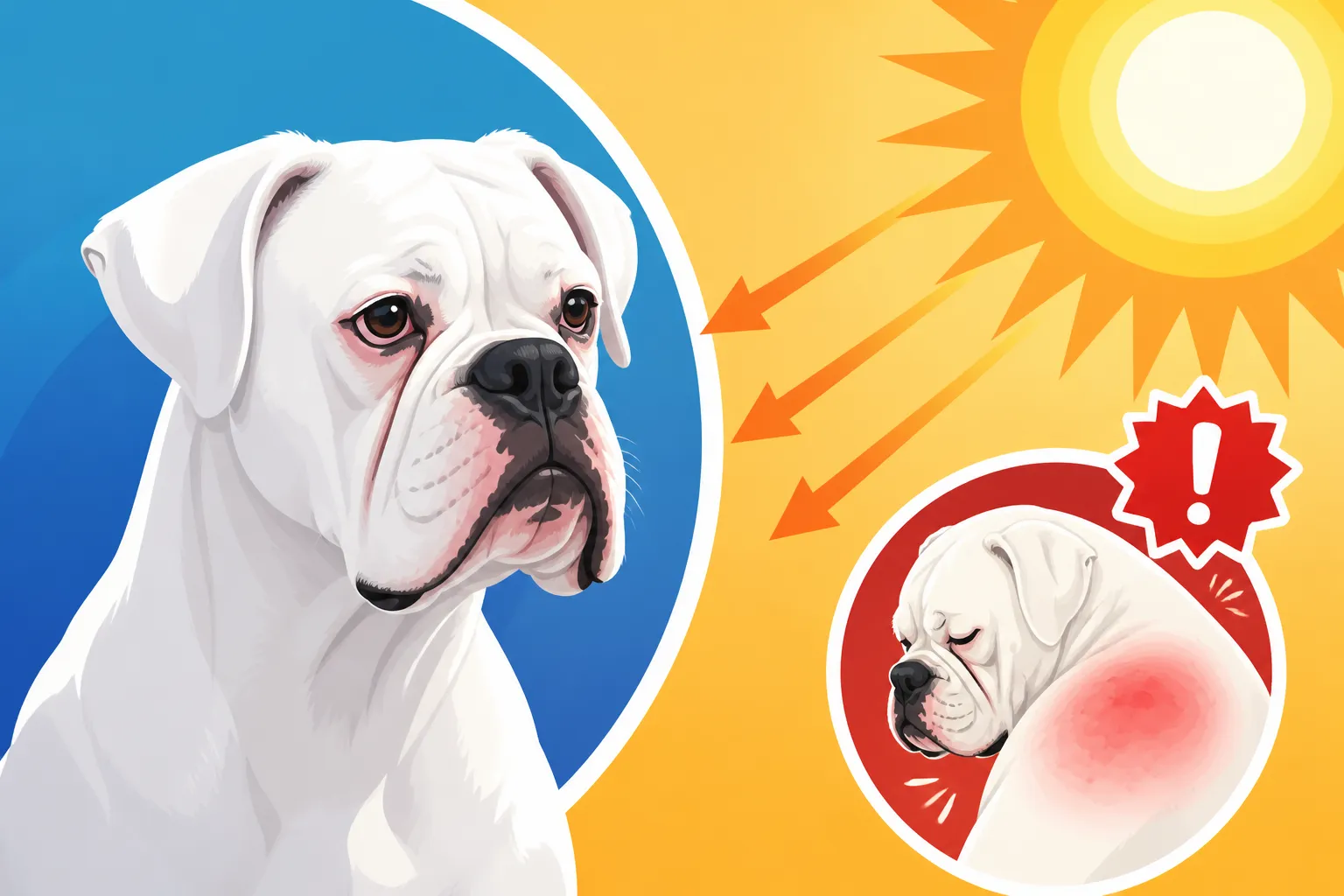
It’s a heart-sinking moment for many white Boxer owners: you look out at your beautiful, playful companion basking in what seems like gentle sunshine, and a worry gnaws at you. Are they safe out there? Is their fair skin getting too much sun? You're absolutely right to be concerned, because the truth is, a white Boxer’s skin is significantly more vulnerable to the sun's rays than their fawn or brindle counterparts. This guide will walk you through exactly why this is, how to spot trouble, and most importantly, how to keep your cherished white Boxer safe and happy under the sun.
The Science Behind a White Boxer's Sun Sensitivity
It's not just an old wives' tale; white Boxers genuinely face a higher risk of sunburn and sun-related skin damage. This isn't because their skin is inherently weaker, but rather due to a fundamental biological difference that impacts their natural defenses. Understanding this distinction is the first step in providing them with the protection they need.
Melanin Deficiency and Its Impact
At the heart of the matter is melanin, the natural pigment responsible for giving color to skin, hair, and eyes. Think of melanin as your dog's built-in sunscreen. It absorbs ultraviolet (UV) radiation from the sun, helping to protect cells from damage. For fawn and brindle Boxers, the rich color in their coats and skin provides a decent level of this natural protection. Their pigmented skin and fur act as a barrier, scattering and absorbing UV light before it can penetrate deep into the skin layers.
However, white Boxers, particularly those with pink skin underneath their white fur, have significantly less or even a complete absence of melanin in these areas. This isn't just about the fur color; it extends to the skin itself. Areas like their delicate ear tips, the bridge of their nose, their eyelids, and the soft skin of their belly and inner thighs often lack any pigment. Without melanin, there's no natural shield against the sun's potent UV rays. It's like sending your dog out without any sunscreen at all, leaving these unpigmented spots incredibly exposed and prone to burning, even during what seems like "normal" sun exposure. You can visibly see the pink skin through the white fur, a clear indicator of their vulnerability.
Genetic Predisposition to Skin Issues
Beyond just sunburn, this melanin deficiency carries a more serious, long-term health implication: an increased risk of developing certain types of skin cancer. While any dog can get skin cancer, white Boxers are disproportionately affected by conditions like squamous cell carcinoma and hemangiosarcoma, especially in those unpigmented areas repeatedly exposed to the sun. The chronic sun damage acts as a cumulative assault on their cells, increasing the likelihood of abnormal cell growth over time. It's a sobering thought, but one that emphasizes the critical importance of diligent sun protection.
It’s crucial to understand that this isn’t merely a cosmetic concern, like a faint pink nose that could look “prettier” if it were black. This is a serious health vulnerability that demands proactive management. Just as we discussed in our guide on Skin Cancer Risk on a White Boxer, early detection is paramount, but prevention is always the best defense. The regular exposure to UV light damages the DNA in skin cells, and without the protective melanin, these cells are more susceptible to mutations that can lead to cancerous growths. This makes careful screening and prevention a lifelong commitment for white Boxer owners.
Spotting the Signs of Sunburn and Sun Damage
Even with the best intentions, accidents happen, or perhaps you underestimated the intensity of the sun on a particular day. It’s vital to be able to recognize the signs of sunburn on your white Boxer so you can act quickly and mitigate further damage. Their unique vulnerability means they can go from happy sunbather to burned pup faster than you might think.
Initial Signs of Sunburn
The signs of sunburn in dogs are quite similar to those in humans, though they might be harder to spot under fur if you're not looking closely at vulnerable areas. The most common indicators are redness and tenderness of the skin. You might notice their ear tips, nose, or the thin skin of their belly and inner thighs appearing pinker or even a bright red. When you gently touch these areas, your Boxer might flinch or show signs of discomfort, indicating they're sensitive or painful. The skin might also feel unusually warm to the touch.
In more severe cases, you could see peeling skin, similar to what happens after a bad human sunburn. Blisters, though less common, can also form, indicating a serious burn that definitely requires veterinary attention. Your dog might also start licking or scratching excessively at the affected areas, trying to soothe the irritation. This licking can sometimes lead to secondary skin infections if the skin barrier is compromised and bacteria are introduced. Pay particular attention to areas where the fur is sparse or absent, and remember that even an overcast day can still deliver enough UV radiation to cause a burn, especially for a sensitive white Boxer.
What to Do When Your Boxer Gets Sunburned
If you suspect your white Boxer has a sunburn, the very first thing to do is get them out of the sun immediately and bring them indoors to a cool, shaded environment. Gently apply cool compresses to the affected areas – a cool, damp cloth can offer immediate relief. Avoid using ice packs directly on the skin, as this can cause further damage. Keep a close eye on them and ensure they have access to fresh water, as dehydration can sometimes accompany overheating and sunburn.
For mild redness and tenderness, a vet might recommend a soothing, non-toxic topical cream designed for pets, or even a dilute aloe vera solution (ensure it's pure aloe and free of any additives toxic to dogs). However, if you see blistering, severe pain, extensive redness, or if your dog seems generally unwell (lethargic, feverish, loss of appetite), it's absolutely crucial to contact your veterinarian right away. They can assess the severity of the burn, prescribe pain relief, anti-inflammatory medications, or antibiotics if an infection is present. Never apply human sunburn remedies without consulting your vet, as many ingredients can be toxic if licked and ingested by your dog. This is also where having a good pet insurance plan, such as one from Healthy Paws, can be a huge comfort, as unexpected vet visits for conditions like severe sunburn or subsequent skin issues can quickly add up.
Essential Sun Protection Strategies for White Boxers
Preventing sunburn is far easier and much better for your white Boxer's long-term health than treating it. With a little planning and consistency, you can ensure your pale pup enjoys the outdoors safely without putting their delicate skin at risk.
Timing Walks and Outdoor Play
One of the simplest yet most effective strategies is to adjust your outdoor schedule. The sun's UV rays are strongest between approximately 10:00 AM and 4:00 PM. During these peak hours, it’s best to keep your white Boxer indoors as much as possible. This is particularly true in warmer climates or during the summer months.
Instead, plan your walks, training sessions, and playtime for the early morning or late evening. Not only is the sun less intense, but the ground will also be cooler, which is a significant bonus for their paw pads. A quick walk before 9 AM or after 5 PM can still provide plenty of exercise and mental stimulation without the heightened risk of sunburn. This advice aligns perfectly with concerns like Whether a White Boxer Should Be Kept Indoors at Noon, emphasizing that common sense timing is a powerful tool in your sun protection arsenal. If you must be outside during peak hours, ensure it's brief and in heavily shaded areas.
Protective Gear and Products
Sometimes, avoiding the sun entirely isn't practical, especially for an active breed like a Boxer. This is where protective gear and products become your best friends.
-
Dog-Specific Sunscreen: Yes, dog sunscreen is a thing, and it's indispensable for white Boxers! When choosing a sunscreen, look for products specifically formulated for pets. Avoid human sunscreens that contain zinc oxide or para-aminobenzoic acid (PABA), as these ingredients are toxic if ingested, and dogs will inevitably lick themselves. Opt for broad-spectrum sunscreens that protect against both UVA and UVB rays, with an SPF of 15 or higher. Apply it generously to all unpigmented areas: ear tips, nose, eyelids, and especially the belly and inner thighs, about 20 minutes before going outside. Reapply frequently, especially after swimming or vigorous activity. Our detailed guide on Sunscreen Safe for a White Boxer offers more specific recommendations and ingredients to look for.
-
UV Protective Clothing: Doggy rash guards or UV-protective shirts can be incredibly effective, particularly for protecting the back and flanks. Look for lightweight, breathable fabrics designed to block UV rays. Many brands offer styles that cover the torso, which can be a game-changer for backyard play or longer outdoor adventures. A wide-brimmed hat or visor might even be an option for protecting their nose and face, though some Boxers might tolerate this more than others!
-
Shade, Shade, Shade: Always ensure your Boxer has access to ample shade when outdoors. This might mean strategically planting trees in your yard, setting up umbrellas, or investing in a portable canopy for outdoor events. If your Boxer loves to lounge outside, a shaded dog bed or a cooling mat under a covered patio can make all the difference. Remember, even with sunscreen and protective clothing, direct sun exposure for extended periods is best avoided.
Thinking about unexpected vet bills related to skin cancer or chronic sun damage? Pet insurance providers like Healthy Paws can offer great peace of mind. By covering a significant portion of eligible veterinary expenses, it allows you to focus on getting your Boxer the best care without financial stress.
Creating a Sun-Safe Environment
Your home and yard should be designed with your white Boxer's sun sensitivity in mind. If you have a fenced yard where your Boxer spends time, make sure there are plenty of natural or artificial shaded areas. This could be a large shade tree, a covered patio, or even a strategically placed awning or dog house. The goal is to give them options to escape the sun's glare at all times of the day.
Indoors, especially during summer or peak sun hours, ensure your Boxer has a cool, comfortable spot to relax. Air conditioning is a huge plus, but even just closing blinds or curtains on sun-facing windows can help regulate indoor temperatures and prevent hot spots where they might accidentally over-roast. Always supervise their outdoor time, even if they have protective gear on. A curious Boxer might find a way to rub off sunscreen or shift their protective clothing, leaving them exposed. A consistent approach to creating a sun-safe environment is key to their ongoing health.
Long-Term Health Management and Vigilance
Owning a white Boxer is a joy, but it also comes with the responsibility of extra vigilance regarding their health, especially concerning their skin. Proactive care and regular monitoring are essential components of their long and healthy life.
Regular Skin Checks and Vet Visits
Because white Boxers are at a heightened risk for skin cancer, performing regular, thorough skin checks is non-negotiable. Aim to do a full body check at least once a week. Run your hands over every inch of their body, paying extra attention to those unpigmented areas: ear tips, nose, lips, eyelids, belly, and inner thighs. Look for anything new or unusual:
- Any new lumps or bumps, no matter how small.
- Changes in existing moles or skin tags (color, size, shape).
- Non-healing sores or scabs.
- Red, inflamed patches that don't go away.
Make it a part of your routine, perhaps during a cuddle session or after a bath. If you find anything suspicious, document its size and location, and make an appointment with your veterinarian promptly. Early detection drastically improves the prognosis for most skin cancers. We go into great detail about this in our article Weekly Lump Checks on a Boxer, emphasizing the importance of diligence for this breed. Don’t hesitate; a prompt vet visit for something small could save your Boxer’s life.
Beyond your weekly at-home checks, ensure your white Boxer has regular veterinary check-ups, ideally twice a year, especially as they get older. Your vet can perform a professional skin examination, address any concerns you have, and conduct necessary screenings. They are trained to spot subtle changes that you might miss and can guide you on the best course of action.
Understanding Related Health Considerations
While we're focused on sun protection, it's worth acknowledging that white Boxers can come with other specific health considerations. A significant percentage of white Boxers are affected by deafness, which is another genetic trait linked to the absence of pigment-producing cells in the inner ear. While completely unrelated to sun exposure, it's part of the broader picture of understanding your white Boxer's unique health profile. If you have a white Boxer puppy, it's a good idea to discuss testing their hearing with your vet, just as you would read about Why a White Boxer May Be Deaf or How Many White Boxers Are Deaf to prepare yourself. Knowing all potential health challenges allows you to provide comprehensive and informed care.
Managing a Boxer’s health, particularly one with unique predispositions like white Boxers, can involve significant veterinary costs, from routine checks to potential advanced treatments for skin conditions or cancer. This is why many experienced Boxer owners consider pet insurance a non-negotiable part of responsible pet ownership. Plans from companies like Healthy Paws can cover accidents, illnesses, and even hereditary conditions, providing a crucial financial safety net. It allows you to make care decisions based on what’s best for your dog, rather than being constrained by cost. Being prepared for these possibilities means you can focus on enjoying every moment with your energetic, loving companion, knowing you’re doing everything possible to safeguard their well-being.
Comparing Sun Protection Methods for White Boxers
Here's a quick overview of different sun protection methods and their pros and cons for white Boxers:
| Method | Description | Pros | Cons | Best Use Case |
|---|---|---|---|---|
| Timing Outdoor Play | Avoiding sun exposure during peak UV hours (10 AM – 4 PM). | Free, highly effective, no products needed. | Limits outdoor time during certain parts of the day. | Daily routine, especially in summer. |
| Dog-Specific Sunscreen | Topical cream/spray applied to unpigmented skin areas. | Direct protection to vulnerable spots, flexible for short outings. | Requires frequent reapplication, may be licked off, can be messy. | Targeted protection for nose, ears, belly during necessary sun exposure. |
| UV Protective Clothing | Lightweight shirts, vests, or full body suits with UV blocking. | Covers large areas of skin, cannot be licked off easily. | Some dogs may dislike wearing clothes, can cause overheating if not breathable. | Extended outdoor play, walks where direct sun is unavoidable. |
| Shade (Natural/Artificial) | Trees, canopies, umbrellas, covered patios. | Provides broad, continuous protection from direct sun. | May not always be available, requires stationary presence. | Backyard play, outdoor events, designated resting areas. |
Disclaimer
The information provided in this article is for educational purposes only and is not intended as a substitute for professional veterinary advice. Always consult with a qualified veterinarian for any health concerns or before making any decisions about your Boxer's care.