A Boxer That Thickens and Slows Down
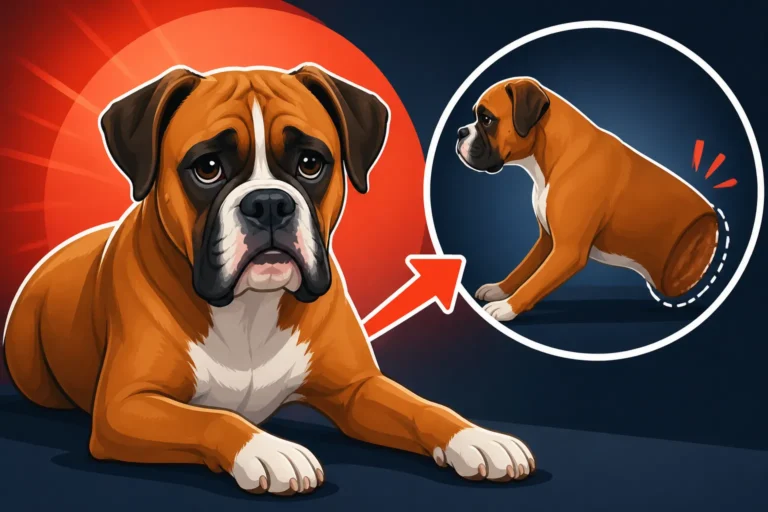
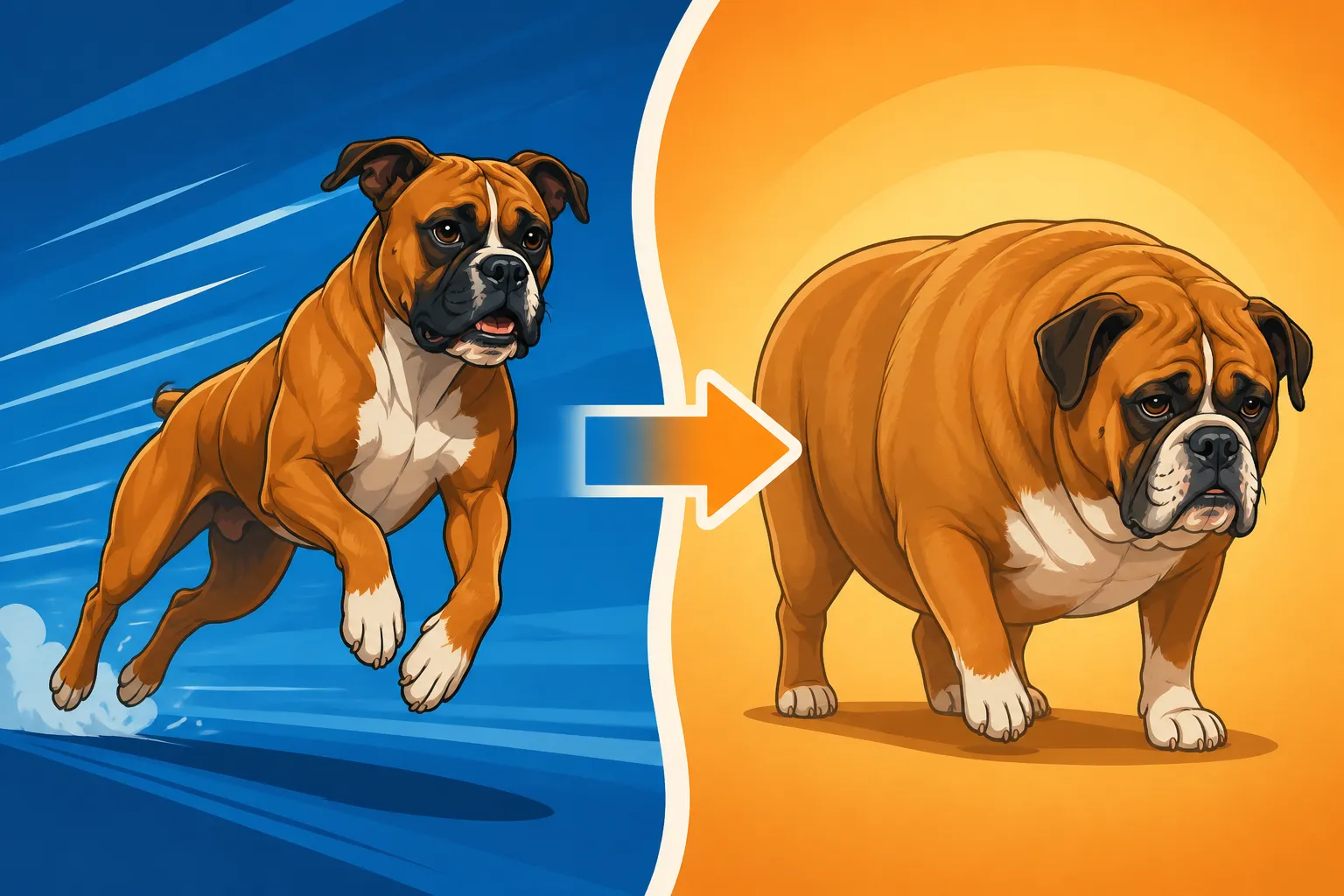
It’s a scenario many Boxer owners know all too well: you look at your once-spritely companion and notice a subtle shift. Their once-taut, athletic frame seems a little softer, a bit thicker around the middle, and those explosive bursts of energy have been replaced by a more sedate, perhaps even reluctant, pace. While it's tempting to brush off these changes as simply "old age," it's crucial to understand that they can also be indicators of underlying health conditions that warrant a closer look. This guide is here to help you navigate these changes, understand potential causes, and ensure your Boxer lives its best, most comfortable life as it gracefully ages.
Distinguishing Normal Aging from Concerning Symptoms
As Boxers mature, especially once they cross that invisible line into their senior years, which for many starts around seven or eight, some changes are indeed part of the natural aging process. They might sleep more, play a little less enthusiastically, and not quite have the same spring in their step. However, it's vital to differentiate between these expected shifts and those that signal something more significant is going on under the surface.
The Subtle Creep of "Old Age"
For years, your Boxer has been a whirlwind of energy, a four-legged torpedo always ready for action. You might remember the days they'd bounce off the walls, chase a ball for what felt like hours, or greet you with an exuberant, full-body wiggle that left you breathless. Now, you notice they might hesitate before jumping on the couch, or perhaps they're not as quick to get up from their nap when you suggest a walk. Their enthusiasm for that once-beloved tennis ball might have waned, replaced by a more casual trot or even a watchful gaze from a comfortable spot. These are the subtle, creeping signs of age that can make you wonder if your dog is just slowing down.
It's easy to dismiss these changes, to tell yourself, "Well, they're not a puppy anymore, it's just old age." And to a degree, you’re not wrong. Boxers, like us, experience a decline in metabolic rate and energy levels as they age. They might develop a slightly coarser coat, or their muscles might not be as defined as they once were. This can sometimes lead to a "thickening" appearance, where they gain a bit of weight even if their diet hasn't drastically changed, simply because they're burning fewer calories. Understanding What Changes in a Boxer After Seven can help you set realistic expectations for your aging companion. However, accepting these changes without question can sometimes mean missing early warning signs of treatable conditions.
When to Seek Veterinary Advice for Changes
While some slowing down is normal, there's a definite line between graceful aging and a medical concern. The key is vigilance and attention to detail. If your Boxer's slowdown or thickening is sudden, pronounced, or accompanied by other worrying symptoms, it's time to call the vet. For example, a dog that suddenly refuses stairs or can barely make it around the block when they could previously do a mile is waving a big red flag. Likewise, rapid weight gain or loss, increased panting, coughing, disorientation, excessive thirst, or changes in appetite are not just "old age" and need professional assessment.
Think about it this way: your Boxer can't tell you, "My hip hurts today," or "I feel really sluggish." They communicate through their behavior. If their play drive has diminished significantly, if they're struggling to get up after lying down, if they seem generally uncomfortable, or if that "thickening" is more like unexplained weight gain, these are all compelling reasons for a veterinary visit. A proactive approach is always best with Boxers, given their predisposition to certain health issues. Regular senior check-ups, even if you think your dog is fine, provide your vet with a baseline and an opportunity to catch things early. Never hesitate to voice your concerns, no matter how minor they seem, because often, the subtle changes you observe are the most crucial clues for your veterinarian.
Common Health Conditions Behind Thickening and Slowing
When your Boxer starts to thicken and slow down, it's natural to jump to conclusions, but it's important to remember that several different health issues could be at play. Many of these conditions are treatable, which is why early diagnosis is so critical.
Hypothyroidism and Metabolic Slowdown
One of the most common culprits behind a Boxer that thickens and slows down, especially when unexplained weight gain is a factor, is hypothyroidism. This condition occurs when the thyroid gland doesn't produce enough thyroid hormone, leading to a general slowdown of the body's metabolism. It's surprisingly prevalent in Boxers and can sneak up on owners. You might not have changed their food portion, and they're still walking the same routes, but the pounds start to creep on.
Beyond weight gain, other signs of hypothyroidism often include lethargy and a noticeable decrease in energy. Your once-eager Boxer might be less enthusiastic about walks, seem tired easily, and spend more time sleeping. You might also notice changes in their coat quality – it could become dry, brittle, and sparse, sometimes even leading to hair loss, particularly along the flanks or tail. They might also become more intolerant to cold, seeking out warm spots more often. If these symptoms sound familiar, especially the Weight Gain and Coat Loss in a Boxer, a simple blood test can often confirm a diagnosis. The good news is that hypothyroidism is generally very manageable with daily thyroid hormone replacement medication. Once the appropriate dosage is found, you'll often see a remarkable improvement in your Boxer's energy levels and a reversal of the weight gain and coat issues.
Arthritis and Joint Pain
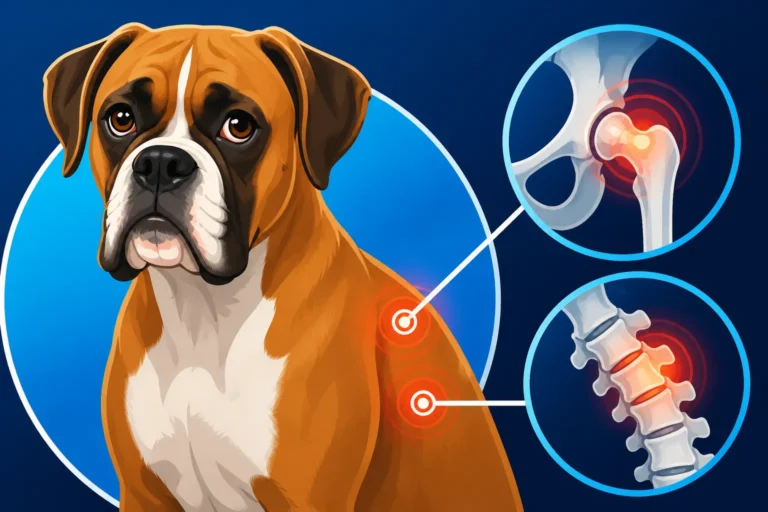
Another major reason for a Boxer slowing down, often accompanied by changes in their gait or posture that can make them appear "thicker" due to muscle atrophy or compensatory stances, is arthritis. Osteoarthritis, or degenerative joint disease, is unfortunately common in large, athletic breeds like Boxers as they age. Years of running, jumping, and playing take a toll on their joints, leading to the breakdown of cartilage, inflammation, and pain.
The signs of arthritis can be subtle at first. You might notice your Boxer is a bit stiffer after lying down for a while, perhaps taking longer to "warm up" on walks. They might hesitate before jumping into the car or onto the bed, or they might outright refuse to do so. Over time, this can progress to limping, a reluctance to play, and a general decrease in activity level because movement simply hurts. They might struggle to climb stairs or even change positions comfortably while sleeping. This chronic pain naturally leads to a "slowing down" as they try to avoid movements that cause discomfort. Conditions like Boxer Hip Dysplasia and Spondylosis can predispose them to early-onset arthritis, making vigilance even more important. Management strategies often involve a multi-modal approach, including pain medication (like NSAIDs), joint supplements, and controlled exercise, all aimed at improving their comfort and mobility.
Cardiac Concerns and Reduced Stamina
Boxers are a breed famously predisposed to certain heart conditions, most notably Arrhythmogenic Right Ventricular Cardiomyopathy (ARVC), sometimes called "Boxer Cardiomyopathy," and Subaortic Stenosis (SAS). While ARVC often presents with arrhythmias and can lead to sudden collapse or fainting, and SAS is a congenital narrowing of the aorta, both can contribute significantly to a Boxer's thickening and slowing down as they age. Even if your Boxer was screened as a puppy, or if they've been asymptomatic, these conditions can progress or manifest later in life.
A heart that isn't pumping efficiently means less oxygenated blood is reaching the muscles and organs. This directly translates to reduced stamina and exercise intolerance. Your Boxer might become winded much faster, lag behind on walks, or show a general reluctance to engage in physical activity they once loved. In more advanced cases, you might notice coughing (especially at night or when resting), increased respiratory rate, or even fainting episodes. This chronic fatigue and inability to exercise can also contribute to weight gain, adding to the "thickening" appearance. Regular cardiac screenings, including echocardiograms and particularly a 24-hour Holter monitor, are crucial for Boxers to detect these issues early. If your Boxer is diagnosed with a heart condition, your vet will likely prescribe medication, such as Sotalol or Vetmedin, to help manage the condition and improve their quality of life. Understanding Medication for a Boxer With an Arrhythmia is vital for owners of affected dogs.
Diagnostic Pathways and Early Detection
When you notice your Boxer thickening and slowing down, the first and most important step is a thorough veterinary examination. Early detection of any underlying conditions is key to effective management and maintaining your dog's quality of life.
The Comprehensive Senior Dog Exam
Taking your Boxer to the vet when you observe these changes isn't just about getting a diagnosis; it's about getting a comprehensive picture of their overall health. Your veterinarian will typically start with a thorough physical examination, which includes checking their weight, listening to their heart and lungs, palpating their abdomen and joints, and assessing their overall body condition and mobility. They'll also check their eyes, ears, and mouth.
Crucially, this is your opportunity to share every single observation you've made, no matter how insignificant it might seem. Did they skip breakfast twice last week? Are they drinking more water? Have their bathroom habits changed? Do they seem restless at night? These seemingly small details can be vital clues that guide your vet toward the right diagnostic tests. Beyond the physical, a comprehensive senior panel usually includes blood work – a complete blood count (CBC) to check for anemia, infection, or inflammation, and a chemistry panel to assess organ function (kidneys, liver) and blood sugar levels. A thyroid panel is often included to screen for hypothyroidism, which as we discussed, is a common cause of thickening and lethargy in Boxers. A urinalysis is also standard to check kidney function and rule out urinary tract infections. This array of initial tests provides a broad overview and can flag common issues.
Specialized Testing for Specific Conditions
If the initial comprehensive senior dog exam and blood work reveal any abnormalities, or if your vet suspects a specific condition based on your Boxer's symptoms, further specialized testing will likely be recommended. For instance, if the thyroid panel shows low thyroid hormone levels, your vet might recommend a more extensive thyroid panel to confirm the diagnosis and rule out other causes.
For suspected joint pain, X-rays of the hips, elbows, and spine are often necessary to evaluate for arthritis, spondylosis, or other orthopedic issues. These images can show joint degeneration, bone spurs, and changes in joint space. If a heart murmur is detected or heart disease is suspected, a cardiac referral might be recommended, involving an echocardiogram (an ultrasound of the heart) to visualize the heart's structure and function, and potentially a 24-hour Holter monitor to record heart rhythms over a longer period. This is particularly important for Boxers, given their predisposition to ARVC. Many owners find themselves needing to Rent a Holter Monitor for a Boxer to get an accurate assessment of their dog's heart. These specialized tests can involve significant costs, which is where having comprehensive pet insurance like Healthy Paws can truly make a difference, helping to cover a substantial portion of these diagnostic expenses.
Managing Weight and Promoting Mobility
Once a diagnosis is made, or even if your Boxer is simply aging gracefully, managing their weight and promoting their mobility are two cornerstones of ensuring a comfortable and active senior life. These aren't just about making them look better; they're about preventing further health complications and enhancing their overall well-being.
Tailoring Diet for the Older, Slower Boxer
As Boxers age and their activity levels naturally decrease, their caloric needs change. Continuing to feed them the same amount of food as when they were a boisterous young adult is a recipe for weight gain, exacerbating any existing joint pain or heart issues. Overweight dogs put more strain on their joints, lungs, and heart, making it harder for them to move and breathe comfortably. Therefore, one of the most impactful changes you can make is to adjust their diet. Many senior-specific dog foods are formulated with fewer calories, lower fat, and often higher fiber to help them feel full without overeating.
It's crucial to maintain a good level of high-quality protein in their diet to help preserve muscle mass, which naturally diminishes with age. Don't fall into the trap of drastically cutting protein, as this can lead to muscle wasting. Focus instead on appropriate portion control and lean protein sources. Regularly assess your Boxer's body condition score – you should be able to feel their ribs easily without seeing them prominently, and they should have a discernible waist when viewed from above. If your Boxer is already carrying extra weight, a slow, controlled weight loss plan, guided by your vet, is essential. For some Boxers, especially those with conditions like arthritis, incorporating joint-supporting ingredients like omega-3 fatty acids, glucosamine, and chondroitin into their diet can also be beneficial. Remember that Feeding a Boxer to Stay Lean and Muscled is a lifelong commitment that adapts as they age.
Adapting Exercise Routines
Just because your Boxer is slowing down doesn't mean they should stop exercising entirely. In fact, appropriate exercise is more important than ever to maintain muscle tone, joint flexibility, and mental well-being. The key is adaptation. Instead of long, strenuous runs or intense play sessions, opt for shorter, more frequent walks. For example, two to three gentle 15-20 minute walks a day might be more beneficial and less taxing than one long 45-minute trek.
Low-impact activities are ideal. Swimming can be fantastic for Boxers with arthritis, as it provides a full-body workout without putting stress on their joints, provided they enjoy it and can do so safely. Gentle leash walks on soft surfaces like grass are preferable to pounding pavement. Avoid activities that involve abrupt stops, starts, or jumping, which can be hard on aging joints. Pay close attention to your Boxer's cues during exercise: if they start to lag, pant excessively, or show signs of discomfort, it's time to stop. On days when physical activity is limited, mental stimulation becomes crucial. Puzzle toys, short scent games, or quick, easy training sessions can keep their minds sharp and prevent boredom. This tailored approach ensures your Boxer stays as mobile and happy as possible for as long as possible.
Supporting Comfort and Quality of Life
Beyond addressing specific medical conditions and making dietary and exercise adjustments, there’s a great deal you can do to support your aging Boxer’s comfort and enhance their overall quality of life. Sometimes, it’s the little things that make the biggest difference.
Pain Management and Joint Support
For Boxers dealing with arthritis or other musculoskeletal pain, a comprehensive pain management plan is crucial. While Non-Steroidal Anti-Inflammatory Drugs (NSAIDs) are often the first line of defense, reducing inflammation and pain, they are not the only solution. Your vet might suggest other medications, such as Gabapentin for nerve pain, or Amantadine to help with chronic pain. Newer treatments, like monthly injectable monoclonal antibodies (e.g., Librela), specifically target nerve growth factor, a key mediator of pain in osteoarthritis, offering significant relief for many dogs with fewer systemic side effects than traditional NSAIDs.
Beyond medication, joint supplements containing ingredients like glucosamine, chondroitin, and MSM can help support cartilage health and reduce inflammation. Omega-3 fatty acids, often found in fish oil supplements, also have powerful anti-inflammatory properties that can benefit both joints and heart health. Physical therapy, including therapeutic exercises, hydrotherapy, and laser therapy, can dramatically improve mobility and reduce pain. Some owners also explore alternative therapies like acupuncture or canine massage, which can provide additional comfort. Navigating these options can feel overwhelming, but a good veterinarian will work with you to create a tailored plan. It’s also worth noting that pet insurance, such as Healthy Paws, can be incredibly helpful for managing the ongoing costs associated with these various pain management therapies, making sure your Boxer gets the best possible care without financial strain being the primary concern.
Environmental Modifications
Making a few thoughtful changes around your home can dramatically improve your aging Boxer’s daily comfort and safety, especially if they’re struggling with mobility. Simple modifications can reduce the effort and pain involved in everyday activities. Consider ramps for accessing elevated surfaces like cars, couches, or even a few stairs. This eliminates the need for painful jumping or climbing. If you have slippery floors, like hardwood or tile, placing non-slip rugs or runners in high-traffic areas can prevent slips and falls, which can be very dangerous for an arthritic or unsteady Boxer.
Orthopedic beds are a game-changer for senior dogs. These beds, often made of memory foam, provide superior support for aching joints, cushioning pressure points and offering a much more comfortable resting place than a standard dog bed. Raised food and water bowls can also ease strain on your Boxer’s neck and back, making mealtime more comfortable, especially for those with spinal issues or stiff necks. Ensuring your Boxer has a warm, draft-free place to sleep is also important, as cold can exacerbate joint pain, particularly for Boxers who might feel the cold more as they age or if they have conditions like hypothyroidism. Thinking through your home environment from your Boxer's perspective can uncover many small ways to make their life easier and more comfortable, allowing them to conserve energy for the things they still enjoy.
Understanding the Broader Health Picture
When your Boxer starts to thicken and slow down, it’s not always a single issue at play. Often, it's a combination of age-related changes and specific health conditions. A holistic view is essential to ensure you're addressing all aspects of their well-being.
Interconnected Health Challenges in Senior Boxers
The various health issues we’ve discussed often don't occur in isolation. For instance, a Boxer with undiagnosed hypothyroidism might gain weight, which then puts extra strain on already aging joints, leading to more pronounced arthritis. The discomfort from arthritis could lead to even less exercise, further compounding weight gain and muscle loss. Similarly, a Boxer with a heart condition might have limited stamina, making it difficult to maintain an active lifestyle, again contributing to weight gain and muscle atrophy. This interconnectedness is precisely why a comprehensive approach, guided by your veterinarian, is so vital.
Moreover, Boxers are unfortunately known for their predisposition to certain cancers, which can also manifest as weight loss (despite the "thickening" often being fat gain) or general malaise and slowing down. While this article focuses on common reasons for thickening and slowing, it’s important to remember that unusual lumps or bumps or persistent lethargy could point to other serious conditions. Regular check-ups, including physical examinations and blood work, are paramount as your Boxer ages. These proactive visits allow your vet to monitor trends in their health, catch potential problems early, and adjust their care plan as needed. Having an understanding of potential issues means you can be more observant at home, which is the best form of early detection. For more on managing the costs associated with aging, consider reading about How Boxer Costs Climb After Seven.
The Role of Preventative Care and Proactive Screening
Preventative care throughout your Boxer's life, and especially as they reach their senior years, plays a monumental role in mitigating the impact of these age-related changes. This includes consistent annual or bi-annual veterinary visits, maintaining an ideal body weight from puppyhood, and providing a high-quality diet tailored to their life stage. However, for a breed like the Boxer, proactive screening for known predispositions is non-negotiable.
Regular cardiac screening, including the use of a Holter monitor to detect ARVC, should ideally begin before the age of three and continue annually, or as recommended by your cardiologist. This early detection allows for intervention before symptoms become severe. Likewise, discussing joint health with your vet, especially if you have a Boxer with known hip or elbow dysplasia in their lineage, can help you implement preventative measures or begin supportive care early. Even seemingly minor issues, like a recurring cough or changes in thirst, should be brought to your vet's attention promptly. The cost of these screenings and potential treatments can be substantial, which is why many responsible owners consider pet insurance early on. Insuring a Boxer Before the First Lump or before a heart condition is diagnosed can save thousands of dollars down the line and ensure you never have to make decisions based on your wallet instead of your Boxer's health. Taking these proactive steps ensures that if your Boxer does start to thicken and slow down, you're better prepared to understand why and provide the best possible care.
| Symptom Cluster | Potential Cause (Boxer Specific) | Key Indicators | Common Interventions |
|---|---|---|---|
| Weight Gain & Lethargy | Hypothyroidism, Reduced Activity | Dull coat, cold intolerance, persistent fatigue, generalized thickening | Thyroid hormone replacement, controlled diet |
| Stiffness & Reluctance to Move | Osteoarthritis, Spondylosis | Difficulty rising, limping, pain on palpation, decreased jump height | NSAIDs, joint supplements, physical therapy, ramps |
| Exercise Intolerance & Coughing | ARVC, SAS, other cardiac issues | Fainting, excessive panting, cough, increased respiratory rate | Cardiac medications, reduced strenuous activity, regular vet checks |
| General Slowing & Cognitive Decline | Normal Aging, Canine Cognitive Dysfunction | Disorientation, changed sleep-wake cycle, less interaction, house soiling | Mental stimulation, diet supplements (e.g., Senilife), routine |
Disclaimer
This article is intended for informational purposes only and does not constitute veterinary advice. Always consult with a qualified veterinarian for any health concerns or before making any decisions about your Boxer's medical care.