Cropping and Docking Bills on a Boxer Litter
Bringing home a Boxer puppy is a whirlwind of joy, excited bounciness, and endless questions. One of the biggest dilemmas, and often a significant financial consideration, for new and prospective Boxer owners revolves around the age-old traditions of ear cropping and tail docking. Many arrive in their new homes already having had their tails docked, a practice often performed before breeders ever release the pups. However, ear cropping is a much more involved procedure, typically occurring a bit later, and it comes with its own set of decisions, costs, and aftercare commitments that can leave even seasoned dog owners feeling overwhelmed. This guide aims to pull back the curtain on the actual bills associated with these procedures for a Boxer litter, delving into the financial, practical, and ethical aspects so you can make informed choices.
Understanding the Procedures: Ear Cropping and Tail Docking in Boxers
When you look at a classic image of a Boxer, you often picture those alert, upright ears and a short, powerful tail. These characteristics aren't natural; they're the result of careful, intentional procedures. To truly grasp the costs involved, it's essential to understand what these procedures entail and why they became so deeply ingrained in the breed's identity.
The Historical Context and Breed Standard
The Boxer's history as a working dog – a hunter, a cattle dog, and later, a police and military dog – heavily influenced its appearance. Back in the day, these dogs needed to be robust and less vulnerable to injury in their demanding roles. The German Origins of the Boxer reveal a past where dogs were bred for strength and utility, with little thought given to cosmetic surgery as we know it today. Originally, their ancestors, the Bullenbeissers, had natural, floppy ears and long tails.
Over time, as the Boxer breed developed, ear cropping and tail docking became standard practice. The belief was that cropped ears and docked tails prevented injuries during hunts or confrontations, and also presented a more formidable, alert appearance. The breed standard, set by organizations like the American Kennel Club (AKC), historically described the Boxer with these modifications, perpetuating the practice even as their working roles shifted from the field to the family home. The distinctive, turned-up muzzle, too, was a feature selectively bred for function, aiding in gripping prey, and the ears were thought to complement this look, giving the dog a certain "finished" aesthetic. Many still feel that Why the Boxer Was Given a Turned-Up Muzzle is directly related to the overall intended aesthetic and working function, where cropped ears contribute to the dog's characteristic silhouette.
The Procedures Themselves
Let's talk about what actually happens during these procedures, because they are quite different.
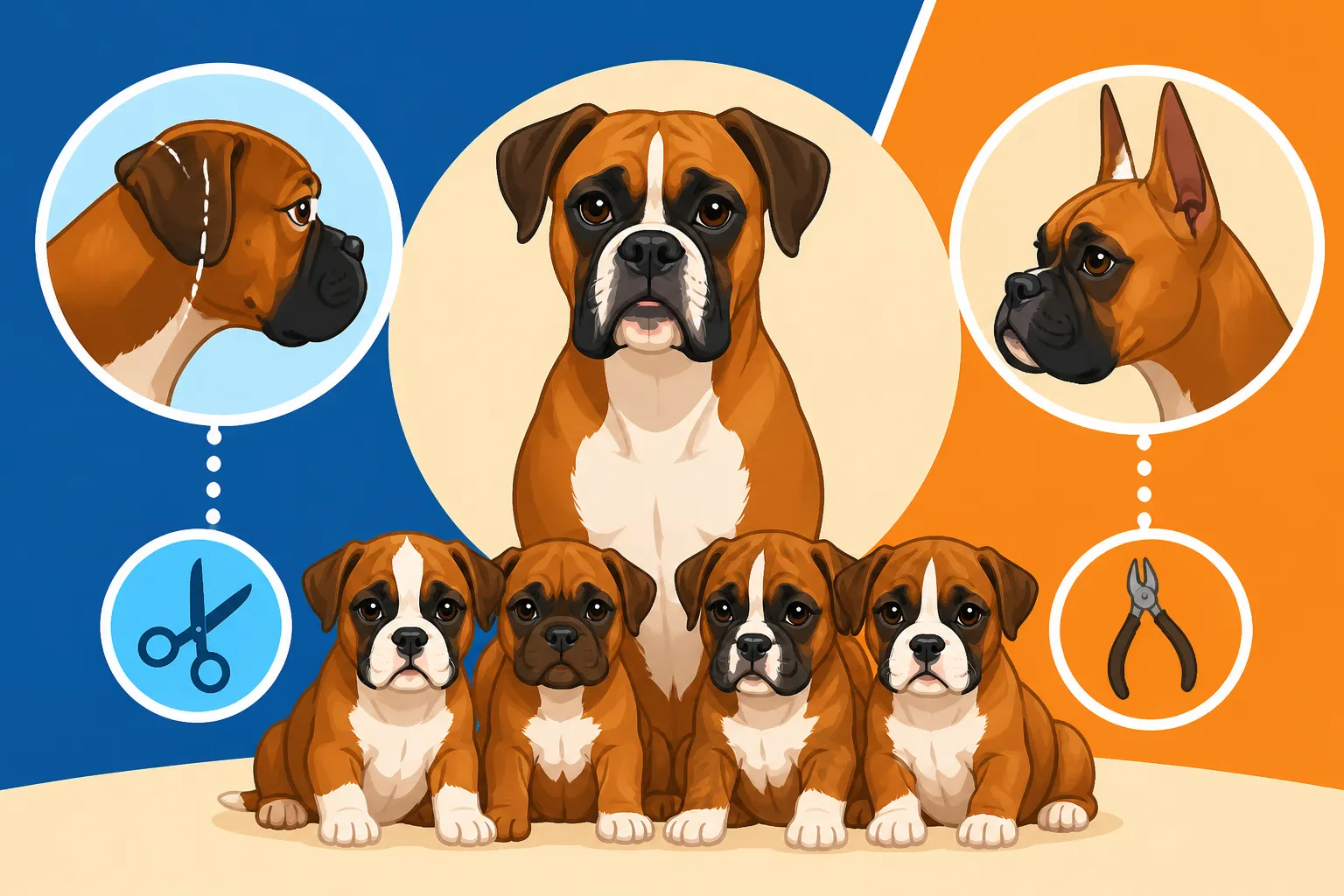
Tail docking is almost always performed when puppies are very young, typically between 3 to 5 days old. At this tender age, the procedure is often done by a veterinarian or sometimes even the breeder, usually without general anesthesia because the nervous system is not fully developed, and pain response is thought to be minimal. The tail is essentially amputated to a specific length using surgical scissors or a scalpel, and the skin is either sutured or allowed to heal naturally. It's a quick, albeit impactful, procedure. For a whole litter, this is usually a collective effort, managed very early on.
Ear cropping, on the other hand, is a proper surgical procedure requiring general anesthesia and sterile surgical conditions. It's typically done when the puppy is older, usually between 9 and 16 weeks of age, after they've received their initial vaccinations and are deemed healthy enough for surgery. During the procedure, a portion of the ear flap (pinna) is surgically removed to achieve the desired shape and length. This is not a one-and-done event; the surgery is just the beginning. The ears then require extensive aftercare, including taping and posting, to encourage them to stand erect. It's a significant undertaking, both for the puppy and the owner, demanding a commitment to follow-up care for several weeks or even months.
The Financial Outlay: What to Expect for a Litter
Understanding the procedures is one thing; knowing the costs is another entirely. For breeders or owners who choose to have these procedures done, the financial implications can be substantial.
Ear Cropping Costs per Puppy
Ear cropping is arguably the more expensive of the two procedures, primarily due to the expertise required, the use of general anesthesia, and the intensive aftercare. The cost can vary dramatically based on several factors:
- Veterinarian's Expertise and Location: Vets who specialize in ear cropping, or those in highly sought-after metropolitan areas, will typically charge more. This isn't a procedure every vet performs, and finding a reputable, experienced surgeon is paramount for a good outcome and to minimize risks. A botched crop can lead to serious health issues, poor aesthetic results, and even the need for costly corrective surgeries.
- Type of Crop: There are different styles of ear crops (e.g., show crop, pet crop), which can influence the complexity and thus the price. A longer, more elaborate show crop might cost more than a shorter pet crop.
- Inclusions in the Price: Some clinics offer an all-inclusive package that covers the surgery, anesthesia, initial bandaging, pain medication, and a certain number of follow-up taping appointments. Others might charge for each component separately, which can add up quickly.
Generally, you can expect ear cropping for a Boxer puppy to cost anywhere from $400 to $800 per puppy, sometimes even more in certain regions or with highly specialized veterinarians. If you have a litter of, say, six puppies, this could mean an upfront cost of $2,400 to $4,800 just for the initial surgeries. This doesn't even account for the ongoing aftercare, which can often double or triple the total expense over time. It's crucial to understand that Boxer Ear Cropping Costs and Where It Is Regulated can impact what you pay and even if you can find a vet willing to do the procedure in your area.
Tail Docking Costs for a Litter
Tail docking, as mentioned, is usually performed when puppies are just a few days old. Because it's a much quicker and less invasive procedure at this age, and often performed on an entire litter at once, the cost per puppy is significantly lower than ear cropping.
Many breeders will have the entire litter's tails docked at a single veterinary visit. The vet might charge a flat fee for the litter, or a reduced per-puppy fee. For example, a veterinarian might charge between $25 to $75 per puppy for tail docking, or a set fee for a litter, say, $150 to $300 for a litter of 8, which works out to be even less per pup. Some breeders who are experienced and confident in performing the procedure themselves (and in areas where it's legal for non-vets to do so) may choose to do it to save costs, though this is a contentious practice and not recommended by most animal welfare organizations.
The lower cost reflects the minimal need for anesthesia (often none is used at such a young age), shorter procedure time, and less intensive aftercare, which usually involves just keeping the area clean until it heals, which typically happens within a week or two.
Beyond the Initial Surgery: Aftercare and Follow-Up Expenses
The initial surgical bill for ear cropping is just the tip of the iceberg. The true financial commitment, and certainly the time commitment, comes with the aftercare.
Ear Cropping Aftercare Costs
Once the initial surgery is done, the critical phase of aftercare begins. This is where many owners underestimate the ongoing cost and effort. For Boxer ears to stand correctly, they need to be "posted" – taped to a support system – for weeks, sometimes months. This process aims to train the cartilage to grow into the desired upright shape.
Here's what you can expect to pay for:
- Weekly Vet Visits for Taping: Most cropped ears require professional re-taping every 5-10 days, depending on how quickly the puppy grows and how well the ears are healing. Each visit can cost $20 to $50 or more, and for a litter, multiplied over 8-16 weeks (or longer for some stubborn ears), this adds up fast. Imagine eight puppies, needing taping for 12 weeks, twice a week. That's 192 appointments! While most breeders won't be doing this for an entire litter for that long, they'll often do it for individual pups until they go to their new homes, passing the torch (and the bill) to the new owner. It's important to ask How Long Cropped Boxer Ears Take to Stand because it is rarely a quick process.
- Supplies for At-Home Taping: If you learn to re-tape the ears yourself (which many dedicated owners do to save money), you'll still need a continuous supply of medical tape, cotton, astringents, and sometimes specialized ear-molding products. Brands like Chewy can be a good source for medical tape and other general pet care supplies, often in bulk. These supplies can run $10-$30 per week per puppy.
- Pain Medication and Antibiotics: Post-surgical pain relief is crucial. Your vet will prescribe appropriate medication. If an infection develops, antibiotics will be needed.
Let's do some rough math for a single puppy:
Initial surgery: $600
10 weeks of vet re-taping (2x/week at $30/visit): $600
Aftercare supplies (10 weeks at $20/week): $200
Total: Approximately $1400 per puppy.
Multiply this by a litter of eight, and you're looking at over $11,000 for just the ear cropping procedures and diligent aftercare. This is why many reputable breeders factor these costs into the puppy price if they sell cropped puppies, or offer Posting and Taping a Cropped Boxer's Ears services post-sale.
Potential Complications and Their Price Tag
Unfortunately, not all ear-cropping procedures go smoothly, and complications can introduce significant unplanned expenses.
- Infections: Surgical sites are always susceptible to infection. Signs might include redness, swelling, discharge, or a foul odor. Treating an infection involves vet visits, antibiotics, and potentially anti-inflammatory drugs. These unplanned visits and medications can easily add $100 to $300+ to your bill.
- Poor Healing or Tape Reactions: Sometimes, the skin can react poorly to the tape, causing irritation, sores, or even necrosis in severe cases. This requires treatment, a break from taping, and potentially adjustments to the taping method.
- Cartilage Damage: Improper taping or overly aggressive handling can damage the delicate ear cartilage, leading to ears that won't stand, uneven ears, or "pocket" ears. Corrective surgeries are sometimes an option but are even more expensive and not always successful, often costing upwards of $1,000 to $2,500.
- Anesthesia Risks: While rare, any surgery involving general anesthesia carries a risk of complications, including allergic reactions or even death. While not directly a "cost of aftercare," it's a risk factor to consider when evaluating the overall expense and welfare implications of the procedure.
While elective procedures like cropping and docking aren't typically covered by pet insurance, having comprehensive coverage for your Boxer puppy once they're home is a smart move for future unforeseen health issues. Providers like Healthy Paws can be a lifesaver if your Boxer develops a sudden illness or has an accidental injury down the line. It's definitely something to consider from the moment you bring your puppy home, as pre-existing conditions won't be covered if issues arise before enrollment.
Ethical Considerations and Changing Norms
Beyond the financial spreadsheet, the ethics of ear cropping and tail docking are increasingly debated, with strong opinions on both sides.
The Debate: Welfare vs. Tradition
For decades, these procedures were seen as an integral part of the Boxer's identity, a tradition passed down through generations of breeders and owners. Proponents often argue that it completes the "look" of the breed as defined by historic standards, provides an alert expression, and some still believe it prevents ear injuries, though modern veterinary science largely disputes this. For working dogs, a docked tail was thought to prevent injury in dense brush or during tasks that might expose a long tail to trauma.
However, the tide is turning. Animal welfare organizations, many veterinarians, and a growing number of dog owners view these procedures as unnecessary cosmetic surgeries that inflict pain and potential risks upon animals without clear health benefits. The American Veterinary Medical Association (AVMA) has taken a strong stance, stating that What the AVMA Says About Cropping a Boxer is that it considers ear cropping and tail docking to be medically unnecessary procedures and opposes them. They cite concerns about animal welfare, potential pain, surgical risks, and the removal of body parts that serve natural functions (ears for hearing, communication, and balance; tails for balance and communication).
This debate often puts breeders and owners in a difficult position, balancing adherence to historical breed aesthetics with modern welfare sensibilities.
Legal and Veterinary Perspectives
The legal landscape around ear cropping and tail docking varies widely. In many countries, particularly across Europe (like the UK, Australia, and many parts of the European Union), these procedures are completely banned unless medically necessary, and showing dogs with cropped ears or docked tails (if the procedure was performed after a certain date) is often prohibited.
In the United States, the situation is more fragmented. There's no federal ban, and regulations are typically left to individual states or even local jurisdictions. Some states have restrictions or outright bans on ear cropping, while others allow it under veterinary supervision. The American Kennel Club (AKC) continues to allow Boxers with cropped ears and docked tails to be shown and does not consider these procedures to be cosmetic faults.
Finding a veterinarian willing to perform ear cropping is becoming increasingly challenging. Many vets, adhering to the AVMA's stance and their own ethical convictions, refuse to perform elective cosmetic surgeries. This means that if you want a cropped Boxer, you might have to travel significant distances to find a vet who offers the service, which, of course, adds to the overall cost and logistical complexity. Understanding Where Boxer Ear Cropping Is Restricted is vital for anyone considering this for their litter.
Breeder Responsibilities and Buyer Expectations
For prospective puppy buyers, navigating the world of cropped and docked Boxers can be confusing. It's crucial for breeders to be transparent and for buyers to know what questions to ask.
Transparency in Pricing and Practices
A responsible breeder will be upfront about their practices regarding ear cropping and tail docking. They should clearly state whether the puppies will have their tails docked (which, as discussed, is almost universal for Boxers in the US) and whether they offer ear cropping as part of their program.
Here's what a buyer should clarify:
- Included in Puppy Price: Is the cost of tail docking and/or ear cropping included in the price of the puppy? If so, what exactly does it cover (surgery, initial aftercare, follow-up tapings)?
- Optional or Mandatory: Does the breeder offer puppies with natural ears, or are all puppies cropped? If it's optional, what is the price difference?
- Aftercare Plan: If the ears are cropped, what is the breeder's plan for aftercare until the puppy goes home? Will they provide detailed instructions and resources for the new owner to continue the process? Many breeders will handle the initial weeks of posting and then guide the new owner.
- Veterinarian Information: Who is the veterinarian performing the procedures? Is this vet experienced with Boxer crops?
When you're researching What a Boxer Puppy Costs From a Real Breeder, these details about cropping and docking should be a significant part of the conversation. Reputable breeders prioritize the health and well-being of their dogs, which includes providing comprehensive information about any procedures performed. They should also be ready to discuss The Health Screening a Boxer Breeder Owes You which goes beyond physical appearance and into genetic health.
The Choice of Natural Ears and Tails
More and more, owners are embracing the natural look of Boxers with uncropped ears and undocked tails. This choice comes with several benefits:
- No Additional Cost: The most obvious advantage is saving hundreds, if not thousands, of dollars in surgical fees and extensive aftercare.
- No Surgical Risks: You completely bypass the risks associated with anesthesia and surgical complications, and the stress of the recovery period.
- Reduced Aftercare Burden: There's no need for weeks or months of taping, cleaning, and monitoring ears. Beyond regular grooming like Natural Ears on a Boxer and How to Clean Them, the ears simply take care of themselves.
- Communication: A Boxer's ears and tail are vital tools for communication. Their natural tail, though often described as a "blur" due to enthusiastic wagging, conveys a wide range of emotions. Their ears, whether pricked or laid back, also add to their expressive nature. Allowing them to keep these natural forms enhances their ability to interact with other dogs and humans.
- Growing Acceptance: As societal norms shift, natural ears and tails are becoming more widely accepted and even preferred in many circles. While AKC conformation shows still largely feature cropped and docked Boxers, many other dog sports and community events welcome dogs of all appearances.
Ultimately, the decision to crop ears or dock tails for a Boxer litter is a complex one, involving financial considerations, historical traditions, ethical debates, and personal preferences. There's no right or wrong answer that satisfies everyone, but being thoroughly informed is the best way to approach it. Whether your Boxer has cropped ears or natural, you'll still need quality food and supplies, readily available from retailers like Chewy or convenient subscription services like Ollie, which offers fresh, human-grade dog food that supports overall health and development.
Here's a simple comparison of the cost implications:
| Feature/Cost Factor | Natural Ears & Tail | Cropped Ears & Docked Tail |
|---|---|---|
| Initial Tail Docking (per pup) | Included (if done by breeder) | ~$25 – $75 (often part of litter fee, done at 3-5 days old) |
| Initial Ear Cropping (per pup) | $0 (not applicable) | ~$400 – $800 (surgery, anesthesia, initial bandage, done at 9-16 wks) |
| Aftercare – Vet Visits (per pup) | $0 (not applicable) | ~$20 – $50+ per visit (weekly for 8-16+ weeks) |
| Aftercare – Supplies (per pup) | $0 (not applicable) | ~$10 – $30 per week (tape, cotton, cleaning solution) |
| Potential Complications | $0 (not applicable) | $100s to $1000s (infections, corrective surgery) |
| Estimated Total (per pup) | Included in puppy price | ~$700 – $2000+ (over several months) |
| Ethical Considerations | Generally no controversy | Significant debate over animal welfare and necessity |
| Legal Restrictions | None | Varies by region; banned in many countries |
| Communication | Full natural expression | Reduced tail/ear communication |
Disclaimer
The information provided in this article is for general informational purposes only and does not constitute veterinary advice. Always consult with a qualified veterinarian for any health concerns or before making any decisions about your pet's care, including surgical procedures like ear cropping or tail docking. Costs are estimates and can vary significantly based on location, veterinarian, and specific circumstances.