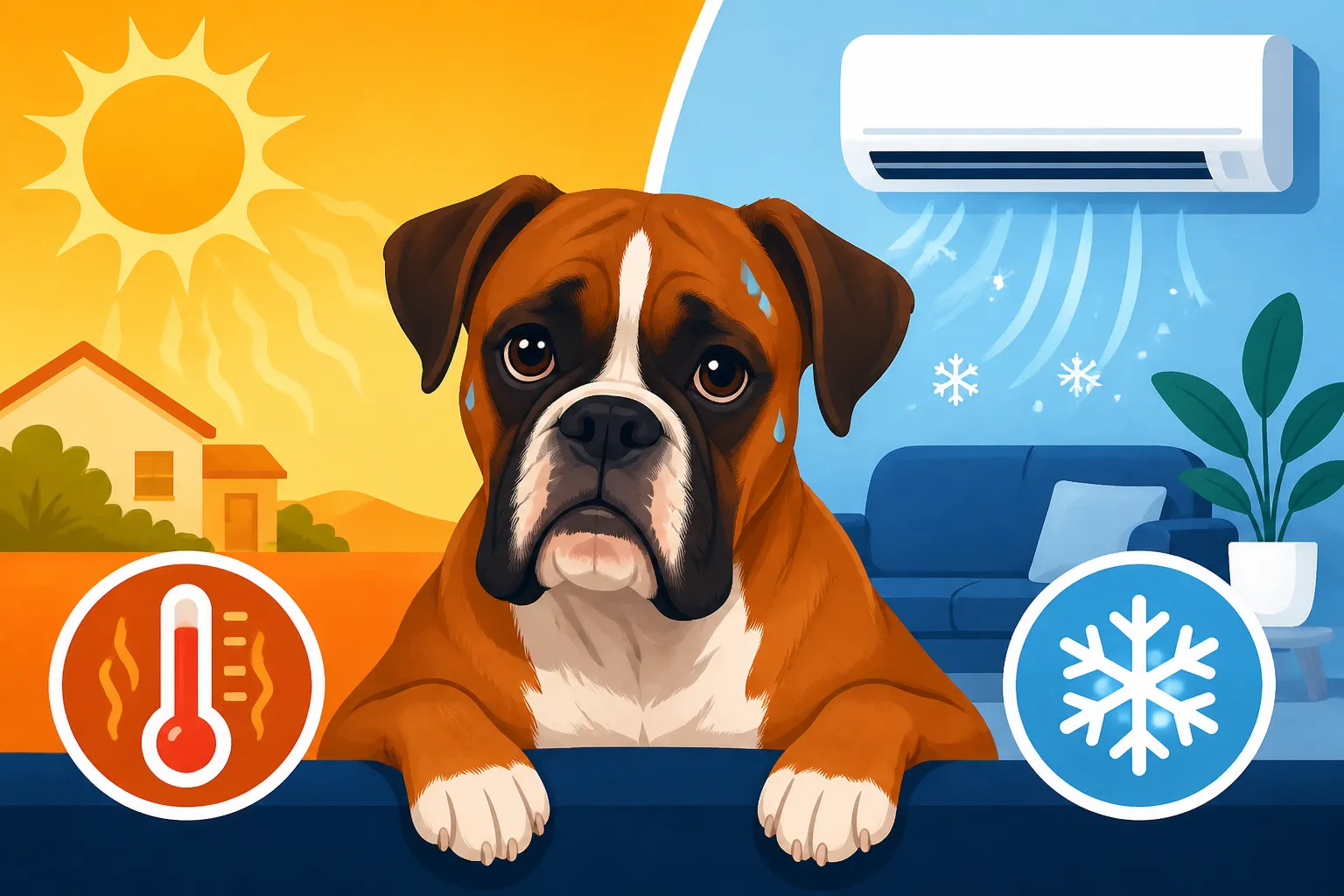
Cooling Bills in a Household With a Boxer
It’s a struggle many Boxer owners know all too well: that constant negotiation with the thermostat, the internal debate over turning down the AC another notch, and the nagging worry that your beloved Blockhead is just too hot. You want your Boxer to be comfortable and safe, but you also glance nervously at your rising electricity bill. This guide is here to unravel why Boxers need such careful climate control and offer practical, realistic strategies to keep your dog cool without sending your household budget into a meltdown.
Understanding Your Boxer's Unique Cooling Needs
Owning a Boxer is a joyful adventure, filled with goofy antics and boundless affection. But it also comes with a unique set of responsibilities, particularly when it comes to temperature regulation. Unlike some breeds that seem built for any weather, Boxers have a physiology that makes them particularly vulnerable to heat. This isn't just about comfort; it's about their fundamental health and well-being.
Why Boxers Are So Prone to Overheating
The primary reason Boxers struggle in the heat lies in their brachycephalic, or "flat-faced," anatomy. That adorable pushed-in muzzle, while a hallmark of the breed, severely compromises their ability to cool themselves effectively. Dogs primarily regulate their body temperature through panting. Air passes over the moist surfaces of their mouth and throat, evaporating water and carrying heat away from the body.
For a Boxer, however, those shortened airways, often combined with a narrower trachea and elongated soft palate, mean that the air exchange is simply not as efficient. They have to work much harder to move the same amount of air as a long-nosed breed. Imagine trying to breathe through a straw during a workout; that's a bit what it's like for a Boxer in warm weather. Their large, muscular bodies also generate a good deal of internal heat, and their short coat offers little insulation against external warmth, nor does it provide the evaporative cooling a longer, double coat might. This combination means they absorb heat easily and struggle immensely to get rid of it. You might notice them panting more heavily even when relatively inactive, especially as the temperatures rise.
The Health Risks of a Hot Boxer
The dangers of overheating for a Boxer are not merely discomfort; they can be life-threatening. Heatstroke is a serious medical emergency that can rapidly lead to organ damage, neurological issues, and even death. Because Boxers can't cool down effectively, their internal body temperature can soar much faster than other dogs. Symptoms can escalate quickly, starting with excessive panting, drooling, and bright red gums, moving to weakness, staggering, vomiting, diarrhea, and eventually collapse or seizures.
Beyond immediate heatstroke, prolonged exposure to even moderately warm conditions can exacerbate existing health conditions. Boxers are prone to certain heart conditions, such as Boxer Cardiomyopathy and the Holter Monitor or Subaortic Stenosis in a Boxer Puppy. For dogs with these underlying heart issues, the extra strain of trying to cool down in warm weather puts immense stress on their cardiovascular system. It forces their heart to work harder, which can trigger arrhythmias or decompensation. Similarly, older Boxers, who might be dealing with Arthritis in an Older Boxer or other age-related ailments, have a reduced capacity to handle heat stress, making consistent cooling even more critical. Ensuring a cool environment is a proactive step in managing these potential health vulnerabilities and can literally add years to their The Ten to Twelve Year Boxer Lifespan.
Smart Strategies to Keep Your Boxer Cool and Energy Costs Down
It’s easy to feel like the only way to keep your Boxer cool is to blast the air conditioning to arctic levels, but that's not always sustainable for your wallet. Thankfully, there are many clever, practical strategies you can employ that not only help your furry friend stay comfortable but also manage those dreaded energy bills. It's all about being intentional and creative with your cooling efforts.
Everyday Habits That Make a Difference
One of the most effective ways to reduce your cooling bill is to implement smart habits throughout your day. Start by adjusting your exercise routine. Instead of walking your Boxer in the middle of the afternoon, plan walks for the early morning hours, right as the sun comes up, or late in the evening once the heat has dissipated. Even a seemingly mild 75-degree Fahrenheit day can be dangerous for a Boxer, so be vigilant. If you're wondering Whether a Boxer Should Be Outside at All in July, the answer is often no, or only for very short potty breaks.
Inside the house, strategic use of window coverings can make a huge difference. Keep blinds, curtains, or shades closed on the sunny sides of your home during the day to block solar heat gain. Ceiling fans, while not cooling the air itself, create a wind chill effect that can make a room feel significantly cooler for both you and your dog, often allowing you to set your thermostat a few degrees higher. Ensure fresh, cool water is always available; consider adding ice cubes to their bowl or using a large, heavy crock that keeps water cooler longer. Limiting activity during the hottest parts of the day is crucial. Encourage quiet time and naps when the sun is at its peak. Remember, a Boxer's short coat offers little protection, and their bodies just aren't designed for sustained heat exposure. You might also find it helpful to mist them lightly with a spray bottle of cool water, especially on their paws and belly, for some quick evaporative cooling.
Gadgets and Gear for Boxer Comfort
Beyond daily habits, a host of products can provide targeted cooling for your Boxer without requiring constant air conditioning. Cooling mats are a fantastic investment; many are pressure-activated, requiring no refrigeration or electricity, and can offer a cool spot for your Boxer to lie on. Look for durable options on sites like Chewy that can withstand a Boxer's energy. Elevated dog beds are another great solution. By lifting your Boxer off the floor, they allow air to circulate underneath, preventing heat from building up around their body.
For outdoor excursions or even just lounging on the patio on a milder day, a cooling vest can be surprisingly effective. These vests are usually soaked in water, and as the water evaporates, it draws heat away from your dog's body. Similarly, a small kiddie pool with just a few inches of water can be a huge hit for a Boxer who enjoys splashing. Just be sure to supervise them closely and ensure they don't overdo it. Frozen treats, like Kongs stuffed with peanut butter or yogurt and then frozen, can also help cool them from the inside out and provide mental stimulation during downtime. Remember to introduce any new gear slowly to ensure your Boxer is comfortable with it.
Breaking Down the Impact on Your Energy Bills
Let's be honest, those energy bills can sting, especially when you feel like you're running the AC just for your dog. It's a valid concern, and understanding the factors at play can help you make more informed decisions and budget more effectively. The comfort of your Boxer often necessitates a cooler indoor environment than what might be comfortable for humans, and that inevitably translates to increased energy consumption.
How Boxer Ownership Can Influence Power Consumption
The simple truth is, to keep a Boxer safe and healthy, you might need to run your air conditioning more often, or at a lower temperature, than you would without one. Boxers, due to their brachycephalic nature, can't tolerate heat the way many other breeds (or humans) can. This means maintaining an ambient temperature typically below 78°F (25.5°C) and often closer to 72-75°F (22-24°C) becomes a necessity, not a luxury, during warmer months. Compare this to the average human comfort range, which might be a few degrees higher, and you can see why your AC unit might be working overtime.
The size of your home and its insulation also play a significant role. A poorly insulated older home will lose cool air faster, forcing your AC to cycle more frequently. If your Boxer spends a lot of time in a particular room, you might be tempted to cool that room more aggressively, potentially over-cooling other areas. Your local climate is also a huge factor; living in a hot, humid region like Florida or Arizona will naturally mean higher cooling costs than living in, say, the Pacific Northwest, where cooling needs are seasonal and less intense. The longer and hotter your summers are, the more pronounced the impact on your bills will be.
Here's a quick overview of how various factors can impact your cooling bills:
| Factor | Impact on Cooling Bills (Generally) | Notes |
|---|---|---|
| Boxer Breed | High increase | Brachycephalic nature demands lower temps; constant AC often required. |
| Home Insulation | High (poor insulation = higher bills) | Well-insulated homes retain cool air better, reducing AC runtime. |
| Local Climate | Very High (hotter climate = higher) | Regions with long, hot summers will naturally incur higher costs. |
| Thermostat Setting | High (lower temp = higher bills) | Every degree lower can significantly increase energy use. Aim for balance with Boxer comfort. |
| AC Unit Efficiency | High (older/inefficient = higher) | Older units work harder and consume more power. Regular maintenance is key. |
| Window Coverings | Moderate (closed = lower) | Blocking sunlight prevents passive heat gain, reducing the load on your AC. |
| Daily Habits | Moderate (smart habits = lower) | Strategic exercise times, fan use, and restricted sun exposure can ease the AC's burden. |
Budgeting for the Boxer's Comfort
Knowing that higher cooling bills are part and parcel of Boxer ownership, it's wise to integrate this into your overall pet budget. Think of it as a standing cost, just like food, vet visits, or pet insurance. Many pet insurance providers, like Healthy Paws, focus on accident and illness, so while they wouldn't cover your electricity bill, they would be invaluable if your Boxer suffered from heatstroke and needed emergency veterinary care. Factoring in potential emergencies helps ease some of the financial burden if the worst happens.
Beyond emergency preparedness, consider setting aside a small "comfort fund" each month specifically for the elevated energy costs during summer. This proactive approach can alleviate the stress of seeing those higher bills. You might also explore energy-saving programs offered by your local utility company. Some offer smart thermostat rebates or energy audits that can identify areas for improvement in your home's efficiency. Thinking about a fresh food diet for your Boxer from a provider like Ollie? While primarily focused on nutrition, a dog's metabolic rate and internal heat generation can subtly be influenced by diet, though the impact on cooling bills would likely be minimal compared to ambient temperature. The main takeaway here is to acknowledge this cost upfront, plan for it, and explore all avenues to mitigate it.
Long-Term Solutions and Considerations for Boxer Households
Sometimes, simply adjusting habits and using cooling mats isn't enough, especially if you live in a particularly hot climate or your home struggles to stay cool. For the dedicated Boxer parent, investing in more robust, long-term solutions can offer peace of mind and, in some cases, even pay for themselves over time through energy savings. It's about creating a truly comfortable and safe environment for your canine companion.
Assessing Your Home's Climate Control
Before making any big investments, take a good, hard look at your home's current climate control situation. Is your air conditioning unit old and struggling to keep up? Older units are notoriously inefficient and can be major energy hogs. Are there noticeable drafts around windows and doors, indicating poor insulation? Simple solutions like weatherstripping and sealing cracks can make a surprisingly big difference in retaining cool air and reducing your AC's workload.
Consider a smart thermostat. These devices can learn your schedule, allow remote control from your phone, and help optimize your home's temperature, potentially saving you money by not over-cooling when you're not home or when your Boxer is less active. Setting it to a slightly higher temperature when you're away but still low enough to be safe for your Boxer, then dropping it a degree or two before you return, can cut down on constant running. You might also want to explore zoning systems, which allow you to cool specific areas of your home more efficiently. This means you could keep your Boxer's primary resting area cooler without having to blast the AC throughout the entire house unnecessarily.
When to Consult Professionals or Upgrade Systems
If you've tried all the smaller strategies and your Boxer is still consistently panting, seeking out cooler spots, or worse, showing signs of heat distress, it might be time to bring in the professionals. An HVAC technician can assess your current system, recommend repairs, or suggest a more energy-efficient upgrade. While the upfront cost can be significant, a modern, high-efficiency AC unit can drastically reduce your monthly cooling bills in the long run.
For homes with poor insulation, consulting an energy efficiency expert can reveal opportunities for sealing leaks, adding insulation to attics or walls, or even upgrading to more energy-efficient windows. These improvements not only help with cooling but also with heating in the winter, providing year-round benefits. If you're building a new home or undertaking a major renovation, consider features like radiant cooling systems or even geothermal heating and cooling, which, while expensive to install, offer exceptional efficiency. Ultimately, the decision to invest in these larger solutions comes down to your Boxer's health needs, your home's current capabilities, and your long-term budget. The peace of mind that comes from knowing your Boxer is safe and comfortable is, for many, priceless. You can also explore options for supplemental cooling in specific areas, such as a portable AC unit in their designated room if whole-house cooling isn't feasible or affordable, or even a simple box fan positioned strategically for air circulation.
Disclaimer
This article is for general informational purposes only and does not constitute professional advice. Laws, prices and regulations vary by location and change over time. Consult a qualified professional for guidance on your specific situation.