Whether a Boxer Should Be Outside at All in July
As July rolls around, many of us are eagerly anticipating long days, backyard barbecues, and adventures with our beloved Boxers. However, for a Boxer owner, the rising temperatures can bring a serious wave of anxiety. You want your dog to enjoy the summer, but you're constantly weighing the joy of outdoor play against the very real danger of them overheating. This guide will walk you through the crucial considerations for keeping your Boxer safe and happy during the hottest month of the year.
Understanding Why Boxers Struggle in Summer Heat
It's not just your imagination; Boxers genuinely have a harder time coping with heat than many other breeds. Their unique physiology, which gives them that distinctive, lovable look, is also their biggest Achilles' heel when the mercury rises. Understanding these challenges is the first step in protecting them.
The Brachycephalic Predicament: A Boxer's Flat Face
The most significant factor making July dangerous for Boxers is their brachycephalic (flat-faced) skull structure. Unlike dogs with longer snouts, Boxers have shortened air passages. This means their ability to cool themselves down through panting is severely compromised. When a dog pants, air passes over the moist surfaces of their tongue, mouth, and throat, evaporating moisture and dissipating heat. For a Boxer, there's less surface area and more obstruction.
Imagine trying to breathe through a pinched straw while running a marathon on a hot day. That's a bit like what a Boxer experiences when they're trying to cool down. Their respiratory system has to work much harder to achieve the same cooling effect, leading to increased internal heat production and faster exhaustion. This isn't a minor inconvenience; it's a fundamental design flaw that can turn a seemingly mild summer day into a medical emergency. You might see your Boxer struggling even when it doesn't feel that hot to you, and it's precisely because their cooling system just isn't as efficient.
Dense Coats and High Energy Levels
While Boxers have a short, smooth coat, it's quite dense. This density, combined with their naturally muscular build, can trap heat close to their body. Unlike dogs with thinner coats or those with double coats that offer insulation (which can actually protect from heat and cold), a Boxer's coat doesn't provide much in the way of heat regulation in extreme temperatures.
Adding to this challenge is their boundless energy. Boxers are known for their playful, zoomie-filled antics. They are perpetual puppies, even into adulthood, and have a high drive to run, jump, and play. This enthusiasm often overrides their common sense when it comes to self-preservation in the heat. A Boxer will run themselves ragged chasing a ball or playing with another dog, not realizing they are pushing their body to a dangerous limit. You have to be the adult in the room, constantly monitoring their activity and intervening long before they decide they've had enough. Even gentle exercise can be too much when the sun is beating down. For more on managing their activity, check out Boxer Exercise Needs and the Heat That Limits Them.
Recognizing the Early Warning Signs of Heat Stress in Your Boxer
Being able to spot the subtle signals that your Boxer is struggling with the heat is absolutely critical. These signs can escalate rapidly, and early intervention can literally be the difference between life and death. Don't wait until it's an emergency; learn to read your dog's body language.
Beyond Excessive Panting: Subtle Cues
Of course, all dogs pant when hot, but for a Boxer, "excessive" panting quickly becomes a red flag. It's not just the speed, but the effort involved. Look for panting that is rapid and shallow, accompanied by a widely open mouth and perhaps a visibly extended tongue. Their breathing might sound labored, even like snoring or gasping, which can sometimes be mistaken for their normal brachycephalic noises but is much more intense.
Beyond the obvious panting, watch for changes in their demeanor. Is your usually boisterous Boxer suddenly lethargic or reluctant to move? Are they seeking out the coolest, shadiest spot and refusing to engage? Other subtle signs include drooling more than usual (and Boxers already drool a fair bit!), a bright red tongue or gums, or glassy eyes. They might appear disoriented, stumble, or even collapse. Any of these signs should immediately stop whatever activity you're doing and prompt you to get them to a cooler environment. For a deeper dive into the symptoms, read Signs a Boxer Is Overheating.
Progressing to Heatstroke: What to Watch For
If the early warning signs are missed or ignored, a Boxer can quickly progress to full-blown heatstroke, a life-threatening condition. At this stage, symptoms become much more severe and alarming. You might see vomiting or diarrhea, sometimes with blood. Their gums may turn a dark red or even purple, indicating a lack of oxygen. Their body temperature will be extremely high – anything over 104°F (40°C) is dangerous.
In extreme cases, heatstroke can lead to seizures, unresponsiveness, or even coma. Muscle tremors are another frightening symptom. If you suspect heatstroke, every second counts. Get your dog to the nearest emergency veterinary clinic immediately. On the way, try to initiate some basic cooling measures: apply cool, wet cloths to their armpits, groin, and paw pads. Avoid using ice-cold water, as this can cause blood vessels to constrict and actually hinder cooling. For immediate steps, consult Getting a Boxer's Temperature Down in Minutes.
Here’s a quick overview of key signs and actions:
| Sign of Heat Stress | Description | Immediate Action |
|---|---|---|
| Excessive/Labored Panting | Very fast, shallow breathing, wide open mouth, extended tongue, noisy gasps | Move to shade/indoors, offer water, use fan. |
| Increased Drooling | More slobber than usual, thicker consistency. | As above, wipe muzzle folds. |
| Bright Red Gums/Tongue | Gums and tongue appear unnaturally vivid red. | Start cooling, contact vet. |
| Lethargy/Weakness | Unwillingness to move, stumbling, lying down frequently. | Cease all activity, move to cool area, encourage rest. |
| Vomiting/Diarrhea | Can be a sign of internal distress. | Contact vet immediately, provide small sips of water. |
| Disorientation/Collapse | Confusion, wobbly gait, falling over. | Emergency! Transport to vet, begin active cooling (wet cloths, fan). |
| Seizures/Unconsciousness | Convulsions, unresponsiveness. | Extreme Emergency! Get to vet NOW, continue cooling. |
Practical Strategies for Safe Outdoor Time in July
Given the risks, the best advice for Boxers in July often comes down to minimizing outdoor exposure during peak heat. However, life happens, and sometimes a quick potty break or a necessary car ride can't be avoided. The key is to be strategic and proactive, arming yourself with tools and habits to keep them as cool as possible.
Timing is Everything: Early Mornings and Late Evenings
Forget midday walks or long play sessions when the sun is highest. For Boxers in July, outdoor activity should be strictly limited to the coolest parts of the day. This typically means very early mornings, right as the sun is coming up, or late evenings after it has set and the ground has had a chance to cool. Even then, you need to be vigilant. Pay attention to humidity as well; high humidity makes it even harder for dogs to cool down, as evaporation is less efficient.
Before you even step outside, test the pavement with your bare hand. If it’s too hot for you to hold your hand there for seven seconds, it’s too hot for your Boxer’s paw pads. Remember, asphalt can be significantly hotter than the ambient air temperature. Short, purposeful potty breaks on grass are usually acceptable, but long strolls or vigorous play are off-limits when temperatures climb. If you have to take them out, keep it brief, stick to shady, grassy areas, and always have water with you.
Leveraging Cooling Gear and Hydration
There's an array of cooling products designed to help brachycephalic breeds manage the heat. Cooling vests, bandanas, and mats can make a big difference. Many cooling vests work by holding moisture that slowly evaporates, drawing heat away from your Boxer's body. Brands like Ruffwear or The Chill Dog sell quality cooling vests that are often available on platforms like Chewy or Amazon. Make sure any gear you use fits properly and doesn't restrict breathing.
Hydration is paramount. Always have fresh, cool water available, whether you're at home or on the go. Portable water bottles with attached bowls are a lifesaver for walks. You can also add ice cubes to their water bowl or offer frozen treats to encourage fluid intake. Some owners even offer specific hydrating foods or supplements. For example, fresh food companies like Ollie offer human-grade ingredients which often have higher moisture content than dry kibble, which can be beneficial during hot spells. A small paddling pool in a shady spot can also be a fantastic way for your Boxer to cool off, but always supervise them, especially if they aren't strong swimmers. Read more on this in Paddling Pools and a Boxer That Cannot Cool Itself.
Avoiding Cars and Hot Surfaces
Leaving a dog in a car on a hot day, even for "just a few minutes" with the windows cracked, is incredibly dangerous and often fatal. The internal temperature of a car can skyrocket in minutes, becoming an oven. Boxers, with their already compromised breathing, succumb even faster. It's simply not worth the risk. If you need to transport your Boxer, ensure the car's air conditioning is running effectively and that you're not making any stops where they would be left alone.
Beyond cars, be mindful of all hot surfaces. Pavement, concrete, artificial turf, and even dark-colored sand can reach scorching temperatures, causing painful burns to your Boxer's paw pads. Stick to natural grass or shaded dirt paths. If you can't avoid hot surfaces, consider dog booties specifically designed to protect paws from extreme temperatures. Remember that their short coat also offers little protection from direct sun, so prolonged exposure can lead to sunburn, especially on white Boxers or those with sparse hair on their bellies.
Creating a Cool and Safe Indoor Haven for Your Boxer
Since outdoor time in July is so limited, your primary focus should be on creating an indoor environment that is a sanctuary from the heat. This means more than just turning on the air conditioning; it involves strategic planning to ensure your Boxer is comfortable, stimulated, and safe.
The Importance of Air Conditioning and Fans
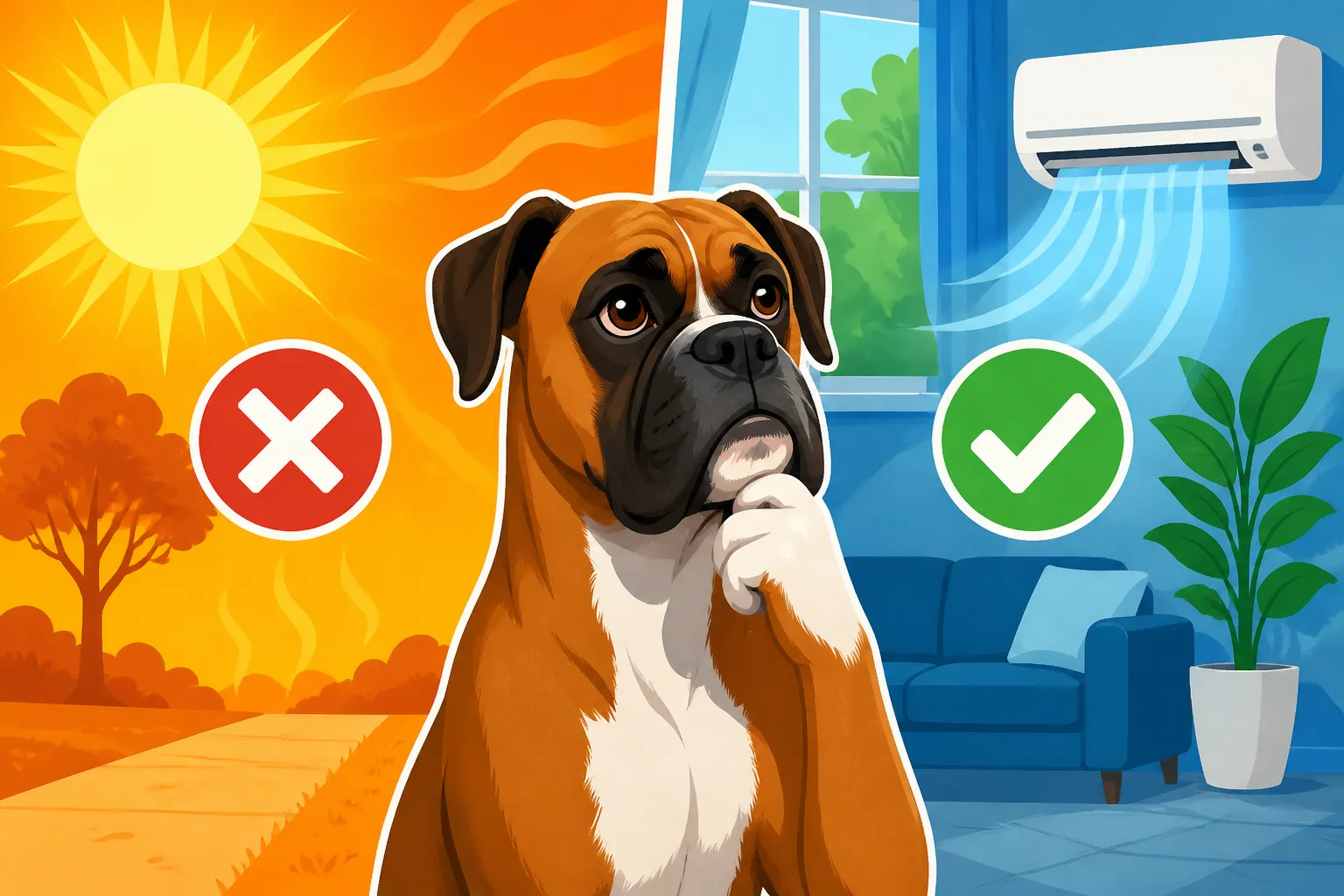
Air conditioning isn't a luxury for a Boxer in July; it's a necessity. Maintaining a cool indoor temperature is the most effective way to prevent overheating. If you don't have central air, consider investing in portable AC units for the rooms where your Boxer spends most of their time. Fans can help circulate air, but they primarily move hot air around and aren't a substitute for actual cooling. However, a fan directly aimed at your Boxer can provide some relief by increasing evaporative cooling from their moist surfaces.
Consider strategically placing cooling mats – gel-filled mats that absorb and dissipate body heat – where your Boxer likes to rest. Elevated dog beds can also help by allowing air to circulate underneath, preventing heat from radiating up from the floor. Closing curtains or blinds during the hottest parts of the day can block direct sunlight and keep your home cooler. Remember, your electricity bill might go up, but it's a small price to pay for your Boxer's health and safety. The comfort and health of your brachycephalic companion hinge on these environmental controls. For related tips, see Cooling Gear for a Flat-Faced Boxer and Cooling Bills in a Household With a Boxer.
Enrichment and Mental Stimulation Indoors
A high-energy breed like a Boxer still needs stimulation, even if they can't have their usual romp outside. Boredom can lead to destructive behaviors, which is the last thing you want on a hot day. Focus on indoor enrichment activities that don't involve vigorous physical exertion.
Puzzle toys, snuffle mats, and KONGs stuffed with frozen treats (like peanut butter, yogurt, or wet dog food) can keep their minds busy and provide a cool snack. Interactive chew toys can also be great for mental and dental health. Training sessions, broken into short bursts, are another excellent way to engage your Boxer without overheating them. You can teach new tricks, practice obedience cues, or engage in scent work indoors. Brands like Kong and Outward Hound make excellent durable puzzle toys available on Chewy or Amazon. Remember, a tired mind is often just as effective as a tired body, and it's much safer in the summer heat.
Water Access and Monitoring
While we've touched on hydration, it's worth reiterating its importance indoors. Ensure multiple bowls of fresh, cool water are available in various locations throughout your home. Some Boxers might prefer a pet fountain, which keeps the water circulating and fresh. You can also offer low-sodium broths or electrolyte solutions (specifically made for dogs) if you're concerned about dehydration, but always consult your vet first.
Regularly observe your Boxer, even when they are resting indoors. Are they still panting heavily in an air-conditioned room? Are they restless or unable to settle? These could be signs that they are still too warm or are not coping well despite your best efforts. Never assume they're fine just because they're inside. Your constant vigilance is their best defense against the dangers of July heat.
Disclaimer
This article is for general informational purposes only and does not constitute professional advice. Laws, prices and regulations vary by location and change over time. Consult a qualified professional for guidance on your specific situation.