Diet Changes for a Boxer With Colitis
Dietary changes for a Boxer with colitis involve novel proteins like duck, limited ingredients, and avoiding rich foods.
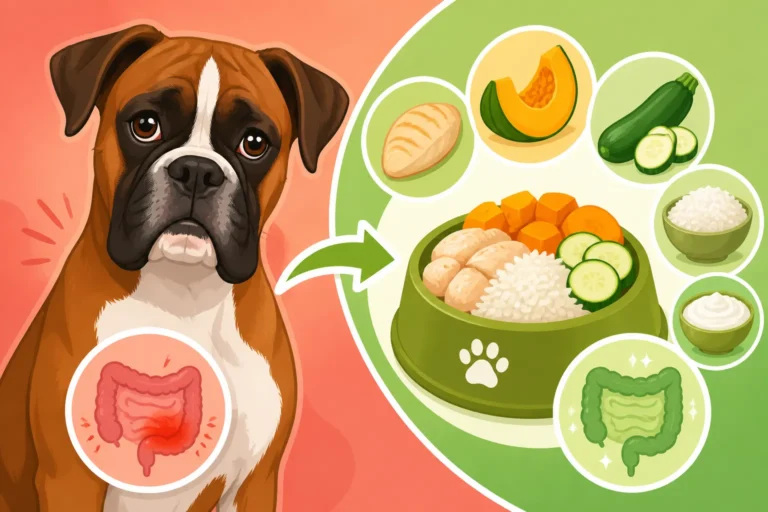
Dietary changes for a Boxer with colitis involve novel proteins like duck, limited ingredients, and avoiding rich foods.
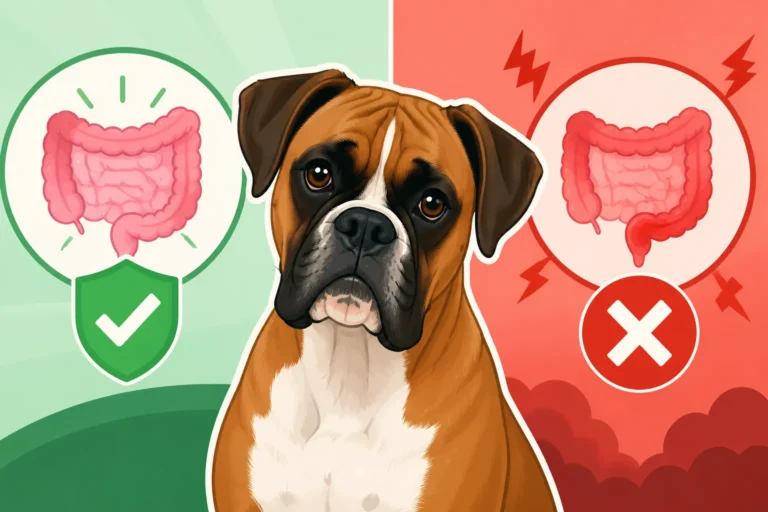
Boxer colitis recurrence reasons and genetic links explain why histiocytic ulcerative colitis symptoms return after treatment.
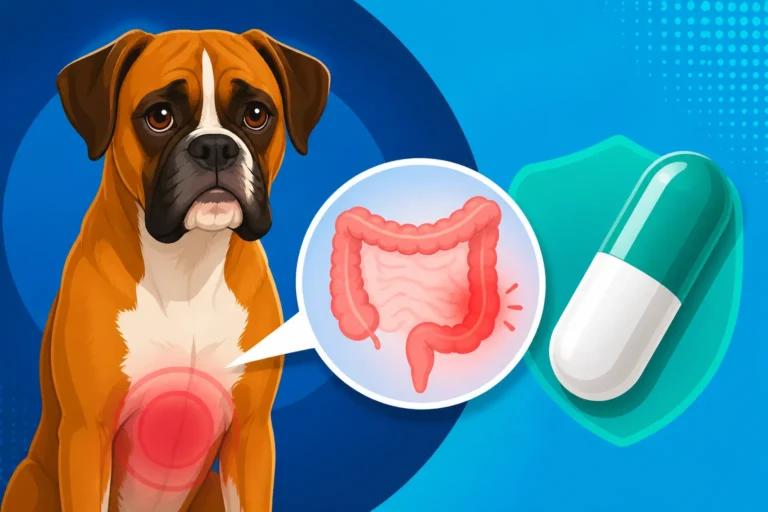
Enrofloxacin antibiotic treatment targets invasive E coli bacteria inside the colon wall to help Boxers with persistent colitis.
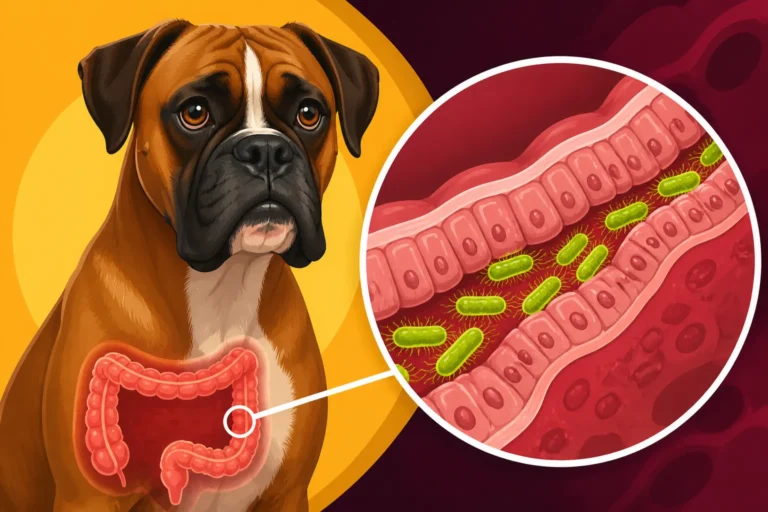
Boxer colitis involves E coli bacteria residing permanently inside the colon wall, causing chronic inflammation and severe digestive distress.
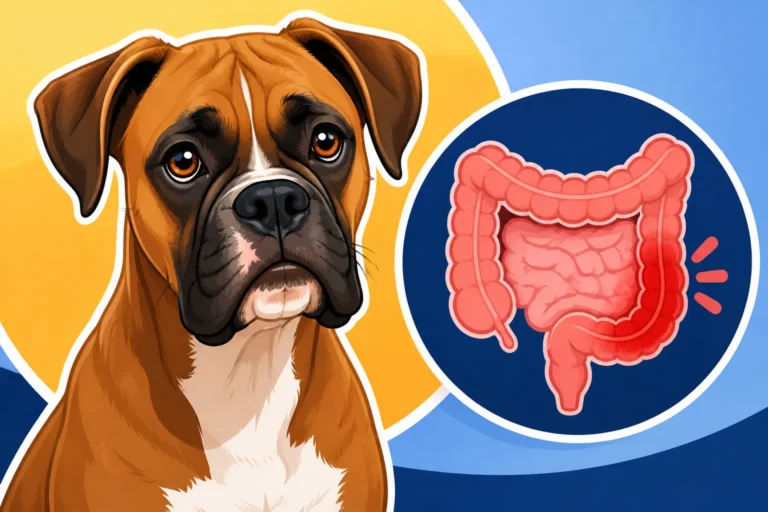
Boxer colitis typically develops during puppyhood or early adolescence, usually showing the first signs in dogs under two years old.
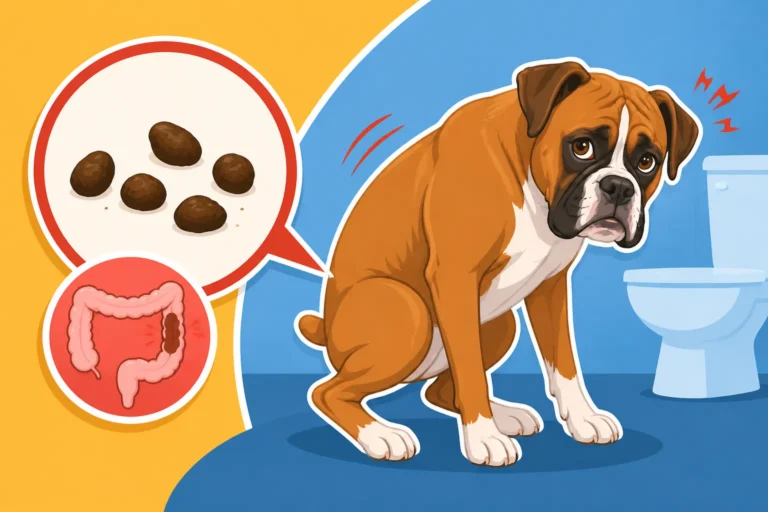
Boxer straining and small stools can result from constipation, dehydration, diet issues, arthritis pain, colitis, or an enlarged prostate.
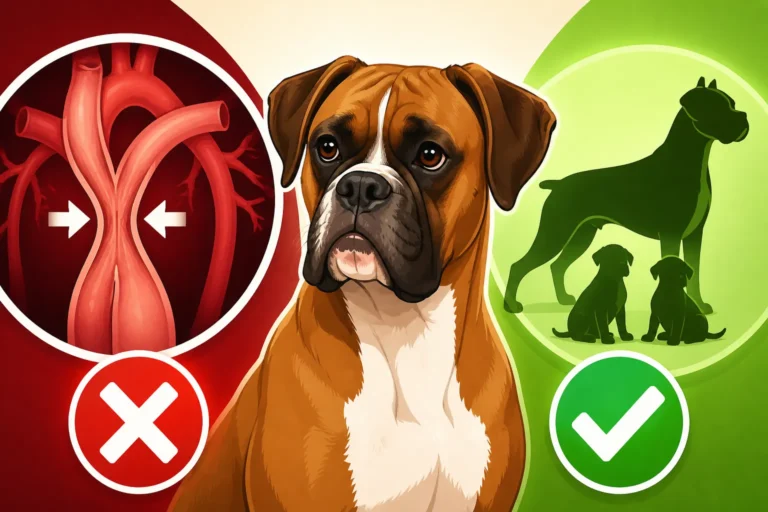
Subaortic stenosis, a narrowed aorta in Boxers, explains why this inherited heart condition prevents responsible dog breeding.
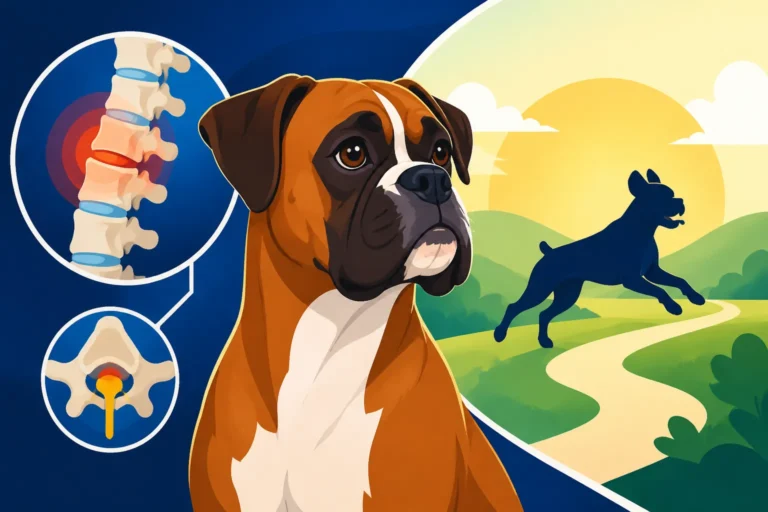
Subaortic stenosis in Boxers is a congenital heart condition causing a narrowed outflow tract and thickened ventricular walls.
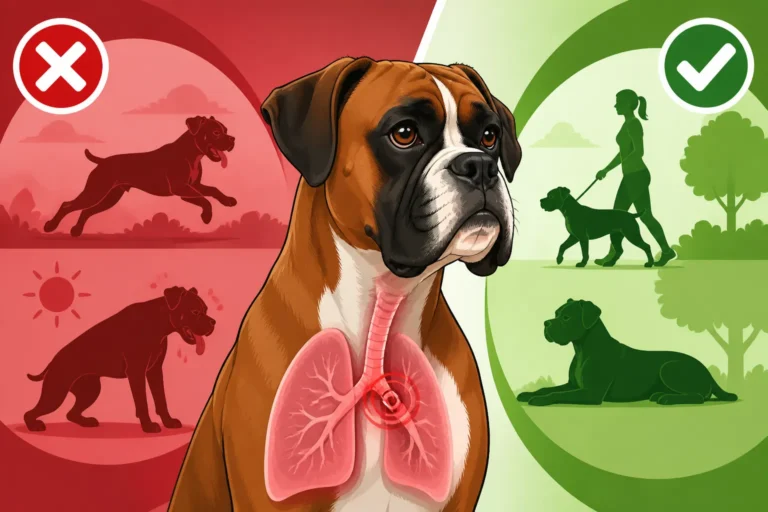
Subaortic Stenosis in Boxers causes heart narrowing, requiring specific exercise limits based on diagnostic grade and pressure gradient.
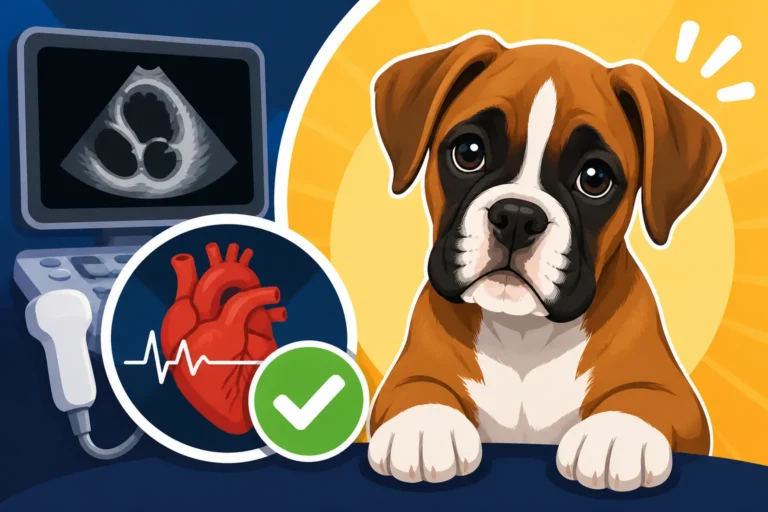
Echo screening for Boxer puppies detects heart murmurs and structural heart issues like Subaortic Stenosis before purchase.