Chemotherapy Side Effects in a Boxer
Receiving a cancer diagnosis for your beloved Boxer is devastating, and the thought of putting them through chemotherapy can bring a whole new wave of anxiety. You're not alone in worrying about how tough the treatment will be, what side effects they might experience, and whether you're making the right choice for their quality of life. This guide is here to walk you through the common chemotherapy side effects in Boxers, how to manage them at home, and when it’s crucial to seek veterinary help, helping you navigate this challenging journey with confidence and compassion.
Understanding Boxer Chemotherapy and Its Purpose
When your Boxer is diagnosed with cancer, the immediate shock is often followed by a whirlwind of information about treatment options. Chemotherapy, or "chemo" as it's often called, is a common and often effective approach, but it's understandable to feel overwhelmed by its implications. Knowing what it entails and why it's recommended can help ease some of the apprehension.
Why Boxers Often Need Chemotherapy
It's a heartbreaking reality that Boxers are predisposed to certain types of cancer, making them one of the breeds most affected by this disease. From the insidious nature of lymphoma to the aggressive spread of mast cell tumors, our Boxers face a higher risk than many other breeds. You might have heard about specific cancers like lymphoma or various sarcomas that are notoriously common in Boxers. This unfortunate predisposition means that many Boxer owners will, at some point, confront a cancer diagnosis. When a lump on a Boxer is found, the vet may recommend further diagnostics which can lead to a cancer diagnosis. For many of these cancers, particularly those that are systemic (affecting the whole body) or have a high risk of spreading, chemotherapy becomes a vital tool in the treatment arsenal. It's not always about a cure, but often about achieving remission, prolonging their life, and maintaining a good quality of life for as long as possible. Understanding why a Boxer sits at the top of cancer tables often comes down to genetics.
How Chemotherapy Works in Canines
At its core, chemotherapy involves using powerful drugs to kill rapidly dividing cells. The cruel irony is that cancer cells are rapidly dividing, but so are other healthy cells in the body, such as those lining the digestive tract, those in the bone marrow responsible for producing blood cells, and hair follicles. This is precisely why we see side effects – the drugs aren't smart enough to only target cancer cells.
In Boxers, as with humans, chemotherapy drugs are typically administered orally or intravenously. The specific protocol (which drugs, how much, how often) is tailored to the type of cancer, its stage, and your Boxer's overall health. Your veterinary oncologist will determine the most appropriate course of action, often aiming to deliver the maximum anti-cancer effect with the minimum possible side effects. The goal is to inhibit cancer growth, reduce tumor size, and ultimately improve prognosis, all while carefully monitoring your dog's response and well-being. It's a delicate balance, and constant communication with your vet is key to adjusting treatment as needed.
Common Side Effects of Chemotherapy in Boxers
Dealing with cancer is tough enough, but then you're faced with the added challenge of managing chemotherapy side effects. It’s important to remember that not all Boxers experience every side effect, and the severity can vary greatly. Many dogs tolerate chemotherapy surprisingly well, often better than humans. However, knowing what to watch for can help you respond quickly and keep your Boxer as comfortable as possible. This can be a major factor in what Boxer cancer treatment actually costs a family.
Gastrointestinal Upset
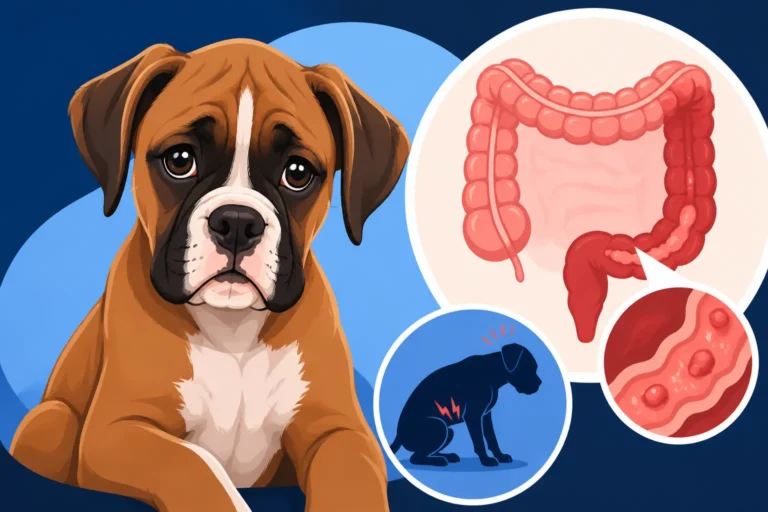
This is perhaps the most commonly anticipated side effect, and for good reason. The cells lining the digestive tract are among the rapidly dividing cells targeted by chemo drugs, leading to irritation.
- Nausea and Vomiting: Many Boxers might experience mild nausea, which could manifest as drooling, licking their lips excessively, or refusing food. Some may vomit, typically within a few days of a chemo session. It's usually self-limiting and can often be managed with anti-nausea medications prescribed by your vet, sometimes given preventatively. Keep an eye on the frequency and severity; persistent vomiting can lead to dehydration.
- Diarrhea: Loose stools or full-blown diarrhea can also occur. Again, this is due to the impact on the gut lining. It might range from soft stools to watery diarrhea, sometimes with a little mucus or blood if the irritation is severe. Keeping your Boxer hydrated and offering a bland diet, such as boiled chicken and rice, can help. Your vet might also prescribe antidiarrheal medications. Be especially vigilant if the diarrhea is profuse or your Boxer seems lethargic, as this warrants immediate veterinary attention. Remember, issues like bloody mucus in a young Boxer's stool can also signal other problems like Boxer colitis, so it's always worth getting new symptoms checked.
- Loss of Appetite: It's common for Boxers undergoing chemo to have a reduced appetite. This could be due to nausea, general malaise, or simply a change in their sense of taste. Try offering highly palatable foods, warming their food slightly to enhance the aroma, or even hand-feeding small amounts. Sometimes, an appetite stimulant prescribed by your vet can make a significant difference. It’s crucial to prevent significant weight loss, as nutrition is vital for their recovery and strength.
Bone Marrow Suppression
This is one of the more serious potential side effects and requires careful monitoring by your veterinary team. Chemotherapy drugs can suppress the bone marrow, where all new blood cells are produced.
- Neutropenia: This refers to a drop in white blood cells, specifically neutrophils, which are crucial for fighting off bacterial infections. Boxers with neutropenia are highly susceptible to infection, which can quickly become life-threatening. Your vet will perform regular blood counts (Complete Blood Counts or CBCs) before each chemo session and sometimes mid-cycle to check neutrophil levels. If counts are too low, chemo might be delayed, or antibiotics prescribed. Signs of infection include fever, lethargy, or loss of appetite. Protecting your Boxer from infection is paramount during this time, so avoiding dog parks and contact with sick animals is essential.
- Anemia: A decrease in red blood cells, leading to anemia, is less common but can occur. Red blood cells carry oxygen, so anemia can cause weakness, lethargy, and pale gums. If severe, a blood transfusion might be necessary, though supportive care and monitoring are usually sufficient for mild cases.
- Thrombocytopenia: This is a reduction in platelets, which are essential for blood clotting. A Boxer with low platelets might show signs of bruising, petechiae (small pinpoint hemorrhages on the gums or belly), or nosebleeds. This is a serious concern, as it can lead to spontaneous bleeding. Your vet will monitor platelet counts, and sometimes, a platelet-rich plasma transfusion or other medications may be needed.
Hair Loss and Skin Changes
While dramatic hair loss (alopecia) is common in human chemotherapy patients, it's generally less pronounced in dogs, especially short-coated breeds like Boxers.
- Minimal Hair Loss: Most Boxers won't experience significant hair loss, as their hair follicles typically don't cycle as rapidly as human hair follicles. However, some dogs might experience thinning of the coat, or the loss of whiskers. In rare cases, some breeds with continuous hair growth might show more noticeable alopecia. Even if your Boxer has minimal visible hair loss, their coat might appear duller or feel more brittle.
- Skin Reactions: Sometimes, Boxers can develop skin irritation, redness, or dryness as a side effect. This might be a direct reaction to certain drugs or a secondary issue due to a compromised immune system. Keep their skin clean and moisturized with vet-approved products. If you notice any unusual rashes or persistent skin problems, inform your vet immediately.
Lethargy and Fatigue
It's common for Boxers to feel generally unwell during chemotherapy, much like humans do.
- General Malaise: Your Boxer might be less enthusiastic about their usual activities, sleep more, or simply seem "off." This lethargy can range from mild tiredness to profound weakness. It’s important to distinguish between normal fatigue and severe weakness, which could indicate a more serious problem like anemia or infection. Provide a quiet, comfortable space for them to rest, and don't push them to exercise if they're not up to it. Their usual zoomies might be replaced by gentle cuddles for a while, and that's perfectly okay. What changes in a Boxer after seven often means slowing down anyway, and chemo will only accentuate this.
Managing Chemotherapy Side Effects at Home
Being prepared to manage side effects at home is crucial for your Boxer's comfort and your peace of mind. Your veterinary oncology team will provide specific instructions, but here are some general tips to help you provide the best possible care.
Anti-Nausea and Appetite Stimulants
These medications are your best friends during chemotherapy. Your vet will likely prescribe anti-nausea drugs, such as maropitant (Cerenia) or ondansetron, to give before or after chemo treatments, or as needed.
- Proactive Medication: Administer anti-nausea medication precisely as directed, even if your Boxer isn't showing signs of nausea yet. Preventing sickness is always easier than treating it once it starts.
- Dietary Adjustments: Offer small, frequent meals of bland food rather than large portions. Boiled chicken, plain white rice, low-fat cottage cheese, or prescription gastrointestinal diets are often well-tolerated. Avoid rich, fatty, or spicy foods. Sometimes, a change in protein source can help. If your Boxer has chronic issues, a diet change for a Boxer with colitis, for example, could be adapted. You might find they prefer specific textures or temperatures, so experiment a little. Warming their food can make it more appealing by enhancing the aroma.
- Appetite Boosters: If appetite is a persistent issue, your vet might prescribe an appetite stimulant. These can be incredibly helpful in ensuring your Boxer gets the nutrition they need to maintain their strength and fight the cancer.
- Hydration is Key: Always ensure fresh water is available. If your Boxer is reluctant to drink, you can try adding a low-sodium chicken broth to their water or offering ice cubes. Dehydration can exacerbate nausea and lethargy.
Protecting Your Boxer from Infection
With bone marrow suppression a risk, preventing infection becomes a top priority.
- Strict Hygiene: Keep your Boxer's environment scrupulously clean. This includes their bedding, food and water bowls, and any areas they frequent.
- Limited Exposure: During periods of low white blood cell counts, avoid places where your Boxer might encounter sick animals or high concentrations of germs, such as dog parks, boarding kennels, or crowded pet stores. Keep walks short and on leash in familiar, clean areas.
- Monitor for Signs: Be vigilant for any signs of infection: fever (check their temperature if you're comfortable and have a rectal thermometer), lethargy, coughing, unusual discharges, or painful urination. Report any of these to your vet immediately. Your vet will guide you on how frequently you should be checking their temperature, especially if they have neutropenia.
- Handwashing: Practice good hand hygiene yourself before and after handling your Boxer, especially around their food or wounds.
Comfort and Environmental Adjustments
Creating a comfortable, low-stress environment can significantly improve your Boxer's well-being during treatment.
- Rest and Quiet: Provide a soft, comfortable bed in a quiet, undisturbed area where your Boxer can rest without interruption. Avoid loud noises, excessive stimulation, or boisterous play.
- Gentle Exercise: While they might not be up for their usual vigorous play, short, gentle walks or quiet time in the yard can still be beneficial, provided their energy levels allow and their white blood cell counts are stable. Listen to your Boxer – if they're tired, let them rest.
- Mental Stimulation: Even when physically tired, Boxers are intelligent dogs who benefit from mental engagement. Puzzle feeders, gentle training sessions, or new sniff walks can provide stimulation without overexertion.
- Emotional Support: Your presence and affection are incredibly important. Spend quiet time with your Boxer, offer gentle petting, and reassure them. They sense your stress, so try to remain calm and positive. Sometimes, just being near you is all they need.
When to Call the Vet: Recognising Serious Complications
While many side effects can be managed at home, there are critical signs that warrant immediate veterinary attention. Knowing when to pick up the phone can be life-saving. Don't ever hesitate to call your oncology team if you're worried; it's always better to be safe than sorry.
Fever and Severe Weakness
These are red flags that should never be ignored.
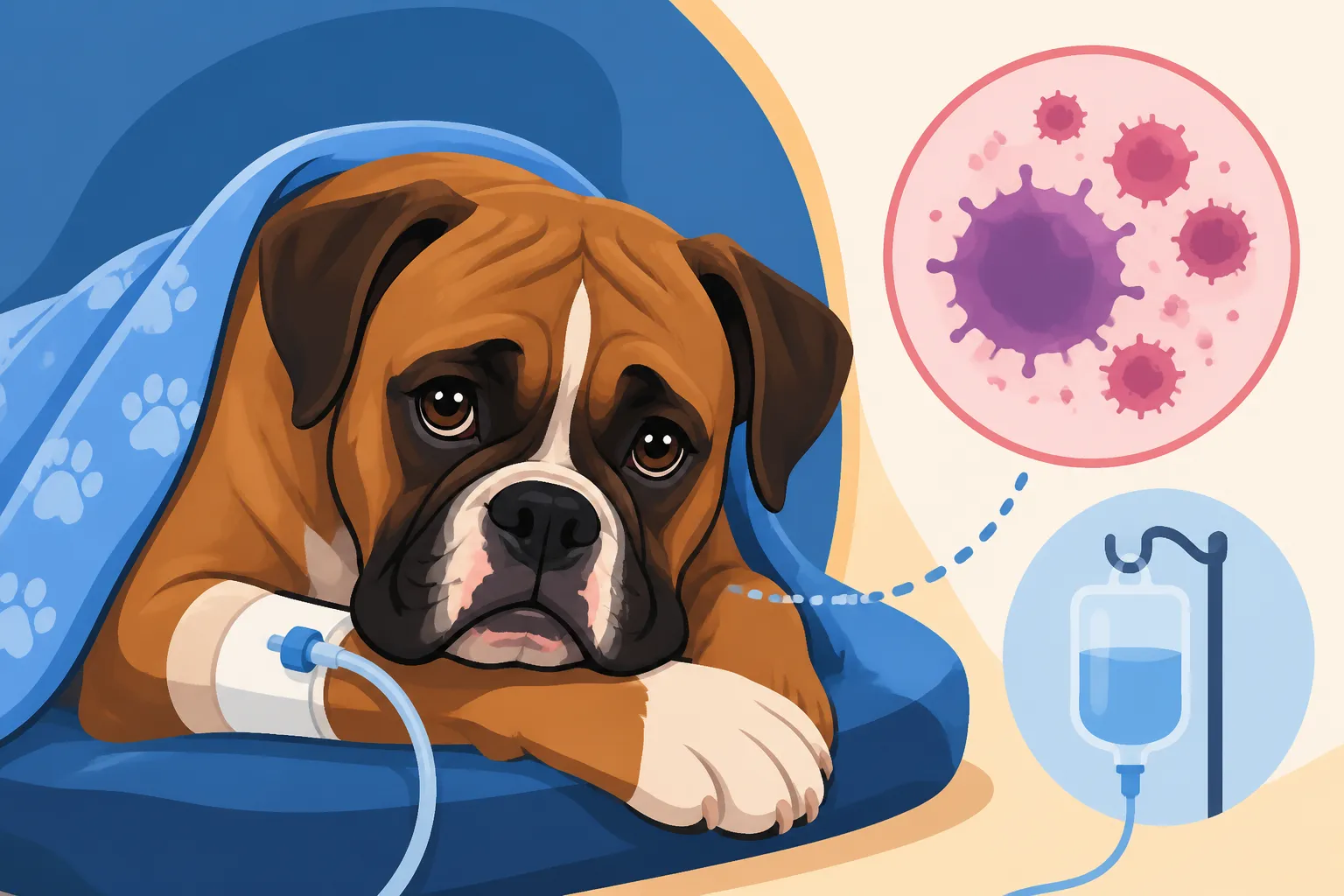
- Fever: A temperature over 103°F (39.4°C) in a Boxer undergoing chemotherapy is an emergency. It often indicates a serious infection, especially if their white blood cell count is low. If you suspect a fever, take their temperature, and call your vet right away. They may advise you to come in immediately for IV fluids and antibiotics.
- Severe Weakness/Collapse: If your Boxer becomes suddenly very weak, unable to stand, or collapses, this is a medical emergency. It could be due to severe anemia, profound neutropenia and infection (sepsis), or other serious complications. Get them to an emergency vet clinic without delay.
Uncontrolled Vomiting or Diarrhea
While mild GI upset is common, there's a point where it becomes dangerous.
- Persistent Vomiting: If your Boxer is vomiting multiple times a day, can't keep water down, or the vomiting lasts for more than 24 hours despite anti-nausea medication, contact your vet. This can lead to rapid dehydration and electrolyte imbalances, which can quickly become critical.
- Severe Diarrhea: Watery or bloody diarrhea that is profuse, frequent, or lasts for more than a day, especially if accompanied by lethargy, also requires immediate veterinary intervention. Dehydration and nutrient loss are significant risks. Your vet may need to give IV fluids and stronger medications.
Bleeding or Bruising
These symptoms indicate a potential problem with blood clotting due to low platelet counts.
- Unexplained Bruising or Petechiae: Look for purple patches on their skin or tiny, pinpoint red spots (petechiae) on their gums, belly, or inside of their ears. These are signs of spontaneous bleeding under the skin.
- Nosebleeds or Blood in Urine/Stool: Any unusual bleeding, such as a nosebleed that won't stop, blood in their urine, or significant amounts of fresh blood in their stool (not just a tiny streak), is a serious concern and requires immediate veterinary assessment.
- Lethargy and Pale Gums: These can also be signs of internal bleeding or severe anemia, which can be life-threatening. If you notice these, get to the vet immediately.
Long-Term Outlook and Quality of Life
Navigating chemotherapy for your Boxer is a journey, and throughout it, the focus should always remain on their quality of life. It’s a delicate balance between fighting the disease and ensuring their comfort and happiness.
Balancing Treatment with Well-being
It's natural to want to do everything possible for your beloved Boxer, but there comes a point where the impact of treatment might outweigh the benefits. This is a deeply personal decision, and one that you'll make in close consultation with your veterinary oncologist.
- Open Communication: Be honest with your vet about your Boxer’s demeanor, energy levels, and overall happiness at home. They can only see your Boxer during appointments, but you live with them every day. Your observations are invaluable.
- Assessing Quality of Life: Consider your Boxer's "good days" versus "bad days." Are they still enjoying their food, short walks, cuddles, and interactions with the family? If the bad days start to outnumber the good, or if they seem to be in constant discomfort, it might be time to reassess the treatment plan. This might mean deciding against treatment for a Boxer, and that is a valid, compassionate choice. Your vet can provide tools, like a quality of life scale, to help you objectively evaluate their well-being.
- Palliative Care: If aggressive chemotherapy is no longer the best option, shifting to palliative care can make a huge difference. This focuses on comfort, pain management, and maintaining the best possible quality of life without the harshness of intensive treatments. Hospice care for a Boxer can allow them to spend their remaining time feeling loved and comfortable at home.
Financial Considerations and Support
Let’s be real – cancer treatment, including chemotherapy, can be incredibly expensive. This is a significant concern for many families, and it's okay to acknowledge that financial constraints play a role in decision-making.
- Understanding Costs: Discuss the full projected cost of the chemotherapy protocol with your vet from the outset. This includes the drugs, administration fees, blood tests, and any supportive care medications. Don't be afraid to ask for a detailed breakdown.
- Pet Insurance: If you have pet insurance, understand what your policy covers. Some companies, like Healthy Paws, are known for comprehensive coverage that can help significantly with cancer treatment costs. It’s worth looking into whether your policy covers alternative therapies or just conventional treatments. Ideally, you’d have enrolled your Boxer before any pre-existing conditions surfaced, but even without it, discussing options is important.
- Payment Plans and Assistance Programs: Many veterinary clinics offer payment plans. There are also various non-profit organizations and foundations that provide financial assistance for pet cancer treatment. Don't hesitate to ask your vet about these resources.
- Making Difficult Choices: If the financial burden becomes unmanageable, it's okay. You might need to explore less aggressive treatment options or focus purely on palliative care to keep your Boxer comfortable. The love and care you provide far outweigh any financial sacrifice. Insurance providers like Healthy Paws can truly alleviate the stress of unexpected veterinary bills, allowing you to focus on your Boxer's care.
Chemotherapy Side Effects and Management Summary
| Side Effect | Common Signs | Immediate Home Care | When to Call Vet Immediately |
|---|---|---|---|
| Gastrointestinal | Nausea, vomiting, diarrhea, loss of appetite | Bland diet, small frequent meals, anti-nausea meds (as prescribed), ensure hydration | Persistent vomiting, severe watery/bloody diarrhea, dehydration signs (sunken eyes, lethargy) |
| Bone Marrow Supp. | Lethargy, pale gums, fever, bruising, petechiae | Strict hygiene, limit exposure, quiet rest | Fever (>103°F), severe weakness/collapse, unexplained bleeding/bruising, severe pale gums |
| Lethargy/Fatigue | Increased sleeping, reduced activity, general malaise | Quiet environment, comfortable bedding, gentle activity if tolerated | Severe weakness, inability to stand, collapse, unresponsive |
| Hair Loss/Skin | Mild hair thinning, dull coat, skin irritation | Gentle grooming, vet-approved skin products, monitor skin daily | Severe rash, open sores, persistent skin issues |
Disclaimer
This article is intended for informational purposes only and does not constitute medical advice. Always consult with a qualified veterinary professional for any health concerns or before making any decisions about your Boxer's treatment.