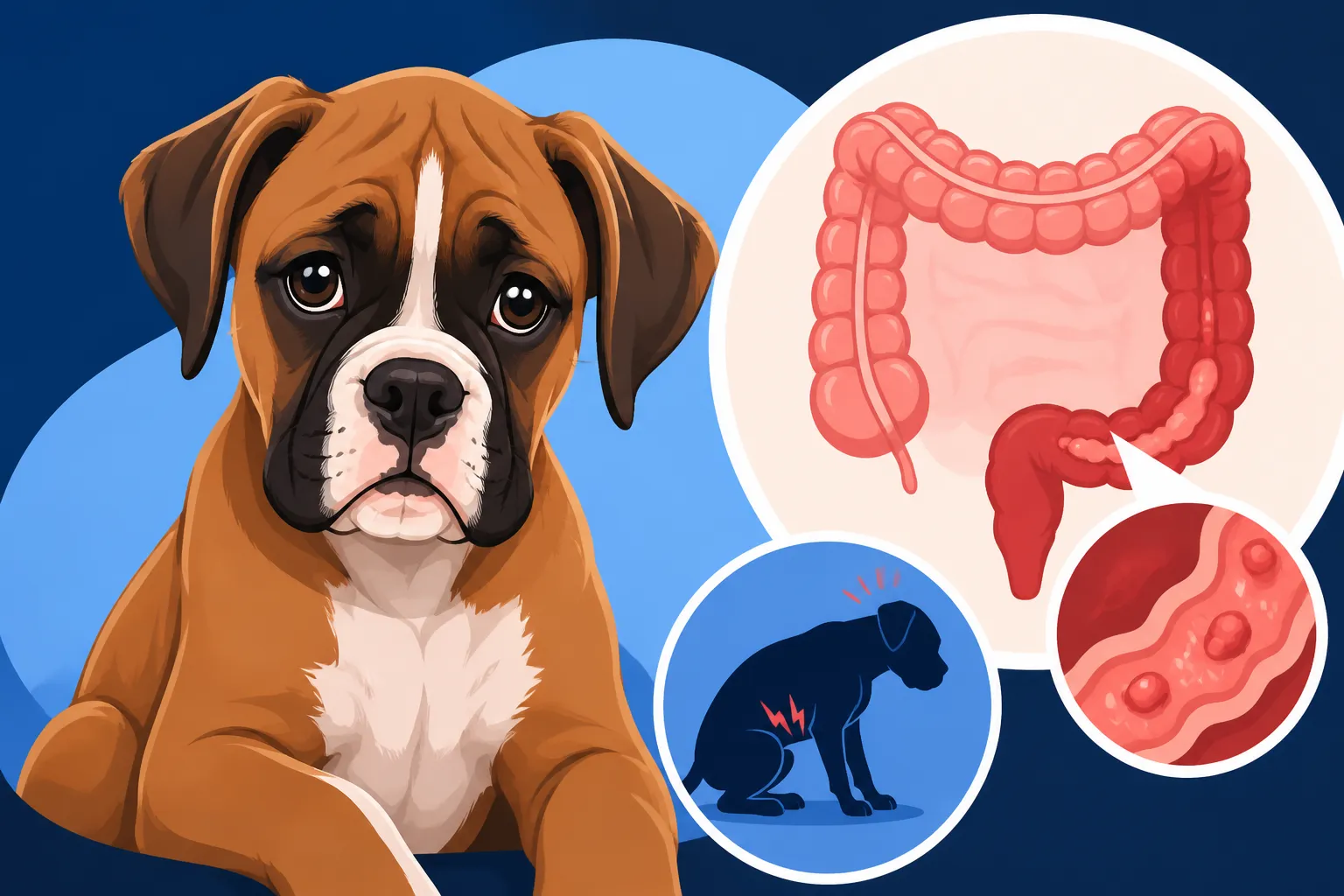
Boxer Colitis and the Young Dogs It Hits
It’s truly disheartening when your energetic, playful Boxer puppy suddenly starts straining and passing loose, often bloody stools. You feel that knot of worry tighten in your stomach, wondering what on earth could be making your young dog so sick. This guide is here to shed light on colitis in Boxers, particularly the form that targets our youngsters, helping you understand the symptoms, navigate the diagnosis, and explore the treatment options to get your beloved companion feeling better.
Understanding Boxer Colitis in Young Dogs
Colitis is one of those words that vets use, and you nod along, but what does it really mean for your Boxer? At its heart, colitis simply means inflammation of the colon, the large intestine. But in Boxers, especially young ones, it’s rarely "simple." This breed, bless their sensitive souls, seems to have a standing invitation for digestive woes, and colitis is often at the top of that guest list.
What is Colitis and Why Boxers Are Prone?
Imagine your Boxer's colon, a crucial part of their digestive tract where water is absorbed and waste is prepared for exit. When this area becomes inflamed, everything goes haywire. Instead of a smooth operation, you get irritation, discomfort, and the tell-tale symptom of messy, frequent bowel movements. The underlying causes can vary wildly, from parasites to stress to dietary indiscretion, but for Boxers, there's often a deeper, more specific reason.
Boxers are notoriously predisposed to a range of gastrointestinal issues, almost as if their digestive systems didn't get the memo about being robust. Their unique genetics and immune system tendencies make them more susceptible to certain inflammatory conditions, and colitis is a prime example. It's not uncommon for Boxer owners to feel like they're constantly on alert for tummy troubles, and this predisposition is a major reason why.
The chronic nature of some Boxer digestive problems can also be linked to their overall physiological makeup. While we adore their brachycephalic (flat-faced) charm, this often comes with a predisposition to stress and sometimes even subtle respiratory challenges that can indirectly impact digestive function. Anything that causes systemic stress can ripple down to the gut, making an already sensitive colon even more vulnerable.
The Specifics of Histiocytic Ulcerative Colitis HUC
Now, let's talk about the specific kind of colitis that often zeroes in on our young Boxers: Histiocytic Ulcerative Colitis, or HUC. This isn't your garden-variety "ate something weird" stomach upset. HUC is a severe, chronic inflammatory bowel disease primarily seen in Boxers, though other breeds like French Bulldogs can also be affected. It's often referred to as "Boxer Colitis" for a reason.
What makes HUC different is the type of inflammation. In this condition, the colon wall becomes infiltrated with specific immune cells called macrophages, also known as histiocytes. These cells essentially go rogue, causing deep ulcers and severe inflammation in the lining of the colon. For years, veterinarians and researchers struggled to understand why this was happening.
Recent research has shed light on the likely culprit: an invasive strain of E. coli bacteria. This particular E. coli isn't just hanging out in the gut; it actually invades the colon wall cells, triggering that intense inflammatory response characteristic of HUC. It's a tricky situation because the bacteria are hiding inside the cells, making it difficult for the body's usual immune defenses or general antibiotics to clear them out effectively. You can learn more about Why E Coli Sits Inside a Boxer's Colon Wall.
Age of Onset and Early Warning Signs
The frustrating part about HUC is that it almost exclusively affects young Boxers, typically those under the age of two, with most diagnoses occurring between six months and two years. This is precisely when your Boxer should be in their prime, full of boundless energy and zest for life. Instead, you're faced with chronic illness during what should be their healthiest, most boisterous years.
The earliest signs can be subtle, easily mistaken for general puppy tummy troubles. You might notice your Boxer puppy straining a little more than usual when going to the bathroom, or perhaps their stools are just a bit softer than they should be, with a faint sheen of mucus. They might seem a little more tired after playing, or less enthusiastic about their food. These are the kinds of things that, in a less predisposed breed, you might just write off as a passing bug or an adjustment to a new food.
However, in a Boxer puppy, these early, seemingly mild symptoms are red flags. Over time, these signs will invariably escalate, becoming more severe and impossible to ignore. Catching these early cues is vital, not just for prompt treatment, but also for preserving your peace of mind as an owner. The longer HUC goes unaddressed, the more uncomfortable your Boxer becomes and the more challenging the road to recovery can be.
Recognizing the Symptoms of Colitis in Your Young Boxer
When your Boxer has colitis, their poop becomes the primary messenger of distress. It's not pleasant to scrutinize every bowel movement, but as a Boxer owner, you quickly learn it's a necessary part of keeping tabs on their health. The changes in stool can be quite distinct and are often the first, most alarming sign that something is seriously wrong.
The Tell-Tale Stool Changes
The most striking symptom of Boxer colitis, particularly HUC, is the presence of fresh, red blood and jelly-like mucus in the stool. This isn't just a tiny streak; it can be significant and alarming. The blood comes from the inflamed and ulcerated lining of the colon, while the mucus is the body's attempt to protect that irritated lining. Sometimes, the stool itself might be normal in consistency, but it's encased in a gelatinous, bloody coating. Other times, the stool will be loose, watery diarrhea, often with a consistency akin to cow patties, frequently mixed with that signature blood and mucus.
Another hallmark is the frequency and volume of bowel movements. Your Boxer might suddenly need to go outside far more often than usual, sometimes even having accidents in the house, which is highly unusual for a house-trained dog. Despite the frequent attempts, the stools are often very small in volume, almost like tiny puddles, indicating that the colon isn't holding much content before the urge to defecate becomes overwhelming.
Perhaps the most heartbreaking symptom to witness is tenesmus, or straining. Your Boxer will assume the posture to defecate, push and strain intensely, often for prolonged periods, but only produce a tiny amount of stool, or sometimes nothing at all. This is a clear sign of significant discomfort and irritation in the colon, as the dog feels a constant, urgent need to relieve themselves even when there's little to pass. This incessant straining is not only painful but also exhausting for your dog. If you're observing Straining and Small Stools in a Boxer, it's time to call the vet.
Other Physical and Behavioral Indicators
While stool changes are primary, colitis can manifest in other ways, though these might be less obvious, especially in the early stages. For instance, your Boxer might start losing weight, even if they're still eating well. Chronic inflammation and malabsorption in the gut mean their body isn't getting all the nutrients it needs, leading to a gradual decline in condition. You might notice their ribs becoming more prominent or their muscle tone diminishing, especially if the condition has been ongoing for a while.
Lethargy is another common, though often subtle, symptom. Your typically boisterous Boxer might seem less interested in play, sleeping more, or just generally having lower energy levels. They might be slower to greet you at the door or skip their usual zoomies. This isn't necessarily a sign they're giving up, but rather that their body is expending a lot of energy dealing with the inflammation and discomfort, leaving less for their usual activities.
Less commonly, some Boxers might show a decreased appetite or even refuse food altogether if the abdominal discomfort is significant. They might also exhibit signs of abdominal pain, such as being reluctant to be touched on their belly, hunching their back, or repeatedly looking at their flank. While these signs are less specific to colitis and can indicate other issues, when combined with the characteristic stool changes, they paint a clearer picture of what your Boxer is enduring.
Differentiating Colitis from Other Puppy Ailments
As a Boxer owner, you know their sensitive stomachs can lead to various digestive upsets. Distinguishing colitis from other common puppy ailments is crucial for proper treatment. For example, parasites like Giardia or various types of worms can cause diarrhea, mucus, and sometimes even blood in the stool. These are often seen in puppies and can mimic some colitis symptoms. A routine fecal test is always the first step to rule out these common invaders. Giardia Against Colitis in a Boxer can be a tricky differentiation without proper testing.
Stress-induced diarrhea is another possibility. Boxers, being sensitive and intelligent dogs, can react to changes in environment, routine, or even too much excitement with a bout of loose stools. This is usually transient and doesn't involve the persistent blood and mucus seen in HUC. Similarly, a sudden change in diet or simply eating something they shouldn't have (a classic Boxer move!) can lead to acute gastroenteritis. This typically resolves quickly once the offending item is out of their system or their diet is stabilized.
However, the key difference with Boxer colitis, especially HUC, is its chronic, relapsing nature and the distinctive histopathology. While a short course of bland diet or deworming might temporarily alleviate symptoms, true colitis, particularly HUC, will persist or return with a vengeance. This is why it’s so critical not to self-diagnose or treat based on assumptions. Your vet will need to perform a series of tests to Telling Boxer Colitis From Ordinary Diarrhea and arrive at a definitive diagnosis, ensuring your Boxer gets the targeted treatment they desperately need.
The Diagnostic Journey for Boxer Colitis
When your young Boxer is consistently struggling with digestive issues, especially the bloody, mucousy stools indicative of colitis, the diagnostic process can feel like a maze. It’s a journey that requires patience, a good relationship with your veterinarian, and sometimes a few different tests to truly pinpoint what’s going on.
Initial Vet Visit and Fecal Analysis
Your first stop, naturally, is your veterinarian. They’ll start with a thorough physical examination, checking your Boxer’s overall health, hydration, and palpating their abdomen for any signs of pain or thickening. Be prepared to give a detailed history of the symptoms: when they started, how frequent the bowel movements are, what the stool looks like, and any changes in appetite or energy. This information is invaluable.
The very first diagnostic step will almost always be a fecal analysis. This involves examining a fresh stool sample under a microscope and sometimes sending it off to a lab. The vet will be looking for parasites like Giardia, coccidia, and various types of worms that can cause similar symptoms. They’ll also check for bacterial overgrowth or imbalances, although this isn’t always definitive for HUC. Often, multiple fecal samples collected over a few days are more effective in catching intermittent shedding of parasites.
While ruling out parasites is crucial, a "clear" fecal test doesn't mean your Boxer is in the clear. It simply means that common parasitic causes have been excluded. If the symptoms persist despite a clear fecal, or if the clinical picture is highly suggestive of HUC, your vet will need to delve deeper. This initial step is about narrowing down the possibilities and ensuring you're not missing a simpler, easily treatable issue before pursuing more invasive diagnostics.
Blood Work and Imaging
If initial fecal tests are negative and your Boxer's symptoms continue, your vet will likely recommend blood work. A complete blood count (CBC) can reveal signs of inflammation, anemia (due to chronic blood loss in the stool), or an elevated white blood cell count. A biochemistry panel will assess organ function and electrolyte balance, which can be thrown off by chronic diarrhea and dehydration. These tests don't diagnose colitis directly but help paint a picture of your Boxer's overall health and rule out other systemic diseases.
Sometimes, inflammatory markers might be elevated, such as C-reactive protein (CRP), which can support the suspicion of an inflammatory process, but again, it’s not specific to colitis. In some cases, a specific test for inflammatory bowel disease markers, like canine fecal S100A12, might be considered, though its availability and definitive diagnostic power for HUC are still being researched.
Abdominal imaging, such as X-rays or ultrasound, might also be performed. X-rays are typically less useful for identifying colon inflammation directly but can rule out foreign bodies or other structural abnormalities. An abdominal ultrasound, performed by a skilled veterinarian or a specialist, can sometimes show thickening of the colon wall, enlarged lymph nodes, or other signs of inflammation within the gastrointestinal tract. However, like blood work, these imaging techniques provide supportive evidence rather than a definitive diagnosis of HUC. They are primarily used to rule out other causes of digestive upset and guide the next steps.
The Definitive Diagnosis: Biopsy
For a truly definitive diagnosis of Histiocytic Ulcerative Colitis, a colon biopsy is essential. This is the only way to examine the cells within the colon wall and confirm the characteristic infiltration of macrophages and ulceration. The procedure typically involves an endoscopy or colonoscopy, where a flexible tube with a camera is inserted into the colon, allowing the vet to visually inspect the colon lining and collect small tissue samples. This is usually performed under general anesthesia.
During the colonoscopy, the veterinarian will be looking for visual cues like redness, swelling, erosions, and ulcers. They’ll carefully collect multiple biopsies from different areas of the colon. These tissue samples are then sent to a specialized veterinary pathologist, who will examine them under a microscope. It’s the pathologist's report that confirms the presence of the unique histiocytic inflammation that defines HUC. This process is how a veterinarian can officially make the diagnosis of Diagnosing Boxer Colitis by Biopsy.
While a biopsy is more invasive and requires anesthesia, it’s a critical step. Without it, you might be treating your Boxer symptomatically without truly addressing the specific underlying cause, leading to frustration and continued suffering. Knowing exactly what you’re dealing with allows for the most targeted and effective treatment, giving your young Boxer the best chance at recovery and a comfortable life.
Treatment Approaches for Boxer Colitis
Once your Boxer has been diagnosed with colitis, especially the specific and challenging Histiocytic Ulcerative Colitis (HUC), the focus shifts immediately to treatment. This is where your partnership with your vet truly shines, as managing HUC often requires a multi-faceted approach, sometimes over an extended period.
Antibiotic Therapy for HUC
For HUC, unlike many other forms of colitis, there's a specific antibiotic that stands out as the cornerstone of treatment: enrofloxacin, commonly known by the brand name Baytril. This isn't just any antibiotic; it's a fluoroquinolone that has been found to be remarkably effective because of its ability to penetrate cells and target the invasive E. coli bacteria suspected of causing HUC. This explains Why Boxer Colitis Responds to One Antibiotic when other antibiotics might fail.
The course of enrofloxacin treatment is typically much longer than what you'd expect for a standard bacterial infection. Instead of a week or two, your Boxer might need to be on this medication for eight to twelve weeks, and sometimes even longer, until the colon has had sufficient time to heal and the invasive bacteria are cleared. It’s crucial to complete the entire course, even if your Boxer’s symptoms improve quickly, to prevent recurrence and the development of antibiotic resistance.
While enrofloxacin is highly effective, it's not without potential side effects, although these are generally mild. They can include nausea, vomiting, or diarrhea. Your vet will monitor your Boxer closely during treatment. Because this medication can be costly, especially for long courses and a larger dog like a Boxer, having pet insurance like Healthy Paws can be a real lifesaver, helping to cover these necessary expenses and allowing you to focus on your Boxer's recovery rather than the financial strain.
Dietary Management and Novel Proteins
Diet plays an enormous role in managing any form of colitis, and HUC is no exception. The goal is to reduce inflammation and irritation in the gut, and a highly digestible diet can significantly help achieve this. Often, veterinarians will recommend a novel protein diet, meaning a protein source your Boxer has never eaten before (like duck, venison, or rabbit), or a hydrolyzed protein diet, where the proteins are broken down into such small components that the immune system doesn't recognize them as allergens. This minimizes the risk of dietary sensitivities triggering further inflammation.
An elimination diet is a common approach. This involves feeding only the novel or hydrolyzed protein food for several weeks, with absolutely no other treats, table scraps, or flavored medications. This strict protocol helps determine if any dietary components were contributing to the problem. Once symptoms are under control, other ingredients can be slowly introduced to identify any specific triggers, though for many HUC Boxers, a prescription novel or hydrolyzed diet becomes a long-term solution. You can find more comprehensive advice on Diet Changes for a Boxer With Colitis.
Beyond protein, the fiber content in the diet is also important. Some Boxers with colitis benefit from moderate amounts of soluble fiber, which can help regulate stool consistency and provide nourishment for beneficial gut bacteria. Other cases might require a low-residue diet to reduce the bulk passing through an inflamed colon. Your vet, or a veterinary nutritionist, can help tailor the best dietary approach for your Boxer’s specific needs, which might change over time as they respond to treatment.
Adjunctive Therapies and Supportive Care
While enrofloxacin is the primary treatment for HUC, and diet is key, there are other supportive therapies that can aid in recovery and symptom management. Probiotics, for example, can be incredibly beneficial. These are live beneficial bacteria that can help restore a healthy balance of microorganisms in the gut, which is often disrupted during chronic inflammation and antibiotic use. Look for veterinary-specific probiotics with strains known to support canine gut health.
In some cases, if the inflammation is particularly severe or not fully responsive to antibiotics and diet, your vet might consider a short course of anti-inflammatory medications. This could include corticosteroids (like prednisone) or other anti-inflammatory drugs like sulfasalazine, which has specific anti-inflammatory effects on the colon. These are typically used cautiously and often tapered off as the primary treatment takes hold, to avoid long-term side effects.
Pain management might also be necessary if your Boxer is experiencing significant abdominal discomfort. Your vet can prescribe appropriate pain relievers to keep your dog comfortable during the initial healing phase. Electrolyte supplements may also be needed if dehydration has been a concern due to prolonged diarrhea. Again, understanding the financial implications of long-term or multi-pronged treatments is crucial. This is where a robust pet insurance plan like Healthy Paws truly helps. Their coverage for chronic conditions can provide immense relief, ensuring your Boxer gets continuous, necessary care without you having to constantly weigh the cost against their comfort.
Living With and Managing Chronic Boxer Colitis
Getting a diagnosis and starting treatment for Boxer colitis, especially HUC, is a huge step. But it’s important to understand that managing this condition is often a marathon, not a sprint. For many young Boxers, HUC requires ongoing vigilance and management, even after the initial successful treatment.
Long-Term Outlook and Relapse Potential
The good news is that with appropriate and timely treatment, many young Boxers with HUC can achieve remission and lead a good quality of life. The prognosis is generally favorable if the condition is diagnosed early and aggressively treated with enrofloxacin. However, it's not always a complete "cure" in the sense that it disappears forever. For some Boxers, it’s a condition that can have periods of remission followed by flare-ups, especially if treatment is stopped prematurely or dietary indiscretions occur.
The goal of treatment, therefore, is to achieve and maintain remission, meaning your Boxer is symptom-free and comfortable. This often involves continuing a strict diet and sometimes even long-term, low-dose maintenance therapy with antibiotics or other supportive medications, depending on your Boxer's individual response. It's not uncommon for owners to wonder Whether Boxer Colitis Comes Back once it's been treated. While many respond well, the potential for recurrence means ongoing monitoring is key.
Relapses can be triggered by stress, dietary changes, or even other illnesses. This means you, as the owner, need to remain vigilant and quickly recognize any returning symptoms. Early intervention at the first sign of a flare-up can prevent the condition from escalating and requiring more intensive treatment.
Monitoring and Lifestyle Adjustments
Living with a Boxer prone to colitis means becoming a keen observer of their habits and well-being. Regular check-ups with your veterinarian are essential, even when your Boxer is doing well. These visits allow your vet to assess their overall health, discuss any subtle changes you've noticed, and perform any necessary follow-up diagnostics. Maintaining a consistent diet is paramount; avoiding any "cheat" treats or table scraps is non-negotiable, as even a small amount of an unsuitable food can trigger a setback.
Beyond diet, stress reduction techniques can be incredibly helpful. Boxers thrive on routine and stability. Sudden changes in their environment, long periods of being left alone, or even over-excitement can potentially impact their sensitive digestive system. Ensuring they have a predictable schedule, plenty of appropriate exercise, and a calm home environment can contribute significantly to their gut health.
Consider also the timing of meals and exercise. Some Boxers with sensitive stomachs do better with smaller, more frequent meals. It's also often recommended to allow them to rest quietly for at least an hour before and after meals, avoiding strenuous exercise or high-arousal activities that can divert blood flow from the digestive system and potentially contribute to issues. Pay attention to how your individual Boxer responds to different situations and adjust their lifestyle to support their gut health.
Breeder Responsibility and Genetic Considerations
The fact that Histiocytic Ulcerative Colitis disproportionately affects Boxers, and especially young ones, points strongly to a genetic predisposition. This is a complex area, as it's not a simple single-gene disease, making it difficult to "test" for definitively in breeding stock. However, responsible Boxer breeders are acutely aware of this concern within the breed. They strive to produce healthy puppies, and a significant part of that is being transparent about the health history of their breeding lines.
A truly ethical breeder will be open about any instances of HUC or other serious health issues in their dogs' pedigrees and will make informed decisions about breeding choices to minimize the risk of passing on these predispositions. While there isn't a simple genetic test for HUC currently, breeders who prioritize health often engage in The Health Screening a Boxer Breeder Owes You for various other conditions common in the breed, demonstrating their commitment to the future health of Boxers.
As a puppy buyer, it’s always wise to ask a prospective breeder about the incidence of HUC or other inflammatory bowel diseases in their lines, as well as their general approach to breeding for gut health. While it's impossible to guarantee a puppy will never develop any condition, choosing a puppy from health-conscious parents can certainly reduce the odds. This breed is known for so many wonderful qualities, and supporting breeders who work to reduce health predispositions helps preserve those qualities for future generations.
Preventing Colitis and Promoting Gut Health in Young Boxers
While you can't entirely eliminate the risk of colitis in a Boxer, especially with their genetic predisposition to HUC, there are many proactive steps you can take as an owner to promote optimal gut health and potentially reduce the severity or frequency of digestive upsets. Prevention is always better than cure, and for a sensitive Boxer, this couldn't be more true.
Early Socialization and Stress Management
It might seem indirect, but a Boxer's mental well-being is intrinsically linked to their gut health. Stress, anxiety, and fear can all manifest as digestive problems. An emotionally stable and well-adjusted Boxer is often a Boxer with a happier gut. This is why early and positive socialization during puppyhood is so vital. Exposing your Boxer puppy to a variety of sights, sounds, people, and other well-behaved dogs in a controlled, positive manner helps them develop resilience and confidence.
Creating a calm and predictable home environment further aids in stress management. Boxers thrive on routine. Consistent feeding times, regular exercise, and a stable daily schedule can minimize anxiety. Avoid situations that cause your Boxer undue stress, or if unavoidable, provide extra reassurance and comfort. Even small things, like having a quiet den or crate where they can retreat, can make a big difference in their overall stress levels and, by extension, their digestive comfort. Remember, a worried Boxer is often a Boxer with an upset tummy.
Proper Nutrition from Puppyhood
Choosing the right food from day one is one of the most fundamental ways to support your Boxer's gut health. Given their sensitive systems, opting for a high-quality, easily digestible puppy food that is specifically formulated for large breeds (to support proper growth rates) is a smart choice. Read ingredient labels carefully, looking for identifiable protein sources and wholesome ingredients. Avoid foods with excessive fillers, artificial colors, or questionable by-products, as these can be harder on a sensitive digestive tract.
Equally important is avoiding sudden changes in diet. When you do need to switch foods, do so gradually over 7-10 days, mixing increasing amounts of the new food with decreasing amounts of the old. This allows your Boxer's digestive system to adapt slowly, minimizing the risk of upset. Free-feeding, where food is left out all day, can also be problematic for Boxers; scheduled meals two or three times a day are generally preferred to manage intake and give the digestive system regular breaks. Keeping track of your Puppy Food Bills Through a Boxer's Growth Year can also help budget for the best quality food available.
Consulting with your veterinarian about the best diet for your specific Boxer, especially if they show any signs of sensitivity, is always a good idea. They can recommend specific brands or formulations that are known to be gentle on the gut and provide optimal nutrition for this active breed.
Proactive Veterinary Care
Regular veterinary check-ups are not just for when your Boxer is sick; they're essential for proactive health management. Your vet can perform routine deworming and parasite checks, which are vital, especially in puppies, to rule out common causes of digestive upset. Staying up-to-date on vaccinations also protects against viral diseases that can cause severe gastrointestinal symptoms.
Be proactive about discussing any digestive concerns, even minor ones, with your vet. Don’t wait until symptoms become severe. A quick phone call or email describing slightly softer stools or occasional straining might prompt a simple suggestion that prevents a bigger problem down the line. Your veterinarian understands the Boxer breed's unique predispositions and can offer tailored advice.
Finally, consider the benefits of pet insurance for a breed like the Boxer. With their known health challenges, including conditions like colitis and certain cancers, having a plan in place from a company like Healthy Paws, when your Boxer is young and healthy, can provide invaluable financial security. It ensures you can always make treatment decisions based on what’s best for your dog, rather than being constrained by cost. Proactive care, combined with comprehensive coverage, offers the best peace of mind for you and the best health outcomes for your beloved Boxer.
Colitis vs. Typical Puppy Diarrhea: A Quick Comparison
| Feature | Typical Puppy Diarrhea (Mild) | Boxer Colitis (especially HUC) |
|---|---|---|
| Onset | Sudden, often after dietary indiscretion or stress | Can be gradual, worsening over weeks to months, or sudden |
| Duration | Usually resolves within 24-48 hours with bland diet | Chronic, persistent, or recurring (weeks, months, years) |
| Stool Consistency | Loose, watery, soft | Often small, frequent, watery, or cow-patty-like |
| Blood in Stool | Rare, or minimal streaks (from straining) | Frequent, fresh red blood, often significant |
| Mucus in Stool | Occasional, minor | Prominent, jelly-like mucus |
| Straining (Tenesmus) | Mild or intermittent | Severe, frequent, often unproductive straining |
| Appetite | May be decreased initially, but usually returns | Can be variable; may decrease, or stay normal with weight loss |
| Energy Level | May be slightly low, but bounces back quickly | Can be lethargic, reduced playfulness, chronic fatigue |
| Weight Loss | Unlikely | Common, especially in chronic cases |
| Response to Bland Diet | Usually good, resolves completely | Temporary improvement, but symptoms typically return |
| Definitive Diagnosis | Clinical signs, fecal test to rule out parasites | Colon biopsy required to confirm histopathology |
| Treatment | Bland diet, probiotics, short course meds | Specific antibiotics (e.g., enrofloxacin), strict diet, long-term management |
Disclaimer
The information provided in this article is for educational purposes only and is not intended to be a substitute for professional veterinary advice, diagnosis, or treatment. Always seek the advice of your veterinarian or other qualified animal health provider with any questions you may have regarding a medical condition. Never disregard professional veterinary advice or delay in seeking it because of something you have read online.