The Monthly Medications a Boxer Is Never Off
It's a tough pill to swallow, but if you're a Boxer owner, you're almost certainly going to face a future where managing ongoing health conditions with daily or monthly medications becomes part of your routine. Our beloved Boxers are prone to a range of genetic and breed-specific issues that often require lifelong pharmaceutical support, and understanding what to expect and how to prepare is absolutely essential for their well-being and your peace of mind. This comprehensive guide will walk you through the most common medications Boxers are never really off, shedding light on why they're needed and what you can do to manage the journey.
Understanding the Common Lifelong Health Challenges in Boxers
Boxers are magnificent dogs, full of life and boundless energy, but they come with a well-documented genetic blueprint that unfortunately includes a predisposition to several serious health conditions. It’s not a matter of if your Boxer will face a health challenge, but often when and what kind. This reality can be heartbreaking for owners, but foresight and preparation are your best tools.
Genetic Predispositions and Their Impact
Every breed has its quirks and predispositions, but Boxers seem to have drawn the short straw in a few significant areas. Their genetic makeup makes them particularly susceptible to certain cancers, heart conditions, and thyroid issues, among others. These aren't just minor ailments; many are chronic, progressive diseases that will require ongoing medical intervention throughout your dog's life once diagnosed. It's a heavy burden, but one that Boxer owners lovingly shoulder. It means that routine vet visits often evolve into specialist consultations, and a simple chew toy budget expands to include a dedicated line item for pharmaceuticals.
For example, the breed is famously linked to certain types of cancer. If you've ever wondered why cancer kills more Boxers than anything else, it's due to these unfortunate genetic tendencies. This isn't to say every Boxer will get cancer, but the risk is significantly higher than in many other breeds, and management often involves a cocktail of supportive and targeted medications. Similarly, heart conditions like Boxer Cardiomyopathy and the Holter Monitor become familiar terms for many owners as their dogs age. These aren't just scary words; they represent real conditions that demand diligent, often lifelong, medical oversight.
The Reality of Chronic Conditions
When a veterinarian diagnoses a chronic condition in your Boxer, it's not a one-time fix. We're talking about conditions that require continuous management, much like a person living with diabetes or a heart condition. This means regular veterinary check-ups, ongoing diagnostic tests, and, crucially, a regimen of daily or monthly medications. The goal of these medications isn't always to cure, but to manage symptoms, slow disease progression, improve quality of life, and extend their time with you.
Imagine your once-vibrant Boxer starting to slow down, showing signs of fatigue, or experiencing breathing difficulties. These are often the first subtle indicators of an underlying chronic condition that will need long-term drug therapy. It can be a steep learning curve to administer medications consistently, understand potential side effects, and budget for these recurring costs. The emotional toll of watching your dog struggle can be immense, but the dedication to their care, even through daily pill-popping, is a testament to the bond you share. This commitment is a fundamental part of the journey with a Boxer.
Essential Preventative Medications for Every Boxer
Even before any specific health issues arise, there are foundational preventative medications that every Boxer should be on. These aren't optional extras; they're crucial shields against common and potentially deadly parasites that can significantly impact your dog's health and lifespan. Skipping these can lead to far more severe and costly problems down the road.
Heartworm Prevention: A Non-Negotiable Necessity
Heartworm disease is a severe and potentially fatal condition caused by parasitic worms that live in the heart, lungs, and associated blood vessels of affected pets. It's transmitted through mosquito bites, meaning any dog, regardless of whether they spend time indoors or out, is at risk. For Boxers, who are already prone to heart issues, contracting heartworm can be catastrophic.
That's why a monthly heartworm preventative is non-negotiable. These medications, typically given orally or topically, work by killing any heartworm larvae that may have been transmitted by a mosquito in the previous month. Brands like Heartgard Plus, Interceptor Plus, and Trifexis are commonly prescribed, often combined with intestinal parasite control. It's vital to administer these year-round, even in colder climates, as mosquitoes can still be active or brought indoors. Before starting any heartworm preventative, your vet will perform a heartworm test to ensure your dog isn't already infected, as giving preventative to an infected dog can cause serious complications. The yearly heart screening a Boxer needs from three years old often includes this important test.
Flea and Tick Control: Protecting Against Parasites
Fleas and ticks are more than just an itchy nuisance; they are carriers of various diseases that can severely impact your Boxer's health. Fleas can cause intense itching, skin infections, and even transmit tapeworms. Ticks, on the other hand, can carry Lyme disease, Ehrlichiosis, Anaplasmosis, and Rocky Mountain Spotted Fever – all serious illnesses that can lead to chronic health problems if not caught and treated early.
There's a wide array of excellent flea and tick preventatives available today. Many come as monthly chewable tablets, like Bravecto (which offers 3 months of protection), Nexgard, or Simparica, which are highly effective and convenient. Topical spot-on treatments, such as Frontline Plus or K9 Advantix II, are also popular choices. Your veterinarian will help you choose the best option based on your Boxer's lifestyle, local parasite prevalence, and any specific sensitivities. Consistent, year-round use of these products is key to creating a protective barrier against these common pests, ensuring your Boxer remains free from the discomfort and danger they pose.
Deworming Protocols: Keeping Internal Parasites at Bay
While heartworm preventatives often include some level of intestinal parasite control, routine deworming protocols are still crucial for Boxers, especially as puppies and if they spend time outdoors. Puppies are particularly vulnerable to roundworms and hookworms, often acquiring them from their mothers. Even adult dogs can pick up parasites like whipworms or tapeworms from the environment, other animals, or fleas.
Symptoms of intestinal parasites can range from diarrhea, vomiting, and weight loss to a dull coat and pot-bellied appearance. Some parasites are zoonotic, meaning they can be passed to humans, underscoring the importance of prevention. Your vet will usually recommend regular fecal examinations and targeted deworming treatments. Medications like fenbendazole or pyrantel are commonly used. Some all-in-one preventatives, as mentioned for heartworm, cover a broader spectrum of internal parasites, reducing the need for separate deworming medications. This proactive approach helps maintain a healthy gut and prevents potential nutritional deficiencies or more severe illness from unchecked parasite burdens.
Managing Common Chronic Conditions in Boxers with Daily Medication
As Boxers age, or sometimes even in their youth, they may develop chronic conditions that demand continuous medical attention. These conditions often require a delicate balance of medications to ensure a good quality of life and manage symptoms effectively.
Boxer Cardiomyopathy ARVC and Its Medical Management
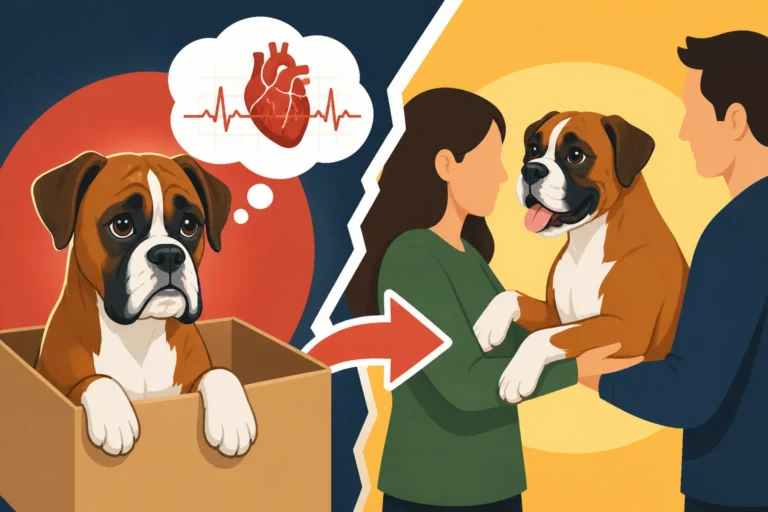
One of the most devastating conditions for Boxer owners is Arrhythmogenic Right Ventricular Cardiomyopathy (ARVC), often referred to as Boxer cardiomyopathy. This inherited heart disease causes the heart muscle cells to be replaced by fatty or fibrous tissue, leading to electrical disturbances that result in dangerous arrhythmias. Many Boxers with ARVC can experience fainting episodes in a Boxer or even sudden cardiac death.
Diagnosis typically involves a Holter monitor test, which records heart activity over 24-48 hours. Once diagnosed, managing ARVC almost always involves lifelong medication. The primary goal is to control the arrhythmias. Sotalol for a Boxer with ventricular beats is a common first-line drug, a beta-blocker that helps regulate the heart rhythm. Sometimes, antiarrhythmic drugs like mexiletine might be added or used in combination. If the disease progresses to heart failure, other medications like pimobendan (Vetmedin), furosemide, or ACE inhibitors (like enalapril) may be introduced to improve heart function and reduce fluid buildup. These medications are typically given daily, sometimes multiple times a day, and require careful monitoring and regular veterinary check-ups to adjust dosages as needed. Many owners find that fish oil for a Boxer's arrhythmia can also be a helpful supportive supplement. It's a challenging journey, but with consistent medication, many Boxers can live a good quality of life for years after diagnosis.
Hypothyroidism: A Common Endocrine Disorder
Hypothyroidism is another common chronic condition in Boxers, where the thyroid gland doesn't produce enough thyroid hormone. This hormone is crucial for regulating metabolism, so a deficiency can impact almost every bodily function. It can often manifest as a Boxer that thickens and slows down, displaying symptoms like weight gain despite no change in diet, lethargy, a dull coat, hair loss, and sometimes even behavioral changes such as increased anxiety or aggression.
Diagnosing hypothyroidism involves a simple blood test that measures thyroid hormone levels. Once confirmed, treatment is straightforward but lifelong: daily oral administration of synthetic thyroid hormone, typically levothyroxine. The dosage is carefully calculated based on the dog's weight and the severity of the deficiency, and it's given once or twice a day. After starting treatment, follow-up blood tests are usually performed every few weeks to ensure the dosage is optimal. Once stable, blood tests might be done once or twice a year. While it requires consistent daily medication, Boxers with hypothyroidism generally respond very well to treatment and can lead perfectly normal, healthy lives with proper management.
Allergy and Skin Conditions: Ongoing Relief and Prevention
Boxers, with their short, sleek coats, are unfortunately prone to various allergies and skin sensitivities. These can be environmental (pollen, dust mites), food-related (common proteins like chicken or beef), or even contact allergies. The symptoms are often similar: intense itching, redness, inflammation, chronic ear infections, and recurrent skin infections that can be incredibly frustrating for both dog and owner. The constant scratching can lead to hot spots, hair loss, and thickening of the skin.
Managing Boxer allergies is often a multi-pronged, lifelong endeavor. It might involve identifying and avoiding allergens where possible, but medication is almost always a part of the long-term solution. Antihistamines, such as Benadryl, can offer mild relief for some dogs. For more severe cases, newer medications like Apoquel (given daily) or Cytopoint injections (given every 4-8 weeks) can provide significant relief by targeting specific pathways that cause itching. Steroids might be used for acute flare-ups but are generally avoided for long-term use due to side effects. For skin infections, medicated shampoos and oral antibiotics are often prescribed. Dietary changes, sometimes involving novel protein diets or prescription hydrolyzed protein diets, are crucial for food allergies. Brands like Chewy often carry a wide range of prescription foods and over-the-counter allergy support products. It's a constant battle, but with consistent care and medication, the itch can be managed, and your Boxer can be much more comfortable.
Specialized Medications for Aging Boxers or Specific Ailments
As our beloved Boxers enter their golden years, or if they develop specific challenges, additional medications often become necessary. These are tailored to address the unique needs that arise from aging or from conditions that manifest more acutely.
Arthritis and Joint Support: Easing the Golden Years
It’s a sad fact that as Boxers age, their active lives can start to take a toll on their joints. Arthritis in an older Boxer is common, leading to stiffness, pain, and reduced mobility. Watching your once-bouncy Boxer struggle to get up or climb stairs is heartbreaking, and managing this pain becomes a top priority in their senior care. Caring for a Boxer past eight often means addressing joint health proactively.
To combat arthritis, veterinarians frequently prescribe Non-Steroidal Anti-Inflammatory Drugs (NSAIDs) like Carprofen (Rimadyl), Galliprant, or Meloxicam. These medications are given daily or as needed to reduce inflammation and pain, significantly improving comfort and mobility. Long-term use requires periodic blood work to monitor kidney and liver function. Beyond NSAIDs, other options include Adequan injections, which help protect cartilage, and various oral joint supplements containing glucosamine, chondroitin, and MSM. While these supplements might not be medications in the traditional sense, they play a crucial role in supporting joint health and can often be part of a daily regimen. Furthermore, specific diets formulated for joint health are available, and you might find that adding a high-quality fresh food option like Ollie, which often contains natural anti-inflammatory ingredients, can be beneficial.
Gastrointestinal Sensitivities and Colitis Management
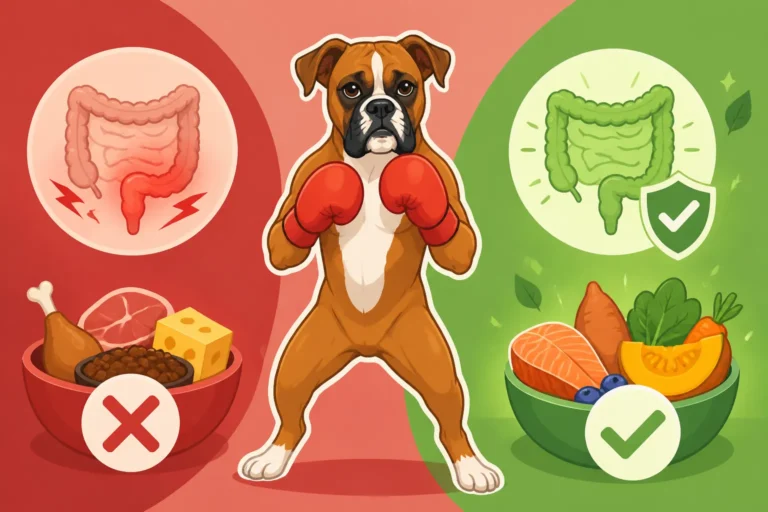
Boxers are known for their sensitive stomachs and digestive systems, with conditions like Boxer colitis and the young dogs it hits being a frequent concern for owners. This inflammatory bowel disease often causes chronic diarrhea, sometimes bloody mucus in a young Boxer's stool, straining, and discomfort. It's frustrating to deal with, and diet alone isn't always enough to keep it under control. The age Boxer colitis usually starts often means a long road of management.
For Boxers suffering from chronic colitis, a combination of dietary management and medication is typically required. Antibiotics like Metronidazole or Tylosin are often prescribed to reduce inflammation and control bacterial overgrowth in the gut. These might be given for a specific period or, in some cases, at a low dose long-term. Probiotics and prebiotics are also invaluable for supporting a healthy gut microbiome and are often given daily. Anti-inflammatory drugs may be used in more severe cases. A highly digestible, limited-ingredient, or novel protein diet is usually a cornerstone of management, and some Boxers may even require prescription diets for life. Consistency in both diet and medication is vital to keep symptoms at bay and prevent flare-ups.
Cancer Treatment and Palliative Care
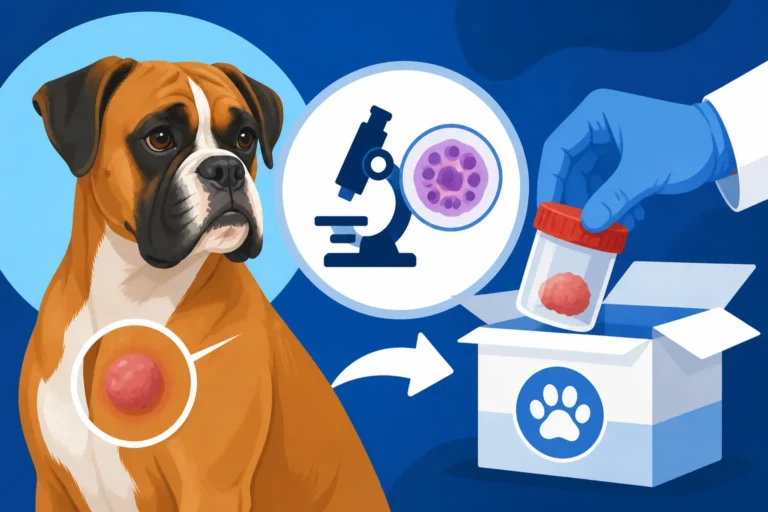
Tragically, cancer is a leading cause of death in Boxers. If your Boxer is diagnosed with cancer, the treatment plan can be incredibly complex and often involves a mix of surgical intervention, chemotherapy, and supportive medications. The share of Boxer deaths that are cancer is a statistic no owner wants to face, but it's a harsh reality.
For Boxers undergoing chemotherapy for a Boxer with cancer, specific medications are given at veterinary oncology centers, but there are often associated medications to manage side effects at home. Anti-nausea drugs (like maropitant or ondansetron) are frequently prescribed to combat the gastrointestinal upset that chemotherapy can cause. Pain medications, such as gabapentin or tramadol, may be needed for discomfort. In some cases, steroids (like prednisone) might be used as part of the chemotherapy protocol or for palliative reasons to reduce inflammation and improve appetite. Even when aggressive treatment isn't an option, palliative care focuses on comfort, using medications to manage pain, nausea, and other symptoms to ensure the Boxer's remaining time is as peaceful as possible. This heartbreaking journey highlights the immense need for ongoing medication to provide comfort and extend quality of life.
The Financial Reality of Lifelong Boxer Medications
Let’s be real: owning a Boxer isn't cheap, and the ongoing cost of medications for their predisposed health conditions can quickly add up. It’s a significant financial commitment that many prospective owners don’t fully anticipate, but it’s crucial to understand for responsible pet ownership.
Breaking Down the Monthly Costs
The cost of monthly medications for a Boxer can vary wildly depending on the specific conditions being managed, the types of drugs prescribed, and whether you're purchasing generic or brand-name versions. Preventative medications alone, like heartworm and flea/tick control, can easily run $30-$70 per month. Add in chronic conditions, and those numbers climb.
For example, a Boxer with ARVC might be on Sotalol and Pimobendan. Sotalol can range from $20-$50 a month, while Pimobendan, a critical cardiac drug, can be $60-$150+ monthly, depending on dosage and pharmacy. Managing hypothyroidism with levothyroxine is relatively inexpensive, often $10-$30 a month. Allergy medications like Apoquel can be quite pricey, ranging from $50-$150 per month. If your Boxer needs specialized prescription diets for colitis, that's another significant monthly expense, potentially $80-$150.
Here's a rough breakdown of potential monthly medication costs:
| Medication Type | Purpose | Estimated Monthly Cost Range |
|---|---|---|
| Heartworm Preventative | Prevents heartworm disease | $15 – $35 |
| Flea & Tick Preventative | Prevents fleas and ticks | $20 – $40 |
| Sotalol (for ARVC) | Controls heart arrhythmias | $20 – $50 |
| Pimobendan (for ARVC) | Improves heart function | $60 – $150+ |
| Levothyroxine (Hypothyroidism) | Thyroid hormone replacement | $10 – $30 |
| Apoquel (Allergies) | Controls itching from allergies | $50 – $150 |
| NSAIDs (Arthritis) | Reduces pain and inflammation | $30 – $80 |
| Metronidazole (Colitis) | Antibiotic for gut inflammation | $10 – $30 |
| Probiotics | Supports gut health | $15 – $40 |
| Total for Multi-Condition Boxer | (Example: Preventatives + ARVC + Allergies) | $170 – $475+ |
These figures can quickly add up, making the what Boxer cardiomyopathy costs a family a very real concern, or even simply the annual Holter screening as a Boxer expense. It's essential to factor these ongoing costs into your budget from the moment you consider bringing a Boxer home.
Pet Insurance and Prescription Programs: Is It Worth It?
Given the high potential for chronic conditions and the associated medication costs, pet insurance becomes a serious consideration for Boxer owners. Insuring a Boxer before the first lump or any major diagnosis is absolutely crucial, as pre-existing conditions are typically not covered. A good comprehensive policy can cover a significant portion of prescription medication costs, specialist visits, and ongoing diagnostics. Brands like Healthy Paws are well-regarded for their comprehensive coverage, though it’s always wise to compare policies and understand what's included, especially regarding chronic conditions and hereditary issues.
Beyond insurance, exploring prescription discount programs can also save you money. Many human pharmacies offer pet medication discounts, and some online pet pharmacies, like Chewy's pharmacy service, often have competitive pricing and auto-ship options that can be very convenient. Always get a written prescription from your vet, which allows you to shop around for the best price. Don't be shy about asking your vet if generic alternatives are suitable for your Boxer; they can often be significantly cheaper than brand-name drugs with the same active ingredients.
Dietary Management and Supplements as Part of the Regimen
It’s easy to think of medication as only pills or liquids, but for many Boxers, their diet itself is a form of ongoing medical management. For conditions like Boxer colitis, a specialized, often prescription, diet is as crucial as any drug. These diets are carefully formulated to be highly digestible, contain novel proteins, or have specific fiber blends to support gut health.
High-quality food brands are increasingly offering prescription lines that address various health concerns, from joint support to kidney disease. Some owners also opt for fresh-cooked or raw diets, sometimes with the guidance of a veterinary nutritionist, as they believe it offers better control over ingredients and can be less inflammatory. Brands like Ollie, which deliver fresh, human-grade dog food, can be an excellent option for Boxers with sensitivities, though they often come at a higher price point. Supplements, too, play a vital role. We've touched on joint supplements, but others like probiotics for gut health, omega-3 fatty acids for skin and coat, or specific vitamins might be recommended by your vet to complement their medication regimen and support their overall health. Remember, joint support in a Boxer's diet can make a significant difference in their comfort levels as they age.
Practical Tips for Administering and Sourcing Medications
Administering medication to your Boxer can sometimes feel like a wrestling match, especially if they’re not keen on taking pills. But with a few tricks and consistent routines, you can make the process much smoother for both of you.
Making Medication Time Stress-Free
The key to successful medication administration is often making it a positive or at least neutral experience. If your Boxer associates medicine with a struggle, they'll learn to avoid you.
- Pill Pockets are Your Friend: These soft, flavored treats are designed with a built-in pocket for pills. Most Boxers will gobble them down without a second thought. Brands like Greenies Pill Pockets are widely available and come in various flavors.
- Hide in High-Value Food: If pill pockets don't work, try hiding pills in small amounts of extremely high-value food. Peanut butter (xylitol-free!), cream cheese, a small piece of hot dog, or canned wet food can be excellent camouflage. Make sure the piece is small enough that they'll swallow it quickly without chewing too much and discovering the pill.
- The "Two-Treat" Method: Give one plain treat, then the pill-hidden treat, then another plain treat. This distracts them and ensures they get a good taste afterward.
- Compounding Pharmacies: For difficult-to-pill medications, ask your vet if the medication can be compounded into a flavored liquid or chewable treat. This can be a game-changer for picky Boxers.
- Positive Reinforcement: Always praise and offer another treat (or belly rubs!) after successful medication. Make it a routine, like "medication time" followed by something they love.
- Direct Administration (Last Resort): If all else fails, you may need to learn how to open your Boxer's mouth and place the pill at the back of their tongue, then hold their muzzle closed and stroke their throat to encourage swallowing. Always follow your vet's guidance on this technique to avoid injury.
Sourcing and Refilling Prescriptions Safely
Once you have a prescription, knowing where to source and refill it reliably and affordably is important.
- Your Veterinarian's Office: This is often the most convenient place, and you have immediate access to your vet for any questions or concerns. While prices might sometimes be slightly higher, the peace of mind and direct oversight are invaluable.
- Local Pharmacies: Many human pharmacies, like CVS or Walgreens, have pet medication sections and can fill common prescriptions. It’s always worth comparing their prices, especially for generic medications.
- Reputable Online Pet Pharmacies: Online options, such as Chewy's pharmacy, PetMeds, or even larger online retailers, can offer competitive pricing and the convenience of home delivery, which is especially helpful for monthly refills. Always ensure they require a valid prescription from your vet and are a Veterinary-Verified Internet Pharmacy Practice Sites (Vet-VIPPS) accredited pharmacy to guarantee safety and legitimacy.
- Mail-Order Pharmacies for Chronic Illness: For long-term medications, a mail-order pharmacy might offer additional savings on larger quantities. Discuss this option with your vet.
- Auto-Ship Programs: Many online pharmacies and even some vet offices offer auto-ship services, ensuring you never run out of crucial medications. This is especially useful for those monthly preventatives and daily chronic meds.
- Refill Reminders: Set up reminders on your phone or use your vet's online portal to keep track of when refills are due. Running out of a vital medication can disrupt your Boxer's health and require emergency vet visits.
Managing your Boxer's medications is an ongoing commitment, but with these strategies, you can ensure they receive the best possible care, keeping them happy, healthy, and by your side for as long as possible.
Disclaimer
The information provided in this guide is for informational purposes only and does not constitute veterinary advice. Always consult with a qualified veterinarian for any health concerns or before making any decisions about your Boxer's medical care or treatment plan.