Transport Runs That Move Boxers Between States
It’s a common scenario: you’ve found the perfect Boxer puppy from a reputable breeder, or maybe you’ve opened your heart to a deserving rescue Boxer, but there’s one big hurdle – they’re hundreds, even thousands, of miles away. The idea of getting your new family member home can feel incredibly daunting, filled with questions about safety, stress, and logistics. This guide is here to walk you through the ins and outs of interstate Boxer transport, helping you understand your options and prepare for a smooth journey, ensuring your beloved Boxer arrives safe, sound, and ready to become part of your home.
Understanding the Challenges of Interstate Boxer Transport
Moving a Boxer across state lines isn't as simple as just putting them in a car. There are unique considerations that come with our beloved Boxers, coupled with legal and logistical complexities that vary from state to state. It's easy to feel overwhelmed, but breaking it down helps make it manageable.
Why Boxers Need Special Consideration for Travel
Boxers, with their endearing flat faces and bundles of energy, are a breed that requires a bit more thought when it comes to travel, especially over long distances. Their brachycephalic (short-nosed) anatomy makes them particularly susceptible to breathing difficulties and overheating. Imagine being stuck in traffic on a warm day, or even just in a moving vehicle where air circulation isn't perfect – for a Boxer, this can quickly become a serious health risk. They simply cannot pant as efficiently as long-nosed breeds to cool themselves down, making temperature control absolutely critical during any form of transport.
Beyond their physical vulnerabilities, Boxers are also incredibly sensitive and people-oriented dogs. They thrive on companionship and routine, and being separated from familiar faces or confined for extended periods can be incredibly stressful for them. A stressed Boxer might become anxious, destructive, or even develop car sickness, adding another layer of complexity to the journey. This isn't just about discomfort; severe stress can suppress their immune system or even exacerbate underlying health issues, like those related to their heart. For example, if a Boxer has an undiagnosed case of Boxer Cardiomyopathy and the Holter Monitor hasn't revealed it yet, extreme stress or excitement during travel could potentially trigger an episode.
The flat face also means that Boxers are often deemed higher risk for sedation, making any veterinary procedures around travel a careful consideration, as detailed in discussions around Anesthesia Risk in a Flat-Faced Boxer. This sensitivity means that whatever transport method you choose, minimizing stress and ensuring their comfort and safety from overheating or breathing distress should always be the top priority.
The Logistics of Crossing State Lines with a Boxer
Navigating state lines with a pet involves more than just a map; it involves a stack of paperwork. Each state has its own set of regulations regarding the entry of animals, and failing to meet these requirements can lead to delays, fines, or even your Boxer being refused entry. It’s a frustrating maze of bureaucracy that can catch even experienced pet owners off guard.
Most states require a current health certificate, often issued by a licensed veterinarian within 10 days of travel. This certificate attests that your Boxer has been examined and appears healthy, free of contagious diseases, and is fit for travel. Along with this, you'll need proof of current vaccinations, especially rabies, which is universally required. For puppies, a complete series of distemper and parvovirus vaccinations is also usually necessary. Some states might even have specific requirements for internal or external parasite control. For instance, if you're bringing a Boxer into a region with high heartworm incidence, they might want proof of recent testing and prevention.
Beyond health documentation, consider other important paperwork. This includes microchip registration details (always a good idea to have it updated and accessible), breeder contracts, adoption papers if coming from a rescue, and any medical history. If you're adopting a Boxer that is already six, they might have more extensive medical records that need to travel with them. This is particularly vital if your Boxer has ongoing medical needs, such as a special diet for Boxer Colitis and the Young Dogs It Hits, or daily medication. You might also need to look into specific breed import restrictions, though these are rare for Boxers within the contiguous United States, but it's always worth a quick check on the destination state's agricultural department website. The key here is proactive research; don't wait until the last minute to gather these documents, as getting them can sometimes take time.
Common Methods for Interstate Boxer Relocation
When you're faced with moving a Boxer across states, you essentially have a few main paths to consider, each with its own set of advantages and drawbacks. The best choice often depends on your budget, your schedule, the distance, and crucially, your Boxer's individual needs and temperament.
Driving Your Boxer Yourself: The Ultimate Control
For many Boxer owners, driving their beloved dog themselves is the preferred method, and for good reason. It offers an unparalleled level of control over the journey, which is a huge comfort, especially when transporting a brachycephalic breed prone to stress and overheating. You dictate when and where you stop, how long the breaks are, the temperature inside the vehicle, and who interacts with your Boxer. This direct oversight minimizes stress for your dog because you're a familiar presence, offering reassurance and immediate attention if anything seems off.
Imagine planning a cross-country drive. You can map out a route that includes pet-friendly hotels or ample rest stops with green spaces for potty breaks and stretching. You can ensure the car is comfortably air-conditioned, even bringing along extra cooling mats or fans during warmer months, which is crucial given how fast a flat-faced Boxer overheats. You can pack their favorite toys, bedding, and even familiar smells to make their travel crate or car harness feel like a safe haven. On the flip side, driving yourself means a significant time commitment, especially for long distances, potentially involving multiple days of travel and overnight stays. The cost of fuel, food for yourself, and lodging can add up, and it puts wear and tear on your vehicle. However, for many, the peace of mind knowing their Boxer is in their direct care outweighs these cons. Preparing for a trip like this also means getting the right gear, from a secure crate or a comfortable car harness to portable water bowls and plenty of waste bags. Always remember to secure your Boxer in the vehicle, whether in a crash-tested crate or with a safety-certified harness, to prevent injury in case of sudden stops. For more insights on seasonal travel, you might want to read up on Road Trips With a Boxer in Summer.
Hiring Professional Pet Transport Services
When driving isn't an option, professional pet transport services step in. These companies specialize in moving animals safely across long distances and can be a lifesaver for busy owners or those facing extreme travel. There are two primary categories: ground transport and air transport.
Professional Ground Transport: This is often the recommended option for Boxers due to their specific health vulnerabilities. Ground transport typically involves dedicated vans or trucks designed for animal welfare, equipped with climate control, comfortable crates, and regular stops. Many reputable ground transporters offer "door-to-door" service, picking up your Boxer from the origin and delivering them directly to your home. The drivers are usually experienced animal handlers, providing regular updates and photos during the journey, which helps ease a worried owner's mind. The journey might take longer than flying, but the reduced stress on your Boxer, combined with the personalized care and ability to avoid the risks associated with air travel for brachycephalic breeds, makes it a highly attractive option. You can often choose between a dedicated private transport, where your Boxer is the only passenger, or a shared run, which is more economical but involves other animals. Look for transporters who are USDA-registered and can provide references, insurance, and clear communication protocols.
Professional Air Transport: This is where things get tricky for Boxers. Due to their brachycephalic nature, many commercial airlines have outright bans on Boxers and other flat-faced breeds traveling in cargo, especially during warmer months or at all. The risk of respiratory distress and overheating in the cargo hold, where temperature and pressure fluctuations can occur, is simply too high. For instance, airlines like United Airlines and Delta have specific restrictions or embargoes on brachycephalic breeds. If, and only if, air transport is absolutely unavoidable and deemed safe by your veterinarian and the airline, options like in-cabin travel for small puppies (Boxers quickly outgrow this) or private pet charter services (which are extremely expensive, often costing thousands of dollars) exist. Private charters offer a more controlled environment but are simply out of reach for most owners. Before even considering air travel, consult your vet thoroughly and check the most up-to-date airline policies. Never compromise your Boxer's health for speed.
Comparison of Boxer Transport Methods
| Method | Pros | Cons | Cost Range | Best For |
|---|---|---|---|---|
| Self-Drive | Full control over environment, schedule, and breaks; minimal stress for dog due to familiar presence. | Significant time commitment, personal fatigue, fuel costs, potential lodging expenses, vehicle wear and tear. | Low (fuel, lodging) | Owners with flexible schedules, shorter to medium distances, and those who prioritize maximum control and direct supervision of their Boxer's comfort. |
| Professional Ground | Door-to-door service, experienced handlers, climate-controlled vehicles; generally safer for brachycephalic breeds like Boxers. | Can be significantly more expensive than driving yourself; less direct control over the specific route or timing once booked. | Medium-High | Long distances where driving yourself isn't feasible; owners seeking specialized care for a Boxer, especially to mitigate heat and stress risks. |
| Professional Air Cargo | Fastest way to cover very long distances. | High risk for Boxers due to breathing issues and heat sensitivity; many airlines ban brachycephalic breeds from cargo; very stressful for the dog. | High | Rarely recommended for Boxers due to safety concerns; only viable in very specific, highly controlled scenarios (e.g., private jet charters, if approved by vet and not cost-prohibitive). |
| Volunteer Transport | Often free or requires only gas reimbursement; highly compassionate care, especially for rescue animals. | Less predictable schedule, relies on volunteer availability, multiple hand-offs can be stressful for some dogs, potentially slower. | Very Low | Rescues and adoption organizations looking to move Boxers to their forever homes; owners with flexible timelines and limited budgets. |
Enlisting Volunteer Transport Networks (Often for Rescues)
For those looking to bring home a rescue Boxer, or for rescues themselves, volunteer transport networks are an incredible resource. These networks are often breed-specific, meaning you might find dedicated groups of Boxer lovers willing to help. The concept is simple: a "transport run" is organized where a series of volunteers each drive a segment of the journey, passing the Boxer from one car to the next until they reach their destination.
The biggest pro of volunteer transport is its cost-effectiveness; volunteers usually donate their time and sometimes even fuel, or they ask for a very small reimbursement for gas. This makes it an invaluable option for rescues operating on tight budgets and adopters who might not have thousands to spend on professional services. More importantly, these volunteers are often passionate Boxer enthusiasts who understand the breed's needs, offering compassionate care and attention throughout their leg of the journey. For a Boxer like one you might read about in Adopting a Boxer That Is Already Six, a network of caring individuals can make the transition much smoother.
However, there are cons to consider. Volunteer transports can be less predictable and slower than professional services, as they rely on the availability of multiple individuals. Schedules might shift, and there could be delays if a volunteer has an unexpected emergency. The Boxer will also experience multiple hand-offs to different people, which can be stressful for some dogs, even if each person is kind and loving. Communication across a large network can also sometimes be a challenge, requiring patience and clear coordination. While often wonderful, it's a method that requires flexibility and a trusting approach, knowing that your Boxer is in the hands of good Samaritans who want the best for them.
Essential Preparations for a Smooth Boxer Journey
No matter which transport method you choose, thorough preparation is your best defense against unexpected hurdles. This isn't just about packing a bag; it's about safeguarding your Boxer's health, mental well-being, and ensuring you have all your bases covered for any eventuality.
Health Checks and Veterinary Documentation
Before your Boxer embarks on any interstate journey, a visit to the veterinarian is non-negotiable. This pre-travel check-up, ideally done within 7 to 10 days of the planned travel date, is crucial. Your vet will perform a comprehensive physical examination to ensure your Boxer is healthy enough for the trip. They'll listen to their heart and lungs, check their eyes, ears, and teeth, and generally assess their overall condition. This is especially important for Boxers, given their predispositions to certain health issues.
The vet will also issue a Certificate of Veterinary Inspection (CVI), commonly known as a health certificate, which is a legal document required by most states for interstate animal transport. This certificate confirms that your Boxer is free from infectious diseases and is fit to travel. Ensure all vaccinations, particularly rabies, are up-to-date, and you have printed proof to accompany the certificate. If your Boxer is on any regular medications, such as for an arrhythmia or other conditions you might learn about in Medication for a Boxer With an Arrhythmia, make sure you have an ample supply for the journey and beyond, along with clear instructions for their administration. It's also wise to have your Boxer microchipped and ensure the registration information is current with your contact details. This provides an extra layer of security should they get lost during transit. Always keep all these documents, both physical and digital copies, easily accessible during the journey.
Preparing Your Boxer Emotionally and Physically
A long journey can be incredibly taxing on a Boxer, both mentally and physically. Proactive steps to prepare them can make a world of difference.
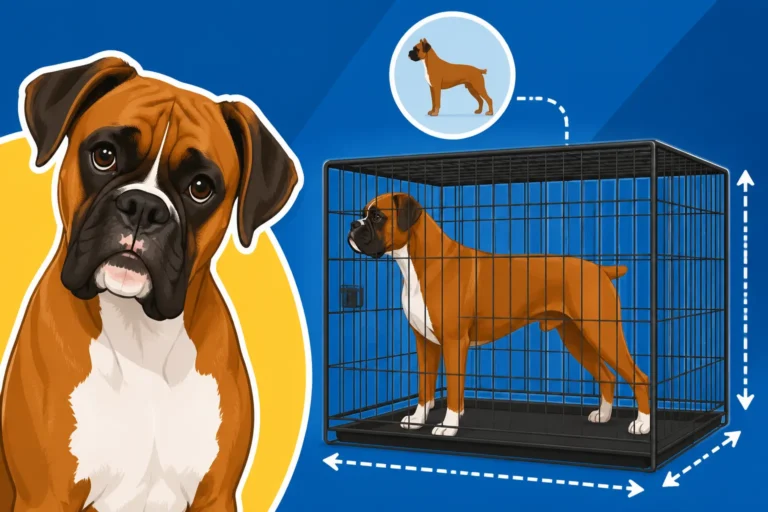
First and foremost, crate training is paramount. Whether they're traveling in your car or with a professional transporter, they will likely spend time in a crate. This crate should be a safe, positive space, not a punishment. Start well in advance, making the crate inviting with comfortable bedding, toys, and treats. Gradual introduction and positive reinforcement will help your Boxer associate the crate with security and comfort. For tips on choosing a durable crate, consider resources like Choosing a Crate a Boxer Cannot Wreck.
If your Boxer is prone to car sickness, discuss options with your vet. They might prescribe anti-nausea medication or suggest over-the-counter remedies like ginger. Administering a light meal a few hours before travel, rather than a full belly, can also help. To reduce overall stress, consider products like pheromone collars or sprays (e.brands like Adaptil are popular), or a Thundershirt, which applies gentle, constant pressure to soothe anxiety. Familiar items from home – a favorite blanket, a well-loved toy – can provide immense comfort and a sense of familiarity in a new environment. Before the journey begins, ensure your Boxer gets a good, long exercise session to burn off excess energy. A tired Boxer is generally a calmer traveler. However, be mindful of their breathing and temperature, especially if it's warm; you don't want to exhaust them or let them overheat before they even get in the vehicle.
Packing for the Trip and Financial Considerations
Packing for your Boxer's journey is much like packing for a human road trip, but with a few extra canine-specific essentials. Your packing list should include:
- Food and Water: Pack enough of their regular food for several days, even if the trip is shorter, to avoid sudden diet changes. Bring bottled water from home or familiar water, as changes in water can sometimes cause upset stomachs. Portable, non-spill bowls are a must. Chewy offers a wide selection of travel-friendly food and water bowls that are perfect for this.
- Leash, Harness, and Waste Bags: Essential for potty breaks. A well-fitting harness is often safer and more comfortable for Boxers than a collar alone.
- Bedding and Toys: Familiar items for comfort and boredom relief. Choose toys that are durable and won't be a choking hazard.
- Cleaning Supplies: Paper towels, enzymatic cleaner, and old towels for inevitable spills or accidents.
- First-Aid Kit: Basic supplies for minor cuts, scrapes, or upset stomachs. Your vet can advise on what to include.
- Copies of Documents: Health certificate, vaccination records, microchip info, and emergency contact numbers.
- Medications: Any prescribed medications your Boxer needs. For specialized food needs, perhaps consider options from Ollie, which offers fresh, customized meals.
Beyond the physical items, consider the financial aspects. Interstate transport can incur various costs: fuel and lodging (if driving yourself), professional transport fees (which can range from hundreds to thousands of dollars depending on distance and service level), health certificate fees, and potentially unexpected vet visits. For a comprehensive overview of expenses, you might find valuable information in The Yearly Bill for a Seventy-Pound Boxer.
Perhaps one of the most crucial financial preparations is pet insurance. Unexpected emergencies during travel can be costly. Having a policy in place before any incident occurs is vital for peace of mind. Companies like Healthy Paws offer robust coverage that can help offset the costs of unforeseen medical issues, whether it's an injury, an illness triggered by stress, or an existing condition flaring up. Remember that any condition diagnosed before insurance is active will likely be considered pre-existing, so it’s best to enroll your Boxer as early as possible. For more on this, check out Insuring a Boxer Before the First Lump.
What to Expect During and After Arrival
The journey itself is only part of the adventure. Knowing what to monitor during transit and how to help your Boxer settle into their new surroundings are just as important for a successful move.
During the Journey: Keeping Your Boxer Safe and Comfortable
Whether you're driving yourself or using a professional service, the focus must remain on your Boxer's safety and comfort. For those driving, regular stops are absolutely non-negotiable – ideally every 2-4 hours. These stops aren't just for potty breaks; they're opportunities for your Boxer to stretch their legs, sniff around a bit (on leash, of course!), and rehydrate. Never let your Boxer off-leash in an unfamiliar area.
Hydration is key. Offer water frequently, especially in warmer weather. A Boxer can dehydrate quickly, and this can exacerbate breathing difficulties. Monitor their water intake and encourage them to drink. Temperature control inside the vehicle is paramount for Boxers. Keep the air conditioning running strongly in summer, and ensure they are warm enough but not overheated in winter. Never leave your Boxer unattended in a vehicle, even for a few minutes, as internal temperatures can rise or fall dangerously fast. Remember that their unique physiology makes them especially vulnerable to conditions that might barely affect other breeds. This is why understanding topics like Why a Boxer's Chest Shape Invites Bloat is not just for home, but crucial during stressful situations like travel.
During the journey, constantly monitor your Boxer for signs of stress or overheating. Watch for excessive panting, drooling, lethargy, red gums, or any change in their normal demeanor. If you notice any of these signs, pull over immediately, offer water, and try to cool them down with wet cloths if necessary. If using a professional transport service, ensure they provide regular updates and photos, and don't hesitate to call and check in. A good transporter understands your concern and will be proactive in their communication.
Settling Your Boxer into Their New Home
Finally, the journey is over! But the transition isn't. The first few days, and even weeks, in a new home are a critical decompression period for your Boxer. They've just experienced a significant change, and they need time, patience, and understanding to adjust.
When you arrive, give your Boxer a quiet space away from immediate excitement. This might be a designated room with their crate, bed, food, and water. Allow them to explore at their own pace. Avoid overwhelming them with new people, pets, or too many new experiences all at once. For instance, if you've brought home a Boxer puppy, remember that The Boxer Puppyhood That Lasts Three Years is a journey, and this initial adjustment sets the tone.
Establish a predictable routine as quickly as possible. This includes consistent feeding times, potty breaks, and short, manageable walks. Predictability helps build confidence and security in a new environment. Gradually introduce them to other areas of the house and, if applicable, to other family members and pets, always supervising interactions closely.
Schedule a vet visit with a new local veterinarian within a week or two of arrival, especially if it's a puppy or rescue. This allows the vet to get to know your Boxer, assess their health post-travel, and ensure all necessary vaccinations are up-to-date for your new area. It's also a great opportunity to establish a baseline for their health and discuss any concerns you might have. Ultimately, settling a Boxer into their new environment is about creating a safe, loving, and predictable "home base," fulfilling all the aspects of The Household a Boxer Actually Needs. With patience and consistency, your Boxer will soon be thriving in their new life.
Disclaimer
Please note that the information provided in this article is for general guidance and informational purposes only. It is not intended to be a substitute for professional veterinary advice, diagnosis, or treatment. Always seek the advice of your veterinarian or other qualified animal health provider with any questions you may have regarding a medical condition or before undertaking any new healthcare regimen for your Boxer. Travel regulations and airline policies can change frequently, so always verify the most current requirements with relevant authorities and carriers before making travel arrangements.