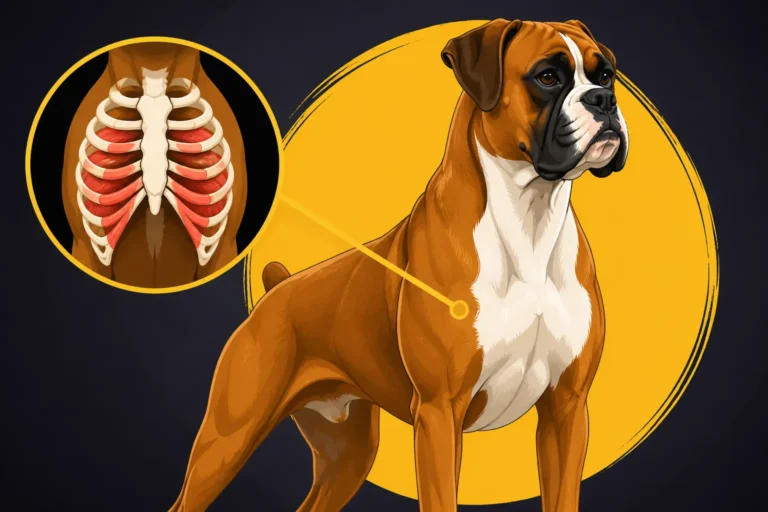
Whether Cropping Changes a Boxer’s Hearing
The decision to crop a Boxer's ears is a deeply personal one for many owners, often sparking a lot of discussion and, frankly, some strong opinions. One of the most common anxieties people face when considering ear cropping, or even when adopting a Boxer whose ears have already been done, is whether the procedure will negatively impact their dog's ability to hear. This guide aims to clear up those concerns, exploring the realities of ear anatomy, the cropping procedure itself, and whether it truly changes a Boxer's hearing capabilities.
The Anatomy of a Boxer's Ear: Natural vs. Cropped
To understand whether ear cropping affects a Boxer's hearing, it's crucial to first grasp how a dog's ear is designed to function and what the cropping procedure actually involves. It’s not just about what you see on the outside; a lot of the magic happens within.
How a Dog's Ear Works for Hearing
Dogs, including our beloved Boxers, possess an incredible sense of hearing, far superior to our own. Their ears are intricate structures designed to capture and process sound waves with remarkable efficiency. The outer ear, or pinna, which is the floppy part you see, acts like a funnel, directing sound down into the ear canal. The shape and mobility of the pinna are actually quite important for this. Dogs have numerous muscles controlling their ear flaps, allowing them to independently rotate and tilt their ears to pinpoint the source of a sound. Think about how your Boxer might cock their head and pivot their ears towards a faint rustle in the bushes or the crinkle of a treat bag from another room – that's their pinna at work.
Beyond the pinna, the sound travels through the ear canal to the eardrum, a delicate membrane that vibrates in response to sound waves. These vibrations are then transmitted to tiny bones in the middle ear, which amplify the sound and pass it to the inner ear. The inner ear is where the real conversion happens: fluid-filled canals and hair cells transform these vibrations into electrical signals that the brain interprets as sound. This entire system is housed deep within the skull, protected by bone, and is essentially the same whether a Boxer has natural, floppy ears or ears that have been cropped.
What Ear Cropping Actually Entails
Ear cropping, in essence, is a surgical procedure where a portion of the floppy pinna is removed, and the remaining cartilage is shaped and then held upright with taping and posting until it heals in a standing position. This is typically done when a Boxer puppy is young, usually between 8 to 12 weeks of age, while the cartilage is still soft enough to be reshaped. The goal is to achieve a specific aesthetic look, adhering to the traditional Boxer breed standard, which describes tall, alert ears.
It’s important to understand that the actual cropping procedure only alters the outer, visible part of the ear – the pinna. It doesn't delve into the ear canal, nor does it affect the delicate structures of the middle or inner ear where the core hearing mechanisms reside. The surgery is carefully performed by a veterinarian, often a specialist, to remove the desired amount of cartilage and skin, leaving the ear canal and all internal hearing components completely untouched. The skill of the vet is in achieving the desired shape while minimizing trauma and ensuring proper healing. After the surgery, the ears require a dedicated aftercare process involving posting and taping for several weeks or even months to train them to stand erect. This aftercare is crucial for the final result and to prevent complications. For more on the initial financial outlay for this, you can look into Boxer Ear Cropping Costs and Where It Is Regulated.
Does Ear Cropping Physically Affect Hearing?
This is the million-dollar question for many worried Boxer owners, and it's surrounded by a lot of speculation. Let's delve into what veterinary science tells us.
Scientific Consensus and Veterinary Opinion
The overwhelming scientific and veterinary consensus is that ear cropping, when performed correctly by a qualified veterinarian, does not physically impair a Boxer's ability to hear. As mentioned, the procedure only removes the outer, cartilaginous portion of the pinna, which primarily serves to funnel sound. The deeper structures—the ear canal, eardrum, ossicles, and inner ear—remain completely intact and functional. Think of it like this: if you cup your hand behind your ear, you might amplify sound slightly. Removing a portion of the dog's outer ear removes some of that natural cupping ability, but it doesn't sever the connection to the microphone, so to speak.
In fact, some proponents of ear cropping, particularly historically, even argued that standing ears could improve hearing by allowing sound to enter the ear canal more directly without obstruction from a floppy ear flap. However, there's no strong scientific evidence to support a significant improvement in hearing acuity, just as there's no evidence of a reduction. A Boxer with cropped ears can still rotate the remaining portion of their ear and often appears just as attentive to sounds as their natural-eared counterparts. The real factors determining a Boxer's hearing ability are far more fundamental and internal than the shape of their external ear flap.
The Role of Genetics vs. Surgery
When a Boxer owner expresses concern about their dog's hearing, it's far more likely that any actual hearing issues stem from genetics, age, or underlying medical conditions rather than a correctly performed ear crop. For instance, Boxers, especially white Boxers, can be predisposed to congenital deafness. This is a genetic condition present from birth and has absolutely nothing to do with the physical shape of their ears. If you've ever heard of a white Boxer having hearing issues, it's almost certainly due to their genetics, not a cosmetic procedure. You can learn more about this by reading Deafness in White Boxers.
Other factors that can genuinely impact a Boxer's hearing include:
- Age-related hearing loss: Just like humans, dogs can experience a gradual decline in hearing as they get older.
- Ear infections: Chronic or severe ear infections can cause damage to the ear canal or eardrum, leading to temporary or permanent hearing loss.
- Trauma: Physical injury to the head or ear could, in rare cases, impact hearing.
- Certain medications: Some drugs can be ototoxic, meaning they can damage the inner ear.
- Tumors or polyps: Growths within the ear canal can obstruct sound transmission.
None of these common causes are related to ear cropping. If you notice a change in your Boxer's hearing, especially if it's sudden or accompanied by other symptoms like head shaking, scratching, or discharge, your first step should always be a veterinary examination to rule out medical issues, not to blame the ear shape.
Behavioral Observations and Common Misconceptions
It’s easy for us, as devoted Boxer parents, to project our human concerns onto our dogs. We see a cosmetic change and wonder about its deeper impacts. This often leads to misunderstandings about how our dogs perceive the world.
Distinguishing Hearing Loss from Selective Listening
One of the biggest misconceptions when it comes to a Boxer's hearing isn't about physical ability, but rather behavior. Have you ever called your Boxer, and they seem to completely ignore you, only to spring into action at the sound of a food bag crinkling or a squirrel chattering outside? That's not hearing loss, my friend, that's selective listening – a talent many Boxers perfect! They hear you just fine; they've simply decided that your request isn't as high a priority as the potential for a snack or a chase.
Owners might sometimes observe their cropped-eared Boxer seemingly not responding to commands or noises and mistakenly attribute it to diminished hearing from the cropping. However, more often than not, this is a matter of attention, training, or a strong preference for certain stimuli. Boxers are incredibly intelligent, but they can also be notoriously playful and, at times, a little stubborn. Their "puppyhood" famously lasts longer than many breeds, often extending to three years, which means their focus can be fleeting. You might want to explore Why a Boxer Acts Like a Puppy Until Three for more on this delightful trait.
It's also worth considering the environment. In a busy household or a dog park full of distractions, any dog, regardless of ear shape, might appear less responsive simply because there's so much going on around them. Before jumping to conclusions about hearing impairment, it's wise to consider whether your Boxer is genuinely not hearing or simply choosing not to engage with what they are hearing.
The Impact of Environment and Training
The environment a Boxer grows up in, and the consistency of their training, play a far more significant role in their responsiveness to sound than the shape of their ears. A Boxer raised with consistent positive reinforcement training, clear cues, and a strong bond with their owner will typically be more attuned to their owner's voice and commands. This attentiveness isn't dependent on whether their ears stand up or flop down.
If a Boxer is in a noisy environment, like a bustling city apartment with constant street sounds, they might learn to filter out a lot of background noise. This could appear like reduced hearing when, in reality, it's a learned adaptation. Conversely, a Boxer from a very quiet home might be startled by sudden sounds that a city dog would barely register. These are behavioral responses, not indicators of a physical hearing deficit.
Consider also the type of sounds. Boxers are often highly attuned to sounds associated with their routines or high-value rewards. The jingle of keys, the opening of the refrigerator, or the specific tone of voice you use for praise are all powerful auditory cues. If a Boxer isn't responding to a particular sound, it could be that it holds no particular significance for them, or they simply haven't been trained to associate a specific action with it. Training a Boxer requires patience and creativity, as they can get bored fast; reading Keeping Boxer Training Sessions Interesting might offer some useful strategies.
Health Considerations for Cropped Ears
While ear cropping doesn't affect hearing, it does introduce a new set of care considerations. It's not a 'set it and forget it' procedure; proper aftercare and lifelong attention are vital to prevent other issues.
Infection Risk and Ear Canal Health
One common argument against ear cropping is the belief that natural, floppy ears are more prone to infections because they trap moisture and warmth, creating a breeding ground for bacteria and yeast. While this is true for some breeds with very heavy, pendulous ears, a Boxer's natural ears are generally not as heavy or tightly sealed against the head as, say, a Basset Hound's. Regardless, a cropped ear, standing erect, does allow for better air circulation within the ear canal. This can, in theory, reduce the risk of moisture-related infections.
However, it's not a guarantee. Cropped ears still need regular cleaning and inspection. The posting and taping process itself, while necessary, can sometimes irritate the skin if not done correctly or if materials are left on too long. There's also the initial surgical site to heal, which requires diligent cleaning and monitoring to prevent post-operative infections. A well-cared-for natural ear is likely healthier than a neglected cropped ear. Whether natural or cropped, both types of ears require a routine. You can find excellent ear cleaning solutions and wipes at retailers like Chewy to help maintain good ear hygiene, regardless of ear style. Regular cleaning helps prevent wax buildup and minor irritations from escalating.
Lifelong Care for Cropped Ears
The care for a Boxer's ears doesn't stop once they stand erect. Even well-healed cropped ears still need attention throughout the dog's life. This involves:
- Regular Visual Inspection: Check the ears frequently for any signs of redness, swelling, discharge, or unusual odors. These can all be indicators of an infection or irritation.
- Cleaning: While cropped ears have better airflow, they still accumulate wax and debris. Use a vet-approved ear cleaner and soft cotton balls (never cotton swabs, which can push debris deeper) to gently wipe the visible parts of the ear and just inside the canal. Products available on Chewy include specific formulations designed to be gentle on sensitive canine ears.
- Protection from Injury: Because cropped ears stand up, they can be more susceptible to nicks or scrapes, especially if your Boxer is rough-housing or running through dense brush. While rare, a serious injury could potentially affect the cartilage structure.
- Protection from Sunburn: The skin on a cropped ear is exposed to the elements more directly. If your Boxer spends a lot of time outdoors, especially if they have sparse hair on their ears, you might need to consider dog-safe sunscreen to prevent sunburn, just as you would for a white Boxer's nose or any dog with thin fur.
Ultimately, the choice to crop a Boxer's ears is a personal one, often driven by tradition or aesthetic preference. What's clear is that the procedure itself, when performed professionally, does not impact their ability to hear. Any genuine concerns about hearing should always prompt a vet visit to rule out underlying medical or genetic causes. Whether your Boxer has floppy, natural ears or stands proud with cropped ears, consistent care, training, and veterinary attention are what truly ensure their overall health and well-being.
| Ear Type | Hearing Impact | Airflow in Canal | Infection Risk (General) | Cleaning Frequency | Aesthetic Goal |
|---|---|---|---|---|---|
| Natural | None | Moderate | Potentially higher (moisture) | Regular | Soft, floppy, "hound-like" |
| Cropped | None | High | Potentially lower (airflow) | Regular | Erect, alert, traditional Boxer appearance |
Disclaimer
This article is for general informational purposes only and does not constitute professional advice. Laws, prices and regulations vary by location and change over time. Consult a qualified professional for guidance on your specific situation.