What the Standard Says About Boxer Character
When you welcome a Boxer into your home, you're not just getting a dog; you're inviting a whirlwind of personality, energy, and unwavering loyalty. Many new owners quickly discover that while Boxers are renowned for their playful antics and deep devotion, there's a whole lot more to their temperament. This guide will take a deep dive into what the official breed standard—the blueprint for the ideal Boxer—actually says about their character, helping you understand the foundational traits that make these dogs so incredibly special, and sometimes, a delightful challenge.
The Boxer Standard: More Than Just Looks
It's easy to assume that a breed standard focuses solely on physical attributes: coat color, ear set, muzzle length, and tail carriage. But for a breed like the Boxer, whose very name evokes an image of spirited play, the character description is just as, if not more, crucial. It's the soul of the breed, defining the essence of what a Boxer should be, not just what it looks like. Understanding this foundational character helps owners appreciate their dog's quirks and provides a roadmap for responsible breeding.
Why Character is Codified
Think of the character section in a breed standard as the ethical and behavioral cornerstone. It ensures that breeders aren't just producing beautiful dogs, but dogs that also possess the inherent temperament traits that define the breed. For Boxers, this means a dog that is fundamentally fearless, intelligent, and highly affectionate, rather than shy, aggressive, or overly timid. This codification serves to preserve the breed's working heritage and ensures that the dogs remain suitable companions for families, capable of both protection and profound companionship. Without this guidance, the breed's true nature could be diluted over generations, leading to Boxers that are Boxers in name only. It’s about maintaining the whole package: the athletic body and the vibrant spirit.
The Ideal vs. Reality
While the breed standard paints a picture of the ideal Boxer, it’s important to remember that every individual dog, just like every person, has its own nuances. The standard describes a dog that is "fearless, self-assured, calm and watchful, but docile and friendly with its family." That's a tall order for any single dog to embody perfectly at all times! In reality, you might find your Boxer is incredibly calm inside the house but becomes a bundle of exuberant joy the moment a leash is clipped on. Or perhaps they are wonderfully watchful of strangers but might also bark at a leaf blowing across the yard. The standard provides the aspiration, the goal for breeders to work towards, and for owners to understand. It's not a rigid checklist for individual dogs, but rather a guiding principle for the breed as a whole. Your Boxer might lean more into the "clown" aspect some days and more into the "watchdog" on others, and that's perfectly normal.
Understanding the Boxer's Temperament Description
The breed standard's description of the Boxer's temperament is carefully chosen, reflecting centuries of development as a working dog and companion. These aren't just random adjectives; they speak to the breed's core instincts and how they manifest in daily life. From their origins as hunting and protection dogs to their modern role as beloved family members, these traits have been preserved and refined.
The "Boxer Character" Phrase
The phrase "Boxer character" often comes up in conversations about the breed, and for good reason. The standard emphasizes a particular blend of traits: "Their character is of the greatest importance and demands the closest attention. They are famous for their great love and faithfulness to their master and household, his watchfulness and fearless courage when threatened. They are docile and friendly in the family, but distrustful of strangers, bright and elegant when awake, but still calm when resting. They are courageous, high-spirited, intelligent and full of fire, yet tractable and good-natured." Wow, that's a mouthful!
What this means in practice is that a true Boxer possesses a dynamic duality. They are not merely playful or merely protective; they are both. They have an innate spark, an eagerness to engage, and a deep well of energy, combined with a willingness to please and a gentle nature towards those they consider family. This combination is what makes them such captivating companions, constantly keeping you on your toes with their spirited antics, while simultaneously offering profound comfort and steadfast loyalty. It’s why you might see them zooming around the yard one minute and then snuggling on the couch the next. This makes choosing the right toys and accessories important; items from a reputable pet supply store like Chewy, for instance, often cater to this high-energy, intelligent breed with durable toys and puzzle feeders.
Loyalty and Affection
One of the most defining characteristics highlighted in the standard is the Boxer's "great love and faithfulness to their master and household." This isn't just a pleasant add-on; it's central to who they are. Boxers form incredibly strong bonds with their human families, often choosing one person as their primary "their person," but extending their affection warmly to everyone else in the home. This loyalty translates into a desire to be near you, to participate in whatever you're doing, and to offer comfort and companionship.
You'll often find a Boxer following you from room to room, leaning against your legs, or trying to subtly (or not-so-subtly) sneak onto your lap despite their considerable size. This isn't just clinginess; it's a deep manifestation of their devoted nature. They thrive on interaction and being an integral part of the family unit. This intense affection is why they are often described as "velcro dogs" – they want to be stuck right by your side. This aspect of their character makes them particularly sensitive to being left alone for extended periods; they truly are companion animals who crave that connection.
The Protective Instinct: A Balanced View
Boxers, by their very nature and historical purpose, possess a protective instinct. However, the breed standard is very clear that this instinct should be channeled into watchfulness and courage, rather than unprovoked aggression. It's about a dog that can discern a threat and act appropriately, not one that is constantly on edge or confrontational.
Watchdog Without Aggression
The standard describes the Boxer as "watchful and fearless courage when threatened." This is key. A well-bred Boxer should be alert to their surroundings and aware of anything out of the ordinary. They will often bark to alert their family to the presence of strangers or unusual noises, fulfilling their role as a natural watchdog. However, this watchfulness should not spill over into unwarranted aggression towards people or other animals. They are expected to be "docile and friendly in the family, but distrustful of strangers." This "distrustful" quality means they may be reserved or aloof with new people, assessing the situation before deciding whether to accept them.
They are not typically dogs that will launch into an attack without clear provocation. Their courage manifests in their willingness to stand their ground and protect their loved ones if a genuine threat arises, rather than being shy or fleeing. It’s a measured response, not an indiscriminate one. This means proper Socializing a Boxer Puppy Before Sixteen Weeks is absolutely vital to ensure they learn to differentiate between a casual visitor and a true threat. A Boxer's impressive presence and deep bark are often enough to deter unwanted attention, even without any further action.
Confidence and Self-Assurance
Underpinning the Boxer's protective qualities is their inherent confidence and self-assurance. The standard notes they are "fearless, self-assured, calm and watchful." A confident Boxer is a stable Boxer. They are not easily rattled by new situations or loud noises, and they don't typically exhibit nervous aggression born out of fear. This self-possession allows them to calmly observe and react rather than panic.
This confidence also means they require a confident and consistent owner. A Boxer will thrive under leadership that provides clear boundaries and guidance, which helps reinforce their natural stability. Without it, a naturally self-assured dog can become bossy or take matters into its own paws, potentially leading to behavior challenges. It's crucial that an owner matches the Boxer's inner strength with their own calm authority, ensuring the dog feels secure in its place within the family. This foundation of confidence, both in the dog and from the owner, is paramount for a well-adjusted Boxer.
Playfulness and Intelligence: The "Clown" Aspect
Beyond their loyal and protective nature, Boxers are universally known for their boundless energy and humorous antics. The breed standard subtly acknowledges this vital part of their character, highlighting their spirited nature and intelligence, which often manifests in playful ways. This is where the term "clown" often gets used, and it's a label Boxers wear with pride!
High Spirits and Playfulness
The standard describes Boxers as "high-spirited" and "full of fire," which perfectly encapsulates their zest for life and their incredible play drive. Boxers are puppies at heart, and many owners will tell you that the Why Boxer Owners Say the Puppy Stage Never Ends is very real. They retain their playful energy well into adulthood, often even into their senior years. This means they love to run, jump, chase, and engage in boisterous games. Their famous "boxing" with their front paws is a clear manifestation of this playful spirit, a unique way they interact with people and other dogs.
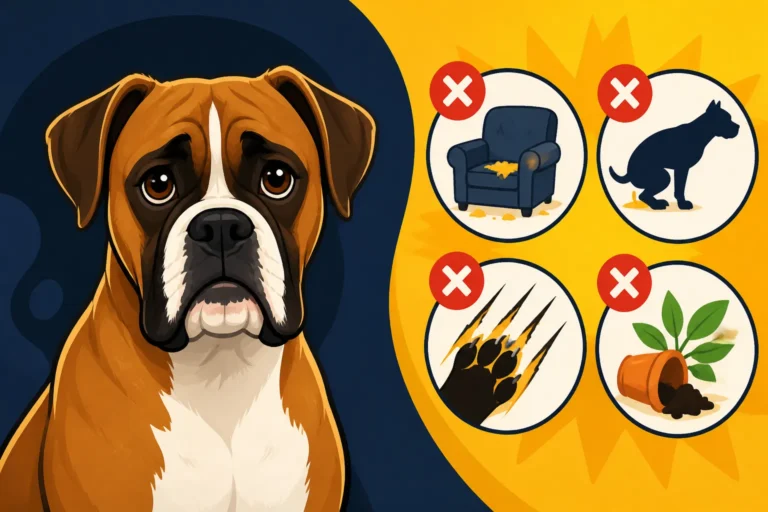
This playfulness isn't just for show; it's an intrinsic part of their well-being. Regular, engaging play sessions are essential for their physical and mental health. Without an outlet for their high spirits, a Boxer can become bored, which often leads to destructive behaviors around the house. Investing in durable toys, playing fetch, or even just engaging in a good wrestle on the floor are all ways to satisfy this innate need. You can find many robust toys suitable for a Boxer's energetic play on sites like Chewy.
Trainability and Mental Engagement
While "clownish" might suggest a lack of seriousness, Boxers are also described as "intelligent" and "tractable." This means they are capable of learning and, with the right approach, are eager to please their owners. Their intelligence often surprises those who only see their goofy side. They pick up commands quickly and can excel in various dog sports like obedience, agility, and rally. However, their intelligence comes with a caveat: they can get bored very fast if training isn't stimulating or if it's too repetitive.
This is why Keeping Boxer Training Sessions Interesting is so important. Short, fun sessions with plenty of positive reinforcement work far better than long, drill-like exercises. They need mental challenges just as much as physical ones. Puzzle toys, scent work, and learning new tricks can all help to keep their keen minds engaged. A bored Boxer is often a mischievous Boxer, and their cleverness means they can quickly figure out how to open cabinets or get into things they shouldn't. Harnessing their intelligence through consistent, engaging training is key to a well-behaved and happy companion.
Socialization and Adaptability in the Standard
The Boxer's character, as outlined in the standard, paints a picture of a dog that, with proper guidance, can integrate beautifully into a family setting. This includes their interactions with the youngest members of the household and other furry residents. However, it's not a given; careful socialization is always the bridge between innate potential and real-world harmony.
Interaction with Children and Other Animals
The breed standard implies a generally good nature, stating they are "docile and friendly in the family." This extends to children, for whom Boxers are often heralded as patient and playful companions. Their natural protectiveness means they are often very tolerant of children and will instinctively look out for them. However, their high energy and exuberant play style, combined with their strong, muscular bodies, mean that adult supervision is always necessary, especially with very young children. A happy Boxer wiggle can easily knock over a toddler, purely by accident. Teaching children how to interact respectfully with dogs, and teaching the Boxer appropriate manners, such as Teaching a Boxer to Keep Four Feet Down is paramount.
When it comes to other animals, particularly other dogs, Boxers generally enjoy canine company, especially if properly socialized from a young age. Their play style can be quite boisterous, which might be overwhelming for more timid or smaller breeds. Boxer Play Style With Other Dogs often involves body slamming and energetic romping, which is normal for them but can sometimes be misinterpreted by other dogs. Introducing a Boxer into a home with cats requires careful, slow introductions, as their prey drive can be a factor. With patience and positive reinforcement, many Boxers live happily with feline friends.
Potential Challenges and Management
Even within the framework of the ideal Boxer character, there are inherent traits that, if not managed correctly, can present challenges. Their "high-spirited" nature means they have significant exercise requirements; an under-exercised Boxer can quickly become destructive or overly boisterous indoors. Their intelligence, while a positive, can also lead to stubbornness if they don't see the point of a command or if they are bored. Their protective instincts, if not properly channeled, could lead to excessive barking or unwarranted suspicion of strangers.
Understanding these potential pitfalls allows owners to proactively address them. Consistent training, ample exercise tailored to their breed needs – like Sixty to Ninety Minutes a Day With a Boxer – and ongoing socialization are not optional for a Boxer; they are critical. Providing them with an appropriate outlet for their energy and mental stimulation, such as durable toys or engaging training sessions, helps to prevent many common behavioral issues. Remember, a Boxer truly thrives when they have a job to do, even if that job is just being your perfectly trained, playful companion.
Lifelong Character Development
The journey of a Boxer's character development isn't a sprint; it's a marathon. From the moment they arrive as a wiggly puppy to their golden years, their inherent traits, as described in the standard, are constantly shaped by their environment, training, and experiences. Understanding this evolution helps owners provide the right support at every stage.
The Puppy Stage That Lasts
One of the most endearing, and sometimes exasperating, aspects of the Boxer character is their prolonged puppyhood. The standard's description of "high-spirited" and "full of fire" certainly applies to Boxers well beyond what many other breeds would consider their "puppy phase." Owners often joke that their Boxers are essentially puppies until they are three years old, or sometimes even longer! This means a longer period of exuberant energy, mouthing, and testing boundaries than one might expect from a dog of their size.
This extended adolescence requires immense patience and consistency from owners. It means that training, while effective due to their intelligence, needs to be ongoing and reinforced over a longer period. Just because your Boxer knew "sit" at six months doesn't mean they won't "forget" it during a moment of high excitement at two years old. This period is also where behaviors like Boxer Puppy Biting That Does Not Stop or inappropriate jumping need to be addressed with unwavering consistency. It's a testament to their joyful nature, but it also underscores the commitment required to raise a well-mannered Boxer.
Maturation and Consistency
While the youthful exuberance may linger, Boxers do mature, albeit on their own timeline. As they move into adulthood, typically around two to three years of age, their character often refines. The intense bursts of energy might become slightly less frequent, and their focus might improve. The "calm when resting" part of the standard becomes more evident as they learn to settle more readily indoors. However, their core traits of loyalty, playfulness, and watchfulness remain.
The key to a well-adjusted adult Boxer lies in the consistent application of training, socialization, and a stable home environment throughout their formative years. You can't just train a Boxer once and expect it to stick forever; it's a lifelong commitment. Their intelligence and desire to please mean they respond beautifully to positive reinforcement and clear communication. Continuing to provide mental stimulation, regular exercise, and ample affection will ensure your Boxer grows into the loyal, confident, and delightfully goofy companion the breed standard describes, enriching your life with their unique charm every single day.
Here's a quick overview of how the Boxer's standard character traits often manifest in real life:
| Standard Character Trait | Real-World Manifestation |
|---|---|
| Fearless & Self-assured | Generally confident and not easily startled. May be aloof or reserved with strangers, assessing them calmly before accepting. Requires a confident owner to prevent bossiness. |
| Calm and Watchful | Alert to surroundings, will bark to announce visitors or unusual events, but not typically prone to unprovoked aggression. Settles well indoors after sufficient exercise. |
| Docile and Friendly in the Family | Forms incredibly strong bonds with family members, often a "velcro dog" seeking proximity and affection. Generally patient with children, though supervision is needed due to their boisterous play. |
| Distrustful of Strangers | May ignore or observe new people initially. Not usually outwardly aggressive, but won't offer immediate friendship like some other breeds. Good socialization helps them distinguish friend from foe. |
| Bright and Elegant When Awake | Agile, athletic, and full of life when active. Moves with grace and power. |
| Courageous & High-spirited | Eager for play, loves to romp and engage. Requires significant daily exercise and mental stimulation to prevent boredom and destructive behaviors. |
| Intelligent & Full of Fire | Quick learners, but can get bored easily with repetitive training. Respond best to short, engaging, and positive reinforcement-based sessions. Their cleverness can lead to mischief if not adequately stimulated. |
| Tractable & Good-natured | Possesses a strong desire to please their owners and are generally gentle by nature, making them amenable to training with the right approach. Their good nature helps them integrate into family life. |
Disclaimer
This article is for general informational purposes only and does not constitute professional advice. Laws, prices and regulations vary by location and change over time. Consult a qualified professional for guidance on your specific situation.