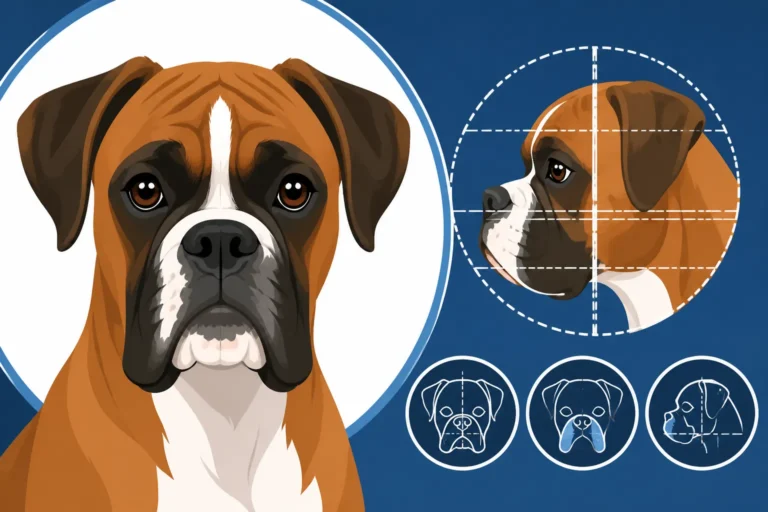
Whether a Boxer’s Teeth Should Show
It's a question I hear so often from new Boxer owners, or even those just admiring the breed: "Are their teeth supposed to show like that?" You've spotted it – that endearing, sometimes goofy, little glimpse of lower incisors peeking out, or perhaps even a snaggletooth effect that seems to be a permanent fixture on your Boxer's face. It can be a little surprising if you're used to dogs with tightly closed mouths, but rest assured, for a Boxer, those visible teeth are often not just normal, but a defining characteristic of the breed. This guide will walk you through why your Boxer's teeth might show and what it means for their health and happiness.
Understanding the Boxer's Unique Jaw Structure
The Boxer breed possesses a very distinctive head, and a huge part of that distinctiveness comes from their jaw and muzzle. Unlike many other breeds, the Boxer's mouth isn't designed to close in a perfect scissor bite where the upper teeth overlap the lower. Their unique structure is a fundamental aspect of their heritage and their charming appearance.
The Classic Undershot Bite Prognathism
The scientific term for a Boxer's characteristic jaw is prognathism, more commonly known as an undershot bite. This means that the lower jaw extends beyond the upper jaw, causing the lower incisors (front teeth) to protrude in front of the upper incisors. This isn't a fault; it's a deliberate and necessary feature outlined in the breed standard. If you've ever wondered What an Undershot Boxer Bite Means, it's precisely this forward-extending lower jaw.
This isn't just a quirky aesthetic. The undershot jaw has historical roots in the Boxer's ancestors, the Bullenbeisser, powerful dogs bred for hunting large game. Their job involved grabbing and holding onto prey, and a strong, undershot jaw provided a vice-like grip that wouldn't easily lose its hold. The slight protrusion of the lower jaw actually helped create a wider surface area for clamping down, allowing them to breathe without letting go. While today's Boxers are more likely to be found on your couch than hunting boar, that functional adaptation remains.
So, when you see those lower teeth, understand that you're looking at a direct link to their working past. It's a testament to the careful breeding that preserved these functional traits, even as their roles shifted. It's what makes a Boxer's face so expressive and instantly recognizable, contributing greatly to their overall character.
Why the Lower Teeth are Often Visible
Because the lower jaw extends forward, it's quite common for the lower incisors, and sometimes even the canines, to be visible even when your Boxer's mouth is closed or at rest. This isn't a sign of an ill-fitting jaw or a problem with their bite; it's simply a natural consequence of their breed-specific prognathism. Think of it like a permanent little grin or a thoughtful pout, depending on your Boxer's mood!
This visibility can vary from Boxer to Boxer. Some might only show a tiny hint of their lower teeth, while others might have a more pronounced "snaggletooth" look. Both are generally considered within the normal range for the breed, provided the overall structure is sound and doesn't impede eating or cause discomfort. It's less about whether the teeth show and more about how they show in relation to the rest of the head and functionality.
It’s important not to compare a Boxer’s visible teeth to what might be considered a dental issue in other breeds. For many dogs, visible teeth might indicate an overbite, an underbite that’s too severe, or even a genetic malformation. For a Boxer, within the parameters of the breed standard, it's business as usual. It's just part of their distinctive charm and robust structure.
The Reverse Scissor Bite
While the term "undershot bite" covers the general concept, some breeders and enthusiasts might refer to the Boxer's jaw as a "reverse scissor bite" or simply a "tight undershot." This nuance highlights that while the lower jaw protrudes, the ideal scenario is still one where the teeth meet in a way that is functional and causes no self-trauma. In a perfect world, the lower incisors should meet just in front of the upper incisors, forming a relatively straight line.
A true "scissor bite," common in many breeds, is where the upper incisors slightly overlap the lower ones, just like a pair of scissors. The Boxer's "reverse" version simply means the opposite: the lower jaw extends past the upper. The key, however, is that this meeting should still be clean and not cause teeth to dig into gums or soft tissues, which would be uncomfortable and unhealthy for your dog.
It’s about balance. The Boxer's head, jaw, and muzzle are all meant to be in harmonious proportion. When you're assessing a Boxer, it's not just about that individual tooth, but how the entire dental structure fits within their broad, powerful head. A well-bred Boxer will have a jaw that is both functional and aesthetically pleasing according to the breed's specific standards.
What the Boxer Breed Standard Says About Teeth
Understanding the official breed standard is key to appreciating why a Boxer's teeth might show and why it's considered correct. These standards are meticulously crafted by national kennel clubs to describe the ideal characteristics of the breed.
AKC and FCI Standards on Jaw and Teeth
Both the American Kennel Club (AKC) and the Fédération Cynologique Internationale (FCI), which represents many international kennel clubs, have very clear descriptions of the Boxer's jaw and bite. They unequivocally state that the Boxer should have an undershot bite. The AKC standard, for example, specifies: "The jaw is undershot, with the lower jaw protruding beyond the upper and curving slightly upward." This means those visible lower teeth are exactly what breeders are striving for.
Crucially, the standards emphasize that while the lower jaw protrudes, the teeth should still be broad, set squarely, and cover as much area as possible. This is not about a gap-toothed look or misaligned teeth. It's about a powerful, strong jaw. The standards also mention that the upper lip should ideally cover the front teeth, which is why a Boxer with their mouth completely closed might hide them, but a slight relaxation or characteristic "Boxer grin" will certainly reveal them.
The visible teeth are therefore a feature, not a fault. It's a hallmark of the breed, a part of the overall distinctive What the Boxer Head the Standard Describes. Judges in the show ring look for this specific jaw structure, and a Boxer with a level bite (where the upper and lower incisors meet edge-to-edge) or an overshot bite (where the upper jaw protrudes over the lower) would be considered incorrect, often to the point of disqualification, precisely because it deviates from this core breed characteristic.
When Visible Teeth Are a Concern Faults
While visible lower teeth are normal, there are instances when the bite goes beyond the acceptable range and becomes a genuine concern or a fault in the breed standard. These are usually related to the functionality and comfort of the dog, not just the aesthetic.
One significant fault is a "wry mouth," where the jaw is twisted or uneven, causing teeth to be misaligned and often creating chewing difficulties or even sores in the mouth. Another issue could be an undershot bite that is too pronounced, where the gap between the upper and lower teeth is excessive, making it difficult for the dog to pick up food or chew properly. Conversely, a Boxer with an overshot jaw or a level bite is also a significant fault, as it deviates entirely from the breed's fundamental structure.
These faults are important because they can impact the Boxer's quality of life. An extreme bite, whether too far undershot or other misalignments, can lead to uneven tooth wear, periodontal disease, or even trauma to the gums and palate. If you notice your Boxer struggling to eat, showing signs of pain in their mouth, or if their jaw seems severely twisted, that’s when a veterinary consultation is absolutely warranted, even if some teeth are visible. It's about finding the balance between a characteristic trait and a functional, healthy bite.
Practical Implications of a Boxer's Jaw and Visible Teeth
Having that unique Boxer jaw and visible teeth isn't just about looks or breed standards; it comes with practical considerations for their daily care and long-term health.
Dental Health and Hygiene for Boxers
The unique alignment of a Boxer's teeth can sometimes create areas where food particles are more likely to get trapped, or where saliva and plaque accumulate more readily. This can lead to a higher risk of tartar buildup, gingivitis, and other periodontal diseases if not managed properly. The slightly crowded nature of some Boxer's lower jaws, due to the way the teeth fit together (or don't quite fit), means extra vigilance is needed.
Regular dental care is paramount. Daily brushing with a dog-specific toothpaste is the gold standard for preventing plaque and tartar. Introduce it early to your Boxer puppy, and make it a positive experience. Beyond brushing, incorporating dental chews can be incredibly helpful. Look for products from reputable brands that specifically state they help reduce plaque and tartar. Chewy, for example, offers a wide range of dental care products, from enzymatic toothpastes to various dental chews and water additives, that can support your Boxer's oral hygiene.
Furthermore, professional dental cleanings under anesthesia at your vet's office will likely be a part of your Boxer's life. These cleanings allow for thorough scaling and polishing, reaching areas you can't access at home, and provide an opportunity for your vet to examine the entire oral cavity for any issues. While the cost can be a factor, it's an investment in your Boxer's overall health. You might find our article on Dental Cleaning Prices for a Boxer helpful for understanding the expenses involved.
Comfort and Functionality
Rest assured, for most Boxers whose bite is within the acceptable breed standard, visible teeth do not cause discomfort or interfere with their ability to live a full, happy life. They can eat, play, chew toys, and vocalize just like any other dog. Their bodies are designed to accommodate this unique structure.
The issues arise when the bite is excessively misaligned, leading to teeth digging into opposing gums or other soft tissues. This would cause pain and irritation, potentially affecting their appetite and behavior. However, such severe malocclusions are typically identified early by breeders and veterinarians.
When it comes to chewing, the strong Boxer jaw is perfectly capable of handling appropriate chew toys. You'll want to choose durable, safe chews that can withstand their powerful bite without risking tooth fractures or choking hazards. Many Boxer owners seek out specific types of chews that are both satisfying and safe for their dog's robust chewing style. Our guide on Chews Safe for a Boxer's Jaw offers some excellent recommendations to consider, ensuring your Boxer can chew to their heart's content without any worries.
Aesthetic Considerations and Misconceptions
There's no denying that a Boxer's visible teeth contribute to their unique and often comical appearance. Their expressive faces, often punctuated by that little underbite, are part of what makes them such beloved "clowns." While some people unfamiliar with the breed might initially find it unusual, most Boxer lovers quickly come to adore this characteristic.
It's important to debunk any misconceptions people might have. Visible teeth do not automatically mean aggression, a problem with biting, or constant discomfort. In fact, many Boxers with prominent teeth are incredibly gentle and affectionate. Their "tough" look belies their soft, loving nature. It's purely an anatomical trait, not a behavioral indicator.
Embrace your Boxer's distinctive smile! It's a fundamental part of their charm and individuality. Just like their expressive eyebrows or their enthusiastic body wiggles, their unique mouth contributes to the overall package that makes a Boxer a Boxer.
Living with a Boxer's Distinctive Smile
Owning a Boxer means appreciating all their unique qualities, and that includes their signature jawline and the occasional flash of teeth. It's part of what makes them so special.
Embrace the Quirky Boxer Grin
That slightly goofy, sometimes serious, often endearing Boxer grin is one of the breed's most charming traits. When your Boxer is relaxed, happy, or looking for attention, those visible lower teeth become part of their expressive communication. They add so much character to their already animated faces, from their curious head tilts to their enthusiastic full-body wiggles.
It’s often said that Boxers smile with their whole face, and their jaw structure plays a big part in that. They aren't just pets; they're family members with distinct personalities, and their unique look only enhances their appeal. Instead of seeing visible teeth as a flaw, view it as a perfectly normal and endearing aspect of your Boxer's individuality, one that sparks conversations and brings smiles to those who meet them. It's a conversation starter, a unique identifier, and a constant reminder of their playful spirit.
Regular Vet Checks and Proactive Care
While visible teeth are normal, ongoing vigilance is key to ensuring your Boxer's oral health and comfort. Regular veterinary check-ups are essential, not just for general health but specifically for dental assessments. Your vet can monitor their bite, check for any signs of discomfort, trapped food, or developing dental disease.
Proactive care at home, as mentioned earlier, is your best defense against future problems. Daily brushing, appropriate dental chews, and a keen eye for any changes in their mouth are crucial. If you ever notice bad breath, red or swollen gums, difficulty eating, pawing at their mouth, or excessive drooling, it's time to call the vet. These can be signs of underlying dental issues that need professional attention.
Staying on top of your Boxer's dental health is an important part of responsible ownership, especially with their unique anatomy. By embracing their distinctive smile and providing consistent care, you'll ensure your Boxer remains happy, healthy, and continues to flash that charming grin for years to come.
Here’s a quick overview of what to look for:
| Feature | Normal Boxer Bite (Undershot) | Faulty Boxer Bite (Concern) |
|---|---|---|
| Lower Jaw Position | Protrudes beyond the upper jaw, curving slightly upward. | Severely recessed (overshot), or excessively protruding/twisted. |
| Visible Lower Teeth | Common and expected, especially incisors and sometimes canines, when mouth is relaxed. | Teeth digging into gums, palette, or causing oral trauma; severe crowding leading to pain. |
| Overall Head Structure | Broad muzzle, correct proportions, strong jaw. | Wry mouth (twisted jaw), underdeveloped or weak jaw structure. |
| Functionality | Able to eat, chew, and breathe comfortably without issue. | Difficulty eating, pain when chewing, uneven wear on teeth. |
| Breed Standard | Explicitly described as the correct bite. | Explicitly described as a fault or disqualification. |
Disclaimer
This article is for general informational purposes only and does not constitute professional advice. Laws, prices and regulations vary by location and change over time. Consult a qualified professional for guidance on your specific situation.