Screening a Boxer for Subaortic Stenosis
There’s nothing quite like the joy and vibrancy a Boxer brings into your life. Their goofy antics, boundless energy, and unwavering loyalty make them truly special family members. But with that deep love comes the natural anxiety of wanting to keep them healthy, especially when you know the breed is prone to certain serious conditions. One of the most heartbreaking and often silently progressing heart conditions in Boxers is Subaortic Stenosis (SAS), a congenital defect that can dramatically impact their lifespan and quality of life. This comprehensive guide is here to walk you through exactly what SAS is, how it's diagnosed, and what steps you can take to screen your beloved Boxer, giving you the knowledge and tools to advocate for their best health.
The Shadow of Subaortic Stenosis (SAS) in Boxers
Imagine trying to push water through a garden hose that's been partially kinked. The water still flows, but it has to work much harder, building up immense pressure to get past the obstruction. This is a bit like what happens in the heart of a Boxer with Subaortic Stenosis. It's a condition that truly casts a long shadow over this otherwise robust and playful breed, and understanding it is the first step toward protecting your dog.
What is SAS and How Does It Affect the Heart?
Subaortic Stenosis is a congenital heart defect, meaning your Boxer is born with it. It’s not something they develop later in life due to diet or lifestyle choices, though those factors can certainly influence how quickly it progresses. Specifically, SAS involves a narrowing (stenosis) of the outflow tract just below the aortic valve, the main valve that pumps oxygenated blood from the left ventricle of the heart out to the rest of the body.
This narrowing can manifest in different ways, but it usually involves a ring of fibrous tissue that grows abnormally. Sometimes, it’s just a subtle ridge; other times, it’s a much more significant, shelf-like obstruction. When the left ventricle tries to pump blood through this constricted area, it encounters increased resistance. To overcome this, the heart has to work much, much harder, like a muscle constantly striving to lift too heavy a weight. Over time, this excessive workload causes the muscle walls of the left ventricle to thicken (hypertrophy), attempting to compensate for the extra effort. While this compensatory mechanism helps for a while, it ultimately makes the heart less efficient, reducing its ability to pump blood effectively. This chronic strain can lead to congestive heart failure, arrhythmias, and in severe cases, sudden cardiac death. It's a progressive disease, meaning it tends to worsen over time, and sadly, it's one of the reasons many Boxer owners find themselves saying goodbye too soon.
Why Boxers Are Particularly Susceptible
It's a cruel twist of fate that our beloved Boxers, known for their powerful chests and athletic build, are genetically predisposed to such a debilitating heart condition. While SAS can occur in other breeds, Boxers are at the top of the list for prevalence, alongside breeds like Newfoundlands and Golden Retrievers. This isn't a random occurrence; it's deeply rooted in their genetics.
The specific genetic markers responsible for SAS in Boxers are still a subject of ongoing research, but what we know for sure is that it's an inherited condition. This means if a Boxer has SAS, at least one of its parents likely carried the genetic predisposition, even if they showed no outward symptoms themselves. This is why ethical breeding practices and thorough health screening are absolutely paramount in the Boxer community. Reputable breeders meticulously screen their breeding stock for SAS, alongside other common Boxer ailments like Boxer Cardiomyopathy and the Holter Monitor. They understand that passing on these genes perpetuates a cycle of heartache for future Boxer families. Without careful screening, a Boxer puppy might appear perfectly healthy at eight weeks old, only to develop life-threatening symptoms as they mature, often hitting during their most active, youthful years. This genetic vulnerability makes early detection and proactive screening not just a good idea, but an essential part of responsible Boxer ownership.
Recognizing the Early Warning Signs of SAS
One of the most challenging aspects of Subaortic Stenosis is that its early signs can be incredibly subtle, or even non-existent. You might have a seemingly healthy, energetic Boxer who is carrying a ticking time bomb in their chest. However, understanding what to look for, even if it feels like searching for a needle in a haystack, can make all the difference in catching this condition before it progresses too far.
The Elusive Heart Murmur and Its Significance
The primary early indicator of SAS in Boxers is often a heart murmur. A heart murmur isn't a disease in itself; rather, it's an abnormal whooshing sound made by turbulent blood flow within the heart. Think of it like a river: normally, the water flows smoothly, but if there's an obstruction like a rock or a narrow bend, the water becomes turbulent and makes noise. In the case of SAS, this turbulence is created as blood is forced through the narrowed subaortic region.
When your veterinarian listens to your Boxer's heart with a stethoscope during a routine check-up, they're listening for these kinds of abnormalities. Murmurs are typically graded on a scale of I to VI, with I being very faint and VI being very loud and easily audible. The location and quality of the murmur also provide important clues. For SAS, the murmur is typically heard best over the left side of the chest, near the base of the heart.
Now, here's where it gets tricky: not all murmurs are cause for alarm. Puppies, especially, can have "innocent" or "physiologic" murmurs that resolve on their own as they grow. However, a murmur detected in a Boxer puppy should never be dismissed, regardless of its grade. If your vet mentions a murmur, even a soft one, it should immediately trigger a discussion about further investigation. It's especially critical if you hear about a Heart Murmur Heard at a Boxer Puppy Check, because while some fade, a murmur indicative of SAS often persists and may even increase in intensity as the dog ages and the heart works harder. This is why repeated evaluations and specialized diagnostics are so important – a murmur is the alarm bell, not the diagnosis itself.
Beyond the Murmur: Other Symptoms to Watch For
While a heart murmur is often the first and most critical clue, it’s not the only sign. As SAS progresses and the heart’s ability to pump blood efficiently diminishes, more overt symptoms may start to appear. These are signs of a more serious, advanced stage of the disease, and if you notice any of them, it's crucial to seek veterinary attention immediately.
One common symptom is exercise intolerance. Your Boxer, normally a powerhouse of energy ready for endless games of fetch, might suddenly seem to tire more easily during walks or playtime. They might lag behind, want to stop sooner, or seem winded after minimal exertion. What was once a joyous romp might become a struggle. This isn't just "getting older" or "being lazy" – it's a sign their heart can't keep up with the demands of their body.
More dramatically, some Boxers with moderate to severe SAS may experience syncope, or fainting episodes. These can be incredibly frightening to witness. Your dog might suddenly collapse, lose consciousness, and then recover within a minute or two. These Fainting Episodes in a Boxer are usually triggered by periods of excitement or strenuous activity, when the heart is trying to pump a large volume of blood quickly but is hindered by the narrowed outflow tract, leading to a temporary drop in blood supply to the brain.
In the most severe cases, SAS can lead to sudden collapse or even sudden death, often with no prior warning symptoms. This is the most tragic outcome, and it underscores the importance of proactive screening. Unfortunately, some Boxers, particularly those with severe SAS, might appear completely normal and active one moment, only for their compromised heart to give out under stress. Other signs of advanced heart disease, though not specific to SAS, can include persistent coughing (especially when lying down), labored breathing, and a distended abdomen due to fluid buildup (ascites). Any changes in your Boxer's energy levels, breathing, or behavior warrant a prompt visit to the veterinarian.
The Path to Diagnosis: Initial Vet Visit to Specialist Referral
If you've noticed any of the potential signs of SAS, or if your vet has detected a heart murmur, it’s natural to feel a knot in your stomach. The journey from suspicion to diagnosis can feel daunting, but understanding each step will empower you to make informed decisions for your Boxer's health. It starts with your trusted general practitioner and often leads to a specialist.
Your Primary Vet's Role in Initial Assessment
Your regular veterinarian is always the first point of contact for any health concern, and they play a critical role in the initial assessment of potential heart issues. During a routine physical exam, your vet will perform auscultation – listening to your Boxer's heart with a stethoscope. As discussed, detecting a heart murmur is usually the first red flag for SAS.
Beyond listening to the heart, your vet will also assess your Boxer's overall health. They’ll check their pulse, breathing rate, mucous membrane color, and listen to their lungs for any signs of fluid accumulation or other respiratory issues. They'll also feel your dog’s abdomen and get a general sense of their energy levels and body condition. If a murmur is detected, or if your Boxer is showing symptoms like exercise intolerance or fainting, your vet will likely recommend further diagnostics. These might include baseline blood work to check organ function and rule out other systemic issues, and perhaps chest X-rays. While X-rays can show if the heart is enlarged or if there's fluid in the lungs (indicating heart failure), they can’t definitively diagnose SAS or tell your vet the severity of the narrowing. They are more useful for assessing secondary effects of heart disease. It's at this point, if SAS is suspected, that a referral to a veterinary cardiologist becomes highly recommended. Your primary vet is excellent at general care and identifying potential issues, but heart conditions, especially complex ones like SAS, require specialized expertise.
When to See a Veterinary Cardiologist
Once your primary veterinarian suspects a heart condition like SAS, the next crucial step is a referral to a board-certified veterinary cardiologist. Think of it this way: your family doctor can tell you if you have a heart problem, but for a definitive diagnosis and treatment plan, they'd send you to a human cardiologist. It's no different for our canine companions. These specialists have advanced training and equipment specifically for diagnosing and managing heart diseases.
A veterinary cardiologist has the specific expertise to interpret the nuances of heart murmurs and other clinical signs in a Boxer, and crucially, they have access to diagnostic tools that are essential for confirming an SAS diagnosis and assessing its severity. This visit typically involves a comprehensive cardiac examination, which goes far beyond what a general practitioner can perform. They will review your Boxer's medical history, conduct another thorough physical exam, and then move on to the gold standard diagnostic test for SAS: an echocardiogram.
Considering these specialized appointments and diagnostics, it's wise to have a plan for managing potential veterinary costs. This is where pet insurance providers like Healthy Paws can be incredibly helpful. Having coverage for these unexpected but critical specialist visits and procedures can alleviate a significant financial burden, allowing you to focus purely on your Boxer's health. Remember, early intervention with a specialist can often improve the prognosis and quality of life for Boxers with SAS, so don't hesitate when a referral is recommended.
The Gold Standard: Echocardiography for SAS
When it comes to definitively diagnosing Subaortic Stenosis and understanding its severity in your Boxer, there's one test that stands head and shoulders above the rest: the echocardiogram. This non-invasive procedure is truly the gold standard, providing a wealth of information about your Boxer's heart in real-time.
What an Echocardiogram Reveals
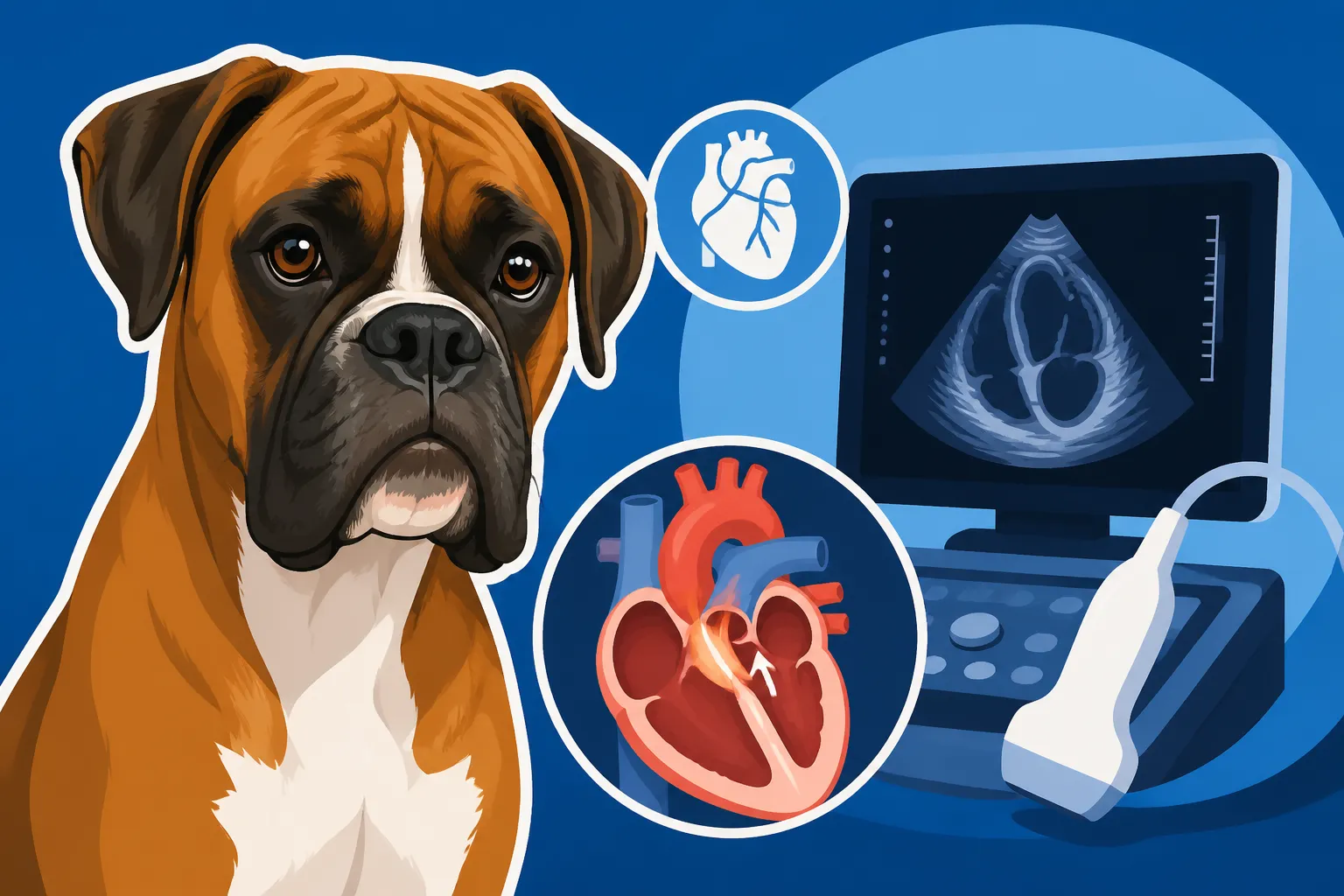
An echocardiogram is essentially an ultrasound of the heart. It uses sound waves to create a moving image of the heart's structures, allowing the cardiologist to visualize the chambers, valves, and major blood vessels. For a Boxer suspected of having SAS, this is an invaluable tool. During the procedure, your Boxer will lie comfortably on their side, often with a small patch of fur shaved to ensure good contact with the ultrasound probe. Sedation might be used if your Boxer is particularly anxious, but it's often not necessary.
What does the cardiologist look for? First and foremost, they will visually inspect the area just below the aortic valve for the characteristic fibrous ring or ridge that causes the subaortic narrowing. They can measure the thickness of the left ventricular wall, which often becomes hypertrophied due to the increased workload. They can also assess the overall function of the heart, including how strongly it's contracting and how efficiently blood is being ejected. This visual assessment helps confirm the presence of SAS and gives an initial indication of its severity. The cardiologist can literally see the obstruction and how it's impacting the heart's structure. This is far more detailed than what can be seen on an X-ray or determined by simply listening with a stethoscope. Many responsible breeders will perform an Echo Screening Before Buying a Boxer Puppy for their entire litter to ensure they're not selling puppies with severe, undetectable murmurs.
Understanding Doppler Velocity Measurements
Beyond the visual images, a critical component of the echocardiogram for SAS diagnosis is Doppler echocardiography. This advanced technique uses the Doppler effect to measure the speed (velocity) and direction of blood flow through the heart. For a Boxer with SAS, this is where the cardiologist truly quantifies the severity of the obstruction.
Here’s how it works: as blood is forced through the narrowed subaortic area, its velocity significantly increases, just like water speeding up when it exits a pinched hose nozzle. The Doppler ultrasound measures this increased velocity. From these velocity measurements, the cardiologist can calculate the "pressure gradient" across the obstruction. This pressure gradient is the difference in blood pressure before and after the narrowed segment. A higher pressure gradient indicates a more severe narrowing.
Specifically, the cardiologist will measure the peak velocity of blood flowing through the left ventricular outflow tract into the aorta. For example, if the normal flow velocity is around 1.0 to 1.5 meters per second (m/s), a Boxer with SAS might show velocities of 3.0 m/s or higher. This translates into a significant pressure gradient. These precise numerical measurements are what allow the cardiologist to classify the SAS as mild, moderate, or severe, which is crucial for determining prognosis and management. This is also how they can track the progression of the disease over time, noting if the obstruction is worsening. It’s a highly technical but absolutely essential part of the diagnostic process, providing objective data that guides all future decisions regarding your Boxer's care.
Grading SAS: What the Results Truly Mean for Your Boxer
Receiving an SAS diagnosis can be overwhelming, but understanding the grading system is key to knowing what lies ahead for your Boxer. The severity of the stenosis profoundly impacts the prognosis and the recommended course of action. It's not a one-size-fits-all condition, and the outlook can vary greatly.
Mild, Moderate, and Severe Classifications
Subaortic Stenosis is typically classified into three categories based on the pressure gradient measured during the echocardiogram: mild, moderate, and severe. These classifications are critical because they correlate with the potential impact on your Boxer's health and lifespan.
-
Mild SAS: In cases of mild SAS, the pressure gradient across the obstruction is relatively low, usually less than 40-50 mmHg (millimeters of mercury). Boxers with mild SAS might have a soft heart murmur, or sometimes no audible murmur at all. Often, they show no clinical signs of heart disease and can live a normal lifespan with good quality of life. The heart is working harder than it should, but it’s managing well enough that overt symptoms may not develop for many years, if ever. However, even mild cases require monitoring because SAS is a progressive disease, and the narrowing can worsen over time.
-
Moderate SAS: A moderate classification typically means a pressure gradient between 50-80 mmHg. Boxers with moderate SAS almost always have a noticeable heart murmur. They might begin to show subtle signs of exercise intolerance, becoming winded more quickly, or taking longer to recover after activity. Their heart is under significant strain, and there's a higher risk of complications like arrhythmias or the development of heart failure. The prognosis for moderate SAS is guarded, and diligent management is necessary.
-
Severe SAS: This is the most serious classification, with pressure gradients exceeding 80 mmHg. Boxers with severe SAS usually have a very loud and obvious heart murmur. They are at high risk for developing clinical signs such as profound exercise intolerance, frequent fainting episodes, and congestive heart failure. Sadly, these Boxers also face a significantly increased risk of sudden cardiac death, even at a young age. Without intervention, their lifespan is often considerably shortened.
It's vital to remember that these are general guidelines, and individual Boxers can vary. However, these grades provide a framework for both your cardiologist and you to discuss the future and strategize your Boxer’s care. Understanding these grades is critical when discussing Grades of Subaortic Stenosis in a Boxer with your veterinary cardiologist.
The Prognosis and Management for Each Grade
The prognosis and management plan for your Boxer will be directly linked to their SAS grade. This is where pet insurance, such as Healthy Paws, really comes into its own. The costs associated with ongoing monitoring, medication, or specialist care for moderate to severe SAS can add up quickly, and having a safety net can be invaluable.
For mild SAS, the primary management is usually regular monitoring. This means annual or bi-annual check-ups with your vet, and potentially follow-up echocardiograms every 1-2 years to ensure the condition isn't progressing. Exercise limitations are often not necessary, and these Boxers can generally maintain a normal, active lifestyle. The goal is to catch any worsening before it becomes critical.
With moderate SAS, the management becomes more proactive. Regular follow-up with a cardiologist is essential, usually every 6-12 months, to monitor heart function and look for signs of progression. Your cardiologist might recommend certain medications, such as beta-blockers, to help reduce the heart's workload and improve its efficiency. While medication can’t cure SAS, it can help manage symptoms and potentially slow progression. Exercise may need to be modified, avoiding strenuous activity and opting for shorter, less intense outings. This is where understanding Exercise Limits for a Boxer With Stenosis becomes critical to their daily routine.
For severe SAS, the prognosis is unfortunately much graver. These Boxers require intensive veterinary care, often involving multiple medications to manage symptoms, control arrhythmias, and prevent heart failure. Beta-blockers are almost always prescribed, and other drugs like diuretics or ACE inhibitors might be added if heart failure develops. Strict exercise restriction is typically advised to prevent sudden cardiac events. While surgical options exist in some very specialized centers (like balloon valvuloplasty), they are complex, expensive, not always successful, and not widely available. Ultimately, for severe SAS, the focus is on maintaining quality of life for as long as possible. Understanding The Outlook for a Boxer Diagnosed With Stenosis can be incredibly tough, but it helps you make compassionate decisions. This underscores why preventive screening is so vital, aiming to identify affected Boxers and remove them from breeding programs to reduce the prevalence of this devastating disease.
| SAS Grade | Pressure Gradient (mmHg) | Common Symptoms | Prognosis | Management |
|---|---|---|---|---|
| Mild | < 40-50 | Often asymptomatic; soft murmur | Generally good; normal lifespan | Annual vet checks; echo every 1-2 years |
| Moderate | 50-80 | Noticeable murmur; exercise intolerance | Guarded; variable lifespan | Cardiologist follow-ups (6-12 mos); medication (beta-blockers); modified exercise |
| Severe | > 80 | Loud murmur; exercise intolerance; fainting; sudden death risk | Poor; significantly shortened lifespan | Intensive cardiac care; multiple medications; strict exercise restriction |
Breeding Responsibly: Genetic Considerations and Screening Protocols
The devastating impact of SAS makes responsible breeding an absolute non-negotiable for Boxer enthusiasts. Because it’s a hereditary condition, the choices made by breeders today directly affect the health of Boxers for generations to come. This isn't just about individual dogs; it's about the future of the breed.
The Heritability of SAS in Boxers
The science is clear: Subaortic Stenosis in Boxers is an inherited condition. This means it's passed down from parent to offspring through genes. While the exact mode of inheritance can be complex, involving multiple genes, we know that affected Boxers, and even some seemingly healthy carriers, can pass on the predisposition to their puppies. This genetic link is why a breeder’s commitment to health screening is arguably the most important factor when choosing a Boxer puppy.
A Boxer might have a mild form of SAS that doesn't significantly impact their health but could still produce puppies with severe forms of the disease. Conversely, two Boxers that appear completely healthy might both carry the problematic genes and, when bred together, produce affected offspring. This unpredictable nature makes screening all the more crucial. Without careful screening, genetic material that contributes to SAS continues to circulate within the Boxer gene pool, perpetuating the problem. Every responsible breeder should be able to provide clear documentation of cardiac screening for their breeding dogs, not just a vet's casual "listened to the heart and it sounded fine." This is how ethical breeders protect the breed and, most importantly, protect the future families who will cherish these puppies. It directly impacts the likelihood of needing to consider Whether a Narrowed Aorta Rules Out Boxer Breeding.
Recommendations for Breeders and Prospective Owners
Given the heritable nature and serious implications of SAS, there are very clear recommendations for both Boxer breeders and anyone considering bringing a Boxer puppy into their home. These protocols are designed to minimize the incidence of SAS and ensure healthier, longer-lived Boxers.
For Boxer breeders, the primary recommendation is rigorous cardiac screening of all breeding stock before they are bred. This isn't a one-time thing; it's an ongoing commitment. The absolute minimum standard for SAS screening is an echocardiogram performed by a board-certified veterinary cardiologist. These screenings should ideally be done when the Boxer is over 12 months of age, as some mild murmurs can resolve, but a true SAS murmur will persist and usually be more evident by this age. Results should be submitted to a public health registry, such as the Orthopedic Foundation for Animals (OFA) cardiac database, ensuring transparency. Any Boxer diagnosed with even mild SAS should be removed from a breeding program. Breeding an affected dog, regardless of severity, increases the risk of producing more affected puppies, including those with severe disease. This level of commitment is part of The Health Screening a Boxer Breeder Owes You.
For prospective Boxer owners, your role is to be an informed and discerning buyer. Don't just fall in love with the cutest puppy; investigate the breeder and their practices thoroughly. Always ask for proof of cardiac screening for both parents of the litter. This means asking for copies of the OFA certificates or full cardiology reports for both the dam and sire, showing that they have been cleared of SAS (and other conditions like ARVC). If a breeder is evasive, claims their vet just "listened to the heart," or says they don't believe in such expensive tests, that should be a major red flag. A responsible breeder will be proud to share their health clearances and educate you on the importance of these screenings. They understand that their honesty and commitment directly contribute to the health and longevity of the puppies they produce. Choosing a puppy from screened parents is your best defense against the heartbreak of an SAS diagnosis down the line.
Disclaimer
The information provided in this article is for general informational purposes only and is not intended as a substitute for professional veterinary advice. Always consult with a qualified veterinarian or veterinary cardiologist for any health concerns or before making any decisions related to your Boxer's health and treatment.