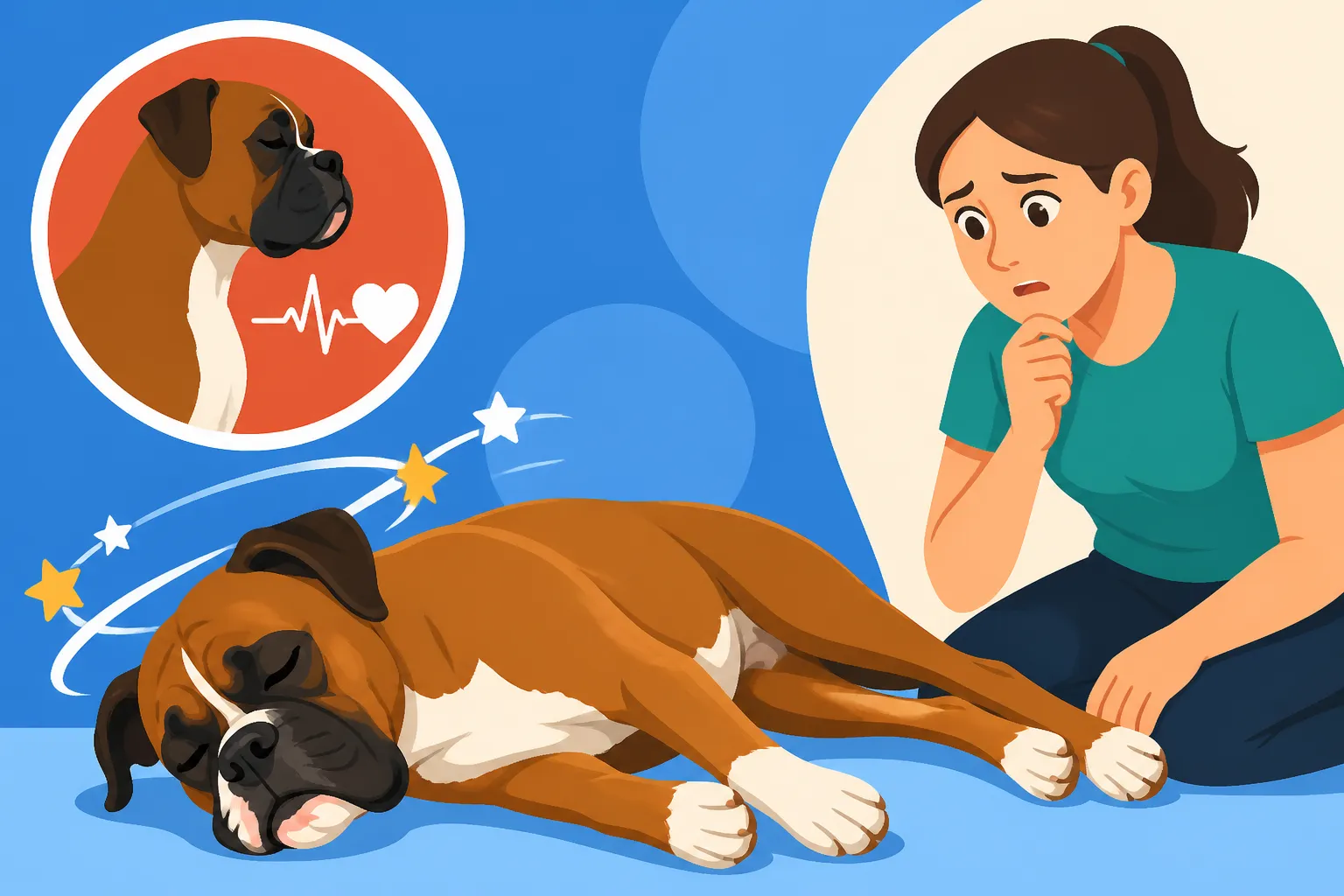
Fainting Episodes in a Boxer
There's nothing quite as terrifying as seeing your vibrant Boxer suddenly collapse, unresponsive, as if the light has just gone out. These fainting episodes, or syncopal events, are not just alarming; they're a huge red flag that something significant is happening with your dog's health. As a Boxer owner, witnessing this can be incredibly distressing, leaving you feeling helpless and panicked. This comprehensive guide is here to walk you through understanding why your Boxer might be fainting, what to do in the moment, and how to navigate their ongoing care.
Understanding What a Boxer Fainting Episode Looks Like
When your Boxer goes from perfectly fine to a sudden, limp heap on the floor, it's a moment that freezes time. These events, medically known as syncope, are a temporary loss of consciousness caused by a sudden decrease in blood flow to the brain. For us Boxer owners, these moments are deeply unsettling because they happen without warning and can make our usually robust companions appear incredibly fragile. It's crucial to understand what distinguishes a true fainting episode from other types of collapses to help your vet pinpoint the cause.
Distinguishing Fainting from Seizures
It’s incredibly common for owners to confuse a fainting episode with a seizure, and frankly, who can blame you? Both involve a sudden loss of consciousness and can look dramatic. However, there are key differences that your vet will want to hear about. With a fainting episode, the loss of consciousness is typically very brief, often just seconds, though it can feel like an eternity. Your Boxer might just drop, go limp, and then recover quite quickly, often appearing disoriented for a moment before snapping back to their usual self. There's usually no post-ictal phase – that period of confusion, aimless pacing, or excessive hunger/thirst that often follows a seizure.
A seizure, on the other hand, usually involves uncontrolled muscle activity like paddling, stiffening, or chomping, and can last for a minute or longer. After a seizure, dogs often take several minutes, or even hours, to fully recover, exhibiting a range of behaviors from grogginess to hyperactivity. While a Boxer might have some slight muscle twitching or stiffness during a faint, it’s generally not the full-body, rhythmic convulsion you see with a grand mal seizure. Observing these subtle differences, though difficult in the moment of panic, is vital for accurate diagnosis.
The Physical Signs of Syncope
Beyond the sudden collapse, what else might you see during a syncopal episode? Your Boxer might look pale, especially in their gums, because the lack of blood flow affects their circulation. Their breathing might become very shallow or seem to stop momentarily. You might notice their eyes roll back or become fixed, and their limbs could go completely flaccid, like a rag doll, or sometimes be rigid for a very short period.
Imagine your Boxer, who moments ago was bouncing around with their characteristic wiggle, suddenly crumpling mid-stride, perhaps while playing fetch or greeting you excitedly at the door. They hit the ground, totally still, perhaps a little blue around the lips. Then, almost as quickly as it started, they might gasp, shake their head, and try to stand up, looking confused as if they just woke from a deep sleep in an odd place. This rapid recovery, often within a minute or two, is a hallmark of syncope. It’s important to remember that these events, while terrifying, are often not painful for your dog, though the underlying cause certainly needs urgent attention.
The Alarming Causes Behind Fainting in Boxers
Fainting in Boxers is rarely a benign event. When it happens, it's a clear signal that something is fundamentally affecting their cardiovascular system, or less commonly, another critical body system. Given the Boxer breed's genetic predispositions, our minds often jump to the most common and serious culprits, and usually, for good reason. Understanding these causes is the first step toward getting your beloved companion the help they need.
Cardiac Conditions: The Most Common Culprit
For Boxers, the heart is often at the center of syncopal episodes. This breed is famously predisposed to certain heart conditions that can disrupt normal blood flow to the brain, leading to fainting. The two most prominent are:
-
Arrhythmogenic Right Ventricular Cardiomyopathy (ARVC) / Boxer Cardiomyopathy: This is perhaps the most well-known heart condition affecting Boxers. ARVC is a genetic disease where the normal heart muscle in the right ventricle (and sometimes the left) is replaced by fatty and fibrous tissue. This abnormal tissue can’t conduct electrical signals properly, leading to chaotic heart rhythms, known as arrhythmias, particularly ventricular premature contractions (PVCs). These arrhythmias can cause the heart to beat so inefficiently or rapidly that blood flow to the brain is suddenly compromised, resulting in fainting. In severe cases, ARVC can tragically lead to Sudden Death in an Apparently Healthy Boxer. If you have a Boxer, especially one past three years old, regular screening including a Boxer Cardiomyopathy and the Holter Monitor is essential, as the symptoms like fainting can be a late sign of significant disease. You can learn more about What Boxer ARVC Actually Does to the Heart.
-
Subaortic Stenosis (SAS): While ARVC is more common in adult Boxers, SAS is a congenital condition, meaning dogs are born with it. It involves a narrowing (stenosis) of the aorta just below the aortic valve, making it harder for the heart to pump blood out to the body. The heart has to work much harder to push blood through this narrowed opening, which can lead to fainting, especially during periods of excitement or exercise. Subaortic Stenosis in a Boxer Puppy can range from mild to severe, and unfortunately, severe cases can lead to early death. A heart murmur in a puppy, even if seemingly innocent, should always be thoroughly investigated. Exercise Limits for a Boxer With Stenosis are often necessary for dogs with this condition.
Both of these conditions highlight why a cardiology workup is paramount when a Boxer faints.
Other Medical Reasons for Collapse
While heart conditions are the prime suspects, fainting in Boxers isn't exclusively a cardiac issue. Other medical problems, though less frequent causes of true syncope, can also lead to collapse or episodes that look like fainting.
- Low Blood Sugar (Hypoglycemia): Though less common in adult Boxers unless they have an underlying disease like a tumor that produces insulin, or are on certain medications, severe drops in blood sugar can cause weakness, disorientation, and even collapse. Young puppies, especially tiny ones, can be more susceptible to hypoglycemia if they don't eat regularly.
- Anemia: A significant drop in red blood cells means less oxygen is being carried to the brain and other tissues. Severe anemia, due to blood loss, parasites, or immune-mediated disease, can cause weakness, lethargy, and collapse.
- Respiratory Issues: Conditions that severely compromise breathing, such as laryngeal paralysis or severe brachycephalic airway syndrome exacerbations (less common in Boxers than other brachycephalic breeds, but they are still a flat-faced breed), could theoretically lead to oxygen deprivation and collapse. However, this is usually accompanied by obvious severe breathing distress.
- Neurological Problems: While distinct from true syncope, certain neurological events can mimic fainting. Brain tumors in Boxers, for instance, can cause seizures or sudden weakness that might be mistaken for a faint. These usually present with other neurological signs over time.
It's vital for your vet to rule out these possibilities as part of their diagnostic process, even if they suspect a cardiac origin.
Situational Triggers and Environmental Factors
Sometimes, fainting isn't just about an underlying disease; it's about how that disease interacts with specific triggers in your Boxer's life. These triggers don't cause the condition, but they can push a dog with an underlying susceptibility over the edge.
- Excitement and Stress: Boxers are known for their exuberance. A sudden burst of excitement, like greeting you after a long day or getting ready for a walk, can dramatically increase heart rate and blood pressure, which can trigger an arrhythmia or exacerbate a compromised heart. This is why you might see A Boxer That Collapses After Exercise or when highly stimulated.
- Over-exertion and Heat: Pushing a Boxer too hard during exercise, especially in warm weather, can lead to overheating and exhaustion. While not always true syncope, it can cause severe weakness and collapse. Dogs with underlying heart conditions are particularly vulnerable. Remember, Boxers are not built for extreme endurance in the heat.
- Sudden Changes in Position: Standing up too quickly can sometimes cause a temporary drop in blood pressure, known as orthostatic hypotension. While not a primary cause of fainting in dogs, it can be a contributing factor for those with already compromised cardiovascular systems.
- Strong Emotions: Extreme fear or anxiety, though less common, can sometimes trigger a vasovagal response, a reflex that temporarily slows the heart rate and dilates blood vessels, leading to a sudden drop in blood pressure and fainting.
Keeping a log of when and where fainting episodes occur, and what your Boxer was doing just before, can provide invaluable clues for your veterinarian.
Immediate Action and Veterinary Investigation
Witnessing your Boxer faint is terrifying, and your immediate reaction is crucial for their safety and for gathering information for your vet. Once the immediate crisis passes, a thorough veterinary investigation is non-negotiable. This isn't something to "wait and see" about.
What to Do During an Episode
The moment your Boxer collapses, your instinct will be to panic, but try to remain as calm as possible.
- Ensure Safety: Move them gently to a safe, open space if they're in danger (e.g., near stairs, traffic, or something they could hit).
- Monitor & Observe: Note the time the episode started and how long it lasts. Observe everything:
- Are they totally limp or stiff?
- Is there any paddling, chewing, or uncontrolled urination/defecation (signs more consistent with a seizure)?
- What color are their gums? (Pale, bluish?)
- Do they respond to your voice or touch?
- How do they recover? Are they instantly normal or disoriented?
- Keep Them Cool & Quiet: If it's warm, ensure they are in a cool, shaded area. Avoid excessive stimulation or loud noises. Don't try to force water or food into their mouth.
- Video It If Possible: If it happens again, and you can do so safely without compromising care, try to video the episode. This footage is incredibly valuable for your vet, as it provides an objective view of what happened.
Once they recover, even if they seem completely fine, contact your veterinarian immediately. Do not wait for another episode.
The Crucial First Vet Visit
After a fainting episode, your Boxer needs to see a vet as soon as possible. Even if they seem back to their old self, that doesn't mean the danger has passed. When you call, describe the event in detail, including duration, observed symptoms, and recovery.
During the initial vet visit, your veterinarian will conduct a thorough physical exam. They'll listen to your Boxer's heart and lungs, check their pulse, blood pressure, and mucous membrane color. They'll also ask you a barrage of questions about the episode:
- What was your Boxer doing just before it happened?
- How long did it last?
- What exactly did you observe (limpness, stiffness, involuntary movements, urination, defecation)?
- How quickly did they recover?
- Have there been any other symptoms, even subtle ones, like coughing, reduced exercise tolerance, or lethargy?
- What is your Boxer's medical history, including any medications or supplements?
Be honest and provide as much detail as you can. Every piece of information helps paint a clearer picture.
Diagnostic Tools and Next Steps
To get to the bottom of why your Boxer is fainting, your vet will likely recommend a series of diagnostic tests. For Boxers, given their genetic predispositions, a cardiac workup is usually the first and most critical step.
- Electrocardiogram (ECG/EKG): This non-invasive test measures the electrical activity of the heart. A standard "resting" ECG can sometimes catch an arrhythmia, but many cardiac issues in Boxers are intermittent and might not show up during a brief office visit.
- Holter Monitor: This is often the gold standard for diagnosing ARVC. It's a portable ECG device that your Boxer wears for 24-48 hours, continuously recording their heart's electrical activity as they go about their normal routine. This greatly increases the chances of capturing an intermittent arrhythmia, particularly during periods of activity or excitement that might trigger an episode. You can find more information about Renting a Holter Monitor for a Boxer and why Why a Boxer Holter Starts at Three Years is important.
- Echocardiogram (Echo): This is an ultrasound of the heart that allows the vet to visualize the heart's structure, chambers, valves, and blood flow. It's crucial for diagnosing structural abnormalities like SAS, assessing heart muscle function, and detecting changes associated with ARVC. For puppies, an echo is key for investigating Heart Murmurs in a Boxer Puppy.
- Blood Tests: A complete blood count (CBC) and biochemistry panel can rule out other causes of collapse, such as anemia, electrolyte imbalances, or organ dysfunction. A thyroid panel might also be run, as hypothyroidism can impact heart function in some cases, though less directly linked to syncope.
- Chest X-rays: These can provide information about the size and shape of the heart and lungs, looking for signs of fluid accumulation or other respiratory issues that could contribute to collapse.
Your vet might also recommend specific genetic tests, like the Striatin gene test for ARVC, which can indicate a predisposition to the condition, though a clear test result doesn't guarantee your Boxer won't develop clinical ARVC. A comprehensive approach using these tools helps the veterinary team formulate an accurate diagnosis and, most importantly, a treatment plan.
Managing Life with a Fainting Boxer
Receiving a diagnosis for why your Boxer is fainting can be overwhelming. Suddenly, you're not just a pet owner; you're a caregiver managing a serious medical condition. But with the right treatment, lifestyle adjustments, and a strong support system, many Boxers can continue to live full, happy lives.
Treatment Options and Prognosis
The treatment for fainting episodes in your Boxer will depend entirely on the underlying cause.
- For Cardiac Arrhythmias (like ARVC): If an arrhythmia is the culprit, your Boxer will likely be prescribed anti-arrhythmic medications. Drugs like Sotalol or Mexiletine are commonly used to help stabilize the heart's electrical activity and reduce the frequency and severity of ventricular arrhythmias. Finding the right dosage and combination of drugs can sometimes take a bit of trial and error, requiring close monitoring by your cardiologist. Your vet might also suggest supplements like fish oil, which can have anti-inflammatory effects and support heart health. Medication for a Boxer With an Arrhythmia is often a lifelong commitment.
- For Structural Heart Disease (like SAS): Unfortunately, there's no surgical cure for SAS in Boxers, as the narrowing is often diffuse. Management focuses on reducing the heart's workload and preventing complications. Medications like beta-blockers (e.g., atenolol) are often used to slow the heart rate and reduce the severity of the obstruction. Regular monitoring and strict Exercise Limits for a Boxer With Stenosis are vital.
- For Other Causes: If anemia is found, addressing the underlying cause of blood loss or red blood cell destruction is key. For hypoglycemia, dietary management or treatment of the underlying tumor might be necessary.
It’s important to have an open and honest discussion with your veterinary cardiologist about the prognosis. While some conditions are manageable for years, others carry a more guarded prognosis. Early diagnosis and consistent treatment are your Boxer's best chance at a good quality of life.
Lifestyle Adjustments and Monitoring
Beyond medication, making thoughtful adjustments to your Boxer’s daily life can significantly impact their well-being and help prevent future fainting episodes.
- Controlled Exercise: High-intensity exercise and sudden bursts of activity can be triggers for many Boxers with heart conditions. While your Boxer still needs exercise, it should be carefully managed. Short, frequent, low-impact walks are often preferred over strenuous runs or vigorous play. Avoid exercise during the hottest parts of the day. Discuss specific Exercise Limits for a Boxer With Stenosis or ARVC with your vet.
- Stress Reduction: Boxers thrive on routine and can be sensitive to stress. Minimize situations that cause extreme excitement or anxiety. A calm, consistent home environment is best. For some, this might mean adjusting how guests are introduced or avoiding busy dog parks.
- Diet and Weight Management: Maintaining a lean body weight is crucial for heart health. Every extra pound puts more strain on the heart. Your vet might recommend a specific diet, especially if there are other health concerns.
- Regular Veterinary Check-ups: Consistent follow-up appointments with your general vet and, ideally, a veterinary cardiologist are essential. This includes regular ECGs, Holter monitoring, and potentially echocardiograms to assess how your Boxer's heart condition is progressing and whether medication adjustments are needed. For instance, Annual Holter Screening as a Boxer Expense becomes a critical part of their routine care.
It's a huge shift in how you might have pictured your Boxer's life, especially for a breed known for its boundless energy. Caring for a Boxer Past Eight often involves similar considerations, as many health issues emerge in their senior years.
Navigating the Emotional Toll and Financial Burden
Let’s be real, dealing with a Boxer who has fainting episodes, especially from a chronic condition like ARVC or SAS, is emotionally draining. The constant worry, the fear of another collapse, and the knowledge that your lively companion has a serious health issue can take a heavy toll on you. It's okay to feel overwhelmed, anxious, and even grief-stricken. Find a support system, whether it’s other Boxer owners online, a trusted friend, or a pet loss support group, because you're not alone in these feelings.
Then there's the financial aspect. The diagnostic tests, specialist consultations, and ongoing medications can quickly add up. What Boxer Cardiomyopathy Costs a Family can be substantial. This is where pet insurance can be a literal lifesaver, especially if you enrolled your Boxer before any symptoms appeared. Companies like Healthy Paws offer comprehensive coverage that can help offset these significant veterinary bills. Many owners find that Whether Pet Insurance Pays Off for a Boxer is unequivocally "yes" when facing chronic conditions like these. If you don't have insurance, explore options like payment plans with your vet, veterinary charities, or setting up a dedicated "Boxer health fund" to help manage these unexpected expenses. It's a journey, but with love, vigilance, and good medical care, you can ensure your Boxer continues to live their best life, even with these challenges.
| Characteristic | Fainting (Syncope) | Seizure |
|---|---|---|
| Cause | Reduced blood flow to the brain | Abnormal electrical activity in the brain |
| Onset | Often sudden, no warning | Can be sudden, sometimes preceded by an "aura" |
| Duration | Usually seconds to a minute | Often 1-5 minutes (can be longer or shorter) |
| Consciousness | Temporary loss, limpness or brief rigidity | Loss of consciousness, uncontrolled movements |
| Movements | Limp, slight twitching/stiffness, eyes fixed/rolled | Paddling, chomping, stiffening, full-body convulsions |
| Gum Color | Often pale | Usually normal, or slightly bluish if breathing affected |
| Urination/Defecation | Less common | Common |
| Recovery (Post-ictal) | Rapid, often confused for a moment, then normal | Prolonged (minutes to hours), disoriented, restless, hungry/thirsty |
| Triggers | Excitement, exercise, stress, standing quickly | Stress, sleep deprivation, certain medications, unknown |
Disclaimer
The information provided in this guide is for general educational purposes only and should not be considered a substitute for professional veterinary advice. If your Boxer experiences a fainting episode or any concerning symptoms, please consult with your veterinarian immediately. They can provide an accurate diagnosis and recommend the most appropriate course of treatment for your individual pet.