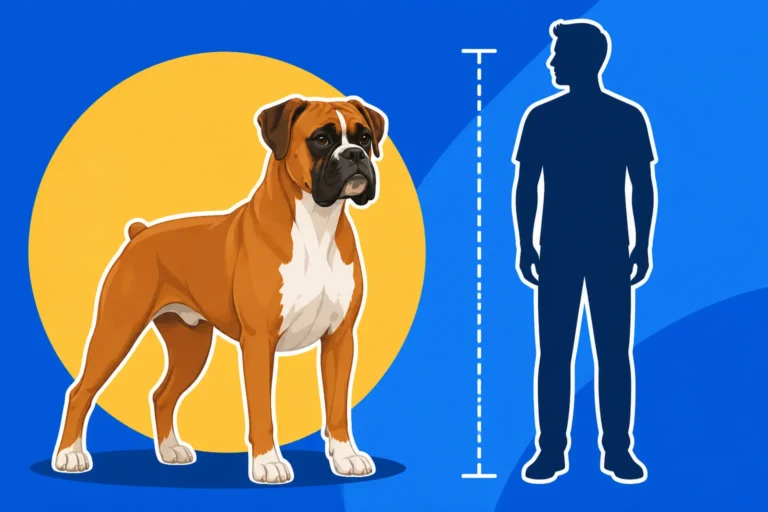
Boxer Against the Staffordshire Bull Terrier
Choosing between a Boxer and a Staffordshire Bull Terrier can be tricky: both are muscular, affectionate, playful dogs, but they differ noticeably in size, exercise style, and everyday handling. This guide compares their temperaments, care needs, health considerations, and suitability for different homes, so you can look beyond similar grins and strong bodies to the dog that fits your life.
Boxer vs Staffordshire Bull Terrier at a glance
Both breeds are people-oriented and physically powerful, but their size difference affects practical things like leash handling, travel, and the amount of room they take up. Breed descriptions are useful starting points, not guarantees: an individual dog’s history, training, health, and temperament matter just as much.
| Trait | Boxer | Staffordshire Bull Terrier |
|---|---|---|
| Typical size | Large, commonly around 50–80 pounds | Smaller and compact, commonly around 24–38 pounds |
| General build | Tall, athletic, deep-chested | Shorter, very muscular, broad-headed |
| Exercise style | Vigorous activity, play, and training | Active play, walks, and close interaction |
| Coat care | Short coat; routine brushing | Short coat; routine brushing |
| Common household challenge | Size, exuberance, and heat sensitivity | Strength, enthusiasm, and possible dog selectivity |
| Best fit often includes | Space and time for an energetic, larger companion | A home ready to manage a strong dog in a more compact body |
Size, strength, and handling
A Boxer is noticeably taller and usually heavier than a Staffordshire Bull Terrier. That difference is easy to underestimate when both are standing still, but it becomes obvious when a dog pulls toward a squirrel, launches into a greeting, or tries to climb onto the couch beside you. A large Boxer can take up a surprising amount of hallway, car seat, and lap.
The Staffordshire Bull Terrier is more compact, but “smaller” should not be confused with “easy to restrain.” Staffies are dense, powerful dogs, and a determined one can pull hard. Either breed can be challenging on leash if its manners have not been taught, so early reward-based leash training is more useful than relying on body size or strength to control the dog.
Think about who will walk the dog every day. If a teenager, older adult, or person with limited mobility will be the main handler, meet adult dogs of both breeds and assess how they move on leash. A young dog that is excited to meet everyone can be difficult to manage, even if its friendly intentions are obvious. For more on the energy that surprises new owners, see The Energy New Boxer Owners Underestimate.
Temperament and social needs
Boxers are often described as playful, affectionate, and clownish. Many enjoy being involved in household life and can be exuberant in their greetings. A Boxer may lean against you, bring a toy to a visitor, or turn a simple game into a full-body performance. That warmth is part of the appeal, but it calls for training and supervision, especially around small children or guests who are uneasy with boisterous dogs.
Staffordshire Bull Terriers are also typically people-focused and affectionate with their families. Their compact build and expressive faces can make them seem less imposing, yet they are still sturdy dogs with plenty of enthusiasm. A Staffy may relish close contact and interactive play, but that does not mean every dog will be comfortable with every other dog. Social preferences vary, and some individuals need careful, managed introductions.
Neither breed should be chosen on the assumption that it will automatically be friendly with every person or dog. A dog’s early experiences, genetic background, health, and individual personality all shape behavior. Read Boxer Temperament in the Standard and in Life for a broader look at how breed descriptions compare with everyday dogs.
Exercise, training, and life at home
Both breeds need more than a quick trip outside to stay settled. The difference is less about one being active and the other being calm, and more about how each dog handles exercise, heat, and stimulation. A routine that includes walks, training, play, and rest is more dependable than trying to exhaust a dog with increasingly intense exercise.
Daily activity and heat management
Boxers are athletic and often enjoy brisk walks, fetch, and training games. Their short muzzle can make heat and strenuous activity a real concern, though. A Boxer may struggle in hot, humid weather, particularly during hard exercise or when excited. Plan activity for cooler parts of the day, offer water and shade, and stop if the dog shows signs of overheating. For practical planning, see Boxer Exercise Needs and the Heat That Limits Them.
Staffordshire Bull Terriers also need regular movement and engagement. Many enjoy walks and interactive games, but individual stamina differs. A compact build does not make a Staffy immune to heat, and any dog can overheat during intense activity, especially in warm weather. Start with manageable outings and watch the dog rather than sticking rigidly to a distance or exercise target.
For both breeds, physical activity works best alongside mental work. Short training sessions, scent games, food puzzles, and simple “find it” games can give a dog something to think about without turning every day into a marathon. If you are choosing enrichment toys or a properly fitted harness, retailers such as Chewy may offer a range of sizes and styles; check the product measurements against the individual dog rather than buying by breed label alone.
Training and behavior in everyday situations
A Boxer’s size and enthusiasm make basic manners especially valuable. Teach a reliable sit for greetings, a comfortable loose-leash walk, and a cue to go to a mat or bed when visitors arrive. Keep sessions short and reward the behavior you want. If a Boxer gets overexcited, shouting or physically wrestling the dog into position can make the moment more chaotic rather than clearer.
Staffies are intelligent and can be eager participants, but their strength and persistence make consistent rules important. Teach the same household expectations from the start: whether the dog may jump up, how play begins and ends, and what to do when another dog passes. Socialization should mean calm, positive exposure to a variety of people, environments, sounds, and dogs—not forcing greetings with every dog encountered.
Both breeds benefit from reward-based training and careful management while skills are developing. A strong dog that has not learned to walk politely can be stressful on a narrow sidewalk or in a crowded park. Gear can help with handling, but it does not replace training. For Boxer-specific guidance on jumping, see Stopping a Seventy-Pound Boxer From Jumping.
Families, other pets, and housing
Either breed may thrive in a family home when adults supervise interactions and teach children how to behave around dogs. Children should not climb on, chase, hug tightly, or disturb a sleeping or eating dog. Even a tolerant dog needs the option to move away, and young children should not be left alone with any dog.
With other pets, go by the individual dog’s known behavior, not a promise based on breed. Introductions should be gradual and supervised, with gates or separate rooms available so animals can take breaks. If a dog has a history of chasing, guarding, or reacting to other animals, ask a qualified behavior professional or veterinarian for an appropriate plan before bringing home another pet.
A Staffy’s smaller footprint may be more convenient in a modest home, but it still needs exercise, enrichment, and room to rest undisturbed. A Boxer may be a better match for someone who has room for a larger dog and is prepared for a more imposing physical presence. Neither breed is automatically suited to apartment life or unsuitable for it; the household routine, dog’s behavior, building rules, and access to safe exercise matter. See Whether a Boxer's Energy Fits a Small Home when assessing the day-to-day realities of a smaller living space.
Grooming, health, and responsible selection
Neither breed needs elaborate coat styling, but a short coat does not mean no care. Health planning matters too: each breed has inherited risks, and responsible breeders and rescues should be willing to discuss what is known about a dog’s background.
Coat care and practical supplies
Both dogs have short coats that generally need regular brushing to remove loose hair and keep the skin comfortable. They still shed, and short hairs can work their way into upholstery and clothing. Check ears, paws, nails, skin, and teeth as part of a routine rather than waiting until something looks uncomfortable.
Boxers may drool, and their facial shape and folds can require occasional cleaning and drying. Staffordshire Bull Terriers usually have less of the loose-jowl mess associated with some Boxers, but their skin can be sensitive, so watch for persistent itching, redness, or recurrent ear trouble. Use grooming products suitable for dogs and ask a veterinarian about ongoing skin symptoms instead of repeatedly changing shampoos.
If you are buying a brush, nail trimmer, or washable bed, choose for the dog’s actual size and habits. Chewy is one place owners may look for basic pet supplies, but product fit and durability vary. A bed that suits a compact Staffy may be too small for a Boxer that likes to stretch out, so measure the dog while it is resting in its usual position.
Health risks to discuss
Boxers are associated with several important health concerns, including certain heart conditions, cancers, and breathing or heat-management challenges linked to their short muzzle. A history of cardiac screening is worth discussing with a breeder, and a veterinarian can help plan appropriate ongoing checks. Learn more in Boxer Cardiomyopathy and the Holter Monitor.
Staffordshire Bull Terriers can also inherit health conditions. Depending on family history and breeding lines, owners may wish to ask about screening for inherited eye disease and L-2-hydroxyglutaric aciduria, a neurological disorder associated with the breed. Skin allergies and joint problems may also be relevant concerns for some dogs. Ask what testing has been done, what the results mean, and whether documentation is available rather than relying on verbal assurances.
For either breed, a shelter or rescue may have useful information about an adult dog’s behavior and medical history, although some background details may be unknown. A pre-adoption veterinary visit can establish a baseline and help identify questions to follow up. For a puppy, look for a breeder who welcomes questions about health testing and the parents’ temperaments. The Health Screening a Boxer Breeder Owes You explains why screening is part of responsible Boxer breeding.
Choosing the right dog for your circumstances
The better match depends on the dog in front of you and the life you can reliably provide. Consider the time you have for exercise and training, who will handle the dog, your experience with strong breeds, and whether you have children or other pets. Be honest about the hard parts: a friendly dog can still jump, pull, chew, or struggle to settle if its needs are not met.
Choose a Boxer if you are prepared for a larger, energetic companion and can plan thoughtfully around warm weather and health screening. A Boxer may suit a household that enjoys active play and welcomes a dog that wants to be involved in daily routines. Choose a Staffordshire Bull Terrier if you want a smaller, muscular companion and are ready to take its strength and social needs seriously. Neither choice is a shortcut to an easy dog.
When possible, meet adult dogs in a calm setting and ask how they behave on walks, around visitors, and when left alone. If choosing a puppy, ask to see the mother when practical and observe how the puppies respond to ordinary handling and new sounds. A thoughtful match is not about picking the breed with the best reputation; it is about finding a dog whose needs fit your real household.
Disclaimer
This article is for general informational purposes only and does not constitute professional advice. Laws, prices and regulations vary by location and change over time. Consult a qualified professional for guidance on your specific situation.