Stopping a Seventy-Pound Boxer From Jumping
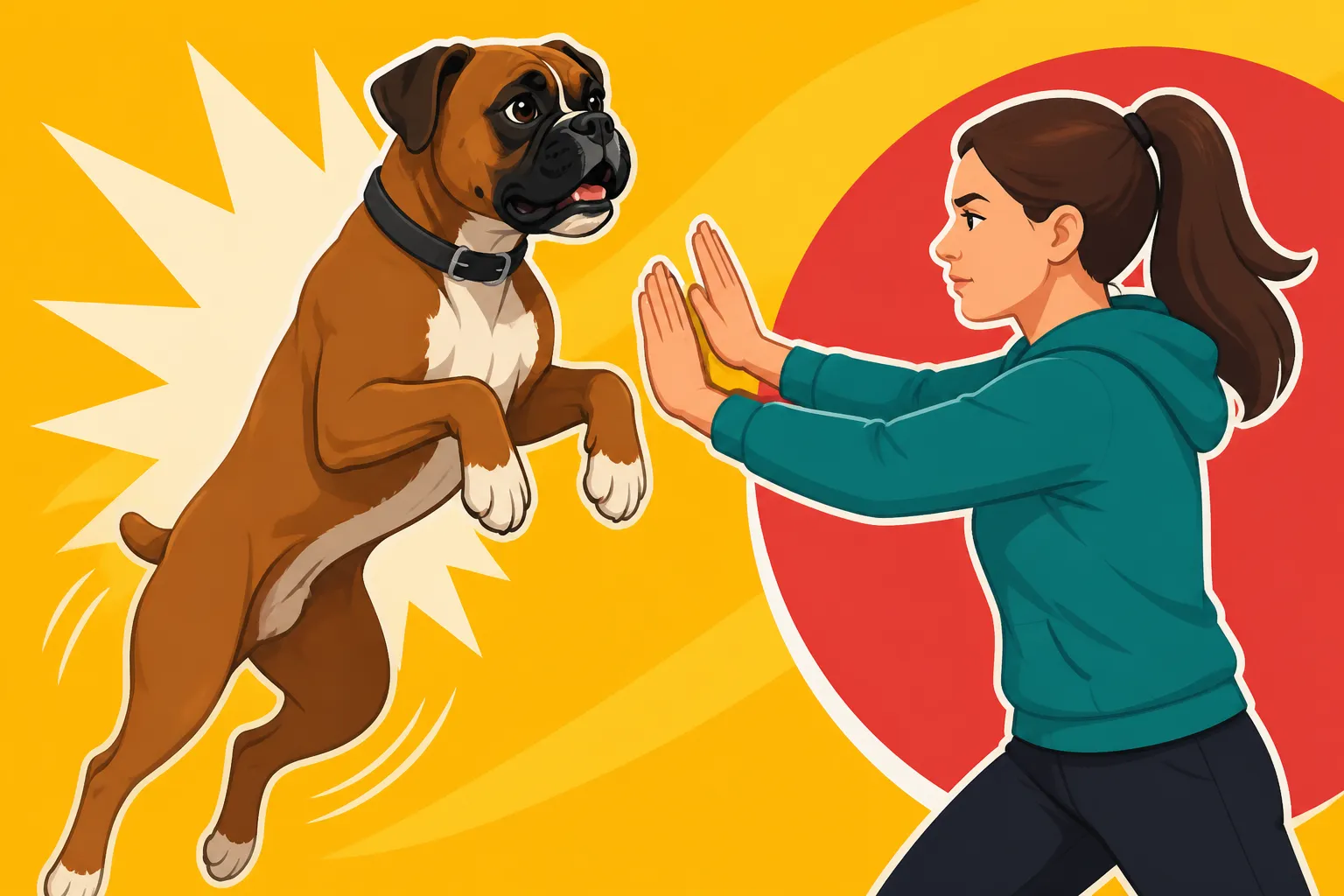
It’s incredibly frustrating, and let’s be honest, sometimes a little painful, when your seventy-pound Boxer greets you or a guest by launching themselves into the air. That powerful, enthusiastic leap, born of pure joy, can send people sprawling, ruin clothes, and even make visitors wary of coming over. This comprehensive guide will walk you through understanding why your beloved Boxer jumps, and, more importantly, equip you with the practical, empathetic strategies to teach them a more polite way to say hello.
Understanding Why Your Boxer Jumps
Boxers are renowned for their playful, exuberant nature, and while it's one of the things we adore most about them, it also means they often express their joy with their entire body – including their impressive vertical leap. When you have a dog that can easily reach your chest or even your shoulders when excited, understanding the root cause of the jumping is the first step toward managing it.
The Boxer's Natural Exuberance
Let’s face it, Boxers are the clowns of the canine world. They’re goofy, full of energy, and incredibly expressive. Their natural zest for life often manifests in physical ways, like their famous "Boxer wiggle" or, yes, jumping. They aren't trying to be rude; they're simply overflowing with excitement and trying to get closer to your face, which in the dog world, is a perfectly normal way to greet. They want to be right there, in the thick of things, sharing their boundless affection.
This natural exuberance means that for a Boxer, jumping isn't necessarily a sign of a lack of training in their minds; it's an instinctive, high-energy response to stimulation. Whether it's the sight of their favorite human, a new visitor, or even just the sound of a rustling bag that might contain treats, their default can be to spring into action. It's a testament to their joyful spirit, but it's a behavior that needs channeling when dealing with human interaction. Recognizing this underlying trait helps us approach training with patience and understanding, rather than just frustration.
It also means that simply telling them "no" might not be enough, or even understood. Their internal wiring is screaming "YAY, HUMAN!" and their body is just following suit. We need to teach them an alternative behavior that still allows them to express that joy and connection, but in a way that is safe and socially acceptable for us two-legged creatures. This is why consistency and clear communication are key, especially with a breed that carries so much athletic power and enthusiasm.
Learning to Jump for Attention or Rewards
While natural exuberance plays a huge role, a Boxer quickly learns that jumping can be a highly effective way to get what they want – your attention. Think about it: when your Boxer jumps, even if you push them away, say "no," or make eye contact, you're still giving them a reaction. To a dog, any reaction is often better than no reaction at all, and it can inadvertently reinforce the very behavior you're trying to stop. They might think, "Oh, if I jump, they look at me! Mission accomplished!"
Sometimes, we even accidentally reward the jumping with something positive. Maybe a quick pet to try and calm them down, a soft word, or even stepping back, which they might interpret as an invitation to keep trying. If a Boxer jumps up and momentarily gets their paws on you, and then you offer a treat or praise once they're down, they might link the initial jump with eventually getting the reward. It's a complex chain for them to understand, so we need to be very precise about what we're rewarding and when.
This is where the "four on the floor" rule becomes paramount. Every single time your Boxer jumps and gets attention, even negative attention, you risk reinforcing the behavior. Conversely, every single time they keep all four paws on the ground in an exciting situation, and they get lavish praise or a treat, you're building a strong foundation for the desired behavior. It requires vigilance from everyone in the household, because one inconsistent interaction can set back weeks of progress.
The Adolescent Boxer's Energy
Boxers mature notoriously slowly. Many owners will tell you that their Boxer puppyhood seems to last an eternity, well past the typical "puppy" stage. They retain a significant amount of puppy energy and brainpower (or lack thereof) right up until two or even three years of age. This extended adolescence means that a "seventy-pound puppy" is a very real thing in the Boxer world, and their impulse control might not catch up to their size and strength for quite some time. The Boxer Puppyhood That Lasts Three Years perfectly illustrates this developmental quirk.
During these adolescent months, typically from about six months to two years, Boxers are often bursting with physical energy and an almost insatiable curiosity. They’re testing boundaries, exploring their world with gusto, and might seem to have forgotten everything they learned yesterday. Their brains are still developing, and self-control is often the last skill to fully solidify. This is a critical period for consistent training, as their physical capabilities are reaching their peak while their mental maturity is still lagging behind.
This period can be particularly challenging for owners because what might have been manageable nipping or bouncy greetings from a 30-pound puppy becomes a much bigger problem with a 70-pound, full-grown dog. It means you can't rely on them to "grow out of it." Instead, you need to proactively work through it, providing clear expectations and channeling that youthful vigor into appropriate outlets. Understanding that this stage is normal for a Boxer helps maintain patience and commitment to the training process. Managing a Boxer Between Six and Eighteen Months provides more insight into this tricky phase.
Laying the Foundation: Early Training and Management
Stopping a seventy-pound Boxer from jumping isn't just about reacting in the moment; it's about building a solid foundation of manners and self-control from the very beginning. The earlier you start, the easier it will be to shape their behavior into something more desirable, but even older Boxers can learn new tricks with consistency and patience.
Starting With "Four Feet on the Floor" From Puppyhood
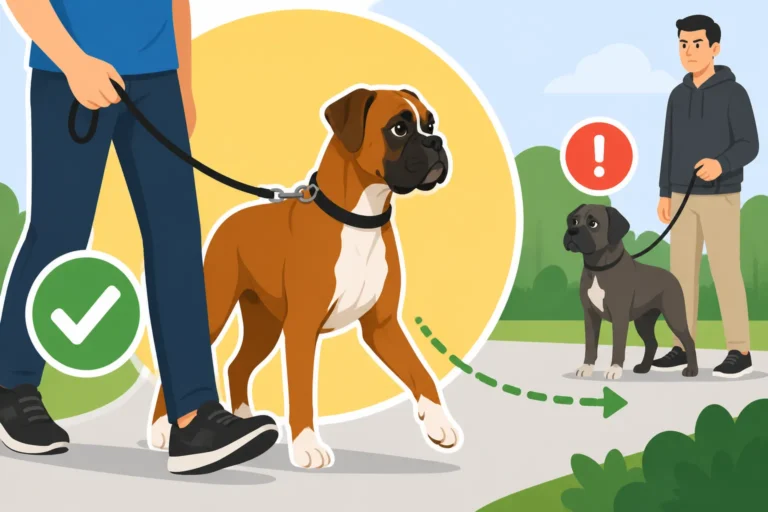
The golden rule for preventing jumping is "four feet on the floor." This means that any attention – whether it's a look, a word, or a touch – is only given when all four of your Boxer's paws are firmly on the ground. As soon as a paw lifts with the intent to jump, all attention ceases immediately. Turn your back, walk away, or even leave the room if necessary. The moment they are grounded again, even for a split second, reward them lavishly with praise, a gentle pat, or a high-value treat.
This requires immense consistency from everyone who interacts with your Boxer, especially when they are a bouncy puppy. Children, other family members, and even casual visitors need to be briefed on this rule. If even one person accidentally rewards a jump, it undermines all the hard work. Teaching a Boxer to Keep Four Feet Down goes into more detail about implementing this foundational principle. It's not about being harsh; it's about being clear. Boxers thrive on clarity, even if it takes them a little longer to grasp the full implications.
Practicing this in low-distraction environments first is crucial. Start in a quiet room with just you, then gradually introduce mild distractions like another family member, and then eventually tackle the high-excitement scenarios like coming home after a long day. The goal is to build a strong association: "paws on the floor = good things happen; paws up = I become invisible." This simple, consistent message, repeated thousands of times, will slowly but surely reshape your Boxer's greeting habits.
Managing Excitement at the Door
The front door is often ground zero for jumping behaviors. The arrival of a new person or your return home is a huge trigger for excitement, and your Boxer's natural inclination is to launch themselves forward. Proactive management and training are key here to prevent the behavior from even starting. Start by practicing "calm greetings" even when no one is actually arriving.
Teach your Boxer to go to a "place" (like their bed or a mat) when the doorbell rings or when someone knocks. Reward them heavily for staying on their place while you open the door. You can use a leash initially to keep them restrained and then release them for a calm greeting once they've demonstrated they can hold their "place." The aim is to interrupt the jumping cycle before it even begins by directing their excitement towards a compatible, desired behavior. Greeting Manners for an Excited Boxer delves into this training specifically.
When guests arrive, ensure your Boxer is either on a leash or behind a baby gate if they struggle with impulse control. Give the guest a handful of treats and instruct them to only offer a treat when the Boxer has all four paws on the floor. If the Boxer jumps, the guest should immediately turn their back and ignore them until they settle. This collaborative approach ensures that everyone is reinforcing the same message and not accidentally rewarding the jumping. Consider an online training program like BAXTER & Bella, which often has specific modules on polite greetings and door manners, offering structured guidance you can follow at your own pace.
The Importance of Consistent Crate Training
A crate isn't just a place for your Boxer to sleep; it's a powerful management tool, especially for a dog with a lot of energy and an inclination to jump. When used correctly, a crate can be a safe haven for your Boxer and a valuable aid in teaching appropriate behavior, particularly around greetings or high-excitement situations. It's not a punishment, but rather a den where they can feel secure and where you can control their environment. Why a Boxer Needs a Crate More Than Most explains this in more detail.
For instance, if your Boxer struggles immensely with jumping on guests, placing them in their crate for the initial excited greeting period can be incredibly helpful. Once the initial hubbub has died down and everyone is settled, you can then let your Boxer out, on a leash if necessary, for a controlled, calm introduction. This prevents them from rehearsing the unwanted behavior and gives them a chance to experience the situation more calmly, making it easier for them to succeed.
Consistency is paramount with crate training. Make sure the crate is a positive place, filled with comfortable bedding and safe chew toys. Never use it for punishment. When you use the crate consistently for management during high-trigger times, your Boxer learns to associate it with calm, positive experiences, rather than feeling confined or punished. This can be a game-changer for redirecting that boundless Boxer energy into something more constructive.
Practical Strategies to Prevent Jumping on People
Once you've established a solid foundation, it's time to refine your approach with practical, in-the-moment strategies. These techniques are designed to interrupt the jumping behavior and redirect your Boxer towards more polite interactions.
Teaching an Alternate, Compatible Behavior
The most effective way to stop an unwanted behavior like jumping is to teach your Boxer something else to do instead. Simply telling them "no" doesn't give them an alternative. We want to teach them that when they're excited, instead of jumping up, they can sit, lie down, or even go to a specific "place" to receive attention.
A simple "sit" command is often the easiest to start with. When you anticipate your Boxer might jump (e.g., when you pick up the leash, or hear a knock at the door), preemptively ask for a "sit." As soon as their rear touches the ground, immediately reward them with a treat and calm praise. If they jump, withdraw attention instantly. Once they settle and sit again, reward. This "catch them doing good" approach is powerful. Over time, your Boxer will learn that a sit, rather than a jump, is the ticket to getting what they want – your positive attention. Teaching a Boxer a Place to Go When Guests Arrive elaborates on the "place" command.
Another excellent alternative behavior is a "four on the floor" stand or a polite "down." The key is that the behavior must be incompatible with jumping. You can't jump if you're lying down. Practice these commands frequently in various environments and with different levels of distraction. When your Boxer consistently offers a "sit" or "down" when excited, you’ve successfully rewired their default greeting. This takes time, patience, and a pocket full of really good treats!
Managing Interactions with Guests and Children
Guests and children often present the biggest challenge because their reactions can be unpredictable, and they might accidentally reinforce jumping. It's crucial to set up these interactions for success, not just for your Boxer, but for the safety and comfort of your visitors.
Before guests arrive, decide on a strategy. If your Boxer is still a work in progress, consider having them on a leash, or behind a baby gate, until they can calmly greet. When the guests are settled, bring your Boxer out. Give your guests high-value treats (like small pieces of cheese or cooked chicken) and instruct them clearly: "Only give a treat and attention when Fido has all four paws on the floor. If he jumps, turn your back immediately and ignore him." This consistent approach, where everyone is on the same page, is invaluable.
For interactions with children, supervision is non-negotiable, especially with a powerful Boxer. Teach children how to greet dogs politely – no running, no screaming, no direct eye contact right away. Teach them to ask the Boxer to "sit" and then offer a treat from an open palm, always keeping their bodies upright and calm. If your Boxer tends to knock children over, even playfully, ensure a barrier or leash is used until they reliably keep all four feet down. This is not only about training your dog but also about teaching safe interactions to everyone in the household. A Boxer That Knocks Children Over offers specific guidance on this issue.
Using Management Tools Effectively
Sometimes, training alone isn't enough, especially in the early stages or in high-stress situations. This is where management tools come into play, helping you control the environment and prevent your Boxer from practicing the unwanted behavior. Remember, prevention is often easier than correction.
A sturdy leash and harness are your best friends. When someone comes to the door, keep your Boxer on a leash. This gives you immediate control to guide them into a sit or to simply prevent the jump by gently redirecting them. Harnesses, particularly those that clip in the front, can give you better control over a powerful Boxer who likes to pull or lunge, making it easier to manage their body if they attempt to jump. You can find a wide variety of effective harnesses on Amazon that can help with this. Harnesses and Leads for a Pulling Boxer can help you choose the right gear.
Baby gates are another fantastic tool. Use them to create a barrier at the front door, keeping your Boxer separated from the initial burst of excitement. This allows them to calm down before being introduced to guests in a more controlled manner. For particularly persistent jumpers, a head halter can offer surprising control, guiding their head and body without discomfort, making it much harder for them to launch themselves upwards. These tools are not substitutes for training, but rather invaluable aids that help you manage the situation while the training takes hold.
Addressing Jumping on Furniture and Counters
Jumping isn't always directed at people; sometimes it's about claiming territory on the sofa, reaching for a tasty morsel on the kitchen counter, or just seeking a cozy spot on your favorite armchair. These behaviors stem from different motivations but can be tackled with similar principles of clear boundaries and consistent training.
Establishing Boundaries Inside the Home
Just like with people, your Boxer needs to understand boundaries regarding furniture. Decide which furniture, if any, is off-limits. Is the sofa okay but not the dining room chairs? Is the bed a no-go zone? Once you've made these decisions, everyone in the household needs to enforce them consistently. Boxers are incredibly smart and will quickly learn who allows what.
If a piece of furniture is off-limits, consistently redirect your Boxer when they attempt to jump on it. Use a clear "off" command and guide them to an approved resting spot, like their dog bed or a mat, and reward them there. For persistent offenders, you might need to make the furniture temporarily unappealing. This could involve placing a laundry basket on the sofa, or using commercial deterrents (like a scat mat, which delivers a mild, startling correction) until they learn the boundary.
Remember, the goal isn't to punish them for wanting to be comfortable; it's to teach them where they are allowed to be comfortable. Provide them with their own cozy, designated sleeping and resting areas that are just as appealing as the human furniture. This way, they have positive alternatives rather than feeling simply deprived.
"Off" and "Place" Cues for Furniture
Two invaluable cues for managing furniture jumping are "Off" and "Place." "Off" means to remove all four paws from whatever surface they are on – the couch, the counter, your lap, etc. "Place" means to go to their designated bed or mat and stay there until released.
To teach "Off," start by luring your Boxer off the furniture with a treat, saying "Off" as their paws hit the floor, and immediately rewarding them. Practice this repeatedly. If they jump back on, calmly put them back on the floor with "Off," and only reward when they stay off for a few seconds. Gradually increase the duration they need to stay off before getting the reward.
The "Place" command is even more powerful. It gives them a specific, positive alternative. Lure or guide your Boxer to their bed, say "Place," and reward them heavily for lying down. Practice this with increasing distractions and durations. Once reliable, you can use "Place" whenever you need them off the furniture, especially when guests are over or during meal times. Teaching a Boxer a Place to Go When Guests Arrive offers a deeper dive into this useful command.
Preventing Counter Surfing Behavior
Boxers are tall, agile, and often possess an impressive nose for anything edible left unattended. Counter surfing can be a frustrating and potentially dangerous habit, as they might ingest something harmful. Preventing it requires a combination of management and training.
First and foremost, never leave food unattended on counters or dining tables. This is the simplest and most effective prevention method. If there's nothing rewarding on the counter, your Boxer will eventually lose interest in checking it. This might sound obvious, but it’s amazing how quickly we can forget when engrossed in other tasks.
For training, consistency is key. If you catch your Boxer sniffing or putting paws on the counter, a sharp, surprising noise (like a clap or a loud "AH-AH!") followed by a "leave it" command can work. Immediately reward them when they back away from the counter. You can also strategically place empty, noisy cans on the edge of the counter that will tumble and make a startling sound if your Boxer nudges them, creating a self-correcting negative association with the counter.
Advanced Training for the Persistent Jumper
Even with consistent foundational work, some Boxers might have deeply ingrained jumping habits or simply possess such a high drive that they need more advanced interventions. Don't feel discouraged if you find yourself in this boat; it often just means you need to level up your training game or seek professional guidance.
Working with a Professional Trainer
Sometimes, you need an extra set of eyes and a wealth of experience to help troubleshoot persistent behavioral issues. If you've been consistent with the basic methods and your Boxer is still routinely jumping, it might be time to enlist the help of a certified professional dog trainer. They can observe your Boxer's specific triggers and reactions, identify any subtleties you might be missing, and tailor a training plan just for your dog.
A good trainer will use positive reinforcement methods and focus on teaching you, the owner, how to effectively communicate with your Boxer. They can introduce new techniques, refine your timing, and provide accountability. Look for trainers who have experience with energetic, strong breeds like Boxers. A "board and train" program, while costly, might also be an option for some, where your Boxer lives with a trainer for a period to receive intensive schooling. However, always ensure you vet these programs thoroughly and understand their training philosophy. Whether a Trainer Has Worked With a Boxer Before can guide your selection process.
Remember, working with a trainer isn't a sign of failure; it's an investment in your relationship with your Boxer and their future good behavior. They can help bridge the communication gap between human and dog, making the process smoother and more effective for both of you.
Desensitization and Counter-Conditioning for Triggers
For Boxers whose jumping is highly reactive to specific triggers (like the doorbell, certain people, or the sight of their leash), desensitization and counter-conditioning can be powerful tools. This involves gradually exposing your Boxer to the trigger at a low intensity while simultaneously associating it with something positive, changing their emotional response from excitement (leading to jumping) to calm anticipation.
For example, if the doorbell makes your Boxer jump wildly, start by playing a recording of the doorbell at a very low volume. The moment your Boxer hears it and doesn't react by jumping, give them a high-value treat. Repeat this many times, gradually increasing the volume. Once they can hear the recording at a normal volume without jumping, move to having someone lightly tap the door, then a soft knock, eventually progressing to a full doorbell ring, always rewarding calm behavior.
The key is to keep the intensity of the trigger low enough that your Boxer doesn't jump, so you can reward the desired calm response. If they jump, you've gone too fast. Retreat to an easier step. This method systematically re-trains their emotional response, making them less likely to react with an automatic jump. It takes patience and a careful, step-by-step approach, but it can be incredibly effective for deeply ingrained reactive jumping.
Enrolling in Structured Training Programs
Beyond private training, enrolling your Boxer in structured group classes can be incredibly beneficial. Puppy classes, basic obedience, and even intermediate or advanced classes offer a controlled environment to practice impulse control around distractions – other dogs, other people, and new environments. This generalization of training is crucial; a Boxer who can sit politely for you in the living room needs to learn to do it in a park with squirrels and other dogs present.
Many local pet stores, community centers, or private training facilities offer a range of classes. Look for classes that use positive reinforcement and focus on real-world manners. These classes not only reinforce basic commands but also teach you how to maintain your Boxer's focus in exciting situations, which directly translates to reducing jumping. Plus, it's a fantastic way to bond with your Boxer and ensure they're well-socialized.
Some Boxers also thrive in dog sports like Agility and Dock Diving With a Boxer or obedience competitions. These activities provide a structured outlet for their energy and intelligence, channeling their natural athleticism and drive into productive, non-jumping behaviors. Even if you don't plan to compete, the training involved can significantly improve their overall manners and impulse control.
| Training Technique | Goal | Key Action | Benefit for Jumping |
|---|---|---|---|
| "Four on the Floor" | Consistent polite greetings | Reward only when all paws are on the ground | Teaches an alternative to jumping for attention |
| "Place" Command | Designated calm spot | Send Boxer to their bed/mat during triggers | Prevents jumping by redirecting to a specific, calm behavior |
| "Off" Command | Clear boundary for surfaces | Lure/guide Boxer off furniture/counters | Establishes household rules; prevents jumping for food/comfort |
| Leash & Harness Management | Immediate control | Use gear to guide and prevent jumps | Physical prevention and immediate redirection in high-stimulus situations |
| Desensitization | Change emotional response | Gradual, low-intensity exposure to triggers | Reduces reactive jumping by changing the dog's internal feeling about the trigger |
Long-Term Management and Lifestyle Adjustments
Stopping a seventy-pound Boxer from jumping isn't a one-and-done fix. It's an ongoing commitment that involves understanding their needs, providing appropriate outlets, and consistent reinforcement throughout their lives. Boxers are a powerful, intelligent breed, and managing their energy and enthusiasm is a continuous process.
Meeting Your Boxer's Exercise Needs Fully
A tired Boxer is a well-behaved Boxer. This adage is particularly true for this energetic breed. If your Boxer isn't getting enough physical exercise, that pent-up energy has to go somewhere, and often, it comes out as exuberant, unchanneled jumping, zooming, or destructive behavior. Boxers need significant daily exercise to stay happy and balanced. Boxer Exercise Needs and the Heat That Limits Them offers crucial advice on tailoring activity levels.
Aim for at least 60-90 minutes of vigorous exercise daily, split into multiple sessions. This isn't just a leisurely walk around the block; this means running, playing fetch in a secure yard, engaging in vigorous play with other dogs, or even running alongside you (once cleared by a vet and appropriately aged). Pay attention to their needs; some Boxers might need more, others a bit less, but none will be content with just a quick potty break.
Ensure the exercise is appropriate for their age and physical condition. Boxer puppies need controlled exercise to protect their developing joints, while older Boxers might need lower-impact activities. Crucially, always be mindful of overheating, as their brachycephalic (flat-faced) structure makes them prone to heatstroke. Early morning or late evening walks in the summer are essential. If you live somewhere with extreme weather, indoor exercise or a reputable dog daycare, like those mentioned in Daycare Prices for a Boxer With Energy to Burn, can be a lifesaver.
Mental Stimulation Beyond Physical Activity
Physical exercise is vital, but Boxers are also intelligent dogs who need mental stimulation to truly be satisfied. A mentally bored Boxer can be just as problematic as a physically under-exercised one, leading to behaviors like jumping for attention, excessive barking, or chewing. Their minds need a workout too!
Incorporate puzzle toys, snuffle mats, and interactive feeders into their daily routine. These make them "work" for their food and can keep them engaged for significant periods. Training sessions, even short 5-10 minute bursts multiple times a day, provide excellent mental enrichment. Teach them new tricks, practice advanced obedience cues, or engage in scent work. The more you challenge their minds, the less likely they are to resort to attention-seeking behaviors like jumping.
Rotation of toys is also key to keeping things fresh. Don't leave all their toys out all the time; instead, rotate them every few days so they always have something "new" to explore. Engaging in structured play, where you initiate and end the games, also reinforces your leadership and provides appropriate outlets for their energy, reducing the likelihood of them initiating rude jumping games with you.
The Ongoing Commitment to Reinforcement
Finally, remember that training is never truly "done." With a breed as enthusiastic and spirited as the Boxer, consistent reinforcement of desired behaviors is a lifelong commitment. Every time your Boxer keeps all four paws on the floor during an exciting greeting, take that opportunity to praise them, give them a treat, or offer a calm pet.
This ongoing reinforcement ensures that the positive associations remain strong. It means that everyone who interacts with your Boxer needs to continue to follow the rules, even years down the line. It's easy to get complacent once the jumping subsides, but a lapse in consistency can quickly see old habits resurface. Boxers live long lives (averaging The Ten to Twelve Year Boxer Lifespan), so you have plenty of time to build a strong, well-mannered companion.
Be patient with yourself and your Boxer. There will be good days and bad days, breakthroughs and setbacks. Celebrate the small victories, learn from the challenges, and remember that the bond you share with your Boxer is built on trust, understanding, and clear communication. With dedication, your seventy-pound bundle of joy can learn to greet everyone politely, making your home a calmer and happier place for all.
Disclaimer
This article is for general informational purposes only and does not constitute professional advice. Laws, prices and regulations vary by location and change over time. Consult a qualified professional for guidance on your specific situation.