Whether a Narrowed Aorta Rules Out Boxer Breeding
Finding out your beloved Boxer has a narrowed aorta, medically known as Subaortic Stenosis or SAS, is truly devastating. This isn't just a minor health hiccup; it's a serious, inherited heart condition that can dramatically impact a Boxer's quality of life and even shorten their lifespan. For anyone considering breeding these magnificent dogs, this diagnosis raises profound and difficult questions, often leading to the heartbreaking conclusion that breeding may no longer be a responsible option. This guide will delve deep into what SAS means for a Boxer and why a narrowed aorta almost invariably rules out breeding.
Understanding Subaortic Stenosis The Heartbreaking Truth for Boxers
Subaortic Stenosis (SAS) is one of the most common congenital heart defects found in Boxers, and it’s a condition that carries significant weight for both pet owners and responsible breeders. It’s a terrifying discovery, often made too late, and the implications for a dog’s future and the integrity of a bloodline are immense. Understanding this condition is the first crucial step toward making informed and compassionate decisions.
What Exactly is SAS?
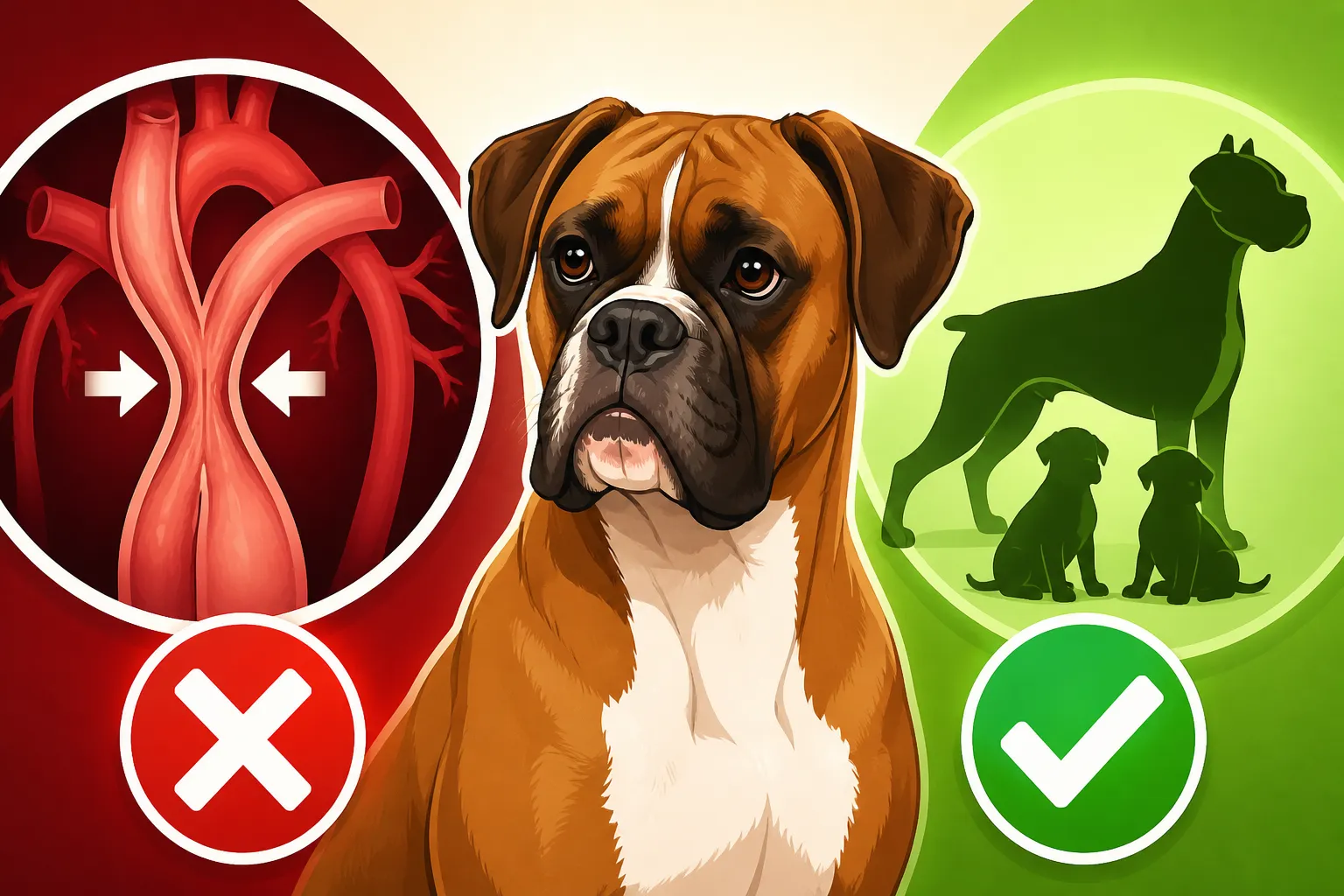
At its core, SAS is a narrowing (stenosis) of the aorta just below the aortic valve. Imagine a perfectly sized hose, then imagine pinching it right at the nozzle. The heart, specifically the left ventricle, has to work incredibly hard to pump blood through that constricted area and out to the rest of the body. This extra effort causes the heart muscle to thicken, a condition called left ventricular hypertrophy, which sounds robust but is actually dangerous. This thickened muscle can become inefficient, struggle to relax properly, and over time, it can lead to heart failure or even sudden cardiac death. It’s not just a minor plumbing issue; it’s a fundamental flaw in the heart’s ability to function normally, placing immense strain on an organ designed for tireless work. This condition is what makes Subaortic Stenosis in a Boxer Puppy such a crucial topic for early awareness.
How Vets Confirm an SAS Diagnosis
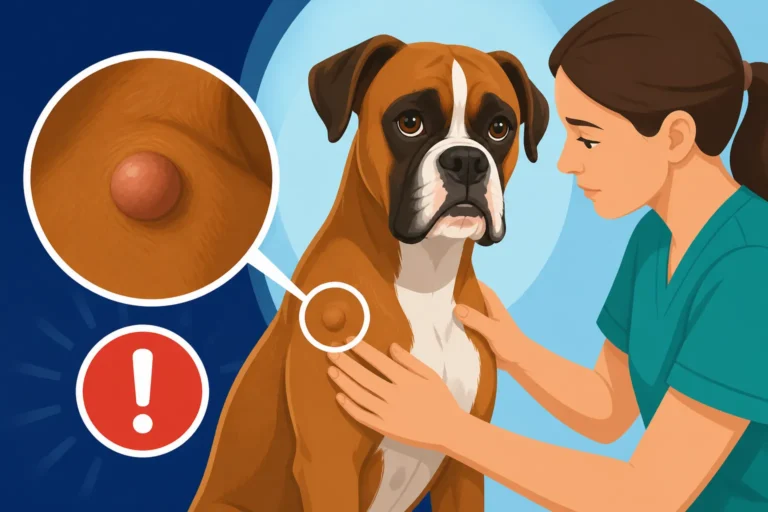
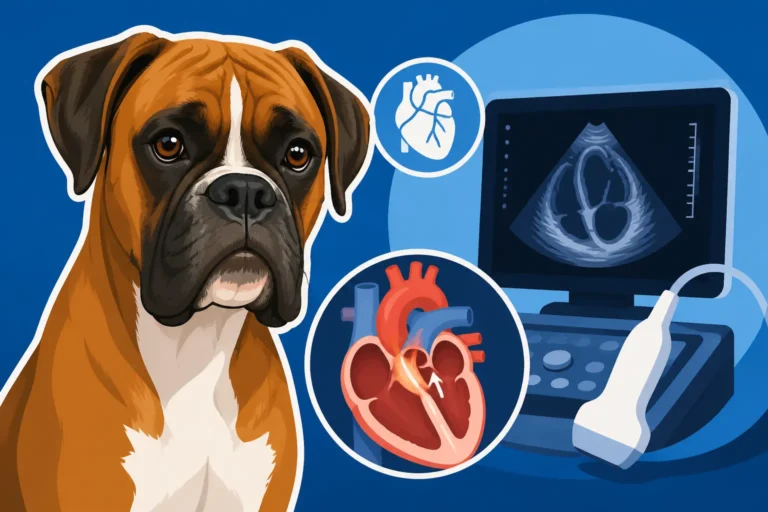
Diagnosing SAS isn't always straightforward in its early stages, which is part of the problem. Often, the first clue is a heart murmur detected during a routine vet check-up, sometimes even as early as a puppy's first examination. A murmur is just the sound of turbulent blood flow, and while some puppy murmurs can be benign and disappear, with Boxers, any murmur should be investigated thoroughly. To confirm SAS, a veterinarian will typically recommend an echocardiogram, which is a specialized ultrasound of the heart. This non-invasive procedure allows a veterinary cardiologist to visualize the heart's structures in detail, measure blood flow velocity through the aorta using Doppler ultrasound, and assess the degree of narrowing and any resultant thickening of the heart muscle. This comprehensive Screening a Boxer for Subaortic Stenosis is vital for an accurate diagnosis.
A standard physical exam or even a basic X-ray simply won't cut it for diagnosing SAS. While an X-ray might show an enlarged heart in very severe, late-stage cases, it doesn't give the precise information needed about the blood flow and valve function that an echocardiogram provides. A skilled cardiologist can identify the characteristic changes associated with SAS, such as the fibrous ring of tissue below the aortic valve that causes the obstruction, and the velocity of the blood jet through this narrowed area. This velocity measurement is key to grading the severity of the condition, guiding prognosis and management strategies. It's a procedure that requires specialized equipment and expertise, which means it often involves a referral to a veterinary cardiology specialist.
Grading the Severity of SAS
Once diagnosed, SAS is graded based on the severity of the obstruction, typically measured by the velocity of blood flow across the stenotic area. These grades are usually mild, moderate, or severe, and they are directly correlated with the dog's prognosis. A dog with mild SAS might live a relatively normal lifespan with few symptoms, though they are still at risk. Moderate SAS dogs often have a more guarded prognosis and may require medication and activity restrictions. Tragically, dogs with severe SAS face a significantly shortened lifespan, often succumbing to sudden death before reaching adulthood or middle age.
It's important to understand that even dogs with "mild" SAS are still affected by a serious genetic condition. The severity can sometimes progress, and even if it doesn't, the presence of the condition means the heart is under abnormal stress. This grading system helps veterinarians recommend appropriate monitoring and treatment, but it also heavily influences breeding decisions. For breeders, regardless of the perceived "mildness," the presence of SAS, in any form, should be a red flag the size of a billboard.
| SAS Grade | Aortic Flow Velocity (m/s) | Prognosis & Risk |
|---|---|---|
| Mild | < 3.0 | Variable, generally good to fair. Lower risk of sudden death, but still present. |
| Moderate | 3.0 – 4.5 | Guarded. Increased risk of heart failure and sudden cardiac death. May require medication. |
| Severe | > 4.5 | Poor. High risk of heart failure and sudden cardiac death, often at a young age. Medication usually required. |
This table provides a simplified overview, but actual veterinary cardiologists use more nuanced criteria. Remember, even "mild" SAS means your Boxer's heart is not working optimally.
The Genetic Blueprint SAS and Breeding Responsibility
The genetic component of Subaortic Stenosis is the elephant in the room for Boxer breeders. It’s what makes this condition not just a health issue for an individual dog, but a serious ethical dilemma for anyone involved in perpetuating the breed. Ignoring the hereditary nature of SAS is not only irresponsible but actively harms the future health of Boxers worldwide.
Why SAS Runs in Boxer Lines
SAS is known to be an inherited condition in Boxers, meaning it's passed down from parents to offspring. While the exact mode of inheritance is thought to be polygenic, meaning multiple genes are involved rather than a single dominant or recessive gene, it's undeniably genetic. This complex inheritance pattern makes it trickier to predict than a simple Mendelian trait, but it doesn't make it any less hereditary. Both parents can carry the genes for SAS without showing severe signs themselves, then produce affected puppies. This is why thorough The Health Screening a Boxer Breeder Owes You is paramount.
When a breeder uses a dog with SAS, even a "mildly" affected one, in their breeding program, they are actively contributing to the perpetuation of this devastating disease within the Boxer gene pool. It's a gamble with severe consequences. Even if the immediate offspring appear clear, they could be carriers, passing the problematic genes down to subsequent generations. This insidious spread is why professional organizations and ethical breeders advocate so strongly against breeding affected dogs. The goal is to reduce the incidence of SAS, not increase it.
The Role of a Responsible Breeder
A truly responsible Boxer breeder operates with the long-term health and welfare of the breed at the forefront of their mind, not just the appearance or show titles of individual dogs. This means rigorous health screening of all breeding stock for known genetic conditions like SAS, hip and elbow dysplasia, degenerative myelopathy, and certain cancers. For SAS, this specifically includes regular echocardiograms performed by a board-certified veterinary cardiologist. These screenings aren't cheap, but they are a non-negotiable part of ethical breeding.
A breeder committed to the breed's health will transparently share these health clearances with potential puppy buyers. They won't make excuses or hide results. They understand that a negative health screening, especially for a condition like SAS, means that dog should be removed from the breeding program immediately, regardless of how "perfect" they might be in other regards. This level of commitment ensures that the puppies they produce have the best possible chance at a long, healthy life, free from the heartbreak of inherited diseases. This also plays into What a Boxer Puppy Costs From a Real Breeder, as comprehensive health testing adds to the investment.
When Breeding is Simply Not an Option
The hard truth, and one that often causes immense pain for breeders, is that a narrowed aorta effectively rules out Boxer breeding. There's almost no scenario where breeding a Boxer diagnosed with SAS, regardless of severity, can be considered responsible. The risks to future generations are simply too high.
Directly Affected Dogs No to Breeding
If a Boxer is diagnosed with SAS, even a mild form, they should absolutely be removed from any breeding program. The rationale is simple: they carry and can pass on the genetic predisposition for the condition. Breeding an affected dog means knowingly increasing the likelihood that their offspring will suffer from the same heart defect. This is not just about avoiding severe cases; it's about eliminating the presence of the problematic genes altogether. A dog with SAS, by definition, has a heart that is compromised. The stresses of pregnancy, whelping, and nursing a litter can put an enormous strain on a healthy heart, let alone one already fighting against a narrowed aorta.
Imagine the devastating impact on a family who brings home a beautiful Boxer puppy, only to discover at a young age that it has severe SAS and faces a significantly shortened life, perhaps even sudden death. This is the very real consequence of irresponsible breeding decisions. Ethical breeding means prioritizing the health of the puppies above all else, and for SAS, that means a firm "no" to breeding any affected dog. This principle extends to other serious genetic conditions too, as explored in Whether a Boxer With ARVC Should Be Bred.
The Complexities of Carrier Status
While breeding an affected dog is a clear-cut "no," the situation becomes slightly more nuanced, and arguably more frustrating, when dealing with dogs that are genetically carriers but show no clinical signs of SAS themselves. Because SAS is polygenic, there isn't a single "carrier test" like there is for some other genetic diseases. This makes the breeder's job harder. They rely on the absence of disease in their breeding stock, and critically, in their ancestors and siblings, through echocardiogram screening.
If a dog produces offspring with SAS, even if it has never been diagnosed with SAS itself, it’s strongly indicative that the parent is a carrier. In such cases, the ethical choice is often to retire that parent from breeding. Even if a dog's parents are both perfectly clear on their echocardiograms, they could theoretically carry genes that, when combined with another dog's genes, could produce SAS. This is why multi-generational health clearances are so valuable and why breeders must remain vigilant. The complexities mean constant screening, careful pairing, and sometimes, making tough decisions about dogs that appear outwardly healthy but are proven carriers through their progeny.
Protecting Future Generations
The ultimate goal of any responsible breeding program is to improve the breed, not just maintain it. When it comes to a serious inherited condition like SAS, protecting future generations means making hard choices today. This involves more than just pulling affected dogs from the breeding pool. It also means carefully researching the pedigrees of potential breeding partners, looking for any history of SAS in their lines. It means being prepared to spend money on regular, thorough cardiac screenings by specialists.
The commitment required to breed responsibly is significant. It's about honesty, integrity, and a deep love for the Boxer breed that transcends individual desires to breed a particular dog. By strictly adhering to these principles, breeders can slowly but surely work towards reducing the prevalence of SAS, ensuring that more Boxer puppies grow up to live long, healthy lives without the shadow of heart disease hanging over them.
Navigating the Ethical Landscape for Breeders
Being a Boxer breeder involves more than just mating two dogs and raising puppies. It's about being a steward of the breed, a guardian of its future health and temperament. The ethical landscape, particularly concerning inherited conditions like SAS, is fraught with challenges and difficult decisions that demand courage and integrity.
Balancing Genetics and Genetic Diversity
One of the trickiest balancing acts for breeders is trying to reduce the incidence of genetic diseases while simultaneously maintaining a healthy level of genetic diversity within the breed. If too many dogs are removed from the breeding pool due to specific health concerns, the gene pool can become too shallow, leading to other, unforeseen genetic problems. This is a legitimate concern, but it doesn't justify ignoring severe, life-threatening conditions like SAS.
Instead, it requires thoughtful, strategic breeding. Breeders should strive to use a variety of bloodlines, avoid excessively tight line-breeding, and rely on extensive health testing to select the healthiest individuals from diverse lines. The solution isn't to breed affected dogs; it's to meticulously screen a wider range of healthy dogs to identify those that are truly free of these genetic predispositions. This helps to slowly dilute the problematic genes without overly constricting the genetic pool. It’s a long game, requiring patience and collaboration within the breeding community.
Openness and Honesty with Puppy Buyers
A hallmark of an ethical breeder is complete transparency with prospective puppy owners. This means openly discussing the health challenges in the Boxer breed, including the prevalence of SAS. They should willingly provide documentation of all health clearances for both parents, including recent echocardiogram results from a veterinary cardiologist. This level of honesty builds trust and ensures that new owners are fully informed about the potential health landscape of their new family member.
A responsible breeder will also educate buyers on the importance of ongoing cardiac screening for their Boxer, explaining when and why follow-up echocardiograms might be recommended, particularly for puppies from lines where SAS has appeared. They understand that a well-informed owner is a crucial partner in monitoring the health of their Boxer throughout its life. Furthermore, they should have a clear health guarantee in their puppy contract, outlining what happens if a serious genetic condition like SAS is diagnosed. This commitment to honesty fosters a strong relationship between breeder and owner and reflects a genuine dedication to the welfare of the puppies.
The Long-Term Impact on the Breed
Every breeding decision has a ripple effect, impacting not just the immediate litter, but the entire breed for generations to come. By consistently making responsible choices – rigorously screening for SAS, refusing to breed affected dogs, and being transparent with buyers – breeders contribute positively to the long-term health and reputation of the Boxer breed. Conversely, overlooking SAS or downplaying its significance can quickly set a breeding program, and ultimately the breed, back decades.
It takes courage to make tough decisions, like retiring a beloved show dog from breeding due to an SAS diagnosis. But it's these principled choices that distinguish a true guardian of the breed from someone merely producing puppies. The health of the Boxer breed is a shared responsibility, and every breeder plays a critical role in ensuring its future vitality.
Living with a Boxer Diagnosed with SAS
While the focus here is on breeding, understanding what it means to live with a Boxer diagnosed with SAS provides crucial context for why breeding decisions are so critical. It highlights the real-world impact of a narrowed aorta on a dog and its human family.
Daily Life and Management
For a Boxer diagnosed with SAS, daily life often involves a careful balance of activity, medication, and regular veterinary check-ups. Dogs with mild SAS might require minimal intervention, mainly just careful monitoring. However, those with moderate to severe SAS will often be on medication to help their heart cope with the increased workload, such as beta-blockers to reduce heart rate and contractility, or ACE inhibitors to help manage blood pressure. The specific medications and dosages are tailored to the individual dog by a cardiologist.
Exercise limits are also a common recommendation. While Boxers are naturally energetic, a dog with SAS needs to avoid strenuous, high-intensity exercise that could overtax its compromised heart. Short, controlled walks and gentle play are usually fine, but intense running, jumping, or prolonged activity in hot weather can be dangerous. This is where Exercise Limits for a Boxer With Stenosis becomes incredibly important. The goal is to maintain a good quality of life without pushing the heart beyond its capabilities. Owners learn to read their dog's signals, recognizing signs of fatigue or distress, and adjust activities accordingly.
The Emotional and Financial Reality
Living with a Boxer with SAS is an emotional rollercoaster. There's the initial shock and heartbreak of the diagnosis, followed by the ongoing worry about sudden cardiac events or the progression of heart failure. Witnessing your vibrant, energetic Boxer become breathless or lethargic, or worse, experience a fainting episode, is terrifying. The emotional toll on families is immense, constantly balancing hope with the stark reality of a shortened lifespan for dogs with severe SAS. The discussion around The Outlook for a Boxer Diagnosed With Stenosis often involves this difficult reality.
Beyond the emotional strain, there's a significant financial burden. The diagnostic echocardiogram and follow-up cardiology appointments can be costly. Then there's the ongoing expense of daily medications, which can add up significantly over months and years. Should an emergency arise, such as a syncopal episode or a crisis requiring hospitalization, the bills can quickly escalate into thousands of dollars. This is why having pet insurance, perhaps from a provider like Healthy Paws, is something many Boxer owners consider from puppyhood, long before any health issues become apparent. It's a proactive step that can offer peace of mind when facing unpredictable veterinary expenses. For many, the financial commitment required for a dog with a chronic condition like SAS can be substantial, underscoring What Boxer Cardiomyopathy Costs a Family. Having robust pet insurance can truly make a difference in being able to afford the best care possible.
For dogs with severe SAS, the reality of a shortened lifespan is particularly poignant. Owners often have to grapple with the possibility of losing their beloved companion far sooner than anticipated, sometimes even before their second or third birthday. This makes every moment precious and emphasizes the profound responsibility breeders have to prevent such heartbreak through diligent screening and ethical breeding practices. Pet insurance, like the plans offered by Healthy Paws, can certainly ease the financial pressure, allowing owners to focus on their dog's comfort and care without the added stress of overwhelming bills. It's a valuable safety net when genetic predispositions unfortunately manifest. Many families look into options like Healthy Paws precisely because Boxers are prone to certain health issues, making early insurance enrollment a smart move to cover potential future cardiac treatments.
Disclaimer
This article is for general informational purposes only and does not constitute professional advice. Laws, prices and regulations vary by location and change over time. Consult a qualified professional for guidance on your specific situation.