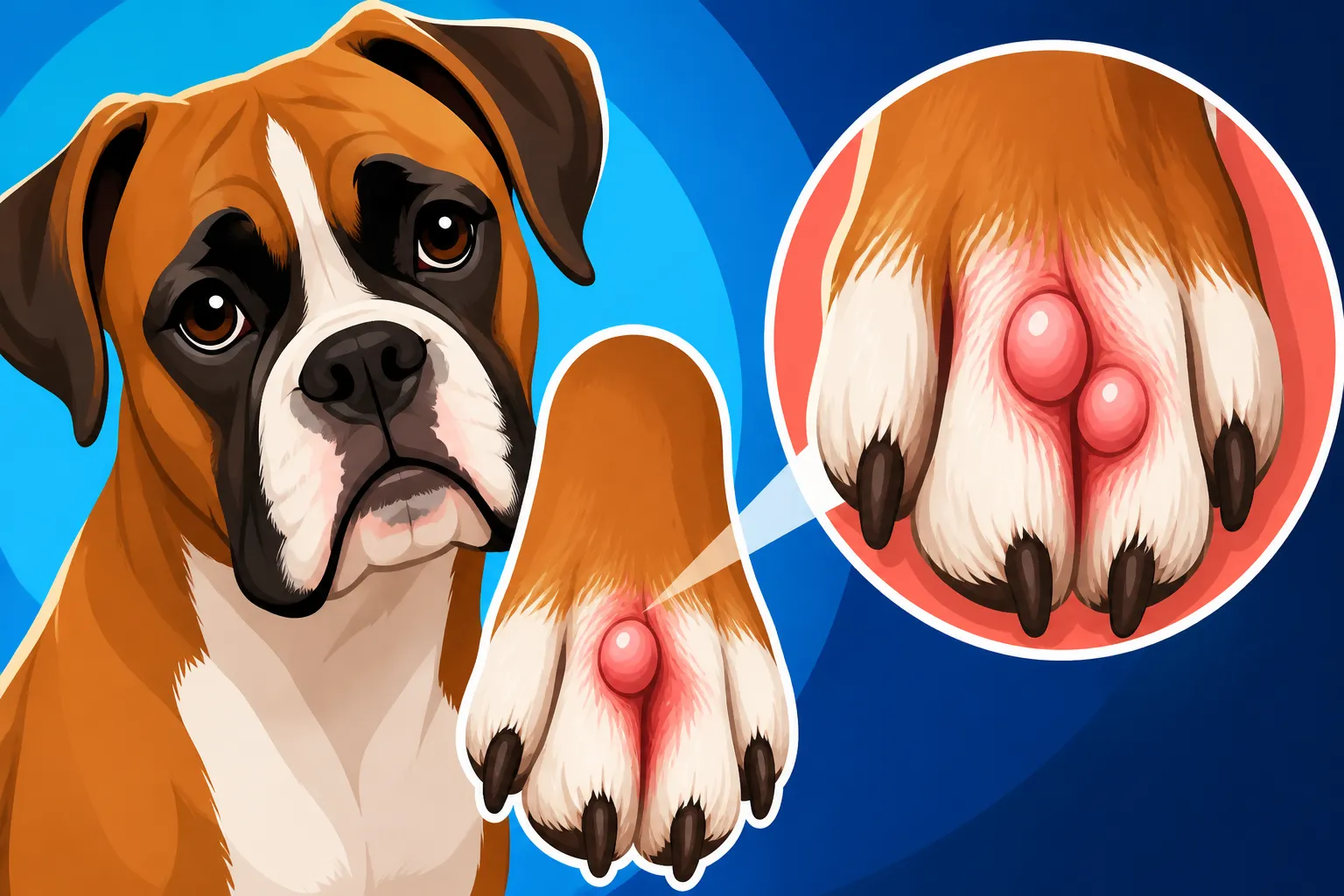
Interdigital Cysts on a Boxer’s Paw
Few things are as frustrating as watching your beloved Boxer limp, incessantly lick, or chew at their paws, especially when you can’t quite pinpoint the problem. You check for thorns, tiny cuts, or even broken nails, but sometimes the culprit is a hidden, angry little lump that flares up between their toes. These seemingly innocuous bumps can actually be a painful condition known as interdigital cysts or furuncles. This comprehensive guide will delve deep into understanding these common Boxer ailments, helping you identify, manage, and hopefully prevent them for your furry family member.
What Exactly Are Interdigital Cysts on a Boxer's Paw?
When we talk about interdigital cysts, we're really referring to a type of furunculosis that occurs in a very specific, sensitive area: between your Boxer's toes. These aren't your run-of-the-mill cysts filled with fluid; they're essentially deep bacterial infections that stem from an inflamed or ruptured hair follicle. Imagine an ingrown hair, but on a much more painful and persistent scale, exacerbated by the constant pressure and moisture found in the interdigital spaces.
Understanding the Anatomy of a Boxer's Paw
A Boxer's paw is a marvel of engineering, built for agility and power, but it also has some characteristics that make it uniquely susceptible to interdigital cysts. Their paws typically have short, coarse hair, and relatively deep webbing between the toes. This combination means that hair follicles are often under more friction, and when they get irritated or blocked, it's a perfect storm for inflammation. Furthermore, the constant pressure of walking and running can force debris into these sensitive areas, or even cause minor trauma to the hair follicles, leading to inflammation and subsequent infection.
Think about it: your Boxer’s paws are constantly exposed to dirt, allergens, and moisture. The tight space between their toes, with its dense hair and skin folds, creates a warm, moist environment where bacteria can thrive once a follicle is compromised. It’s not just a surface issue; these infections go deep into the dermis, causing significant pain and discomfort, often leading to a cycle of licking, chewing, and further irritation.
Differentiating Cysts from Other Paw Lumps
It’s easy to panic when you find any lump on your Boxer, and paw lumps can be particularly alarming because they directly affect mobility. While interdigital cysts have a distinct presentation, it’s crucial to understand they can be mistaken for other, sometimes more serious, conditions. A typical interdigital cyst often appears as a firm, red, swollen nodule between the toes, sometimes with a central pore or opening from which pus or blood might discharge. They can be incredibly tender to the touch, and your Boxer will definitely let you know it hurts!
However, your Boxer's paw can also develop other types of lumps. You might encounter benign growths like warts or fatty lumps, though these are less common in the interdigital area. More concerning possibilities include foreign body reactions (like a embedded splinter or foxtail), abscesses from a puncture wound, or even various types of tumors. This is why a proper veterinary diagnosis is non-negotiable. While the general advice for Finding a Lump on a Boxer Early on a Boxer is crucial, paw lumps require special attention due to the unique environment. A vet can differentiate these by examining the lump, checking for discharge, and potentially performing a needle aspirate or biopsy to rule out more serious conditions like certain tumors that are unfortunately too common in our beloved Boxers.
Why Boxers Are Prone to These Pesky Paw Problems
It often feels like Boxers draw the short straw when it comes to certain health issues, and interdigital cysts are definitely on that list. It's not just bad luck; there are genuine physiological and genetic reasons why our blocky-headed pals are so susceptible to these irritating paw problems.
Genetic and Breed-Specific Predispositions
The Boxer’s distinctive coat and paw structure play a huge role. They have short, stiff hair that, while beautiful, can easily become ingrown or damaged at the follicle level. Combine this with the deep interdigital webbing and dense skin between their toes, and you've got a recipe for trouble. These tight spaces, often under pressure from walking and running, create an environment where hair follicles are easily traumatized. Once a follicle is damaged, it becomes a gateway for bacteria, leading to the deep, painful infection we know as a furuncle.
Furthermore, Boxers are known for having somewhat sensitive skin in general. This breed can be prone to various dermatological issues, from allergies to demodectic mange, which can further predispose them to developing these cysts. Some veterinary dermatologists even suggest a genetic component in Boxers and other short-coated breeds for this specific type of furunculosis, implying an inherent weakness in the integrity of their hair follicles or a tendency for exaggerated inflammatory responses. It’s a frustrating reality for Boxer owners, but understanding this predisposition helps us be more vigilant and proactive.
Environmental and Lifestyle Triggers
While genetics load the gun, environmental and lifestyle factors often pull the trigger. Our Boxers are active, curious dogs, and their paws bear the brunt of their adventures. Walking on rough surfaces like gravel, asphalt, or even abrasive carpets can cause micro-traumas to the paw pads and hair follicles between the toes. Similarly, prolonged exposure to moisture – think muddy walks, swimming, or simply not thoroughly drying paws after a wet outing – creates an ideal breeding ground for bacteria and yeast, which can quickly take advantage of any follicular damage.
Allergies are another huge factor. Boxers are frequently affected by environmental allergies (atopy) or food sensitivities, which often manifest as itchy skin. An itchy Boxer will lick and chew at their paws incessantly, introducing bacteria from their mouth and further irritating the delicate skin and hair follicles. This self-trauma can turn a minor irritation into a full-blown interdigital cyst very quickly. Even something like demodectic mange can weaken the skin's barrier, making it easier for infections to take hold. It's a vicious cycle where an underlying itch leads to licking, which leads to inflammation and infection, perpetuating the cycle of discomfort.
Recognizing the Signs and Symptoms
Catching interdigital cysts early is key to quicker, less invasive treatment and minimizing your Boxer’s discomfort. As attentive owners, knowing what to look for can make all the difference.
Early Warning Signs to Watch For
The very first signs of an interdigital cyst are often subtle and can easily be missed if you’re not regularly inspecting your Boxer’s paws. You might notice an increase in paw licking or chewing, seemingly out of nowhere. Your Boxer might favor a particular paw, showing a slight, almost imperceptible lameness, especially after exercise. If you run your hands over their paws, you might feel a small, firm bump between the toes that wasn’t there before. The skin in the affected area might appear slightly redder or more inflamed than usual.
It's a good habit to incorporate paw inspections as part of your weekly routine, paying close attention to the spaces between their toes. Gently spread their toes apart and look for any redness, swelling, or small, pimple-like lesions. Even if they don't seem bothered yet, an early visual inspection can alert you to a developing issue before it becomes painful and deeply infected. Think of it like catching a splinter before it has a chance to fester – addressing it promptly can prevent a much bigger problem down the line.
Advanced Stages and Secondary Infections
If left unchecked, those subtle early signs can rapidly progress into a much more painful and noticeable problem. As the infection deepens, the cyst will grow larger, becoming even redder, more swollen, and exquisitely painful. Your Boxer's lameness will become much more pronounced; they might outright refuse to put weight on the affected paw. You might see a visible opening in the cyst from which pus, blood, or a serous fluid oozes. The area around the cyst might feel hot to the touch.
At this stage, secondary bacterial infections are almost a given. The skin barrier is compromised, and the constant moisture and self-trauma from licking create a perfect environment for opportunistic bacteria to multiply. This can lead to a generalized cellulitis (skin infection) of the paw, making the entire foot swollen and painful. In severe, chronic cases, these cysts can even form draining tracts or sinuses, leading to persistent discomfort and a frustrating cycle of healing and recurrence. It's a truly miserable experience for your Boxer, and if it reaches this point, a vet visit isn't just recommended, it's urgent.
Diagnosis and Treatment Options for Interdigital Cysts
When your Boxer is suffering from interdigital cysts, the path to relief starts with an accurate diagnosis from your veterinarian. These aren't issues you can effectively tackle with guesswork at home, especially given how painful they can become.
The Veterinary Examination and Diagnostic Tools
When you bring your Boxer in for a suspected interdigital cyst, your vet will perform a thorough physical examination, paying very close attention to the affected paw. They'll gently palpate the area, assess the degree of lameness, and look for any discharge or visible lesions. Often, the clinical appearance alone can give a strong indication of an interdigital furuncle. However, to confirm the diagnosis and rule out other possibilities, your vet may recommend a few diagnostic tests.
A cytology, which involves taking a small sample of the pus or discharge with a needle and examining it under a microscope, is common. This helps identify the type of bacteria present and differentiate it from conditions like demodectic mange or other types of skin inflammation. In some cases, a bacterial culture and sensitivity test might be performed to determine the most effective antibiotic. For persistent or unusual lumps, a biopsy might be necessary to definitively rule out other issues, including various tumors that can affect Boxers, which can sometimes appear as lumps. While less common for typical cysts, it's a vital step if there's any doubt, ensuring you're not missing something more serious that might mimic a cyst.
Medical Management and Home Care Strategies
For most interdigital cysts, medical management is the first line of attack. This typically involves a multi-pronged approach to reduce inflammation, combat infection, and alleviate pain. Your vet will likely prescribe oral antibiotics, often for an extended period (several weeks), to address the deep bacterial infection. Anti-inflammatory medications, such as NSAIDs, will help reduce swelling and pain, making your Boxer much more comfortable. Sometimes, topical antibiotic ointments or medicated sprays are also recommended to complement the oral treatment.
At home, you'll be crucial in their recovery. Regular paw soaks using warm water and Epsom salts or a dilute chlorhexidine solution can help draw out infection, clean the area, and promote healing. It’s important to keep the paw clean and dry between soaks. Your vet might also recommend a protective bootie to prevent your Boxer from licking and chewing, which only exacerbates the problem. Remember, these treatments can add up, especially if the condition is recurring. Having pet insurance, like a plan from Healthy Paws, can be a real lifeline here, helping to cover the costs of diagnostics, medications, and repeated vet visits, giving you peace of mind to pursue the best possible care for your Boxer.
When Surgery Becomes Necessary
While most interdigital cysts respond well to medical management, there are times when surgery becomes the most effective, or even necessary, treatment option. This usually happens in cases of chronic, recurrent cysts that don't seem to clear up with antibiotics and anti-inflammatories, or when the cysts are particularly large, deep, or have developed extensive draining tracts. Surgical options might include simple excision of the cyst, cryotherapy (freezing the affected tissue), or laser ablation. The goal is to remove the diseased tissue entirely and provide a clean slate for healing.
In some severe, chronic cases, particularly those where multiple cysts affect a paw, a more extensive surgical procedure called podoplasty might be considered. This involves removing the affected skin and fusing the paw pads to eliminate the deep interdigital pockets where cysts form. While a more drastic measure, it can be life-changing for Boxers suffering from relentless, painful recurrences. Recovery from surgery involves pain management, wound care, and restricted activity, and it can take several weeks. These procedures can be quite costly, often involving specialist veterinary surgeons. This is where pet insurance truly shines, as a comprehensive policy from providers like Healthy Paws can significantly mitigate the financial burden of such extensive care, allowing you to prioritize your Boxer’s well-being without undue stress. For more on the financial aspects, consider reading about What a Boxer Lump Removal Costs.
Preventing Future Interdigital Cysts in Your Boxer
An ounce of prevention is worth a pound of cure, especially when it comes to the recurring misery of interdigital cysts. While Boxers have a predisposition, there’s a lot we can do as owners to reduce the risk.
Maintaining Excellent Paw Hygiene
One of the simplest yet most effective preventative measures is diligent paw hygiene. Make it a routine to inspect your Boxer's paws daily, especially after walks, runs, or any time they’ve been in wet or dirty environments. Gently spread their toes apart, looking for any debris, foreign bodies, redness, or swelling. Promptly remove any mud, dirt, or small stones. After baths or swims, make sure to thoroughly dry the spaces between their toes. Moisture is a prime culprit in creating the conditions for bacterial growth and skin irritation.
Consider a gentle paw wash or wipe with a pet-safe antiseptic solution, especially if your Boxer is prone to skin issues or has been exposed to potential allergens. This helps keep the bacterial and yeast populations on their skin in check. Regularly trim the hair between their paw pads – carefully! – to reduce moisture retention and improve air circulation. This can be a tricky task, so if you're unsure, ask your vet or a professional groomer for assistance. Consistent care, as detailed in The Weekly Skin Check Every Boxer Needs, is key to keeping those paws healthy.
Dietary Considerations and Allergen Management
Given that many Boxers have sensitive skin, addressing potential allergies through diet and environmental management can significantly reduce the risk of interdigital cysts. If your Boxer is frequently licking their paws, or shows other signs of itchiness like ear infections or skin rashes, discuss allergy testing or an elimination diet with your vet. Food allergies or sensitivities often manifest as skin problems, and a specialized diet might be necessary. Some Boxers thrive on novel protein diets or those formulated for sensitive stomachs, as discussed in Eight Weeks of One Protein for an Itchy Boxer.
Supplementing their diet with omega-3 fatty acids, such as fish oil, can also promote healthy skin and a stronger skin barrier, making them less susceptible to inflammation and infection. Reducing exposure to environmental allergens, if identified, can also make a big difference. This might involve more frequent bathing with a hypoallergenic shampoo to remove pollens, using air purifiers, or even protective booties during walks in highly allergenic areas. The goal is to minimize the itch-scratch-lick cycle that often initiates these cysts.
Minimizing Environmental Triggers
Beyond hygiene and diet, actively minimizing environmental triggers is crucial for prevention. Try to avoid walking your Boxer on excessively rough terrain like coarse gravel or sharp pavement, especially during long periods, as this can cause micro-traumas to their paw pads and interdigital skin. While Boxers love to play, rough surfaces can contribute to issues that might require a visit to the vet, and even a well-structured pet insurance policy from Healthy Paws won't cover pre-existing conditions if the damage is already done.
During hot weather, be mindful of Paw Pad Care for a Boxer on Hot Pavement as hot surfaces can damage paw pads, making them more vulnerable. If your Boxer is a keen swimmer, ensure their paws are thoroughly dried after each dip. For Boxers in colder climates, protecting their paws from ice melts and salt is also important. If you live in an area with foxtails or other irritating plant awns, vigilant checking and even protective paw boots during certain seasons can prevent foreign bodies from embedding and causing problems. Thoughtful management of their environment directly translates to healthier paws and a happier Boxer, potentially saving you from future vet bills and your Boxer from recurring pain.
| Cause Category | Specific Triggers | Preventative Measures |
|---|---|---|
| Anatomical | Deep webbing, short stiff hairs, tight interdigital spaces | Regular paw inspections, careful trimming of interdigital hair, ensuring thorough drying after wetness. |
| Environmental | Rough terrain, irritants (salt, chemicals), moisture, foreign bodies | Choose softer walking surfaces, wipe paws after walks, dry thoroughly, use paw balm for protection, check for foreign bodies. |
| Allergic/Skin | Food allergies, environmental allergies (atopy), sensitive skin, excessive licking | Work with vet to identify/manage allergies, hypoallergenic diet, omega-3 supplements, use Elizabethan collar if licking is compulsive. |
| Trauma | Minor cuts, scrapes, blunt force from activity | Avoid overly rough play on abrasive surfaces, ensure proper nail length, check paws after intense exercise. |
Disclaimer
This article is for general informational purposes only and does not constitute professional advice. Laws, prices and regulations vary by location and change over time. Consult a qualified professional for guidance on your specific situation.