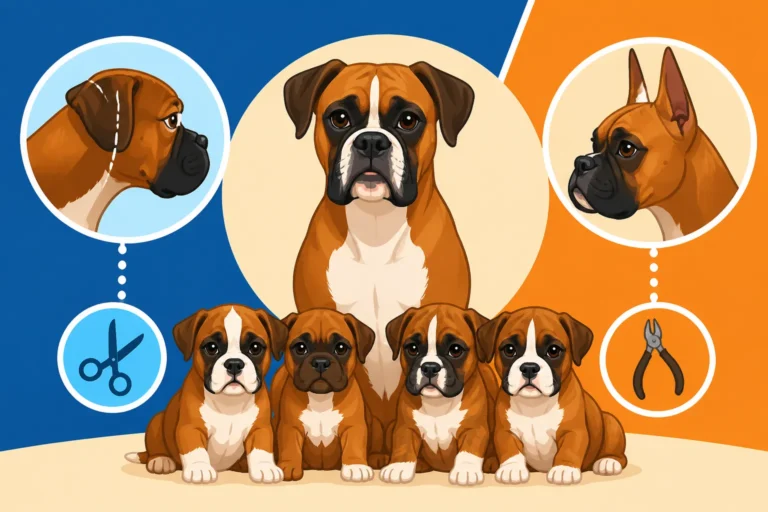
Boxer Ear Cropping Costs and Where It Is Regulated
Bringing a Boxer puppy home is an incredibly exciting time, full of wiggles, playful antics, and boundless love. But for many prospective and new owners, there's a significant decision that often comes with a hefty price tag and a maze of regulations: ear cropping. It's a choice that stirs passionate debate, leaves many feeling confused about legality, and adds unexpected costs to the already substantial expense of a new companion. This guide aims to clear up the confusion around Boxer ear cropping costs and the varying regulations you'll encounter, helping you make the most informed decision for your beloved Boxer.
Understanding Boxer Ear Cropping: Tradition, Aesthetics, and Modern Debate
The practice of ear cropping in Boxers, and indeed many other breeds, is deeply rooted in history and has evolved significantly over time. It's a topic that brings up strong opinions, balancing centuries of tradition with growing modern animal welfare concerns. For a new Boxer owner, understanding this background is key to appreciating why the conversation about cropping is so complex.
The Historical Roots and Original Purpose
When Boxers were first developed in Germany in the late 19th century, they were bred as working dogs. Their ancestors, the Bullenbeisser, were formidable hunting dogs, used to catch and hold large prey like wild boar and bear. In this context, short, cropped ears served a practical purpose. Long, floppy ears could be easily torn or bitten during a hunt, leading to painful injuries and infections. Cropping the ears reduced this risk, protecting the dog during its dangerous work.
Beyond hunting, Boxers also served as cattle dogs, guarding and driving livestock, and later, as police and military dogs. In these roles, an intact ear could still be a vulnerability in a confrontation or accident. The cropped ear was seen as a functional necessity for a dog whose job put it in harm's way. It wasn't about aesthetics back then; it was about the dog's ability to perform its duties without unnecessary injury. This historical context is often cited by proponents who view cropping as preserving a part of the breed's heritage and function, even if the modern Boxer rarely faces these specific dangers.
Aesthetic Preferences and Breed Standard Influence
As Boxers transitioned from purely working roles to companion animals and show dogs, the cropped ear began to take on an aesthetic significance. The tall, erect ears became an integral part of the "classic Boxer look"—a sleek, powerful, and alert appearance that many enthusiasts came to identify with the breed. The American Kennel Club (AKC) breed standard for Boxers, for instance, still describes the desired cropped ear shape, detailing the length and carriage that judges look for in the show ring. This creates a strong incentive for breeders and owners involved in conformation showing to continue the practice, as an uncropped Boxer might be at a disadvantage in competition, even if natural ears are permitted.
Many owners who choose to crop their Boxer's ears do so purely for this traditional appearance. They might love the regal, alert expression it gives the dog, or they simply want their Boxer to look "like a Boxer" as they've always envisioned it. The desire to conform to a long-established image, often perpetuated in popular media and by breed clubs, plays a huge role in the ongoing prevalence of cropping, despite the evolving debate around its necessity. The argument here is often about preserving the visual identity of the breed, a physical trait that has become synonymous with the Boxer name over generations. It’s not just about the look; for some, it’s about honoring the breed's visual legacy.
The Ethical Dilemma and Welfare Concerns
In stark contrast to historical utility and aesthetic preference, a significant and growing movement views ear cropping as an unnecessary cosmetic surgery that inflicts pain and discomfort on an animal for human preference. Animal welfare organizations, many veterinary associations, and a large segment of the public argue that cropping is a purely elective procedure with no medical benefit to the dog. They highlight the pain associated with the surgery itself, the prolonged and often uncomfortable recovery period involving taping and splinting, and the potential for complications like infection or poor healing.
Critics emphasize that dogs use their ears for communication, both with humans and other dogs. The natural ear carriage can convey subtle cues about a dog's mood, intent, and attention. Removing part of the ear and altering its natural movement could, in theory, impair this form of communication, though the extent of this impact is debated. The ethical argument centers on the idea that animals should not undergo painful, non-therapeutic procedures simply for a human aesthetic preference, especially when the risks involved are not insignificant. This shift in public and veterinary opinion has led to legislative changes in many parts of the world, a topic we'll delve into shortly.
The Financial Aspect: What Ear Cropping Actually Costs
Deciding whether to crop your Boxer's ears isn't just an ethical or aesthetic choice; it's also a financial one. The cost can be substantial and varies widely, making it a critical consideration for any prospective Boxer owner. It's not just the upfront surgery fee, but a whole package of expenses that can easily add up, turning an initial estimate into a much larger bill.
Factors Influencing the Price Tag
The price you'll pay for Boxer ear cropping is far from a fixed number. Several key factors contribute to the wide range of costs:
- Veterinarian's Experience and Reputation: This is perhaps the biggest factor. A highly experienced veterinarian, particularly one known for excellent cosmetic cropping results on Boxers and other breeds, will command higher fees. They are often sought after for their "artistic eye" and precision, which can make a huge difference in the final aesthetic outcome. Less experienced vets might charge less, but the results could be less predictable.
- Geographic Location: Just like most services, veterinary costs, including cropping, vary significantly by region. Major metropolitan areas or regions with a higher cost of living generally have higher prices than rural areas. For example, a vet in California or New York might charge considerably more than one in a smaller town in the Midwest.
- Age of the Puppy: Ear cropping is typically performed on puppies between 8 and 12 weeks of age. The younger the puppy, the simpler the procedure generally is, and the less anesthesia may be needed. Cropping an older puppy, while sometimes possible, can be more complex and costly due to larger ear size and cartilage development, and the aftercare period for taping tends to be longer.
- Included Aftercare Package: Some vets include a comprehensive aftercare package in the initial fee, covering multiple re-taping appointments, pain medication, and follow-up checks. Others might charge separately for each of these services. A package deal, while appearing more expensive upfront, can often be more cost-effective than paying for each visit individually over several months.
- Clinic Amenities and Technology: A clinic with state-of-the-art surgical equipment, advanced anesthetic monitoring, and dedicated recovery suites might have higher overheads, which are reflected in their pricing.
Breaking Down the Typical Costs
When you're budgeting for ear cropping, think beyond just the surgery. It's a multi-stage process with associated expenses at each step. Here’s a breakdown of what you can expect:
- Initial Consultation and Exam: Before any surgery, your puppy will need a thorough examination to ensure they are healthy enough for anesthesia and the procedure. This might include pre-surgical blood work to check organ function and blood clotting abilities, which is crucial for a flat-faced breed like the Boxer due to Anesthesia Risk in a Flat-Faced Boxer. This initial visit alone can range from $50 to $200.
- The Surgery Itself (including Anesthesia): This is the core cost. It covers the veterinarian's surgical fee, the cost of anesthesia, monitoring during the procedure, and immediate post-operative care. This is where you see the widest variation, typically ranging from $300 to $800, but can go up to $1,000 or even more for highly specialized vets in high-cost areas.
- Pain Medication: Post-surgical pain management is vital. Your vet will prescribe oral pain medication and possibly anti-inflammatories for your puppy to take at home for several days after the surgery. This usually adds $30 to $100 to the bill.
- Post-Operative Supplies: You'll need an Elizabethan collar (e-collar) to prevent your puppy from scratching or bothering their ears during the initial healing phase. This might be provided by the vet or you'll need to purchase one (around $15-$40).
- Follow-Up Taping and Care: This is the longest and most variable part of the cost. After the initial bandages come off, the ears need to be taped and re-taped for weeks, sometimes months, to train them to stand erect. Each taping session, done by the vet or their trained technicians, can cost $30 to $70. A Boxer typically needs multiple tapings over a period of 2 to 6 months, potentially adding hundreds of dollars. If you live far from the vet, consider travel costs too. Some vets teach owners how to do simple tapings at home, but initial professional sessions are crucial.
- Potential Complications: While not a guaranteed cost, it’s important to budget for the possibility of complications. Infections, sutures coming undone, or ears failing to stand might require additional vet visits, medication, or even further surgical intervention, significantly increasing the total expense.
Considering all these elements, the total cost for ear cropping a Boxer, from consultation to the ears standing properly, can easily range from $500 to $1,500, and in some cases, even higher. This illustrates why it's so important to get a detailed quote from your chosen vet.
Here's a generalized table to give you an idea of typical costs:
| Item | Estimated Cost Range (USD) | Notes |
|---|---|---|
| Initial Exam & Pre-Op Blood Work | $50 – $200 | Essential to ensure puppy is healthy for surgery. |
| Surgical Procedure & Anesthesia | $300 – $1,000+ | Varies widely based on vet's experience and location. |
| Post-Op Pain Medication | $30 – $100 | Oral meds for home use. |
| Elizabethan Collar (E-Collar) | $15 – $40 | Prevents puppy from irritating surgical site. |
| Aftercare Taping Sessions (each) | $30 – $70 | Multiple sessions over several months are usually required (e.g., 5-10 sessions = $150 – $700). |
| Total Estimated Cost | $500 – $2,000+ | This is a broad range; always get a specific quote. |
Comparing Costs: Vet vs. Specialist
When seeking a veterinarian to perform an ear crop, you'll encounter different levels of expertise and, consequently, different price points.
- General Practice Veterinarians: Some general vets offer ear cropping as part of their services. Their prices might be on the lower end of the spectrum. However, not all general practitioners have extensive experience or a particular "knack" for cosmetic cropping, which requires a good eye for symmetry and breed-specific aesthetics. It’s crucial to ask to see photos of their previous work on Boxers and inquire about their specific experience.
- Specialist or Cosmetic Veterinarians: In many regions, there are veterinarians who specialize in "cosmetic surgery" or have developed a reputation specifically for high-quality ear cropping. These specialists often have dedicated practices, advanced equipment, and refined techniques that yield superior aesthetic results. Naturally, their fees will be at the higher end, reflecting their expertise and demand. If the aesthetic outcome is a primary concern, seeking out such a specialist might be worthwhile, but be prepared for the increased cost. They might also offer more comprehensive aftercare support or innovative taping methods. You can sometimes find these specialists through breed club recommendations or by asking reputable Boxer breeders.
Choosing a vet should never solely be about the cheapest price. The health and well-being of your puppy, as well as the quality of the aesthetic outcome if you choose to crop, should be paramount. Always prioritize a licensed, experienced veterinarian who prioritizes pain management and responsible aftercare.
Navigating Regulations: Where Ear Cropping Is Legal (And Where It Isn't)
The legality of ear cropping is a patchwork of rules that vary dramatically from country to country, and even from state to state within the United States. This can be a source of significant confusion for Boxer owners, particularly if they move or are considering purchasing a puppy from a different region.
Federal and State Laws in the United States
In the United States, there is no federal ban on ear cropping. This means that the legality of the procedure falls under state and sometimes local jurisdiction. The situation is constantly evolving, with ongoing debates and legislative efforts.
As of recent information, the vast majority of U.S. states permit ear cropping, though some impose specific restrictions:
- States with Restrictions: A handful of states have specific regulations or outright bans. For example:
- Maryland: Veterinarians are prohibited from performing ear crops unless medically necessary. This effectively bans cosmetic cropping within the state.
- Pennsylvania: Ear cropping is generally legal but must be performed by a licensed veterinarian. There are also specific requirements regarding anesthesia and pain management.
- New York: While not an outright ban, there are strong regulations regarding animal cruelty that can be applied to elective cosmetic surgeries like cropping, making some vets hesitant to perform them. Bills have been proposed to ban the practice.
- New Hampshire: Similarly, while not fully banned, there are ongoing legislative attempts to restrict or prohibit the practice.
- Rhode Island: Has regulations on who can perform the procedure and under what conditions.
- Vermont and Connecticut: Have had legislation proposed to ban or restrict cropping.
It's crucial to understand that even if a state allows the procedure, individual veterinarians or veterinary clinics may choose not to offer it due to ethical concerns or a lack of specialized training. This means that even in a state where it's legal, finding a vet willing and competent to perform the procedure can be challenging.
Before making any decisions, it is absolutely essential to research the current laws in your specific state and municipality. These laws can change, and what was legal last year might not be this year. Reputable Boxer breeders and local Boxer clubs can often provide up-to-date information on the legal landscape in your area, but always verify with local authorities or a licensed veterinarian.
International Regulations and Bans
Stepping outside the United States, the picture changes dramatically. Many countries, particularly in Europe, Australia, and New Zealand, have long-standing bans on cosmetic ear cropping, viewing it as an unnecessary mutilation.
- Europe: Most European countries, including the United Kingdom, France, Germany (the Boxer's country of origin!), Belgium, Norway, Sweden, and Switzerland, have outright bans on ear cropping. These bans are often part of broader animal welfare legislation and prohibit both the performance of the surgery and, in some cases, the import of dogs with newly cropped ears. If you live in or plan to move to one of these countries, be aware that your cropped Boxer might face scrutiny or even restrictions on entry, especially if the crop was performed recently.
- Australia and New Zealand: These countries also have comprehensive bans on ear cropping, along with tail docking and other cosmetic surgeries.
- Canada: While not universally banned, some Canadian provinces have banned the practice, and it is a topic of ongoing debate across the country. The Canadian Veterinary Medical Association (CVMA) discourages it.
These international bans reflect a strong cultural and ethical shift towards prioritizing animal welfare over traditional aesthetics. For anyone considering breeding or showing Boxers internationally, understanding these regulations is paramount, as they can directly impact a dog's eligibility for entry into certain countries or competitions.
Professional Veterinary Association Stances
Beyond legal statutes, the professional stance of veterinary organizations plays a significant role in shaping opinions and practices.
- American Veterinary Medical Association (AVMA): The AVMA, a leading professional organization for veterinarians in the U.S., states that it "opposes ear cropping and tail docking of dogs when done for cosmetic purposes." They categorize these procedures as medically unnecessary and advocate for their elimination. While they don't have the authority to ban the practice, their stance strongly influences veterinary education, ethical guidelines, and public perception within the profession.
- Canadian Veterinary Medical Association (CVMA): The CVMA position is similar to the AVMA's, explicitly opposing cosmetic ear cropping and tail docking.
- British Veterinary Association (BVA) and other European bodies: These organizations have long been staunch opponents of cosmetic cropping, actively lobbying for and supporting legislative bans. Their positions are much stronger, as bans are already in place in their respective regions.
The consistent message from these major veterinary bodies is that, in the absence of a medical necessity, ear cropping is an elective procedure that poses risks and pain to the animal without providing any health benefits. This professional consensus is a powerful force driving the shift away from cosmetic cropping globally.
The Procedure Itself: What to Expect for Your Boxer Puppy
If you decide to proceed with ear cropping for your Boxer, understanding the actual procedure and the commitment it entails is vital. It's not a quick fix; it's a surgical process followed by a lengthy and diligent aftercare period.
Timing and Preparation
The timing of ear cropping is critical for both the puppy's well-being and the success of the procedure.
- Ideal Age: Ear cropping is almost exclusively performed on puppies between 8 to 12 weeks of age. At this stage, the ear cartilage is still soft and pliable, making it easier to shape and allowing for better healing. The puppy's immune system is also developing, and they are typically past the initial vaccination series. Cropping an older puppy (past 14-16 weeks) is generally discouraged because the cartilage becomes firmer, making the surgery more difficult, more painful, and the chances of the ears standing properly significantly decrease.
- Pre-Surgical Health Check: Before the surgery, your puppy will undergo a thorough veterinary examination. This is to ensure they are in optimal health, free from any illnesses, and strong enough to withstand anesthesia and surgery. The vet will likely recommend pre-surgical blood tests to check for underlying health issues, especially important for Boxers due to their breed-specific health concerns, such as Subaortic Stenosis in a Boxer Puppy or other cardiac issues that could increase anesthetic risk. These checks are non-negotiable for responsible vets.
- Fasting Instructions: You'll receive specific instructions about withholding food and water before the surgery to prevent complications related to anesthesia, such as aspiration.
The Surgical Process
On the day of the surgery, your puppy will be admitted to the veterinary clinic.
- Anesthesia: The puppy will be placed under general anesthesia. Modern veterinary practices utilize advanced anesthetic agents and monitoring equipment to ensure the puppy's safety throughout the procedure. Heart rate, respiratory rate, blood pressure, and oxygen saturation will be carefully monitored. For a brachycephalic (flat-faced) breed like the Boxer, anesthesia always carries a slightly higher risk due to their unique airway anatomy, making careful monitoring even more crucial.
- The Cropping: Once the puppy is fully anesthetized, the veterinarian will carefully measure and cut a portion of the ear flap according to the desired style and the Boxer breed standard. This is where the "artistic eye" of an experienced cropping vet comes into play, aiming for symmetry and a pleasing, natural-looking erect ear shape. The edges of the remaining ear are then sutured.
- Pain Management: Crucially, pain management doesn't start and end with surgery. The vet will administer pain medication during the procedure and often send the puppy home with oral pain relief. This ensures the puppy is as comfortable as possible during the immediate recovery phase. They may also apply a topical anesthetic or nerve block.
- Bandaging: After the surgery, the ears are typically bandaged securely to protect the incision sites, reduce swelling, and begin the healing process. These initial bandages are usually left on for about a week.
Post-Operative Care and Taping
This is arguably the most critical and demanding part of the entire ear cropping process, requiring significant owner commitment over several weeks to months.
- Immediate Recovery: Your puppy will likely be groggy after anesthesia. You'll need to keep them quiet and comfortable, monitoring for any signs of excessive pain, swelling, or discharge from the ears. The e-collar is essential during this time to prevent the puppy from disturbing the surgical sites.
- First Bandage Removal: After about 7-10 days, you'll return to the vet to have the initial bandages removed and the sutures taken out. The vet will assess the healing and likely apply the first set of "posting" or "taping" to begin training the ears to stand.
- The Taping Process: This is where the long-term commitment really begins. The ears are cleaned, and then carefully taped or "posted" onto a supportive material (often foam, cardboard, or plastic dowels) to hold them in an erect position. This process needs to be done meticulously to avoid irritation, pressure sores, or hindering blood flow. These postings are typically left on for about a week or two, then removed, the ears cleaned and allowed to air out for a short period, and then re-posted.
- Duration of Taping: The duration varies greatly from Boxer to Boxer, depending on the individual puppy's ear cartilage, the quality of the crop, and the diligence of the owner. It can range anywhere from 2 months to 6 months, or even longer in some cases, especially if ears are particularly stubborn or if the crop was done on an older puppy. Consistent and correct taping is paramount. If ears are not taped properly or consistently, they may never stand correctly, resulting in "floppy" or "half-standing" ears, requiring additional intervention or simply remaining un-erect.
- Owner's Role: Many vets will teach owners how to perform the taping at home after the initial professional sessions. This can save money on vet visits but requires a great deal of patience, practice, and confidence. It's a significant commitment of time and effort every week for many months. This crucial aftercare stage is often overlooked when owners initially consider cropping, but it truly makes or breaks the success of the procedure.
Making an Informed Decision: Pros and Cons Beyond the Price
The decision to crop a Boxer's ears is a deeply personal one, often fraught with conflicting emotions and information. It's essential to weigh the various arguments carefully, considering not just the financial and legal aspects, but the welfare of your dog and your own long-term commitment.
Arguments for Cropping
Proponents of ear cropping often put forth several arguments, most of which are rooted in tradition, aesthetics, or perceived functional benefits.
- Preserving Breed Type and Aesthetics: This is, without a doubt, the most common reason cited. For many, the cropped ear is the quintessential Boxer look—alert, noble, and powerful. They believe it completes the dog's appearance as intended by the breed's founders and as described in many breed standards, including the AKC's The Boxer the Breed Standard Describes. Without cropped ears, some feel the Boxer loses a part of its distinctive identity.
- Maintaining Breed Standard for Show: For those involved in conformation showing, cropping can be seen as a necessity to remain competitive. While natural ears are technically allowed in the show ring, judges often have a preference for the traditional cropped look, which can influence a dog's placement. This pressure can make owners feel compelled to crop if they aspire to show their Boxer.
- Perceived Health/Hygiene Benefits (Debated): Historically, some argue that cropped ears are less prone to ear infections because they allow for better airflow and prevent moisture and debris from getting trapped in the ear canal. However, veterinary science largely refutes this. Studies have not conclusively shown that cropped ears have a lower incidence of infection compared to natural ears, especially in breeds like Boxers that typically have relatively open ear canals even with natural ears. Proper hygiene for natural ears, such as regular cleaning, is generally sufficient. It's also worth noting that cropped ears can still get infections, particularly during the healing and taping process if not cared for meticulously.
- Reduced Injury Risk (Historical Context): As mentioned earlier, in the Boxer's historical working roles, cropped ears reduced the risk of tears and bites. While modern companion Boxers rarely face such dangers, some owners might still hold onto this belief, especially if their dog is involved in strenuous outdoor activities or dog sports.
Arguments Against Cropping
The arguments against ear cropping are primarily centered on animal welfare, ethics, and the evolving understanding of canine needs.
- Unnecessary Pain and Discomfort: The most significant argument is that ear cropping is a painful, elective surgery that provides no medical benefit to the dog. Puppies undergo anesthesia, surgical pain, and then a prolonged period of recovery and taping that can be uncomfortable, itchy, and restrictive. Even with excellent pain management, it's an ordeal for a young puppy.
- Risks of Anesthesia and Surgery: Any surgical procedure carries risks, including adverse reactions to anesthesia, hemorrhage, and infection. While generally safe in healthy puppies, these risks are present and are considered unnecessary when the surgery is purely cosmetic.
- Potential for Complications: Beyond surgical risks, the healing and taping process can lead to complications such as infection of the incision sites, scarring, necrosis (tissue death) if taping is too tight, pressure sores, and allergic reactions to taping materials. Ears might also fail to stand, requiring further intervention or leaving the dog with an uneven or undesirable look.
- Impact on Communication: Dogs communicate extensively through body language, and their ears play a role in conveying mood, intentions, and reactions. Some argue that altering the natural ear carriage could impair a Boxer's ability to communicate effectively with other dogs and with humans, potentially leading to misunderstandings or altered social interactions.
- Ethical Objections from Veterinary Community and Public: A growing number of veterinarians, animal welfare organizations, and the general public view ear cropping as a cruel and outdated practice. They argue that altering an animal's body for aesthetic human preference is unethical, especially when it involves pain and risk. This shift in ethics has led to widespread bans in many countries and decreasing acceptance in others.
- Financial and Time Commitment: As detailed in the cost section, cropping is an expensive procedure, and the aftercare demands a significant time commitment, often spanning several months. This financial and time burden is considered unnecessary if the procedure is purely cosmetic.
Living with Natural Ears
Choosing not to crop your Boxer's ears is becoming increasingly common and is often seen as a compassionate choice.
- No Surgery, No Recovery: The most obvious benefit is that your puppy avoids the pain, risks, and recovery period associated with surgery and taping. They can simply be a happy, natural-eared puppy, free to play and interact without discomfort or restrictions.
- Natural Beauty: Many people find the natural, floppy ears of a Boxer to be incredibly charming and expressive. It's a look that conveys warmth and friendliness, which often aligns beautifully with the Boxer's affectionate and playful temperament. Organizations like the American Boxer Club now include images of natural-eared Boxers in their educational materials, reflecting a broader acceptance of this look.
- Reduced Costs: Opting for natural ears immediately eliminates a significant financial outlay—all the costs associated with the surgery, pain medication, and months of aftercare are avoided, which can save you well over The Yearly Bill for a Seventy-Pound Boxer.
- Simpler Puppyhood: Without the need for taping, cleaning surgical sites, and managing an e-collar, your puppy's first few months can be simpler and less stressful for both of you. You can focus on training, socialization, and enjoying their boundless energy. For instance, you can concentrate on teaching them good manners and preventing issues like Boxer Mouthing From Puppy to Adult without the added complication of ear care.
Ultimately, the decision rests with you. Educate yourself, consider the ethical implications, and weigh the pros and cons carefully. Regardless of your choice, ensure your Boxer receives the best care and love throughout their life.
Finding a Reputable Veterinarian for Ear Cropping (If You Choose It)
If, after careful consideration, you decide that ear cropping is the right choice for your Boxer, the next crucial step is finding a skilled and ethical veterinarian. This is not a procedure to entrust to just any vet or, worse, an untrained individual. The outcome impacts your Boxer's appearance, comfort, and health for life.
Qualities of an Experienced Cropping Vet
Finding the right vet is paramount. Look for these qualities:
- Extensive Experience with Boxers: This is non-negotiable. Ear cropping is not a one-size-fits-all procedure. The ideal crop shape varies by breed, and a vet experienced with Boxers will understand the specific angles, length, and proportions that suit the breed's head shape. Ask about their track record with Boxers specifically.
- Aesthetic Eye: Cropping is often described as an art as much as a science. An experienced cropping vet possesses a keen aesthetic sense, capable of visualizing the final look on your puppy and executing the cut with precision and symmetry. They should be able to show you a portfolio of their work.
- Commitment to Pain Management: An ethical vet will prioritize pain control before, during, and after the surgery. They should discuss their pain management protocols in detail, including pre-emptive pain relief, continuous monitoring, and post-operative medication.
- Comprehensive Aftercare Protocols: The surgery is only half the battle. A reputable vet will have a robust aftercare program, including detailed instructions for owners, scheduled re-taping appointments, and a willingness to troubleshoot any issues that arise during the healing and standing process. They should ideally offer ongoing support for the entire duration the ears need taping.
- Transparency and References: A good vet will be transparent about their experience, techniques, costs, and potential risks. They should be willing to provide references from other Boxer owners who have used their services, or allow you to speak with them directly.
Questions to Ask Your Potential Vet
Before committing, prepare a list of questions to ask any veterinarian you are considering:
- "How many Boxer ear crops do you perform annually, and for how long have you been doing them?" This gauges their experience specific to the breed.
- "Can you show me before-and-after photos of Boxers you have cropped?" A visual portfolio is invaluable for assessing their aesthetic results.
- "What is your protocol for pain management during and after the surgery?" Ensure they have a clear and comprehensive plan.
- "What is included in the total cost, and are there any hidden fees?" Get a detailed, itemized quote that covers everything from pre-op to the expected number of taping sessions.
- "What is your typical aftercare schedule, and how do you support owners through the taping process?" Understand the time commitment and support you'll receive.
- "What are the most common complications you've encountered, and how do you address them?" A realistic discussion of risks is a sign of an ethical practitioner.
- "Do you provide a guarantee for the ears to stand?" While no vet can 100% guarantee success (owner diligence plays a huge role), their response can reveal their confidence and support.
- "What are your recommendations for Boxer Vaccination and Sensitivity Reports prior to surgery?" This shows attention to overall puppy health.
Don't be afraid to interview several veterinarians. This is a significant decision, and you deserve to feel completely confident in your choice.
Avoiding Unethical or Inexperienced Practitioners
Unfortunately, because ear cropping is a lucrative procedure and sometimes difficult to find a vet for in certain areas, there are individuals who perform crops unethically or without proper qualifications.
- "Backyard" Croppers: Absolutely avoid anyone offering to crop ears who is not a licensed, practicing veterinarian. Unlicensed individuals, often referred to as "backyard croppers," operate without proper surgical facilities, anesthesia, sterile instruments, or pain management. This puts your puppy at extreme risk of infection, severe pain, botched results, and even death. It is illegal in many places for non-vets to perform surgery.
- Vets with Limited Experience: Even a licensed vet can have limited experience with ear cropping, especially on Boxers. A poorly executed crop can lead to lifelong issues, from aesthetic disfigurement to chronic ear problems and pain. This is why asking specific questions and seeing portfolios is so important.
- Clinics Without Proper Anesthesia Monitoring: Given the Boxer's brachycephalic nature, robust anesthetic monitoring is essential. If a clinic cannot assure you of comprehensive monitoring, including pulse oximetry, capnography, and blood pressure, seek another option.
Your Boxer puppy deserves the highest standard of care, especially for an elective procedure. Invest the time to find a truly reputable and skilled professional.
Aftercare and Long-Term Considerations
The decision to crop your Boxer's ears doesn't end when the surgery is over. In fact, that's just the beginning of a long journey of aftercare that requires immense dedication and patience from you as the owner. The success of the crop hinges almost entirely on consistent and correct aftercare.
The Commitment to Aftercare
Once your Boxer puppy comes home with their new bandages, your role as caregiver kicks into high gear. This isn't a passive process; it's an active commitment that will demand your time and attention for weeks or even months.
- Daily Checks: You'll need to check your puppy's ears daily. Look for any signs of swelling, redness, discharge, foul odor, or excessive pain. The e-collar is your best friend here, preventing your puppy from scratching or bumping their sensitive healing ears.
- Wound Care: Follow your vet's instructions precisely regarding cleaning the incision sites. This might involve gentle wiping with antiseptic solutions. Keeping the area clean is crucial to prevent infection.
- Consistent Taping Schedule: This is the most crucial part. After the initial bandages and sutures are removed (usually around 7-10 days post-op), the ears enter the "posting" phase. This involves meticulously cleaning the ears, allowing them to air out briefly, and then taping them onto support structures (like foam or plastic posts) to encourage them to stand erect. These postings need to be replaced regularly—typically every 5-7 days, or sooner if they get wet, dirty, or start to loosen.
- Patience and Persistence: Some Boxers' ears stand relatively quickly, while others are incredibly stubborn. You must be prepared for a long haul, potentially 4-6 months, or even longer. Skipping a taping session, or doing it improperly, can set back the progress significantly. Think of it like braces for teeth; consistency is key. Your vet or vet tech should guide you through this process, and many will offer to do the tapings for you for a fee, or teach you how to do them yourself.
- Managing Puppy Play: Boxer puppies are naturally boisterous and playful. You’ll need to manage their play with other dogs and even their own enthusiastic zoomies to prevent accidental bumps or damage to the taped ears. This might mean supervised play or limiting roughhousing during the critical taping period. This is also a time where proper training of good manners, especially when excited, can really pay off for Stopping a Seventy-Pound Boxer From Jumping or bumping into things.
Potential Complications and What to Watch For
Despite the best surgical care and diligent aftercare, complications can sometimes arise. Knowing what to watch for can help you address issues quickly and minimize long-term problems.
- Infection: This is a primary concern. Look for increased redness, swelling, heat, pain, or any pus-like discharge from the incision sites. A foul odor is also a strong indicator of infection. If you suspect an infection, contact your vet immediately. They may prescribe antibiotics or recommend topical treatments.
- Suture Dehiscence: Occasionally, sutures can come loose or tear, causing the incision to open. This needs immediate veterinary attention to prevent infection and ensure proper healing.
- Pressure Sores or Allergic Reactions: The taping process can sometimes cause skin irritation, redness, or even pressure sores if the tape is too tight or if the puppy has a sensitivity to the adhesive. Monitor the skin around and under the tape carefully. If you notice irritation, you might need to try different taping materials or adjust the technique. Some brands, like those found on Chewy, offer hypoallergenic tapes, but always check with your vet.
- Necrosis (Tissue Death): This is a serious but rare complication, usually caused by taping that is too tight and cuts off blood circulation. The affected tissue will look dark, cold, and eventually slough off. This requires immediate emergency veterinary care.
- Cartilage Damage: Rough handling or incorrect taping can potentially damage the delicate ear cartilage, making it difficult or impossible for the ears to stand correctly.
- Ears Not Standing (Floppy Ears): This is the most common "failure" and often the biggest disappointment for owners who choose to crop. If, after months of consistent taping, the ears remain floppy or uneven, it can be frustrating. This can be due to individual cartilage strength, a challenging crop, or inconsistencies in aftercare. Sometimes, a "re-crop" or further surgical intervention is an option, but it's more invasive and costly, with no guarantee of success.
Insurance and Cropping
When it comes to pet insurance, understanding coverage for ear cropping is crucial, as policies vary significantly.
- Elective Cosmetic Procedures are NOT Covered: Almost universally, pet insurance companies, including major providers like Healthy Paws, do not cover elective cosmetic procedures like ear cropping. Since it's not medically necessary, it falls outside the scope of typical accident and illness policies. This means the entire cost of the surgery and routine aftercare will be out of pocket.
- Complications May Be Covered: This is where it gets a bit nuanced. If a complication arises from the ear cropping, such as a severe infection that requires extensive veterinary care, additional antibiotics, or even corrective surgery, some insurance policies might cover these complications. However, this is not a guarantee and depends on the specific policy's terms and conditions. The complication must typically be considered an "illness" or "injury" that developed after the policy's waiting periods, and it cannot be deemed a "pre-existing condition" related to the initial elective surgery. Always read the fine print and speak directly with your insurance provider to understand their stance on complications from elective procedures. It's often safer to assume that nothing related to cropping will be covered.
Remember that insuring your Boxer early for general health issues is always a good idea, as breeds like the Boxer are prone to conditions like Boxer Cardiomyopathy and the Holter Monitor or various forms of cancer, which can incur significant costs later in life. Companies like Healthy Paws can be lifesavers for these unexpected medical expenses. Feeding a high-quality, balanced diet, perhaps even a fresh food option from a brand like Ollie, can also contribute to your Boxer's overall health and resilience during any recovery period.
The decision to crop or not to crop is multifaceted. Take your time, gather all the information, talk to experienced Boxer owners and veterinarians, and ultimately, make the choice that you believe is best for your individual Boxer and your family.
Disclaimer
This article is intended for informational purposes only and does not constitute veterinary advice. The decision to perform ear cropping on a Boxer should be made in consultation with a qualified and licensed veterinarian who can assess your specific situation and provide personalized recommendations. Laws and regulations regarding ear cropping are subject to change, and owners should always verify current local and state laws.