The Boxer the Breed Standard Describes
Many Boxer owners, or those considering bringing one into their home, might not truly understand the ideal physical and temperamental blueprint outlined for the breed. It’s easy to admire their goofy antics and muscular physique, but there’s a deliberate design behind it all. This guide will walk you through what the official breed standard actually says about the Boxer, helping you appreciate the intentional design and inherent characteristics of these wonderful dogs.
Understanding the Breed Standard: More Than Just a Show Ring Guide
When we talk about a "breed standard," it can sound like something only relevant to dog show enthusiasts and breeders. However, understanding the breed standard is incredibly valuable for any Boxer owner. It's not just about winning ribbons; it's about preserving the health, temperament, and functional purpose for which the breed was originally developed. It’s a blueprint that guides responsible breeding practices and helps maintain the unique qualities that make a Boxer, well, a Boxer!
What a Breed Standard Actually Is
A breed standard is essentially a written description of the ideal specimen of a dog breed. It outlines the physical characteristics – everything from head shape, ear set, eye color, and coat markings to body proportions, bone structure, and gait. But it goes beyond just looks. It also details the desired temperament and character traits that are considered typical and healthy for the breed. Think of it as a comprehensive user manual for what a Boxer should be, reflecting the breed's origins and purpose.
This document is meticulously crafted by the breed's parent club, like the American Boxer Club or the Deutscher Boxer Club, and then approved by national kennel clubs, such as the AKC. It's a living document in a sense, periodically reviewed and updated to ensure it remains relevant and promotes the health and well-being of the breed. It ensures that breeders have clear goals, and potential owners can understand what to expect from a purebred Boxer in terms of both looks and personality.
For example, the standard for the Boxer describes a dog that is intelligent, strong, and agile. It specifies a certain kind of head, known for its distinct muzzle and jaw, and a body built for power and speed. Without such a standard, the breed could diverge widely in appearance and behavior, losing the very characteristics that define it. It gives a framework for consistent quality and identity across generations of Boxers.
Why the Boxer Standard Matters to Every Owner
Even if you have no intention of showing your Boxer, the breed standard is still deeply relevant. It's the reason your Boxer has that distinctive square head, powerful chest, and often playful, loyal nature. Responsible breeders adhere to the standard not just for aesthetics, but because these traits are intrinsically linked to the breed's health and function. For instance, the standard calls for clear eyes and a certain dental structure, which are important for a dog's overall well-being.
When a breeder strives to meet the standard, they are also selecting for healthy dogs that are less likely to suffer from certain structural issues or temperamental flaws. It’s about breeding away from exaggerations that could cause problems, such as an overly short muzzle that could impact breathing, or an incorrect gait that could lead to joint issues later in life. Understanding the standard can help you, as an owner, identify a well-bred Boxer puppy and recognize if your dog deviates significantly from the ideal in ways that might impact its health or temperament.
It also helps you appreciate your dog’s unique qualities. Knowing that the standard emphasizes an alert and fearless yet friendly nature can help you understand your Boxer's protective instincts mixed with their inherent desire to play and cuddle. It provides context for their sometimes-clownish behavior and deep devotion. The standard isn't just for breeders; it's a guide for all of us who love this magnificent breed and want to ensure its legacy.
The German Boxer Club and Its 1902 Standard
The Boxer breed as we know it today has deep roots in Germany. Its history is quite fascinating, stemming from a blend of ancestral breeds like the Bullenbeisser. The original German Boxer Club, founded in 1895, was instrumental in shaping the breed. However, it was their comprehensive standard written in 1902 that truly set the blueprint for the modern Boxer, guiding breeders for generations to come. This early standard laid out the fundamental characteristics that still define the Boxer today.
This foundational document detailed the precise physical attributes, from the distinctive head with its undershot jaw and powerful muzzle to the muscular, compact body. It also emphasized the Boxer's courageous and loyal temperament, tempered by playfulness. This early work was critical because it prevented the breed from splintering into various types and ensured a consistent development path. It underscored the importance of The German Origins of the Boxer and established the breed's core identity.
Even today, subsequent kennel club standards around the world largely draw from these original German ideals. The essence of that 1902 standard lives on in every Boxer, reflecting a commitment to preserving the breed's unique blend of strength, agility, and amiable character. It's a testament to the foresight of those early German fanciers who understood the importance of a clear and detailed guide for the Boxer's future.
General Appearance: The First Impression of a Boxer
When you first see a Boxer, there's an immediate impression of power, elegance, and athleticism. They carry themselves with an air of confident dignity, yet their eyes often betray a mischievous spark. The breed standard captures this perfectly, describing a medium-sized, sturdy dog with a smooth coat, short square muzzle, and strong limbs. It’s a dog built for both utility and companionship, a true working dog with a charming personality.
Overall Build and Proportions
The Boxer standard calls for a dog that is squarely built, meaning their body length (from the breastbone to the rear of the upper thigh) should be equal to their height (from the highest point of the shoulder blade to the ground). This square proportion is crucial and gives the Boxer its characteristic compact and powerful silhouette. They should appear muscular and athletic, never coarse or leggy. This balance is key to their agility and strength.
A well-proportioned Boxer will have good substance without being bulky. You should be able to appreciate the defined musculature under their short, tight coat. The chest should be deep, reaching to the elbows, providing ample room for the heart and lungs, which is vital for their stamina. The standard emphasizes a dog that is "neither too light nor too heavy," striking that perfect balance for a dog that needs to be both powerful and nimble. This ideal shape contributes to their distinctive Boxer gait and movement in the ring, which we’ll delve into shortly.
For example, imagine a Boxer standing alert: its head held high, back firm, and legs positioned squarely beneath it. This isn't just a pretty picture; it's a functional structure that allows them to perform tasks requiring bursts of speed, quick turns, and immense strength. Any significant deviation from these proportions could impact their ability to move efficiently or even lead to health issues over time.
The Importance of a Powerful, Yet Agile, Frame
The Boxer's build is a masterpiece of functional design. The standard calls for a body that exudes power, evident in its deep chest, broad shoulders, and well-developed hindquarters. This musculature is not for show; it's essential for a dog that historically performed demanding tasks, from herding cattle to serving as guard dogs. However, this power must be balanced with agility. A Boxer is not a ponderous breed; they are known for their springy, energetic movements and quick reflexes.
The deep chest and well-sprung ribs contribute to excellent lung capacity, allowing for sustained bursts of energy, whether chasing a ball in the yard or performing in dog sports. The strong, straight front legs and muscular hindquarters provide the propulsion and stability needed for their active lifestyle. This combination of power and agility is what makes the Boxer such a versatile and exciting companion, capable of keeping up with a vigorous hike or gracefully navigating an agility course.
Think about watching a Boxer play; they often launch themselves into action with surprising speed, changing direction on a dime. This innate athleticism is a direct reflection of the breed standard's emphasis on a powerful yet agile frame. It’s why you’ll often find high-quality, durable toys and foods designed for active dogs at places like Chewy, because Boxer owners know their dogs need gear that can withstand their energetic play and nutrition that supports their robust physique.
Boxer Gait and Movement in the Ring
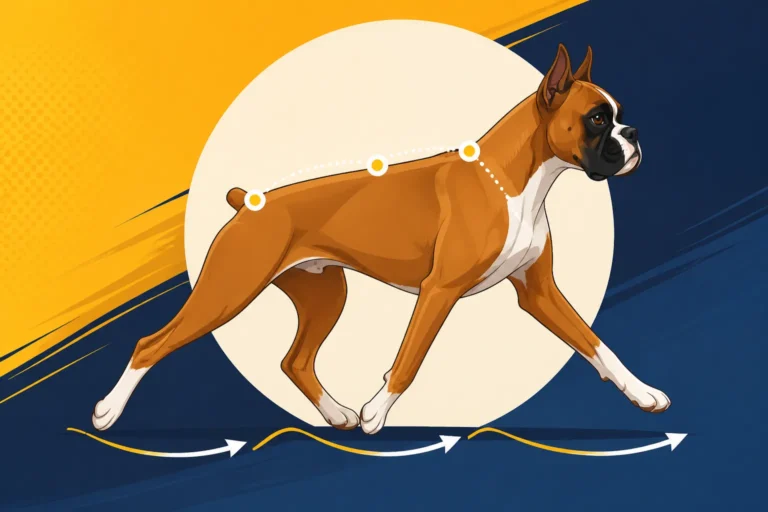
When evaluating a Boxer, especially in the show ring, movement is paramount. The breed standard describes a gait that is free, firm, and elastic, covering ground with a powerful drive from the hindquarters. The front legs should reach well out, and the back legs should drive with impressive force, giving the impression of purposeful efficiency. The movement should be smooth and unencumbered, without any rolling, stilted, or paddling actions.
Imagine watching a Boxer trot across a field. Their back should remain firm and steady, without any sway or bounce. The feet should move in parallel, neither crossing over nor winging out. This characteristic movement reflects the Boxer’s history as a working dog, requiring endurance and efficiency. Any deviation from this ideal gait can indicate structural faults that might impact the dog's long-term health and soundness, particularly in their joints.
The standard emphasizes that the Boxer should move with "firmness, elasticity, and reach." This means each stride should be powerful, yet appear effortless, with a natural spring to their step. It’s a demonstration of their overall athletic build and proper anatomical construction. A truly excellent moving Boxer is a sight to behold, a testament to generations of careful breeding focused on both form and function.
The Distinctive Boxer Head: A Study in Proportions
Perhaps the most immediately recognizable feature of a Boxer is its unique head. It's a study in contrasts – powerful yet noble, with a characteristic short, square muzzle and an intelligent, alert expression. The head is described in great detail within the breed standard because it is so fundamental to the Boxer's identity and reflects its historical function. Getting the head right means understanding a complex interplay of measurements and angles.
The Boxer Head the Standard Describes
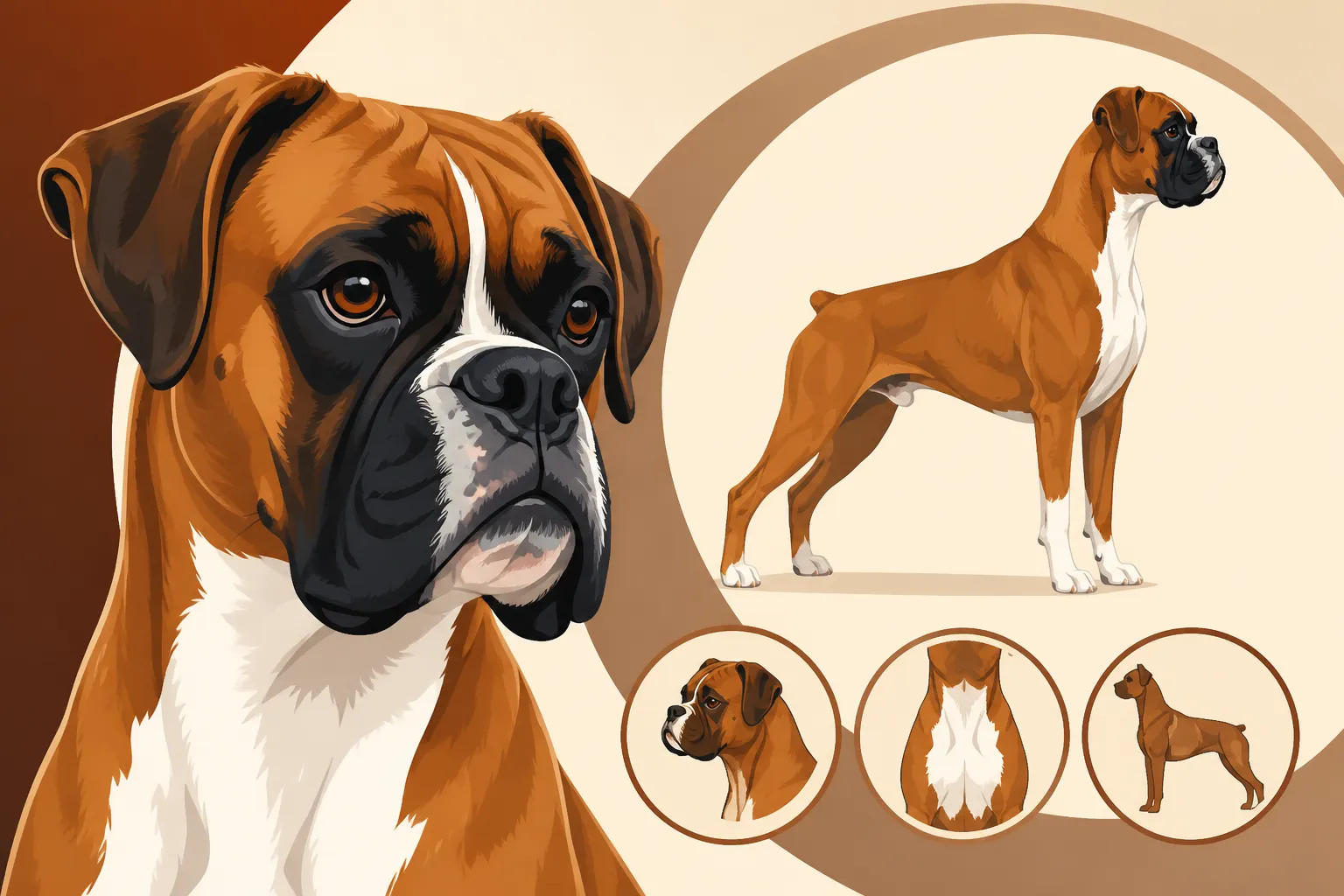
The breed standard describes the Boxer's head as a crucial element, emphasizing its harmonious proportions to the body and its lack of coarse or bulky appearance. From any angle, the head should be clean-cut, without excessive wrinkling, except for the natural wrinkles over the brow when the dog is alert. The top of the skull should be slightly arched, not flat. The stop, which is the indentation between the eyes, should be clearly defined, leading into the muzzle.
One of the most important aspects is the balance between the skull and the muzzle. The length of the muzzle should be one-third the length of the entire head, measured from the tip of the nose to the back of the skull. This proportion is vital for achieving the correct Boxer expression and functional bite. The cheeks should be well-muscled but not excessively prominent, maintaining the clean lines of the head. This specific architectural design gives the Boxer its regal yet approachable look.
When a Boxer tilts its head, listening intently, you can truly appreciate the thoughtful construction described in Boxer Head Proportions in the Standard. The dark eyes, set neither too deeply nor too prominently, contribute to an intelligent and curious gaze. Every feature, from the placement of the ears to the strength of the jaw, is meticulously outlined to ensure the preservation of this iconic breed characteristic.
The Boxer Chin, Muzzle and Bite
The Boxer's muzzle is arguably its most defining feature, and it receives significant attention in the breed standard. It should be short, broad, and square, creating that distinctive "pushed-in" appearance. The standard is very specific about the muzzle's characteristics: it should be wide, particularly at the nose, and the upper lip should meet the lower lip and not hang excessively. The chin should be well-defined, not receding, adding to the squareness of the muzzle.
The bite is also very important. Boxers have an undershot jaw, meaning the lower jaw protrudes beyond the upper jaw, and the lower incisors meet behind the upper incisors. This unique bite was functional for their ancestors, the Bullenbeisser, in holding onto game. The standard specifies that the teeth should be arranged in a straight line in both jaws, and the canine teeth should be far apart. The Boxer’s teeth should ideally not show when the mouth is closed, though some variation is accepted. You can learn more about this by reading The Boxer Chin, Muzzle and Bite.
This particular arrangement of the jaw and muzzle not only gives the Boxer its signature look but is also integral to its powerful grip. It's a testament to the breed's working heritage. When evaluating a Boxer, one looks for a muzzle that is not too narrow, too pointed, or too long, as these deviations would detract from both the aesthetic and functional aspects described in the standard.
Boxer Eye Color in the Standard
The eyes of a Boxer are often described as the windows to their soul, reflecting their intelligent and often mischievous personality. The breed standard is quite precise about eye color and placement. They should be dark brown, as dark as possible, lending an alert and confident expression. Lighter eyes, particularly yellow or amber, are considered a fault as they detract from the desired intensity and typical Boxer gaze.
The eyes should be medium-sized, neither too small and deep-set nor too large and bulging. They should be set relatively wide apart and straight, not obliquely, contributing to the open and honest look characteristic of the breed. The eye rims should be dark and tight, preventing any excessive haw (visible red tissue of the lower eyelid) from showing. Tight eye rims are important not only for aesthetics but also for health, helping to prevent irritation or infections.
A Boxer's expression, heavily influenced by their eyes, should convey intelligence, alertness, and courage, combined with an inherent friendliness. It's a look that can instantly switch from playful curiosity to serious watchfulness. The dark, expressive eyes are a key component of the overall Boxer head, completing the picture of a dog that is both formidable and endearing.
Body and Structure: Where Power Meets Grace
Beyond the head, the Boxer's body is designed for robust health and powerful athleticism. The standard outlines a structure that supports their active lifestyle, whether they are herding, guarding, or simply enjoying a vigorous game of fetch with their family. Every element, from the chest to the tail, contributes to their overall strength, endurance, and grace.
The Chest and Ribs a Boxer Should Have
The Boxer's chest is a critical component of its powerful build and is described in detail in the breed standard. It should be deep, reaching down to the elbows, providing ample space for the heart and lungs. This depth is essential for the breed's stamina and athletic capabilities. A shallow chest would be a significant fault, hindering their respiratory and cardiovascular efficiency during exercise.
In addition to depth, the ribs should be well-sprung, meaning they curve outward from the spine, creating a rounded, barrel-like shape rather than being flat-sided. However, they should not be excessively rounded, which could impede movement. This well-sprung ribcage contributes to the overall power and substance of the Boxer's torso. The forechest should be clearly defined, protruding slightly in front of the shoulder, giving the Boxer a proud and strong front.
The combination of a deep, well-sprung chest with a clearly defined forechest creates the strong, athletic front that allows the Boxer to move with such power and efficiency. It’s a functional design that supports their vigorous activities and contributes to their impressive presence. You'll often find that quality food brands, sometimes found on Chewy, formulate their kibble to support the robust musculature that grows around such a powerful frame.
Legs, Paws and Musculature
A Boxer's legs and paws are designed for strength, propulsion, and stability. The front legs should be straight and parallel when viewed from the front, with strong bone and musculature. The shoulders are important too, well-laid back and muscled, allowing for free and efficient movement. The elbows should be close to the body, not turned out or in. Any deviation can impact their gait and put undue stress on their joints over time.
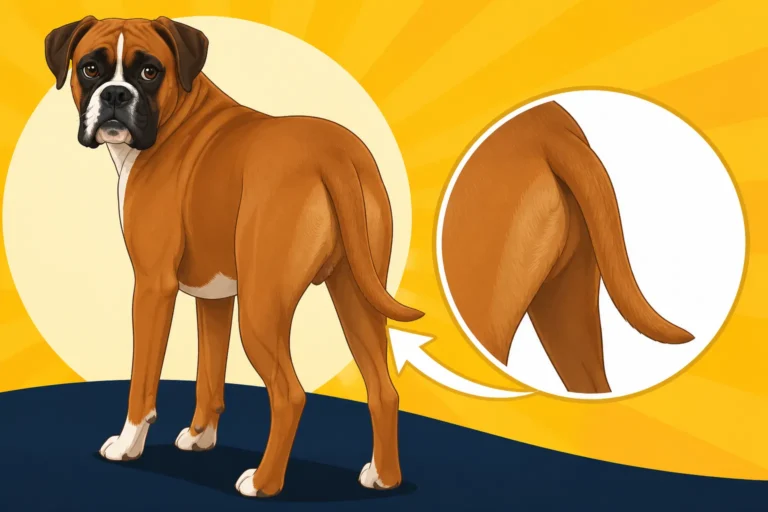
The hindquarters are equally crucial for power. They should be well-muscled, with strong thighs and well-angulated stifles (knees) and hocks (ankles). This angulation acts like a spring, providing the drive necessary for powerful propulsion, whether running, jumping, or pushing off. When standing, the Boxer's hind legs should be parallel, giving them a firm base. The Boxer Size the Standard Calls For typically points to a medium-sized dog with proportionate and powerful limbs.
The paws are compact, with strong, arched toes and tough pads, sometimes referred to as "cat feet." These strong paws provide good traction and support, essential for a dog that is active and agile. Weak, splayed, or flat feet are considered faults as they would hinder the Boxer's ability to move correctly and comfortably. Every aspect of their leg and paw structure is built for performance and durability.
Whether a Boxer's Back Should Slope
The Boxer's back is a key element of its structure, directly impacting its gait and overall soundness. The breed standard specifies that the back should be short, strong, straight, and muscular. It should remain level from the top of the shoulder blades to the croup (the area just before the tail set). There should be no noticeable slope or arch in the back. A roached (arched) back or a sway (dipped) back would be considered a fault.
A strong, level back is crucial for maintaining proper balance and transferring power efficiently from the hindquarters through the body to the front. It allows the Boxer to move with the desired elasticity and firmness, without losing energy or risking injury during vigorous activity. The loin, the area between the ribs and the pelvis, should also be short and muscular, seamlessly continuing the strong line of the back.
This straight, firm topline is a hallmark of a well-constructed Boxer. It indicates good bone structure and muscle development, essential for a dog that needs to be athletic and resilient. When you observe a Boxer, whether standing or in motion, their topline should convey strength and stability, free from any weakness or undesirable curvature.
Boxer Colors and Markings: Beyond Fawn and Brindle
Boxers are known for their striking coat colors and distinctive white markings, or "flash." The breed standard is quite specific about what colors are acceptable and how much white is permitted, guiding breeders in their efforts to maintain the breed's iconic look while also addressing health considerations associated with certain pigmentations.
Fawn Boxers and Their Shades
The Boxer breed standard allows for two main coat colors: fawn and brindle. Fawn Boxers can range in shade from a light, almost yellowish tan (often called "light fawn") to a rich, dark reddish tan (sometimes referred to as "red fawn" or "mahogany"). All shades of fawn are acceptable, provided they are clean and clear, without smutty (sooty or dirty) markings, except for the typical black mask. The uniform depth of color is generally preferred, rather than faded or washed-out patches.
The black mask is characteristic of fawn Boxers and is highly desirable, adding definition to their expressive faces. This mask typically covers the muzzle and extends up the bridge of the nose, sometimes reaching to the eyes. The presence or absence of a black mask, and its extent, can significantly influence a fawn Boxer's appearance. You can explore the nuances of Fawn Boxers and Their Shades to appreciate the variety within this color category.
It's important to note that while the intensity of the fawn color can vary, the standard emphasizes the purity of the color. A good fawn Boxer will have a clear, rich base coat that truly stands out, often complemented by flashy white markings that break up the solid color and add to their overall appeal.
What Makes a Boxer Brindle or Reverse Brindle
Brindle is the other acceptable color pattern in Boxers, and it's quite captivating. A brindle Boxer has fawn as its base coat, overlaid with distinct dark or black stripes that run parallel to the ribs. These stripes can vary in intensity and breadth, from sparse, thin stripes that are barely noticeable (often called "light brindle") to very dense, prominent stripes that cover most of the fawn (sometimes referred to as "dark brindle" or "reverse brindle").
The "reverse brindle" phenomenon, where the dark stripes are so heavy and close together that the fawn base only shows through in small, sparse areas, can make the Boxer appear almost black. While some might mistake these dogs for black Boxers, it's actually an extreme manifestation of the brindle pattern. True black Boxers do not exist within the breed standard, as black is a disqualifying color. The standard typically seeks a balance, where the stripes are clearly visible and distinct, creating that striking tiger-stripe effect.
Regardless of the intensity, the brindle pattern should be clear and well-defined. Muddled or smudged brindle patterns are less desirable. This unique pattern, along with fawn, ensures that Boxers maintain their iconic and recognizable appearance, setting them apart from other breeds. Understanding What Makes a Boxer Brindle or Reverse Brindle helps owners appreciate the genetic artistry behind their dog's coat.
The White Question: Why a White Boxer Cannot Be Shown
The presence of white markings on a Boxer is often called "flash." The breed standard permits white markings, but there are strict limitations on their extent. White markings should ideally be aesthetically distributed, usually on the chest, throat, feet, and sometimes a blaze on the face. However, if white markings exceed one-third of the entire base coat color, the Boxer is considered "white" and is disqualified from conformation shows.
This disqualification is purely aesthetic and related to breed type, not health. White Boxers, meaning those with excessive white markings, are genetically purebred Boxers and can make wonderful pets. However, the standard was established to preserve the traditional fawn and brindle appearance. Historically, excess white was seen as undesirable. It's important to understand that white Boxers are not albinos; they simply carry genes that result in more extensive unpigmented areas of their coat. Why a White Boxer Cannot Be Shown delves deeper into the specifics of this rule.
While a white Boxer can't compete in the conformation ring, they are just as healthy, intelligent, and loving as their fawn or brindle siblings. Many white Boxers find loving homes as cherished family members, and their unique appearance often makes them stand out. Owners should be aware that white Boxers may have a higher incidence of deafness or skin sensitivities due to the lack of pigment, but this doesn't diminish their ability to be fantastic companions.
Flashy Markings on a Boxer
"Flashy" refers to Boxers that have a pleasing amount of white markings, but still fall within the breed standard's allowance (less than one-third white). These markings often appear on the chest, as a "shirtfront," on the feet as "stockings," around the neck as a "collar," and as a "blaze" on the face. Well-placed flashy markings enhance the Boxer's appearance, adding to their striking visual appeal.
The arrangement and symmetry of these white patches are often admired. A Boxer with a symmetrical white blaze up its face, a crisp white chest, and neat white socks can be particularly eye-catching. However, the exact pattern of flash is less important than that it remains within the permissible percentage. Too little flash, and a Boxer can look rather plain; too much, and it moves into the "white Boxer" category.
Flashy Boxers are incredibly popular, as the white contrasts beautifully with their fawn or brindle coats, highlighting their powerful physique and expressive faces. This balance of color and white creates the classic Boxer look that so many people adore. When you see a truly flashy Boxer, it's easy to understand why these markings are so highly valued within the breed.
Boxer Temperament: The Ideal Character
While the physical description of a Boxer is extensive, the breed standard places immense importance on temperament. A Boxer's character is as iconic as its looks – a unique blend of courage, intelligence, loyalty, and an undeniable zest for life. This section details the behavioral traits that define the ideal Boxer, making them such cherished family members.
What the Standard Says About Boxer Character
The breed standard for the Boxer describes a character that is nothing short of exceptional. It emphasizes an intelligent, fearless, high-spirited, and intensely loyal companion. Boxers are noted for their patience and protective nature with children, their suspicion of strangers, and their fearless defense of their family and home. They are described as being alert and watchful, yet friendly and good-natured when properly socialized.
This combination of traits makes the Boxer a truly versatile dog. They possess the courage and tenacity of a working dog, coupled with the gentle and playful disposition of a family pet. It's this complex character that makes them so beloved. The standard specifically notes their intelligence and willingness to learn, though sometimes coupled with a stubborn streak that can make training an adventure! To delve deeper into this, read Boxer Temperament in the Standard and in Life.
The ideal Boxer is confident and self-assured, never timid or aggressive without cause. They thrive on human companionship and are known for their deep bond with their families. This description reinforces that the Boxer is not just a pretty face; it’s a dog with a profound and engaging personality, demanding interaction and integration into family life.
The Balance of Courage and Affection
One of the most remarkable aspects of the Boxer's temperament is the perfect balance it strikes between courage and affection. On one hand, they are inherently brave, with a strong protective instinct that makes them excellent watchdogs. They are not easily intimidated and will stand their ground if they perceive a threat to their loved ones. This fearless nature is a direct link to their historical role as working and guarding dogs.
On the other hand, this courage is perfectly complemented by an overwhelming capacity for affection. Boxers are incredibly loving and devoted to their families. They thrive on physical touch, a good cuddle, and being an integral part of daily life. They are often described as "velcro dogs" because they love to be close to their people. This affectionate side is particularly evident with children, whom they often treat with great patience and gentleness.
This duality—fierce protector and gentle companion—is what defines the Boxer's charm. It’s why they can be trusted to guard the home with vigilance, then moments later, be found snuggling on the sofa, all goofy smiles and wriggly greetings. It's a testament to the breed standard's success in preserving a dog that is both capable and cuddly.
Why Boxers Are Called Clowns
The phrase "clown of the canine family" is practically synonymous with the Boxer breed, and for good reason! While the breed standard emphasizes their intelligence and dignity, it also implicitly acknowledges the playful, exuberant side that makes them so entertaining. Boxers are renowned for their antics, their expressive faces, and their sometimes-awkward movements that often elicit laughter.
Their play style often involves using their front paws, almost like hands, to "box" at toys or even other dogs and people, which is one theory behind their name. They have a distinctive "wiggle butt" dance when excited, whole-body wiggles that can be quite comical. They love to play games, chase balls, and engage in vigorous, sometimes clumsy, romps. Their zest for life and often goofy expressions make them perpetual puppies in spirit, even into their senior years.
This playful nature is a huge part of their appeal. It ensures that life with a Boxer is never dull, always filled with laughter and unexpected moments of joy. This high-spirited energy, coupled with their intelligence, means they need plenty of mental and physical stimulation to prevent boredom. A bored Boxer is often a destructive Boxer, so engaging them with fun, challenging play is key to a happy household.
Historical Context and Purpose: Why the Boxer Was Bred This Way
To truly appreciate the Boxer breed standard, it’s essential to understand its origins and the purpose for which these dogs were originally bred. The Boxer's physical and temperamental traits are not random; they are the result of generations of selective breeding aimed at creating a specific kind of working dog.
The German Origins of the Boxer
The Boxer's story begins in 19th-century Germany, specifically in Munich, with its ancestors, the Bullenbeisser. These powerful mastiff-type dogs were used as bull-baiters and for hunting large game like wild boar and bear. Their strength, courage, and unique bite were perfectly suited for holding down prey until their masters arrived. Over time, as bull-baiting was outlawed and large game hunting declined, the role of these dogs began to shift.
The development of the modern Boxer involved crossing the Bullenbeisser with English Bulldogs imported to Germany. This crossbreeding aimed to refine the breed, reducing its size slightly while retaining its formidable strength and adding a more compact, square appearance. The goal was to create a more agile and versatile working dog suitable for police work, military service, and eventually, companionship. This foundational history is beautifully captured in The German Origins of the Boxer.
This history explains many of the Boxer’s core characteristics. Their powerful jaws, muscular build, and courageous temperament are direct inheritances from their working ancestors. Understanding this lineage helps us appreciate the deliberate design behind every aspect of the breed standard.
Why the Boxer Was Given a Turned-Up Muzzle
The Boxer's distinctive turned-up muzzle, often referred to as an "undershot jaw," is not merely an aesthetic quirk; it's a functional adaptation rooted in its history. This specific jaw structure allowed the Bullenbeisser and early Boxers to grip onto large, powerful game without obstructing their breathing. When a dog bites down and holds, its nostrils can become pressed against the prey, making it difficult to breathe.
With an undershot jaw and a muzzle that turns slightly upwards, the Boxer's nose remains relatively clear, even when holding firmly. This anatomical feature allowed them to maintain a grip for extended periods while still being able to draw breath, a crucial advantage in their original hunting role. Without this specific design, the breed's efficiency in its historical tasks would have been significantly hampered. You can read more about this in Why the Boxer Was Given a Turned-Up Muzzle.
While Boxers are no longer primarily used for hunting wild boar, this characteristic muzzle remains a defining feature of the breed. It is meticulously described in the standard, not just for historical accuracy, but because it contributes to the overall breed type and functionality that Boxers are known for. It's a living reminder of their working heritage.
The Boxer's Working History
Beyond hunting, the Boxer quickly proved its versatility as a working dog. They were among the first breeds to be formally recognized and utilized in police work in Germany, thanks to their intelligence, trainability, and protective instincts. Their courage and unwavering loyalty made them excellent candidates for tasks requiring bravery and dedication. During both World War I and World War II, Boxers served as messenger dogs, guard dogs, and even pack carriers, demonstrating their adaptability and resilience under challenging conditions.
Their keen sense of smell, coupled with their powerful build and alert nature, also made them suitable for search and rescue operations. Even after their military and police roles diminished with changes in warfare and law enforcement tactics, Boxers continued to excel in various dog sports that utilized their innate abilities, such as Schutzhund (protection work), agility, and obedience trials. The Boxer's Working History reveals a truly remarkable past.
This extensive working history is reflected throughout the breed standard, from the emphasis on a sound, athletic body to a fearless yet stable temperament. The Boxer was bred not just to look good, but to perform. Understanding this purpose helps us appreciate why certain traits are so highly valued and why preserving these characteristics is so important for the future of the breed.
Disqualifications and Faults: What Takes Away From the Ideal
The breed standard not only describes the ideal Boxer but also specifies characteristics that are considered "faults" or "disqualifications." These are deviations from the ideal that either compromise the dog's health, temperament, or adherence to the breed's type. For breeders, understanding these is crucial; for owners, it offers insight into why certain traits are undesirable.
What Disqualifies a Boxer at a Show
Disqualifications are serious deviations from the breed standard that prevent a dog from being awarded points in a conformation show or from being considered an ideal specimen. These are typically traits that fundamentally alter the breed type or suggest significant genetic issues. For Boxers, common disqualifications include colors other than fawn or brindle, such as solid black or solid white (where white exceeds one-third of the body). Therefore, Why a White Boxer Cannot Be Shown is a direct reflection of a disqualification.
Other disqualifications relate to structural abnormalities that would severely impede a Boxer's health or ability to function, such as severe overshot or undershot jaws that go beyond the acceptable range, or distinct blue eyes. Temperamental disqualifications are also critical; any Boxer showing definite shyness, fear, or unprovoked aggression would be disqualified, as this directly contradicts the breed's intended stable and courageous temperament. You can find a comprehensive list by researching What Disqualifies a Boxer at a Show.
These strict rules are in place to protect the integrity of the breed. They ensure that Boxers being presented as exemplars of the breed truly embody the physical and mental characteristics that have been carefully cultivated over generations. They guide breeders away from producing dogs with undesirable or unhealthy traits.
Common Faults and Their Significance
Beyond outright disqualifications, the breed standard also lists various "faults." These are less severe deviations from the ideal but still detract from the overall quality of the Boxer. Faults are typically categorized by their severity, with more significant faults having a greater impact on a dog's evaluation. Examples of common faults in Boxers include:
- Coat/Color: Faded fawn, smudgy brindle, or excessive white markings (though not enough to be a disqualification).
- Head: A snipey or pointed muzzle, weak chin, light eyes, or ears that are too large or set too low.
- Body: A long back, swayback, roached back, narrow chest, or insufficient angulation in the hindquarters.
- Gait: Paddling, weaving, or a stilted movement, which indicates structural issues.
- Temperament: Shyness, over-excitability, or a lack of confidence.
While a Boxer with a fault can still be a wonderful companion, these traits are considered less desirable because they can affect the dog's health, structural soundness, or adherence to breed type. For instance, a long back might predispose a Boxer to spinal issues, while poor angulation could lead to joint problems later in life. Responsible breeders strive to minimize these faults through careful selection and breeding practices.
Here's a quick overview of some common Boxer characteristics and how the standard views them:
| Feature | Ideal (Standard) | Fault | Disqualification |
|---|---|---|---|
| Build | Square, muscular, powerful yet agile | Leggy, too heavy, too light, weak topline | Severe structural deformities |
| Head | Short, broad, square muzzle; distinct stop; dark eyes | Snipey muzzle, weak chin, light or bulging eyes, excessive wrinkles | Blue eyes, excessively overshot/undershot jaw (severe) |
| Bite | Undershot, lower incisors behind upper, straight teeth | Crooked teeth, slight overshot or poor alignment | Extreme overshot or undershot that impairs function |
| Coat Color | Fawn (light to dark red); Brindle (fawn with dark stripes) | Washed-out fawn, smudgy brindle | Solid black, solid white (more than 1/3 white), any other color |
| White Markings | Limited, aesthetically distributed (less than 1/3) | Patchy, asymmetrical, excessive (close to 1/3) | Exceeding 1/3 of the body |
| Temperament | Fearless, intelligent, loyal, high-spirited, stable | Shyness, over-excitability, nervousness | Definite shyness, unprovoked aggression, fear biting |
| Gait | Free, firm, elastic, powerful drive | Paddling, weaving, stilted, rolling | Severe lameness |
This article is for general informational purposes only and does not constitute professional advice. Laws, prices and regulations vary by location and change over time. Consult a qualified professional for guidance on your specific situation.