The Yearly Heart Screening a Boxer Needs From Three
One of the most heartbreaking realities of loving a Boxer is their predisposition to certain health conditions, and none looms larger or more silently than heart disease. It’s a gut punch when you realize your vibrant, goofy companion could be harboring a serious cardiac issue without showing a single symptom, and this is exactly why yearly heart screening, particularly as they approach middle age, isn’t just a recommendation—it’s a necessity. This comprehensive guide will walk you through why annual heart screening is crucial for your Boxer from the age of three, what tests are involved, what they cost, and how you can best prepare for their lifelong heart health journey.
Understanding Boxer Cardiomyopathy and Why Screening Matters
Boxers are magnificent dogs, full of life and boundless energy, but they come with a genetic lottery ticket that, unfortunately, often includes a higher risk for heart conditions. One of the most prevalent and serious among them is Arrhythmogenic Right Ventricular Cardiomyopathy, or ARVC.
The Silent Threat of ARVC in Boxers
ARVC is a scary mouthful, but it essentially means there’s a problem with the electrical system of your Boxer’s heart. In Boxers, ARVC is a genetically inherited condition where the normal heart muscle cells in the right ventricle are gradually replaced by fatty or fibrous tissue. This change disrupts the heart’s electrical impulses, leading to irregular heartbeats, or arrhythmias. The insidious part of ARVC is that it's often a silent killer. A Boxer can have severe ARVC for years and show no outward signs. They might be zooming around the yard one moment and collapse or even pass away suddenly the next, leaving their family in utter shock and heartbreak. Knowing what Boxer ARVC actually does to the heart makes it clear why proactive screening is non-negotiable.
The tragedy of ARVC is precisely its deceptive nature. You might have a Boxer who is seemingly healthy, full of bounce and play, eating well, and enjoying life to the fullest. Then, without warning, they might experience a fainting spell during exercise, or worse, a sudden cardiac event. These events are often the first, and sometimes only, indication that something was terribly wrong beneath the surface. This is why many Boxer families, having experienced this devastating loss, become staunch advocates for early and regular screening. It’s about catching the issue before it catches you off guard.
Why the "Three Years" Mark Is Crucial
So, why the specific age of three? It’s not an arbitrary number. While some Boxers might develop ARVC symptoms earlier, many don't show clinical signs until they are young adults, typically between three and six years of age. This period is often when the changes in the heart muscle have progressed enough to cause significant arrhythmias that are detectable, even if they aren't yet causing visible problems for your dog. Starting screening at three years old gives you a critical window to establish a baseline and identify changes early.
By initiating yearly screening around the age of three, we're not waiting for our beloved Boxers to show us they're sick. Instead, we're actively looking for a problem that we know is common in the breed and often manifests during this developmental stage. If you wait until your Boxer starts fainting or seems weak after exercise, the disease might be much more advanced, limiting treatment options and potentially impacting their quality of life. The consensus among veterinary cardiologists and experienced Boxer breeders is that this age provides the best opportunity to detect ARVC when intervention can be most effective, hopefully extending and improving your Boxer's life. This early and consistent approach is why a Boxer Holter starts at three years.
The Cornerstone of Screening: The Holter Monitor
When it comes to detecting ARVC in Boxers, the Holter monitor is truly the MVP. It’s the single most effective tool we have for assessing the electrical activity of the heart over an extended period.
What a Holter Monitor Does
A Holter monitor is essentially a portable, wearable electrocardiogram (ECG) device that continuously records your Boxer's heart activity, usually over a 24-hour period, sometimes longer. Unlike a quick ECG performed at the vet's office, which only captures a snapshot of a few minutes, the Holter monitors every single heartbeat your dog has throughout a day of normal activity – sleeping, eating, playing, going for walks, and even getting excited. This extended recording is critical because the irregular heartbeats characteristic of ARVC are often intermittent. They might not show up during a brief vet visit, but a 24-hour recording dramatically increases the chances of capturing these elusive arrhythmias.
Think of it this way: if a regular ECG is like taking a single photograph of your dog's heart activity, a Holter monitor is like filming a full-length movie. You get to see the nuances, the peaks, and valleys, and most importantly, those fleeting moments of irregular electrical activity that could signal the presence of ARVC. This comprehensive data allows veterinary cardiologists to accurately assess the type, frequency, and severity of any arrhythmias. If you're wondering about the logistics of getting this done, remember that renting a Holter monitor for a Boxer is a common and straightforward process.
The Process of a Holter Exam
Getting your Boxer fitted for a Holter monitor is a relatively simple, non-invasive process. Your vet or a veterinary technician will typically shave small patches of fur from your Boxer’s chest, making sure to remove enough hair for good skin contact. They’ll then attach several electrode pads to these shaved areas. These pads connect to the small, lightweight Holter device, which is usually housed in a comfortable, custom-fitted vest worn by your Boxer. The entire process takes about 20-30 minutes, and once it's done, your Boxer goes home with you to continue their normal routine.
During the 24-hour monitoring period, you'll be asked to keep a detailed diary of your Boxer's activities. This diary is incredibly important as it helps the cardiologist correlate specific heart rhythms with what your dog was doing at the time. For example, if the monitor picks up a cluster of irregular beats while your dog was napping, that tells a different story than if they occurred during a strenuous game of fetch. Once the 24 hours are up, you return the device to the vet, and the data is then sent off to a veterinary cardiologist for expert analysis. Seeing what a Boxer wears during a Holter day gives many owners peace of mind that their dog will be comfortable.
Interpreting Holter Results for Your Boxer
Once the cardiologist analyzes the data from the Holter monitor, you’ll receive a report detailing your Boxer’s heart activity. The key thing they’re looking for with ARVC are Premature Ventricular Contractions, or PVCs. These are abnormal heartbeats originating from the ventricles, and they are the hallmark of ARVC. The report will quantify the number of PVCs your Boxer experienced over the 24-hour period, along with other metrics like heart rate variability and any runs of rapid, irregular beats.
It’s important to understand that even healthy Boxers can have a very low number of PVCs – a handful might be considered normal. However, a high number of PVCs (often in the hundreds or thousands over 24 hours), or the presence of complex PVCs (like couplets, triplets, or sustained runs of ventricular tachycardia), is a strong indicator of ARVC. The cardiologist will use these numbers, along with your activity diary, to determine if there’s a cause for concern and if medication or further diagnostic steps are needed. This detailed analysis is vital for understanding your dog’s heart health and properly interpreting a Boxer Holter report, including how many PVCs a Boxer can have safely.
Beyond the Holter: Other Important Heart Screenings
While the Holter monitor is paramount for ARVC detection, other cardiac screenings play supporting roles, offering different pieces of the puzzle for a comprehensive view of your Boxer's heart health.
The Role of the Echocardiogram (Echo)
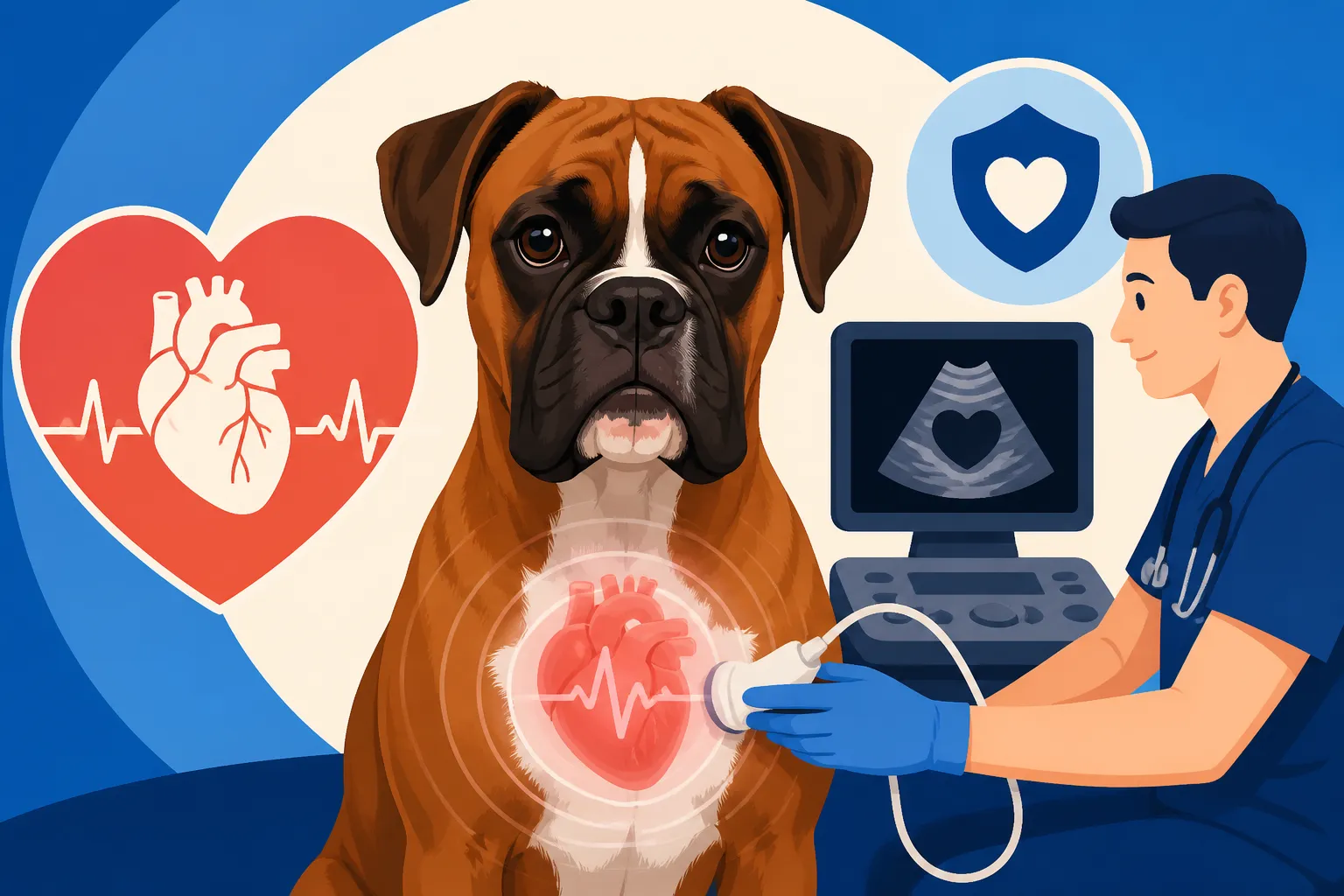
An echocardiogram, often simply called an "echo," is a non-invasive ultrasound of the heart. Think of it as a moving picture of your Boxer’s heart, allowing the cardiologist to visualize its structure, measure the size of its chambers, assess valve function, and observe blood flow in real-time. For Boxers, an echo is particularly useful for diagnosing Subaortic Stenosis (SAS), another common inherited heart condition where there's a narrowing below the aortic valve, making the heart work harder. While it can sometimes show structural changes associated with advanced ARVC, it’s not the primary tool for detecting the electrical abnormalities of ARVC itself.
An echocardiogram provides invaluable information about the physical integrity and mechanics of the heart. For example, it can reveal if a Boxer's heart chambers are enlarged, if the heart muscle is thickening or thinning abnormally, or if there are any issues with how the valves are opening and closing. If your Boxer is found to have a significant number of PVCs on a Holter, a cardiologist might recommend an echo to look for any concurrent structural issues or to get a baseline measurement of the heart's overall health. Understanding echo prices when screening a Boxer's heart can help you budget for this additional, sometimes necessary, diagnostic step.
Genetic Testing and Its Limitations
Genetic testing, specifically for the Striatin gene, has emerged as another tool in a Boxer owner's arsenal against ARVC. This test can identify Boxers who carry genetic mutations associated with a higher risk of developing ARVC. It's a simple cheek swab or blood test that can be done at any age, and it's particularly valuable for breeders looking to make informed decisions to reduce the incidence of ARVC in future generations. The information from a genetic test can be a piece of a larger puzzle, indicating a predisposition rather than a definitive diagnosis of the disease.
However, it's absolutely critical to understand the limitations of genetic testing. A positive result for the Striatin gene means your Boxer has an increased risk of developing ARVC, but it does not mean they will definitely develop the disease, nor does it tell you when or how severely. Conversely, a negative result does not guarantee your Boxer will be completely free of ARVC, as other genetic factors or mutations might be involved that we don't yet understand. The Striatin gene test for Boxers is a helpful screening tool, particularly for breeding lines, but it is not a substitute for regular Holter monitoring. It merely provides a piece of the genetic puzzle, not the full picture of your dog's current heart health.
Regular Veterinary Check-ups and Auscultation
Never underestimate the importance of your annual routine veterinary check-up. While a general vet can't perform a Holter analysis, they play a crucial role in early detection. During these visits, your veterinarian will perform a thorough physical examination, which always includes auscultation – listening to your Boxer’s heart with a stethoscope. They'll be listening for heart murmurs, which can indicate conditions like SAS, or any obvious arrhythmias.
While auscultation is an important first step and can sometimes raise a red flag, it's not sensitive enough to reliably detect ARVC. Many Boxers with significant ARVC will have perfectly normal heart sounds on a stethoscope exam because the electrical irregularities don't always translate into audible murmurs or consistently irregular beats within the few moments of examination. However, your vet's observations are still valuable. They can help establish a baseline of your Boxer's health, monitor overall well-being, and notice subtle changes over time. Any finding of heart murmurs in a Boxer puppy or adult, or an irregular rhythm, would prompt a referral to a cardiologist for more in-depth testing.
The Financial Reality of Boxer Heart Screening
Let's be real: owning a Boxer isn't cheap, and the costs associated with responsible ownership, especially when it comes to health screening, can add up. Heart screening is a vital investment in your Boxer's life, but it's important to understand the financial commitment.
Breaking Down the Costs of Holter Monitoring
The cost of a Holter monitor study for your Boxer can vary quite a bit depending on your geographic location, whether your regular vet facilitates it or you go directly to a specialist, and what’s included in the package (rental fee, cardiologist interpretation fee). Generally, you can expect the annual cost for a 24-hour Holter monitoring and interpretation to range from $300 to $600. This often includes the cost of renting the device, the technician's time to shave and apply electrodes, and the specialist fee for the veterinary cardiologist to read and interpret the thousands of heartbeats recorded.
Some clinics might have their own Holter units, while others rent them from specialized services. You might find a slightly lower price if your primary veterinarian has established a direct relationship with a cardiologist who offers a streamlined process. Remember, this is an annual expense from about age three, so you're looking at potentially thousands of dollars over your Boxer's lifespan just for screening. It's a significant commitment, but the peace of mind, and potentially the early intervention it allows, is priceless. Many owners find that the annual Holter screening as a Boxer expense is well worth it for the chance to extend their beloved dog's healthy years.
Costs for Echocardiograms and Genetic Tests
Beyond the Holter, if an echocardiogram is recommended, prepare for another significant cost. An echo is typically performed by a board-certified veterinary cardiologist and requires specialized equipment and expertise. The price for an echocardiogram can range from $400 to $800 or more, again depending on your location and the specific clinic. This usually includes the scan itself and the cardiologist’s report. It's not usually an annual screening unless there's a diagnosed condition being monitored, but it's an important diagnostic tool when needed.
Genetic testing for the Striatin gene is generally less expensive than the imaging or Holter studies. Prices for a genetic test, which often just requires a simple cheek swab, typically fall in the range of $60 to $150. Many Boxers will have this test done once in their lifetime, ideally before breeding, or as part of a general health panel. While it provides valuable information about genetic predisposition, remember it doesn't replace the need for regular Holter monitoring to assess the actual electrical activity of the heart. When you combine these various screening methods, the costs can definitely add up, requiring careful financial planning.
Long-Term Financial Planning and Potential Surprises
The cumulative cost of yearly Holter screenings, plus potential echocardiograms or genetic tests, can easily climb into the thousands of dollars over a Boxer’s lifetime. And this is just for screening! If your Boxer is diagnosed with ARVC or another heart condition, the cost of ongoing medication, further specialist consultations, and emergency care if they have a severe cardiac event can dwarf the screening costs. Medications like Sotalol or Mexiletine for ARVC can be expensive and often need to be administered for the rest of your dog's life.
It's a tough pill to swallow, but responsible Boxer ownership means anticipating these potential costs. Many experienced owners recommend setting up a dedicated "Boxer health fund" or emergency savings account to cover these predictable and unpredictable expenses. Even if you're lucky enough that your Boxer never develops a serious heart condition, these funds can then be repurposed for other common Boxer health issues like cancer or orthopedic problems. While the specific example of saving ahead of a Boxer cancer diagnosis comes to mind, the principle of proactive financial planning for all potential health issues is sound.
Pet Insurance and Managing Heart Screening Expenses
Pet insurance can be a real lifesaver for Boxer owners, especially given the breed's predispositions to conditions like ARVC and cancer. However, it’s crucial to understand what pet insurance typically covers, and what it doesn't, particularly concerning screening costs.
How Pet Insurance Handles Screening vs. Treatment
Most standard pet insurance policies, which are designed to cover accidents and illnesses, do not cover routine preventative care or screening tests like yearly Holter monitoring or initial echocardiograms unless they are specifically part of a separate "wellness plan" add-on. Wellness plans might offer partial reimbursement for things like annual exams, vaccinations, and sometimes even a small percentage for diagnostics, but they are typically separate from the main policy. The core insurance policy kicks in when your Boxer has a diagnosed condition and needs treatment.
This distinction is critically important. If your Boxer is diagnosed with ARVC after a Holter screen, then the cost of the medications, follow-up specialist visits, and subsequent Holter monitors to monitor treatment effectiveness would typically be covered by your accident and illness policy (minus your deductible and co-pay), provided the condition wasn't "pre-existing" before you bought the policy or during a waiting period. Companies like Healthy Paws are known for their comprehensive accident and illness plans, but even with them, you'd need to check their specific terms regarding wellness coverage if you want screening to be included. The key is to understand that routine screenings are usually on you until a problem is confirmed.
The Importance of Insuring Early
This brings us to one of the most vital pieces of advice for Boxer owners: get pet insurance as early as possible. Ideally, you should insure your Boxer puppy at eight weeks old. Why? Because pet insurance policies have what are called "pre-existing condition" clauses. If your Boxer has its first Holter monitor at age three, and ARVC is detected, then ARVC immediately becomes a pre-existing condition. Any future treatment for that condition will likely not be covered by that insurance policy.
If you waited until your Boxer was five and then decided to get insurance after they started having fainting spells, it would be too late for their ARVC to be covered. By insuring your Boxer before the first lump or before any heart irregularities are detected, you ensure that if ARVC or another health issue arises later in life, the treatment costs will be covered. This proactive approach ensures that conditions like cardiomyopathy won't be deemed pre-existing. This is why insuring a Boxer puppy at eight weeks is such a smart financial move for their entire life.
Comparing Coverage and Deductibles
When choosing a pet insurance policy, don't just look at the monthly premium. You need to dive deep into the policy details to understand what's truly covered, what isn't, and how your out-of-pocket expenses will work. Pay close attention to:
- Deductible: This is the amount you pay out of pocket before your insurance starts to reimburse you. Common deductibles range from $100 to $1,000 per incident or per year. A lower deductible means higher monthly premiums but less out-of-pocket when you make a claim.
- Reimbursement Percentage: Most policies reimburse 70%, 80%, or 90% of eligible vet bills after your deductible is met.
- Annual Limit: This is the maximum amount the insurance company will pay out in a policy year. Some policies offer unlimited annual coverage, which can be invaluable for chronic conditions. Understanding how to set an annual limit for a Boxer is crucial for long-term financial peace of mind.
- Waiting Periods: All policies have waiting periods before coverage kicks in, especially for orthopedic conditions (like hip dysplasia) and sometimes even for illnesses. Make sure you understand these before your Boxer needs care.
Compare policies from various providers like Healthy Paws, Embrace, Figo, or Nationwide. Look for plans that have a strong track record of covering breed-specific conditions and don't penalize you for needing to use the policy. The goal is to find a plan that provides comprehensive coverage for potential issues like ARVC and cancer, which are unfortunately common in Boxers.
Living with a Boxer and Proactive Heart Health
Beyond the necessary screenings and financial planning, there are daily choices you can make to support your Boxer’s heart health and overall well-being. Proactive care is truly a lifestyle.
Lifestyle Adjustments for Heart Health
Maintaining a healthy lifestyle for your Boxer is paramount, especially when considering their predisposition to heart issues.
- Diet and Weight Management: Feeding a high-quality, balanced diet is fundamental. Obesity puts extra strain on the heart, so keeping your Boxer at a lean, healthy weight is one of the best things you can do. Work with your vet to determine the ideal caloric intake and body condition score for your individual dog. Brands like Ollie offer fresh, human-grade food options that can contribute to overall wellness and a healthy weight.
- Controlled Exercise: Boxers are naturally energetic, but exercise needs to be managed smartly. While regular exercise is good for heart health, extreme or sudden strenuous activity, especially in hot weather, can be dangerous for a Boxer, particularly if they have an undiagnosed heart condition. Discuss appropriate exercise levels with your vet or a veterinary cardiologist. This is particularly true if your Boxer receives an ARVC diagnosis; understanding exercise after a Boxer ARVC diagnosis becomes critical.
- Stress Management: Boxers can be sensitive dogs, and extreme excitement or stress can trigger arrhythmias in dogs predisposed to heart conditions. While you can't eliminate all stress, a calm, consistent home environment, predictable routines, and positive reinforcement training can help manage their overall anxiety levels.
Supplements and Their Role
While no supplement can cure ARVC or replace prescribed medication, some can play a supportive role in heart health, often recommended by veterinary cardiologists as part of a comprehensive care plan.
- Omega-3 Fatty Acids (Fish Oil): These essential fatty acids are well-known for their anti-inflammatory properties and their benefits for cardiovascular health. They can help reduce inflammation and may even help stabilize heart cell membranes, potentially reducing the frequency of arrhythmias. Look for high-quality, veterinary-specific fish oil supplements.
- Coenzyme Q10 (CoQ10): This antioxidant is involved in energy production within cells, including heart muscle cells. Some research suggests it may support heart function and improve energy metabolism in cardiac cells.
- L-Carnitine and Taurine: These amino acids are crucial for heart muscle function. While deficiencies are rare in dogs eating commercial diets, they are sometimes supplemented, particularly if there are concerns about dilated cardiomyopathy or other specific cardiac issues.
Always discuss any supplements with your veterinarian or a veterinary cardiologist before starting them, as they need to be appropriate for your Boxer's specific condition and cannot replace proper medical treatment. You can often find reputable, vet-approved supplements through online retailers like Chewy, ensuring you get quality products. For more details, consider researching fish oil for a Boxer's arrhythmia.
What Happens if a Diagnosis is Made
If your Boxer receives an ARVC diagnosis, it's natural to feel overwhelmed. However, it's not a death sentence, especially if caught early. The primary goal of treatment is to manage the arrhythmias, reduce the risk of sudden death, and improve your Boxer's quality of life.
- Medication: The most common treatment involves anti-arrhythmic medications, such as Sotalol or Mexiletine. These drugs help stabilize the heart's electrical activity and reduce the number and severity of PVCs. The dosage and specific medication will be tailored to your Boxer by a cardiologist. For more information on treatment, you might look into medication for a Boxer with an arrhythmia.
- Regular Monitoring: Even on medication, regular follow-up Holter monitors (often every 3-6 months initially, then yearly) will be crucial to assess the effectiveness of the treatment and make any necessary adjustments to the medication regimen.
- Lifestyle Management: Continued adherence to the lifestyle adjustments discussed earlier—weight management, controlled exercise, and stress reduction—becomes even more critical.
Living with a Boxer diagnosed with a heart condition requires dedication and a close working relationship with your veterinary cardiologist, but with proactive management, many Boxers can continue to live full, happy lives.
Heart Screening Checklist for Your Boxer
Here's a quick summary of the key heart screening methods for Boxers and what they generally involve. This table can help you organize your approach to their cardiac health.
| Screening Method | Purpose | Typical Age to Start | Frequency (if healthy) | Average Cost Range |
|---|---|---|---|---|
| Holter Monitor | Detect and quantify arrhythmias (PVCs) for ARVC. | 3 years | Annually | $300 – $600 |
| Echocardiogram | Assess heart structure, function, and blood flow (for SAS, etc.). | At vet's discretion | As needed/recommended | $400 – $800 |
| Striatin Gene Test | Identify genetic predisposition to ARVC. | Any age | Once in lifetime | $60 – $150 |
| Veterinary Exam | General health check, auscultation for murmurs/rhythms. | Puppyhood | Annually | $60 – $150 |
Note: Costs are approximate and can vary widely by location and clinic.
Disclaimer
The information provided in this article is for educational purposes only and is not intended to be a substitute for professional veterinary advice, diagnosis, or treatment. Always seek the advice of your veterinarian or other qualified animal health provider with any questions you may have regarding a medical condition.