Histopathology Fees on a Boxer Tumor
The moment you discover a lump on your beloved Boxer, a wave of panic and worry often washes over you. You run your fingers over it, hoping it's nothing, but that nagging fear for your dog's health starts to build. Your vet might perform an initial needle aspirate, but often, the next crucial step they recommend is a histopathology – sending a piece of that tissue off to a specialist lab. This recommendation, while essential, immediately brings up questions about what it is, why it's needed, and, of course, what it's going to cost you. This guide is here to walk you through understanding histopathology fees for a Boxer tumor, what these charges cover, and how you can prepare for the financial journey ahead.
What Exactly Is Histopathology and Why Does Your Boxer Need It?
When your vet finds a suspicious lump on your Boxer, their primary goal is to determine exactly what it is. Is it a harmless fatty tumor, a pesky wart, or something more concerning? While some initial diagnostics, like a fine needle aspirate, can give a quick peek at the cell types present, they don't always provide the full picture. This is where histopathology comes into play – a detailed, microscopic examination of tissue that is absolutely vital for an accurate diagnosis, especially for a breed like the Boxer, which is unfortunately predisposed to certain types of cancer.
Beyond the Needle: Why a Full Biopsy Matters
You might wonder why a simple needle biopsy isn't always enough. After all, it's less invasive and often quicker. And honestly, it can be enough for many lumps! However, for many other masses, particularly those with a complex cellular structure or those suspected to be malignant, a pathologist needs more than just a handful of cells. They need the tissue's architecture, how the cells are arranged, and how they interact with surrounding structures. A "core" or "excisional" biopsy provides a larger, more comprehensive sample, allowing a specialized veterinary pathologist to meticulously examine the tissue under a microscope. This process is like looking at the entire blueprint of a building rather than just a few bricks.
For Boxers, this depth of analysis is critical because our lovable clowns are notorious for developing certain types of tumors, like mast cell tumors, lymphomas, and various sarcomas. These cancers can be tricky. A Needle Biopsy on a Boxer Lump might suggest "mast cells," but only histopathology can tell you the grade of the mast cell tumor, whether it's invasive, and if the margins (the healthy tissue surrounding the tumor that was removed) are clear. Without this information, your vet is essentially guessing at the best course of action, and when it comes to cancer, you don't want guesses. It provides the definitive answer, guiding your vet toward the most effective treatment plan and giving you a clearer idea of what your Boxer is facing.
The Role of the Veterinary Pathologist
When a biopsy sample is taken from your Boxer, it's not simply sent to a general lab for a quick look. It goes to a highly trained veterinary pathologist. Think of them as the detectives of the microscopic world, specializing in disease diagnosis through tissue examination. This isn't your regular neighborhood vet, however brilliant they are; it's a doctor with years of additional education and specialized training focused entirely on identifying diseases at a cellular level.
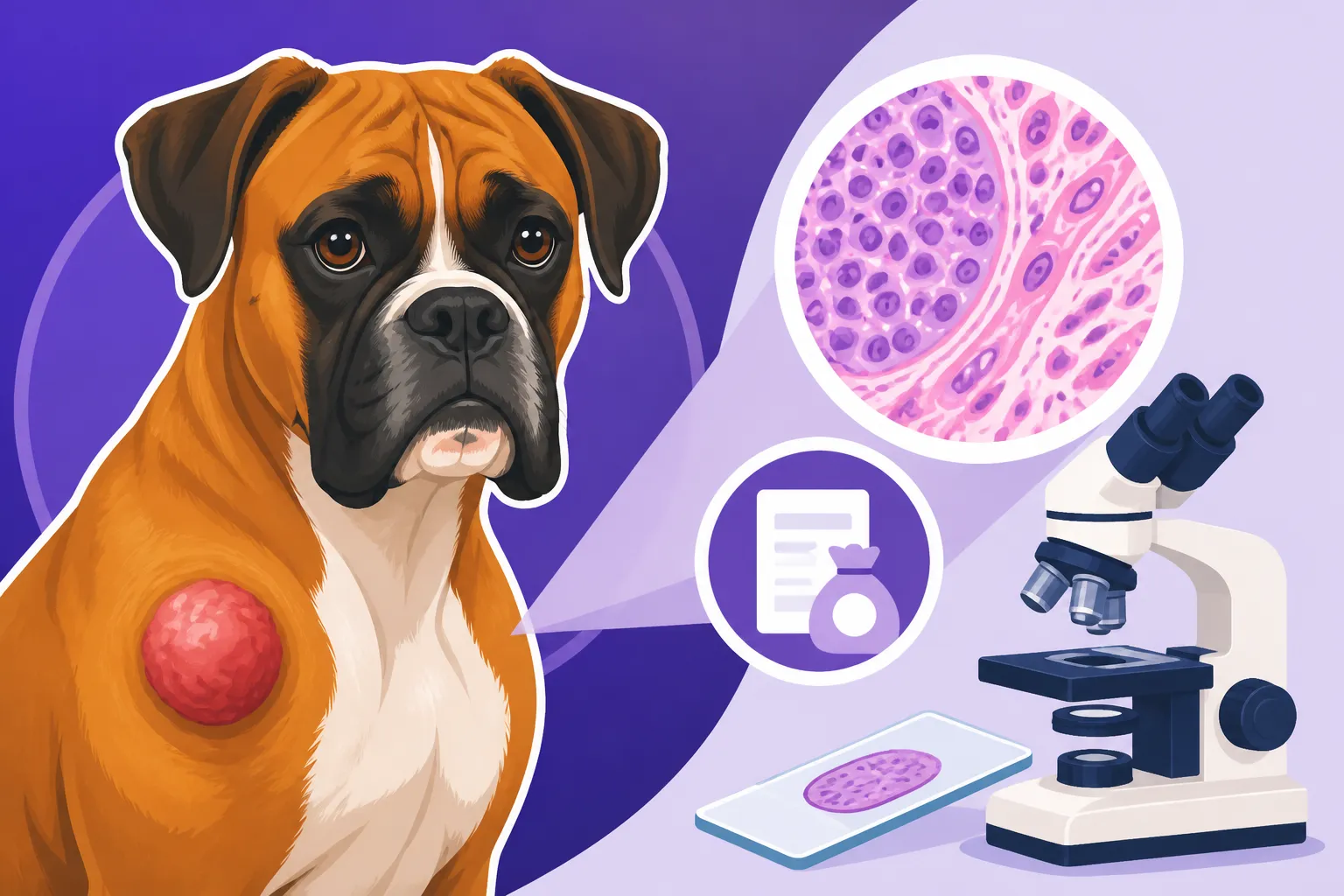
Their process is incredibly detailed. First, they perform a "gross examination," where they visually inspect the tissue sample, noting its size, shape, color, and texture. Then, the tissue undergoes a series of steps: fixation (to preserve it), processing (to remove water and infiltrate with wax), embedding (into a block), sectioning (slicing into incredibly thin pieces), and finally, staining (to make cellular structures visible). Only then does the pathologist place the stained slides under a powerful microscope, systematically examining every cell, looking for abnormalities, patterns, and indicators of disease. Their expertise allows them to differentiate between benign growths, inflammatory reactions, and various types of cancer. The comprehensive report they generate is invaluable, providing your vet with the precise diagnosis, grading (if applicable), and crucial insights that directly inform treatment decisions and potential prognosis for your beloved Boxer.
Deconstructing the Cost: What Factors Influence Histopathology Fees?
The fees for histopathology aren't a single, flat rate; they are influenced by several factors that can make the final bill vary. When your vet presents you with an estimate, it's helpful to understand what contributes to those numbers, so you're not caught entirely off guard. It's not just the act of looking at a slide; it's the specialized expertise, the laboratory resources, and the complexity of the diagnosis that you're paying for.
The 'Base Fee' and What It Covers
At the core of the cost is a "base fee" from the veterinary diagnostic laboratory. This fundamental charge covers the pathologist's time for the initial, standard examination of the tissue sample, as well as the overhead involved in running a specialized lab. This includes the technical staff who prepare the slides, the chemicals and equipment used for tissue processing, and the administrative costs. Essentially, it's the cost of performing the basic, yet crucial, microscopic analysis.
However, it's important to remember that this lab fee is often separate from the costs incurred at your veterinary clinic for the actual removal of the lump. The procedure to obtain the biopsy—whether it's an incisional biopsy (removing a piece of the tumor), an excisional biopsy (removing the entire tumor and sending it in), or a punch biopsy (taking a small core of tissue)—will be billed by your vet. So, when you ask What a Boxer Lump Removal Costs, remember that the surgery itself is one bill, and the histopathology lab fee is another. The size and location of the lump, the type of biopsy performed, and even whether the sample is considered "simple" or "complex" by the lab can subtly affect this base fee, as more intricate samples might require additional handling or more extensive initial examination time by the technician before it even reaches the pathologist's microscope.
Additional Tests and Stains That Can Add Up
Sometimes, the initial stains (like hematoxylin and eosin, or H&E, which are standard) don't provide all the answers a pathologist needs. Certain types of tumors, or tumors that are hard to differentiate, may require "special stains" or more advanced techniques like immunohistochemistry. These are additional tests performed on the tissue to highlight specific cell components or markers that can help definitively identify the cell type, origin, or even the aggressiveness of a tumor. For instance, if your Boxer has a suspected mast cell tumor, a special stain might be needed to determine its exact grade, which is critical for prognosis. Likewise, if the pathologist suspects lymphoma, specific immunohistochemical markers might be used to confirm the type of lymphoma, guiding chemotherapy protocols.
These extra tests are invaluable for accurate diagnosis and treatment planning, but they do come with additional costs. Each special stain or immunohistochemical panel adds to the overall bill because they involve more labor, specialized reagents, and additional pathologist time for interpretation. While it can feel like the costs are piling up, the detailed information gained from these advanced diagnostics, such as confirming What a Boxer Mast Cell Grade Means or assisting in Staging a Boxer's Lymphoma, is often indispensable for providing your Boxer with the best possible outcome. These specialized analyses move beyond merely identifying "cancer" to pinpointing the exact kind of cancer and its characteristics, enabling truly targeted care.
Geographical Variations and Lab Specialization
Just like the cost of living varies from city to city, so do veterinary service fees, including histopathology. A lab in a major metropolitan area might have higher operating costs and thus higher fees than a lab in a rural region. The local economy, the demand for specialized services, and the competition among veterinary diagnostic labs in a given area can all play a role in pricing. It’s a bit like comparing the price of a coffee in New York City versus a small town; the core product is the same, but the context changes the price tag.
Beyond geography, the type of lab also matters. Some larger veterinary hospitals might have in-house pathology services, which could be bundled differently into your bill. More commonly, samples are sent to external commercial diagnostic laboratories, which vary in size and specialization. Some labs are general purpose, handling a wide range of tests, while others might specialize in oncology or specific types of veterinary pathology. A highly specialized lab with cutting-edge technology and a team of renowned pathologists might charge more, but they also offer a depth of expertise that can be incredibly valuable for complex cases. It's always a good idea to discuss with your vet which lab they use and why, as this can give you insight into both the cost and the quality of the diagnostic service.
Managing the Financial Impact of a Boxer's Tumor Diagnosis
Receiving a tumor diagnosis for your Boxer is emotionally devastating, and the financial implications can add another layer of stress. The fees for histopathology are often just the first step in a potentially long and expensive journey. However, understanding your options and planning ahead can help mitigate some of the burden. It's about being proactive and knowing where to turn when these unexpected health challenges arise.
Understanding Pet Insurance and Histopathology Coverage
Pet insurance can be an absolute lifesaver when facing a serious diagnosis like a tumor in your Boxer. Most comprehensive pet insurance policies will cover a significant portion of diagnostic tests, including histopathology, as long as the condition isn't pre-existing. This "pre-existing condition" clause is why enrolling your Boxer in a policy when they are young and healthy, ideally before any lumps or health issues arise, is so crucial. If you try to get coverage after a lump has been found, even if it hasn't been diagnosed yet, it will almost certainly be considered a pre-existing condition and excluded from coverage. This means the histopathology fees, and any subsequent treatment, would likely not be covered.
Companies like Healthy Paws are well-known for their comprehensive coverage, but it's vital to read the fine print of any policy. Look for plans with high reimbursement percentages (e.g., 80-90%) and a reasonable deductible. While the monthly premiums might seem like another expense, they can offer immense peace of mind. Without insurance, the sudden cost of diagnostics and treatment can force agonizing decisions. Learning about Insuring a Boxer Before the First Lump and understanding Why a Removed Boxer Lump Becomes Pre-Existing are critical steps for any Boxer owner. Having a policy in place before any health concerns emerge means that when a lump does appear, the histopathology fees, and likely much of the subsequent treatment, will be covered, allowing you to focus on your Boxer's health rather than the crushing financial stress.
Exploring Payment Plans and Financial Aid Options
Even with the best planning, a cancer diagnosis can bring unexpected costs. If pet insurance isn't an option or doesn't cover everything, don't despair; many clinics understand the financial strain these situations cause. Some veterinary clinics offer in-house payment plans, allowing you to pay off a balance over several weeks or months. It’s always worth having an open conversation with your vet's office manager about the possibility of setting up such an arrangement.
Beyond clinic-specific options, there are also third-party medical credit options designed specifically for veterinary care, such as CareCredit. These typically offer deferred interest periods, allowing you to pay off the balance without interest if done within a specific timeframe. Additionally, various charitable organizations and breed-specific rescues sometimes offer financial assistance for owners struggling with significant veterinary bills, particularly for cancer treatment. While these programs might have strict eligibility requirements and limited funds, they are certainly worth investigating. Resources like The Pet Fund, RedRover, or specialized Boxer rescue organizations might offer some relief. Learning about Financing Unplanned Boxer Cancer Treatment can help you explore all available avenues.
Holistic Cost Planning for Boxer Cancer Care
It's important to view histopathology fees not as a standalone expense, but as the initial investment in understanding and potentially treating a larger issue. If the histopathology confirms cancer, then the diagnostic fees are just the beginning of what could be a long journey. Subsequent costs might include further imaging (X-rays, ultrasounds, CT scans), specialist consultations (with a veterinary oncologist), surgery, chemotherapy, radiation therapy, medications, and ongoing palliative care. This is why having a clear, upfront discussion with your vet about the potential full scope of costs is so important. Ask for a detailed estimate for the entire diagnostic workup and potential treatment plan, so you can make informed decisions.
Being prepared means understanding that What Boxer Cancer Treatment Actually Costs can be substantial, often spanning into thousands of dollars depending on the type and stage of cancer, and the chosen treatment protocol. Some owners find comfort in proactively building a dedicated "cancer fund" or "emergency vet fund" specifically for their Boxer. Even setting aside a small amount each month can accumulate over time and make a significant difference when unforeseen medical issues arise. Websites like Chewy and Ollie also offer specialized diets that may be required for Boxers with specific health needs, and while these can be an ongoing cost, they can often contribute to better health outcomes and potentially reduce other vet bills in the long run by supporting your dog's overall well-being. Regular Weekly Lump Checks on a Boxer can also help you find new growths early, potentially leading to less invasive, and thus less costly, initial treatments. Ultimately, knowing about The Cancer Fund a Boxer Owner Should Build empowers you to provide the best care without financial paralysis.
| Factor Influencing Cost | Description | Impact on Fee |
|---|---|---|
| Pathologist's Expertise | Examination by a board-certified veterinary pathologist. | Core component of the fee. |
| Laboratory Overhead | Costs for technical staff, equipment, reagents, and facility maintenance. | Included in the base fee. |
| Type of Biopsy Performed | The surgical procedure to obtain the sample (incisional, excisional, punch). | Billed separately by your vet, influencing overall cost to you. |
| Sample Complexity | Size, nature, and difficulty of processing the tissue sample. | Can slightly increase base lab fee. |
| Special Stains/Immunohistochemistry | Additional tests to differentiate tumor types or confirm cell origin. | Each additional test adds to the fee. |
| Geographical Location | Cost of living and demand for services in your region. | Fees can vary significantly by state/city. |
| Lab Specialization | General diagnostic lab vs. highly specialized oncology lab. | Specialized labs may charge more for advanced expertise. |
| Urgency (Rare) | Rush processing (not always available, may incur extra charge). | Rare, but can increase fee for expedited service. |
Facing a suspicious lump on your Boxer is incredibly stressful, and the thought of medical bills only compounds that worry. Histopathology fees, while a significant expense, are a critical investment in your Boxer's health and future. They provide the definitive answers needed to guide appropriate treatment, giving your beloved companion the best possible chance at a longer, happier life. By understanding what these fees cover, exploring your pet insurance options, and considering financial aid, you can navigate this challenging time with greater confidence, allowing you to focus on what truly matters: your Boxer's well-being. Remember that early detection, thorough diagnosis, and proactive financial planning are your strongest allies.
Disclaimer
This article is for general informational purposes only and does not constitute professional advice. Laws, prices and regulations vary by location and change over time. Consult a qualified professional for guidance on your specific situation.