What a Boxer Cardiology Referral Involves
It’s a moment no Boxer owner ever wants to hear: your trusted family vet is recommending a cardiology referral. Perhaps they’ve detected a subtle heart murmur during a routine check-up, or maybe your beloved Boxer has had a scary fainting spell. The uncertainty can be terrifying, leaving you wondering what this even means for your energetic companion. This guide is here to demystify the process, walking you through exactly what a Boxer cardiology referral involves, from the initial concerns to ongoing management.
Understanding the "Why" Behind a Referral
That sinking feeling when your regular vet says "heart specialist" is completely normal. It’s a big step, and it implies a serious concern. But remember, your primary vet is looking out for your Boxer's best interests, and they know when a situation requires expertise beyond general practice. They’re essentially saying, "I see something here that needs a deeper look, and there's a doctor who specializes in just this."
When Your Regular Vet Recommends a Specialist
Your general practitioner vet is an incredible resource, handling everything from routine vaccinations to minor injuries and general health screenings. However, just like in human medicine, there are highly specialized fields. Cardiology is one of them. When your vet recommends a specialist, it's not a sign they're not capable; it’s a testament to their dedication to providing the absolute best care. They've identified a potential cardiac issue, or a set of symptoms that strongly point to one, and they understand that a veterinary cardiologist has the advanced training, diagnostic equipment, and experience specifically focused on heart conditions.
This recommendation often comes after initial tests at your regular clinic, such as listening to the heart with a stethoscope (auscultation), taking chest X-rays, or running a basic electrocardiogram (ECG). These preliminary diagnostics might suggest an abnormality but might not be enough to pinpoint the exact problem or determine its severity. For Boxers, this is particularly common given their genetic predisposition to certain heart conditions. A general vet might suspect something like Boxer Cardiomyopathy and the Holter Monitor, but only a specialist can definitively diagnose it and create a precise treatment plan.
It's a huge step to trust your beloved pet's health to someone new, especially when facing something as critical as a potential heart issue. Don't hesitate to ask your regular vet why they feel a referral is necessary, what they expect the cardiologist to investigate, and what information they will be sending over. Transparency will help ease your mind and prepare you for the specialized journey ahead.
Common Red Flags Leading to a Cardiology Referral
Boxers are known for their boundless energy, goofy antics, and an almost puppy-like demeanor that can last for years. But even the most robust Boxer can hide subtle signs of a burgeoning heart problem. Recognizing these red flags can be crucial in getting an early diagnosis and improving their quality of life. Sometimes, these signs might be so vague you almost miss them, attributing them to age or just "being a Boxer."
One of the most concerning signs is exercise intolerance. If your Boxer, who once sprinted around the yard for hours, now tires easily, lags behind on walks, or even collapses after a short burst of activity, it's a major red flag. Coughing, especially a persistent cough that isn't accompanied by other cold symptoms, can also indicate fluid buildup in the lungs due to heart failure. Fainting episodes, known as syncope, are particularly alarming and almost always warrant immediate veterinary attention and a cardiology referral. You might notice your Boxer suddenly drops to the ground, becomes unresponsive for a few seconds or minutes, and then recovers as if nothing happened. These can be direct indicators of underlying issues like Sudden Death in an Apparently Healthy Boxer due to an arrhythmia.
Other signs include difficulty breathing, noticeable changes in gum color (pale or bluish), swelling in the abdomen (ascites) or legs, and general lethargy. While some of these symptoms can point to other health issues, when combined, they strongly suggest a cardiac problem. Even a veterinarian hearing a new or louder heart murmur, or an irregular heartbeat during a routine physical, is often enough to trigger a recommendation to a specialist. Early detection significantly improves the prognosis for many heart conditions, so never dismiss these subtle changes as just "getting old."
The Initial Cardiology Consultation
Walking into a veterinary cardiology clinic can feel a bit intimidating. It's a new environment, filled with advanced equipment, and you're likely feeling a mix of anxiety and hope. However, these specialists are not only experts in animal hearts but also deeply empathetic to the bond you share with your Boxer. Their goal is to gather all necessary information to understand your Boxer's condition fully.
What to Expect During the First Visit
The first visit to a veterinary cardiologist is usually quite thorough and can take longer than a typical vet appointment. When you arrive, you’ll likely fill out detailed paperwork covering your Boxer’s medical history, current symptoms, medications, and any observations you’ve made at home. This is your chance to provide every piece of information, no matter how small it seems. Did your Boxer have a coughing fit last Tuesday after a walk? Did they seem unusually tired after playing fetch last weekend? Document it all.
The cardiologist or a specialized technician will begin with a comprehensive physical examination. They’ll carefully listen to your Boxer’s heart and lungs, check pulse rates, blood pressure, and observe their general demeanor and breathing pattern. They'll also check for any swelling, fluid accumulation, or other physical signs that might point to a heart condition. This initial examination is crucial because it allows the specialist to assess the immediate severity of the situation and begin formulating a diagnostic plan. They might also discuss your Boxer's breed-specific predispositions, such as the likelihood of What Boxer ARVC Actually Does to the Heart, as Boxers are unfortunately prone to certain inherited conditions.
Prepare to discuss your Boxer's diet, exercise routine, and even their daily habits. The more complete a picture you can paint, the better the cardiologist can understand the context of their symptoms. Don't be shy about asking questions; this is your opportunity to learn and understand the path forward for your beloved companion.
The Importance of a Detailed History and Physical Exam
While the high-tech diagnostic equipment often steals the spotlight, the detailed medical history and the physical examination are the cornerstones of any good cardiology workup. You, as the owner, are the primary source of information about your Boxer's day-to-day life. The cardiologist relies heavily on your observations of changes in behavior, exercise tolerance, appetite, and any other symptoms that have emerged. For instance, knowing if your Boxer has had intermittent fainting spells, or if their breathing has become more labored over weeks, provides critical clues that guide the diagnostic process.
During the physical exam, the cardiologist isn't just listening for a murmur; they're evaluating everything from the strength of the femoral pulses to the color of the mucous membranes, looking for jugular distention, and checking for abdominal fluid. A classic example is a Boxer with a heart murmur detected during a puppy check-up. While many Heart Murmurs in a Boxer Puppy are "innocent" and resolve, a persistent or particularly loud one, especially if combined with other subtle signs, needs further investigation. The cardiologist will be able to grade the murmur and determine if it's pathologic.
This initial, hands-on assessment helps the specialist determine which advanced diagnostics are most appropriate and efficient for your Boxer's specific situation. It helps them differentiate between conditions like dilated cardiomyopathy and valvular disease, for example, even before turning on any machines. Don't underestimate the power of your keen observations and the cardiologist's experienced hands and ears in setting the right course for diagnosis and treatment.
Diagnostic Tests at the Cardiologist's Office
Once the physical exam and history are complete, the cardiologist will move on to more advanced diagnostic tools. These tests are designed to provide a detailed look at the heart's structure, function, and electrical activity, helping to precisely identify the underlying problem.
Echocardiogram: A Deep Dive into Your Boxer's Heart
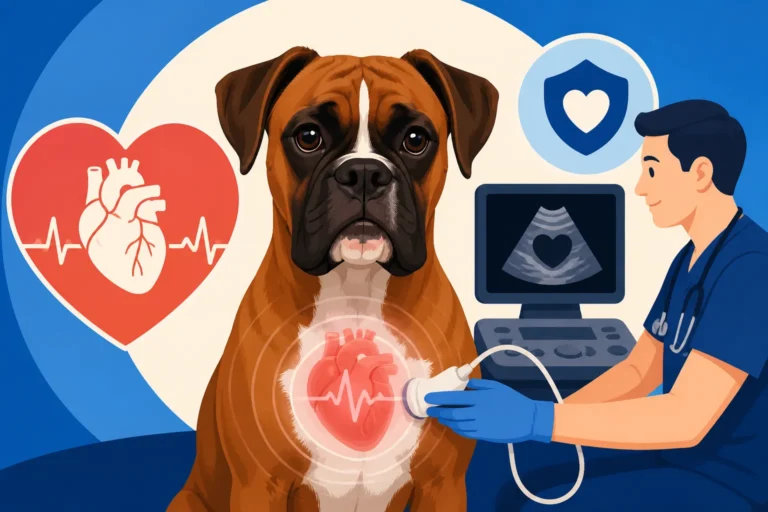
If your vet has recommended a cardiology referral, an echocardiogram (often called an "echo") is almost certainly on the agenda. Think of it as an ultrasound of the heart. This non-invasive test uses sound waves to create real-time images of your Boxer's heart chambers, valves, and major blood vessels. It’s absolutely invaluable for diagnosing most heart conditions in Boxers.
During the procedure, your Boxer will lie comfortably on a special table with a cutout, allowing the cardiologist to access their chest with a transducer probe. Sometimes, a small patch of fur might be shaved to ensure good contact. The cardiologist will apply a gel to the probe and then systematically scan your Boxer's chest, visualizing the heart from various angles. They'll be able to measure the thickness of the heart muscle, assess the size of the chambers, check for proper valve function, and estimate blood flow velocity. This detailed view can reveal abnormalities like a narrowed aorta, as seen in Screening a Boxer for Subaortic Stenosis, or changes in heart muscle thickness and contractility that are characteristic of cardiomyopathy.
The echo provides critical information that cannot be obtained from X-rays or ECGs alone. It helps to determine the type and severity of heart disease, detect any fluid around the heart or in the lungs, and guide treatment decisions. Unlike an X-ray, it shows dynamic movement, which is essential for evaluating the pumping efficiency of the heart. The results are often discussed with you immediately, giving you a clearer picture of your Boxer's cardiac health. The cost of an echo is a significant part of Echo Prices When Screening a Boxer's Heart, but it's an indispensable diagnostic step.
The Role of a Holter Monitor in Diagnosing Arrhythmias
While an echocardiogram shows the heart's structure, it doesn't always catch fleeting electrical problems. That's where a Holter monitor comes in. Boxers are notoriously prone to a condition called Arrhythmogenic Right Ventricular Cardiomyopathy (ARVC), which causes electrical disturbances leading to abnormal heart rhythms (arrhythmias). These arrhythmias can be intermittent and might not be present during a brief in-clinic ECG.
A Holter monitor is a small, portable ECG device that your Boxer wears for 24 to 48 hours. Electrodes are carefully placed on your Boxer's chest, and the device continuously records every single heartbeat over that period. This extended monitoring significantly increases the chances of capturing any intermittent arrhythmias, such as premature ventricular contractions (PVCs) that are characteristic of ARVC. Your Boxer can go about their normal daily activities while wearing the monitor, which is crucial for identifying rhythm disturbances that might only occur during exercise, excitement, or rest. It's often recommended for Boxers, especially as they reach a certain age, with Why a Boxer Holter Starts at Three Years being a common guideline.
After the monitoring period, the data is downloaded and meticulously analyzed by the cardiologist. They look for the type, frequency, and severity of any abnormal beats, such as PVCs. The number of Counting PVCs on a Boxer's Holter Result helps determine the stage of ARVC and guides treatment with medications like sotalol or mexiletine. This detailed electrical snapshot is absolutely vital for diagnosing and managing conditions like ARVC, which can otherwise go undetected until a severe event occurs. The cost of renting and analyzing a Holter monitor is another important aspect of Annual Holter Screening as a Boxer Expense.
Other Essential Diagnostic Tools
While the echocardiogram and Holter monitor are the primary tools in a Boxer cardiology referral, several other tests may be employed to round out the diagnostic picture. Each provides a different piece of the puzzle, helping the cardiologist formulate the most accurate diagnosis and treatment plan.
One common additional test is a routine electrocardiogram (ECG). This is a quick, in-clinic test that measures the electrical activity of the heart for a short period. While it might not catch intermittent arrhythmias that a Holter does, it's excellent for identifying sustained arrhythmias, conduction abnormalities, and sometimes even signs of chamber enlargement. Blood tests are also frequently ordered. These can include a complete blood count (CBC) and a biochemistry panel to assess overall organ function and rule out other systemic illnesses that might be mimicking heart disease symptoms. Additionally, specific cardiac biomarkers, such as NT-proBNP, can be measured to assess the severity of heart muscle stretch and stress, providing further evidence of heart failure.
Chest X-rays (radiographs) are another basic but important tool. They help the cardiologist evaluate the size and shape of the heart, assess for fluid accumulation in the lungs (pulmonary edema) or chest cavity (pleural effusion), and examine the pulmonary vessels. For example, an enlarged heart silhouette or specific patterns of fluid in the lungs can strongly indicate congestive heart failure. These various diagnostic tests, when combined with the physical exam and patient history, allow the cardiologist to construct a comprehensive understanding of your Boxer’s heart health, ensuring no stone is left unturned in their care.
Interpreting the Results and Understanding the Diagnosis
Once all the diagnostic tests are complete, the cardiologist will meticulously review all the data. This is where their specialized expertise truly shines, as they piece together the information from the echo, Holter, X-rays, and blood work to give you a definitive diagnosis. It's a critical moment, but also one that brings clarity to a potentially confusing and scary situation.
Decoding Your Boxer's Heart Condition
Receiving a diagnosis for your Boxer's heart condition can be overwhelming. The cardiologist will sit down with you to explain the findings in detail, using all the information gathered from the battery of tests. They will explain what specific condition your Boxer has, such as Dilated Cardiomyopathy (DCM), Arrhythmogenic Right Ventricular Cardiomyopathy (ARVC), Subaortic Stenosis (SAS), or a different valvular disease. They’ll clarify the severity of the condition, whether it's mild, moderate, or severe, and if it's currently causing congestive heart failure.
For instance, if your Boxer is diagnosed with ARVC, the cardiologist will discuss the specific type and number of PVCs captured on the Holter monitor, and how these findings correlate with any structural changes seen on the echocardiogram. If it’s SAS, they’ll explain the degree of narrowing in the aorta and what that means for blood flow and heart strain, as discussed in Living With a Boxer That Has SAS. They’ll also cover any other incidental findings, as sometimes different conditions can coexist or complicate each other.
It's natural to have a million questions, and the cardiologist expects them. Don't hesitate to ask for clarification, or for them to re-explain terms you don't understand. Bring a notebook to jot down key information, including the name of the condition, its stage, and the initial recommendations. This conversation forms the foundation of your Boxer's long-term care plan, empowering you with the knowledge needed to make informed decisions.
Prognosis and What Comes Next
Understanding the diagnosis is one thing, but knowing the prognosis – what the future generally holds – is another crucial aspect. The cardiologist will provide an honest assessment of your Boxer's outlook, which will depend heavily on the specific condition, its severity, and how well your Boxer responds to treatment. It's important to remember that prognoses are typically generalizations, and every Boxer is an individual.
For some conditions, like mild Subaortic Stenosis, the prognosis might be relatively good with careful management. For others, like advanced stages of ARVC or DCM with congestive heart failure, the prognosis might be more guarded. The cardiologist will discuss typical lifespans for Boxers with these conditions, potential complications, and what signs to watch out for that might indicate a worsening of their condition. This conversation can be tough, but it's essential for setting realistic expectations and preparing for the journey ahead.
Following the diagnosis, the cardiologist will outline the recommended next steps. This almost always involves starting medication, discussing lifestyle changes, and scheduling follow-up appointments. They might suggest dietary adjustments, specific exercise restrictions (for example, Exercise After a Boxer ARVC Diagnosis might be severely limited), or even referrals to other specialists if co-existing conditions are present. They'll also explain the importance of regular monitoring, as heart conditions can progress over time, requiring adjustments to medication or management strategies. This comprehensive plan is designed to maximize your Boxer's quality of life for as long as possible.
Managing Your Boxer's Heart Condition Long-Term
A heart disease diagnosis for your Boxer is a life-altering event, but it's not the end of the road. With the right management plan and ongoing care, many Boxers with heart conditions can continue to lead happy, comfortable lives. The key is strict adherence to the cardiologist’s recommendations and proactive monitoring.
Treatment Options and Medications
Once a definitive diagnosis is made, the cardiologist will prescribe a tailored treatment plan, which almost always involves medication. The specific drugs will depend on your Boxer's diagnosis, the severity of their condition, and any concurrent issues. For instance, Boxers with ARVC might be prescribed antiarrhythmic medications like Sotalol or Mexiletine to control abnormal heart rhythms. These medications work by stabilizing the electrical activity of the heart, reducing the frequency of dangerous PVCs. The cost of such medications, like What Sotalol Costs a Boxer Owner Monthly, can be a significant ongoing expense.
For Boxers suffering from congestive heart failure, a common cocktail of medications might include diuretics (like Furosemide) to remove excess fluid from the lungs and body, ACE inhibitors (like Enalapril or Benazepril) to help dilate blood vessels and reduce the heart's workload, and sometimes positive inotropes (like Pimobendan) to improve the heart's pumping ability. Beta-blockers might also be used in certain situations. It's crucial to administer these medications exactly as prescribed, at the correct dosage and frequency. Missing doses or altering the regimen without veterinary consultation can have serious consequences. Many owners find it convenient to order these prescription medications through online pet pharmacies like Chewy, which can often offer competitive pricing and home delivery.
In addition to prescription drugs, the cardiologist might recommend certain supplements, such as fish oil, known for its anti-inflammatory properties and potential benefits for cardiac health. Discussing all treatment options thoroughly with your cardiologist and understanding the purpose of each medication is vital for successful long-term management.
Lifestyle Adjustments for a Boxer with Heart Disease
Medication is a cornerstone of managing heart disease, but lifestyle adjustments play an equally critical role in preserving your Boxer's quality of life. The cardiologist will provide specific recommendations tailored to your Boxer's condition, focusing on areas like exercise, diet, and stress management.
Exercise restrictions are often a significant change for active Boxers. For those with conditions like severe ARVC or congestive heart failure, strenuous activity can be dangerous, potentially triggering arrhythmias or exacerbating fluid buildup. The cardiologist might advise limiting exercise to short, leashed walks, avoiding intense play sessions, and steering clear of situations that cause excessive excitement or stress. It's a tough adjustment for a breed famous for its energy, but prioritizing gentle activity is essential. You might be told to simply avoid What a Boxer With ARVC Can Still Do when it comes to intense activity.
Dietary modifications are also common. For Boxers with heart failure, a low-sodium diet is frequently recommended to help reduce fluid retention and ease the workload on the heart. Your cardiologist might recommend specific prescription cardiac diets, or guide you on how to prepare low-sodium meals at home, if feasible. Maintaining an ideal body weight is also paramount, as obesity puts additional strain on the heart. Regular weigh-ins and calorie management are key. Lastly, minimizing stress and ensuring a calm, stable home environment can also contribute to overall heart health. These adjustments, while sometimes challenging to implement, are vital for supporting your Boxer's heart and extending their comfortable years.
Ongoing Monitoring and Follow-Up Care
Managing a Boxer with heart disease is not a one-time fix; it's an ongoing journey that requires diligent monitoring and regular follow-up with your cardiologist. Heart conditions can progress, and treatment plans often need to be adjusted over time to remain effective.
Your cardiologist will establish a schedule for recheck appointments, which might involve repeat echocardiograms, Holter monitoring, blood tests, and physical examinations. These follow-up visits are crucial for assessing how well your Boxer is responding to medication, detecting any signs of disease progression, and making necessary adjustments to their treatment regimen. For example, if your Boxer's PVC count increases significantly on a follow-up Holter, or if fluid starts to accumulate again despite medication, the cardiologist will modify drug dosages or add new medications. The cost of these Yearly Cardiology Costs for a Boxer With ARVC can add up, highlighting the importance of financial planning or pet insurance.
As an owner, you become a vital part of the monitoring team. You’ll need to vigilantly watch for any changes in your Boxer’s breathing, energy levels, appetite, or the presence of coughing or fainting spells. Keeping a detailed log of these observations, including how often they occur and what triggers them, will provide invaluable information to your cardiologist during recheck appointments. Pet insurance plans like Healthy Paws can be incredibly helpful in covering these recurring specialist visits and the ongoing cost of medications, ensuring you can provide the best possible care without overwhelming financial stress. Proactive communication with your veterinary cardiology team is paramount; never hesitate to call them if you notice concerning symptoms between scheduled visits.
| Diagnostic Test | What It Measures/Shows | Why It's Important for Boxers | Typical Cost Range (USD) * | Frequency |
|---|---|---|---|---|
| Physical Exam | Heart/lung sounds, pulse, blood pressure, general health | Initial screening, detects murmurs/arrhythmias | Part of consultation fee | Every visit |
| Echocardiogram (Echo) | Heart structure, chamber size, valve function, blood flow | Diagnoses ARVC, SAS, DCM; assesses severity | $400 – $800 | Initial, then annually/bi-annually |
| Holter Monitor | 24-48 hour continuous ECG recording of electrical activity | Detects intermittent arrhythmias (PVCs) common in ARVC | $250 – $600 (rental + analysis) | Initial (if arrhythmia suspected), then annually/bi-annually |
| Chest X-rays | Heart size/shape, fluid in lungs/chest | Screens for congestive heart failure, pulmonary edema | $150 – $300 | Initial, then as needed |
| Blood Tests | Overall organ function, cardiac biomarkers | Rules out other diseases, assesses heart stress (NT-proBNP) | $100 – $300 | Initial, then as needed/regularly |
- Costs are estimates and can vary significantly by location, clinic, and specific services included.
Disclaimer
The information provided in this guide is intended for educational purposes only and should not be considered a substitute for professional veterinary advice. Always consult with a qualified veterinarian or veterinary cardiologist regarding any medical concerns or before making any decisions about your Boxer's health care.