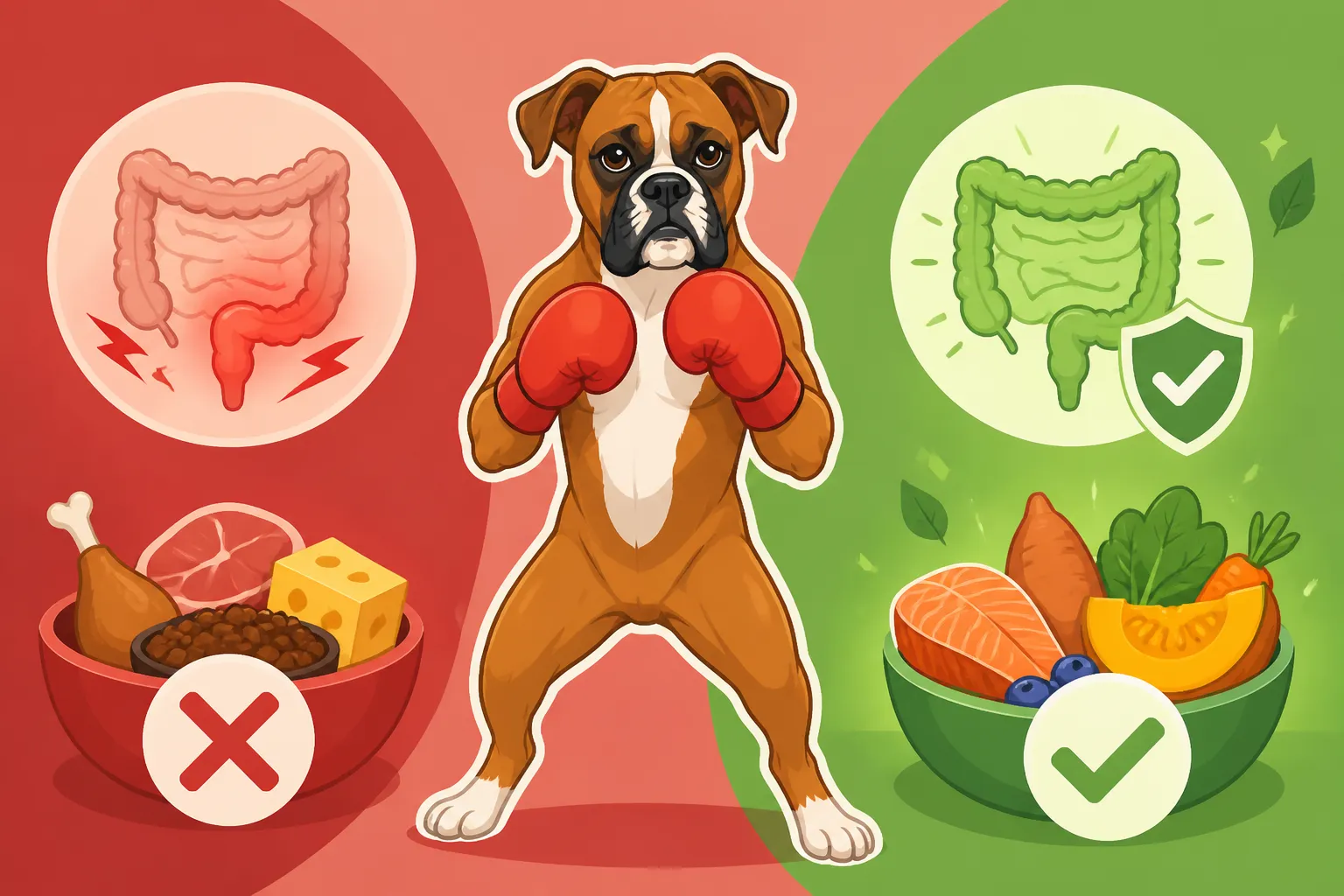
Colitis Diets as a Standing Boxer Cost
If you're a Boxer owner, you know the pure joy these goofy, energetic dogs bring into our lives. But you also know the gut-wrenching worry that comes when they aren't feeling their best, especially when it involves their delicate digestive systems. Many of us have faced that dreaded call from the vet, or even worse, a sudden emergency visit, all because our beloved Boxer is struggling with chronic colitis. It’s not just a passing upset stomach; it’s a recurring nightmare of diarrhea, discomfort, and often, bloody mucus in their stool. The frustration isn't just seeing them suffer, but also navigating the confusing world of special diets, medications, and the ever-present question of cost. This guide is here to walk you through exactly what "colitis diets as a standing Boxer cost" really means, from the initial diagnosis to the daily management of keeping your Boxer's gut happy and healthy, and your wallet from taking too big a hit.
Understanding Boxer Colitis and Why Diet Matters So Much
Dealing with a Boxer who suffers from colitis can feel like you're constantly walking on eggshells. One wrong meal, one accidental treat, and you're back to square one, cleaning up messes and trying to soothe an uncomfortable pup. It's a common, often chronic, condition in our breed, and it's a huge source of stress for many Boxer families.
The Frustration of Chronic Digestive Issues in Boxers
Imagine your Boxer, usually a whirlwind of happy energy, suddenly looking subdued, hunched over, and straining during potty breaks. Then you see it – loose, watery stools, sometimes with that alarming streaky blood or glistening mucus. It’s heartbreaking. For many Boxer owners, this isn't a one-off event but a recurring battle. You try different foods, you might even change brands based on what your friend’s dog tolerates, but the problem persists. The constant vigilance, the interrupted nights, the worry about their long-term health – it all adds up. It’s particularly frustrating because Boxers are such active, playful dogs, and chronic digestive upset can severely impact their quality of life, making them lethargic and less engaged.
How Colitis Develops in a Boxer
Colitis in Boxers, often called Boxer Colitis, is essentially an inflammation of the colon. The colon's job is to absorb water and electrolytes, and when it's inflamed, it struggles to do that, leading to the classic symptoms of diarrhea, frequent small stools, urgency, and straining. For our Boxers, it’s often tied to a specific type of inflammatory bowel disease (IBD) known as granulomatous colitis, or sometimes "histiocytic ulcerative colitis." This particular form is thought to have a genetic component and often manifests in younger Boxers, typically between two months and two years old.
Research suggests that an abnormal immune response to certain bacteria, especially an invasive strain of E. coli, might be a key factor. This E. coli actually invades the colon wall, causing persistent inflammation that antibiotics sometimes struggle to reach effectively. While other dogs can get colitis from stress, parasites, or sudden diet changes, in Boxers, there's often a deeper, more stubborn underlying issue at play. This means that while a simple change might fix a generic case of diarrhea, a Boxer with true colitis needs a much more strategic, often long-term, approach. It's not just about managing symptoms; it's about addressing the chronic inflammation at its root.
The Role of Diet in Managing Inflammation
Given that colitis is an inflammatory condition affecting the gut, it makes perfect sense that diet plays a critical role in its management. Think of it this way: what your Boxer eats directly interacts with their inflamed colon. Certain ingredients can act like fuel to the fire, exacerbating the inflammation, while others can help soothe it and promote healing.
The goal of a colitis diet is multifaceted: to reduce inflammation, minimize irritation to the gut lining, provide easily digestible nutrients, and support a healthy gut microbiome. This often means carefully selecting protein sources, fat levels, and fiber types. For some Boxers, a diet free from common allergens like chicken or beef can make a world of difference. For others, the focus might be on highly digestible ingredients that give the gut a break from working too hard. Without the right diet, medications might only offer temporary relief, and the cycle of flare-ups will continue. Understanding Diet Changes for a Boxer With Colitis is often the first and most impactful step in getting your pup comfortable again.
The Initial Investment: Diagnosing and Experimenting with Diets
When your Boxer first starts showing signs of chronic colitis, the road to diagnosis and finding a suitable diet can be emotionally draining and, let's be honest, quite expensive. It’s a process of elimination, often requiring multiple vet visits, tests, and trial-and-error with various foods.
The Cost of Veterinary Diagnosis and Imaging
The first step, naturally, is a trip to the vet. They'll likely start with a thorough physical exam, fecal tests to rule out parasites like Giardia, and routine bloodwork to check for other underlying health issues. If these initial tests are inconclusive, or if symptoms are severe, your vet might recommend more advanced diagnostics. This could include abdominal X-rays or ultrasound to check for foreign bodies or structural abnormalities.
For suspected Boxer Colitis, a definitive diagnosis often requires a colonoscopy with biopsies. This procedure involves general anesthesia, and a specialist will insert a tiny camera into your Boxer's colon to visually inspect the lining and collect tissue samples. These samples are then sent to a lab for histopathology, where they are examined under a microscope to confirm inflammation and identify the specific type of colitis, such as the E. coli associated granulomatous colitis. This level of investigation, while crucial for an accurate diagnosis, can quickly add up. You're looking at costs that can range from several hundred to well over a thousand dollars, depending on your location and the complexity of the case. It's a significant initial outlay, but it’s essential to avoid barking up the wrong tree with treatments. If you're wondering about specific diagnostic steps, reading up on Diagnosing Boxer Colitis by Biopsy can offer more insight into this process.
Navigating the Trial-and-Error of Elimination Diets
Once other conditions are ruled out, your vet will almost certainly recommend an elimination diet. This is where the real work (and more cost) begins. An elimination diet isn't just "switching kibble." It's a strict, often 8-12 week trial where your Boxer eats only a specific, novel protein and carbohydrate source that they have never eaten before, or a hydrolyzed protein diet.
The challenge is finding a food that contains truly novel ingredients that your Boxer hasn't been exposed to. Think ingredients like kangaroo and oat, or venison and potato, rather than the ubiquitous chicken and rice. You become a food detective, meticulously checking every treat, every dropped crumb, and every stray bit of kibble from another pet in the house. This strictness is vital because even a tiny exposure to a triggering ingredient can sabotage the whole trial, sending you back to square one. This phase is mentally taxing because you’re constantly questioning if you’re doing it right, and it can be expensive as you cycle through different high-quality, often pricier, limited ingredient foods from brands like Royal Canin or Hill's Prescription Diet. Many owners find themselves ordering from online retailers like Chewy because of their wide selection of specialized diets and the convenience of home delivery.
Specialized Diets: Hydrolyzed Protein vs. Novel Proteins
When it comes to specialized diets for colitis, you'll primarily hear about two categories: hydrolyzed protein diets and novel protein diets. Both aim to reduce the immune system's reaction to food proteins, but they do it in different ways.
Hydrolyzed protein diets contain proteins that have been broken down into such tiny pieces that the immune system doesn't recognize them as foreign invaders. Think of it like pre-digested food. The idea is that these microscopic protein fragments are less likely to trigger an allergic or inflammatory response in the gut. Brands like Hill's z/d or Purina HA are common examples. These diets are often highly effective for severe food sensitivities or IBD cases because they offer a "reset" for the digestive system. However, they come with a premium price tag due to the specialized processing involved.
Novel protein diets, on the other hand, use protein sources that your Boxer is unlikely to have encountered before, such as venison, duck, rabbit, or kangaroo. The logic here is that if your Boxer has never eaten it, their immune system won't have developed an adverse reaction to it. These diets can be very successful if your Boxer's colitis is due to a specific food allergy to more common proteins. You'll find a growing number of novel protein options, including some fresh food brands. The downside is that once you use a novel protein, it's no longer "novel" if you need to do another elimination trial later. Both types require commitment, careful monitoring, and a willingness to invest in higher-cost pet food, sometimes for the rest of your Boxer's life.
Ongoing Costs: What to Expect from a Lifetime Colitis Diet
Once you've navigated the diagnostic maze and hopefully found a diet that brings your Boxer some relief, the reality sets in: this isn't a temporary fix. Colitis diets often become a standing, ongoing cost for the lifetime of your Boxer. And these specialized foods are rarely the cheapest option on the shelf.
The Premium Price Tag of Prescription and Limited Ingredient Foods
Let's be blunt: prescription and high-quality limited ingredient diets are expensive. They just are. You’re paying for specialized formulations, rigorous research, high-quality (and often exotic) ingredients, and careful manufacturing processes designed to prevent cross-contamination with common allergens. A large bag of prescription kibble, which might last a couple of weeks for a seventy-pound Boxer, can easily run you double or triple the cost of a standard commercial kibble. If your Boxer does better on canned food or a fresh food diet, those costs can escalate even further.
For instance, a monthly supply of Hill's Prescription Diet z/d or Royal Canin Hydrolyzed Protein might cost anywhere from $80-$150, or more, depending on your Boxer's weight and caloric needs. This isn't just an occasional purchase; it's a fixed line item in your monthly budget. And it's not something you can easily skimp on, because a return to symptoms means more vet visits, more medication, and more discomfort for your beloved pup. It’s part of the Prescription Food Costs for a Boxer With Colitis reality that many owners grapple with.
Supplements and Additives to Support Gut Health
Diet is the cornerstone, but it's not always the only thing. Many Boxers with colitis also benefit from various supplements aimed at supporting gut health and reducing inflammation. These can include:
- Probiotics: These beneficial bacteria help rebalance the gut microbiome, which is often disrupted in dogs with IBD. High-quality veterinary-specific probiotics, like Fortiflora or Purina Pro Plan Veterinary Diets Calming Care, can be incredibly helpful but add to the monthly expense.
- Prebiotics: These are fibers that feed the good bacteria in the gut, supporting their growth and function. They're often found in specialized diets but can also be added as a supplement.
- Omega-3 Fatty Acids: Fish oil, rich in EPA and DHA, has anti-inflammatory properties that can benefit the gut lining. Again, high-quality, veterinary-grade fish oil comes at a cost.
- Specific Fiber Blends: Some Boxers do better with a specific balance of soluble and insoluble fibers to help regulate bowel movements and feed beneficial gut bacteria. Psyllium husk or other fiber supplements might be recommended.
These supplements, while often effective, aren't cheap. Adding one or two to your Boxer's daily regimen can tack on an extra $20-$50 per month, sometimes more. It's a careful balance of what helps and what the budget can sustain. You might find that Probiotics for a Boxer After Antibiotics is a common recommendation, especially after rounds of medication.
Home-Cooked Diets: Time, Effort, and Nutritional Balancing
For some Boxer owners, particularly those whose dogs react to nearly every commercial food, or who prefer a more natural approach, a home-cooked diet might seem like a viable alternative. And it can be, but it comes with its own set of significant costs and challenges.
Firstly, there's the cost of ingredients. Lean meats like turkey or white fish, specialized starches like sweet potato or quinoa, and a carefully selected array of vegetables can be pricier than bulk kibble. You’re essentially buying human-grade food in larger quantities. Secondly, there’s the monumental time commitment involved in sourcing, preparing, and cooking every meal. This isn't just throwing some chicken in a pot; it’s measuring, balancing, and ensuring complete nutrition.
Crucially, a home-cooked diet must be formulated by a board-certified veterinary nutritionist. Without their expert guidance, it's incredibly easy to create a diet that is nutritionally unbalanced, leading to deficiencies or excesses that can cause new health problems, or even exacerbate the colitis. The initial consultation and diet formulation fee for a veterinary nutritionist can be several hundred dollars, and subsequent check-ins also incur costs. So, while it offers control, a properly done home-cooked diet isn't necessarily cheaper or easier in the long run, and it certainly requires a deep dive into Feeding a Boxer That Strains to Pass Stool to ensure you're addressing their specific needs.
Comparing Diet Options: Kibble, Wet, Fresh, and Raw
The landscape of dog food is vast and can be overwhelming, especially when you're looking for specific solutions for a condition like colitis. Each type of diet—kibble, wet, fresh, and raw—comes with its own set of pros, cons, and, of course, costs. Let's break down what each means for a Boxer with colitis.
Commercial Prescription Kibble and Canned Options
This is often the first line of dietary management recommended by veterinarians for colitis, especially if food sensitivities are suspected. Prescription diets, such as those from Hill's, Royal Canin, or Purina Pro Plan Veterinary Diets, are formulated to be highly digestible, often contain hydrolyzed or novel proteins, and have carefully controlled fat and fiber levels.
Pros:
- Veterinary Approved: Formulated by veterinary nutritionists with clinical trials to back their efficacy.
- Convenient: Easy to store, portion, and feed.
- Complete and Balanced: Guaranteed to meet your Boxer's nutritional needs.
- Consistency: Each bag or can is consistent in its ingredients and nutrient profile, which is critical for sensitive guts.
Cons:
- High Cost: Significantly more expensive than regular commercial foods.
- Limited Palatability: Some Boxers find these diets less appealing, especially the hydrolyzed protein varieties.
- Ingredient Limitations: While beneficial for colitis, the ingredient list might not appeal to owners seeking "whole food" options.
Cost Estimate: For a large Boxer, expect to spend anywhere from $80-$150+ per month for kibble, and potentially $150-$300+ for an all-canned prescription diet.
Fresh-Prepared Dog Food Services
Over the past few years, fresh-prepared dog food services have gained immense popularity, offering human-grade, gently cooked meals delivered to your door. Brands like Ollie, Nom Nom, The Farmer's Dog, or JustFoodForDogs formulate recipes that often use limited ingredients and high-quality protein sources, which can be beneficial for Boxers with sensitive stomachs.
Pros:
- Highly Palatable: Dogs generally love fresh food, which is great for Boxers who might be picky eaters due to their colitis.
- Digestibility: Gently cooked, human-grade ingredients are often easier for sensitive guts to process.
- Customizable: Some services allow for customization based on allergies or specific dietary needs, which can be great for individual Boxer cases.
- Transparency: You know exactly what’s in the food, as ingredients are typically recognizable.
Cons:
- Very High Cost: This is generally the most expensive option, as you’re paying for high-quality ingredients, preparation, and shipping.
- Refrigeration Required: Takes up significant fridge/freezer space.
- Subscription Model: Requires regular scheduled deliveries.
Cost Estimate: For a seventy-pound Boxer, fresh food services can easily range from $200-$400+ per month, depending on the brand and recipe.
The Realities of a Raw Diet for Colitis
Raw feeding, often called BARF (Biologically Appropriate Raw Food) or prey model diets, involves feeding uncooked meat, organs, and bones, sometimes with fruits and vegetables. Advocates believe it's closer to what a dog's ancestors would eat and can lead to improved digestion and overall health.
Pros:
- High Digestibility (for some): Many raw feeders report significant improvements in stool quality and overall vitality for their dogs with digestive issues.
- Ingredient Control: If you prepare it yourself, you have ultimate control over every single ingredient.
- No Fillers/Additives: Free from artificial colors, flavors, and preservatives that some Boxers may react to.
Cons:
- Contamination Risk: Raw meat carries a risk of bacterial contamination (Salmonella, E. coli) that can pose a risk to both the dog and humans in the household.
- Nutritional Imbalance: Formulating a complete and balanced raw diet on your own is incredibly difficult and risky without expert veterinary nutritionist guidance. Improperly balanced raw diets can lead to severe health problems.
- Storage and Handling: Requires careful handling and significant freezer space.
- Not for All Boxers: While some Boxers thrive, others with compromised immune systems or specific digestive issues may not do well on raw.
Cost Estimate: This varies widely. Pre-made commercial raw diets can range from $150-$350+ per month. Home-prepared raw can be cheaper or more expensive depending on your sourcing, but remember the cost of nutritionist consultation is vital.
Here's a quick comparison table:
| Diet Type | Average Monthly Cost (70lb Boxer) | Convenience | Gut Health Suitability (for Colitis) | Pros | Cons |
|---|---|---|---|---|---|
| Prescription Kibble | $80 – $150 | High | Good – Excellent | Vet-approved, balanced, consistent, easy storage | High cost, can be less palatable, processed ingredients |
| Prescription Canned | $150 – $300+ | High | Excellent | Vet-approved, very palatable, good moisture content | Very high cost, heavy to transport, storage space |
| Fresh-Prepared | $200 – $400+ | Moderate (delivery) | Good – Excellent | Highly palatable, digestible, transparent ingredients, customizable | Very high cost, requires fridge space, subscription model |
| Home-Cooked (Vet-Formulated) | Varies, can be $150+ | Low (time commitment) | Excellent (customized) | Ultimate control, highly tailored to individual Boxer | High time investment, expensive ingredients, must be vet-formulated for safety |
| Commercial Raw | $150 – $350+ | Moderate | Good (for some Boxers) | High digestibility (for some), whole food approach | Contamination risk, expensive, requires careful handling, not suitable for all Boxers |
Financial Strategies for Managing Colitis Diet Costs
The reality of managing Boxer colitis is that the specialized diet is a standing, significant cost. It’s not a one-time purchase but a continuous investment in your Boxer's health and comfort. So, how do you make this financially sustainable without compromising their care?
Budgeting for Ongoing Specialized Food Expenses
The first step is to acknowledge that this is a non-negotiable expense and factor it into your monthly budget. Treat it like rent or a utility bill. Many owners find it helpful to set up a separate savings fund or allocate a specific amount each month purely for their Boxer's food and necessary supplements.
Consider buying in bulk if storage allows. Many online retailers offer discounts for larger bags or subscription services that save a percentage off each order. Planning ahead means you’re not caught off guard by unexpected price hikes or needing to buy smaller, more expensive bags in a pinch. Also, be mindful of treats. Any treat given must conform to the strict dietary requirements. Often, this means buying expensive single-ingredient treats (like freeze-dried novel proteins) or making your own approved treats, which again adds to the overall cost and effort. This entire exercise underscores The Yearly Bill for a Seventy-Pound Boxer and how specific health conditions can significantly escalate it.
The Role of Pet Insurance in Covering Prescription Diets
This is a tricky one, and it's essential to understand the fine print. Pet insurance can be a lifesaver for unexpected illnesses, but its coverage for prescription diets for chronic conditions like colitis varies wildly.
Most pet insurance policies, like those from Healthy Paws, typically cover the diagnostic costs (vet visits, bloodwork, biopsies, colonoscopies) and medications (antibiotics, steroids, anti-inflammatories) associated with colitis. However, many policies do not cover the ongoing cost of prescription food itself, considering it a "maintenance" or "preventative" expense rather than a treatment. Some policies might cover prescription diets for a limited time if they are deemed a treatment for an active flare-up, but not for long-term management.
It's absolutely crucial to contact your pet insurance provider directly and ask very specific questions:
- "Does my policy cover prescription diets for chronic conditions like colitis?"
- "Are there any specific exclusions for food-related treatments?"
- "Is there a time limit on how long prescription food would be covered?"
- "What documentation do I need from my vet to submit a claim for diet?"
The bottom line is, don't assume. Get clarification in writing if possible. If you're considering pet insurance, it's a good idea to research Whether Pet Insurance Pays Off for a Boxer before a diagnosis, as pre-existing conditions are almost never covered.
Finding Reputable Retailers and Subscription Savings
To help manage the ongoing costs, smart shopping is key. Online pet supply retailers are often your best bet for prescription diets. They usually have better pricing than your vet's office (though always support your local vet where you can!) and offer subscription services that can provide a small but welcome discount.
- Chewy: Known for its "Autoship" program, which often gives a percentage off your first Autoship order and subsequent deliveries. They also have excellent customer service and a vast selection of prescription foods.
- Other Online Retailers: Look for sites like PetFlow, PetMeds, or even Amazon, but always ensure you're buying from a reputable source, especially for prescription diets which require veterinary authorization.
- Direct from Fresh Food Brands: If you go the fresh-prepared route, brands like Ollie offer subscription models with various plans and pricing tiers. They often have introductory discounts that can help ease the initial financial burden.
Always compare prices, keep an eye out for coupons or sales, and consider buying larger bags if it's more cost-effective and your Boxer tolerates the food well. Don’t be afraid to ask your vet if they have any samples or can recommend alternative, slightly more affordable brands that meet the same dietary criteria.
Beyond Diet: Holistic Management and Preventing Flare-Ups
While diet is undeniably the cornerstone of managing Boxer colitis, it’s rarely the whole story. A truly holistic approach looks at other factors that can influence gut health, including stress, environmental triggers, and the importance of ongoing veterinary care. Ignoring these elements can undermine even the most perfect diet, leading to frustrating flare-ups and additional costs.
Stress Management and Its Impact on Boxer Colitis
Just like in humans, stress can wreak havoc on a dog's digestive system. For a Boxer prone to colitis, emotional stress can be a significant trigger for flare-ups, even if their diet is impeccable. Think about it: a sudden change in routine, a new pet or family member, separation anxiety when you leave for work, or even loud noises like thunderstorms or fireworks can create internal turmoil that manifests as gut upset.
Managing stress for your Boxer is paramount. This might involve:
- Consistent Routine: Boxers thrive on predictability. Stick to a regular feeding, potty, and exercise schedule.
- Safe Spaces: Ensure your Boxer has a quiet, comfortable "den" (like a crate or a specific bed) where they can retreat and feel secure.
- Appropriate Exercise and Mental Stimulation: A bored Boxer is a stressed Boxer. Ensure they get adequate physical activity and mental enrichment through training, puzzle toys, and interactive play. However, be careful not to over-exercise, especially if they have other health issues like ARVC.
- Calming Aids: In some cases, natural calming supplements, pheromone diffusers, or even prescription anxiety medication might be necessary, especially if their stress is severe.
- Positive Reinforcement Training: Avoid harsh training methods that can increase anxiety. Focus on building confidence and a strong bond.
Addressing stress effectively can reduce the frequency and severity of colitis episodes, saving you money on emergency vet visits and additional medications.
Regular Vet Check-ups and Monitoring
Even if your Boxer is doing great on their specialized diet, regular check-ups with your veterinarian are non-negotiable. Colitis is a chronic condition, and ongoing monitoring is essential to catch any potential issues early and adjust the management plan as needed.
During these visits, your vet will assess your Boxer's overall health, discuss any changes in symptoms, and may recommend periodic blood tests or fecal analysis. These check-ups are also an opportunity to discuss any new supplements, potential dietary adjustments, or concerns you might have. Early detection of a worsening condition or new problem can prevent a small issue from escalating into a costly emergency. For instance, sometimes Boxer Colitis and the Young Dogs It Hits can manifest with periods of remission and relapse, and having a vet monitor these cycles is important.
These routine visits, while an expense, are a smart investment. They help maintain your Boxer’s stability and can prevent larger bills down the line. Moreover, your vet can also advise on other breed-specific health screenings, like those for heart conditions or cancer, which are vital for Boxers as they age.
Exercise and Environmental Factors
While not directly diet-related, how your Boxer exercises and what they're exposed to in their environment can also play a role in their gut health.
- Appropriate Exercise: While Boxers need a good outlet for their energy, overexertion, especially in hot weather, can cause stress on their system and potentially trigger digestive upset. Splitting exercise into shorter, more frequent sessions can be beneficial. Also, ensure they have access to plenty of fresh water during and after activity.
- Environmental Triggers: Be mindful of what your Boxer has access to in your yard or on walks. Eating grass, scavenging discarded food, or ingesting certain plants can easily upset a sensitive gut. Maintaining a clean yard and supervising outdoor play are critical.
- Chemical Exposure: Be cautious with lawn chemicals, pesticides, or household cleaners. Many Boxers are curious and will sniff or lick surfaces, potentially ingesting harmful substances that can irritate their digestive tract. Opt for pet-safe alternatives whenever possible.
- Cleanliness: Maintain good hygiene around food and water bowls. Bacteria can accumulate quickly, and while not a direct cause of colitis, contaminated bowls can certainly exacerbate digestive issues.
By considering these broader aspects of your Boxer's life, you create a more stable and supportive environment for their gut health, working in tandem with their specialized diet to minimize flare-ups and maintain their comfort and well-being. It’s all part of the continuous care our beloved Boxers require, often reflected in The Ten to Twelve Year Boxer Lifespan and the ongoing commitment we make to them.
Disclaimer
This article is for general informational purposes only and does not constitute professional advice. Laws, prices and regulations vary by location and change over time. Consult a qualified professional for guidance on your specific situation.