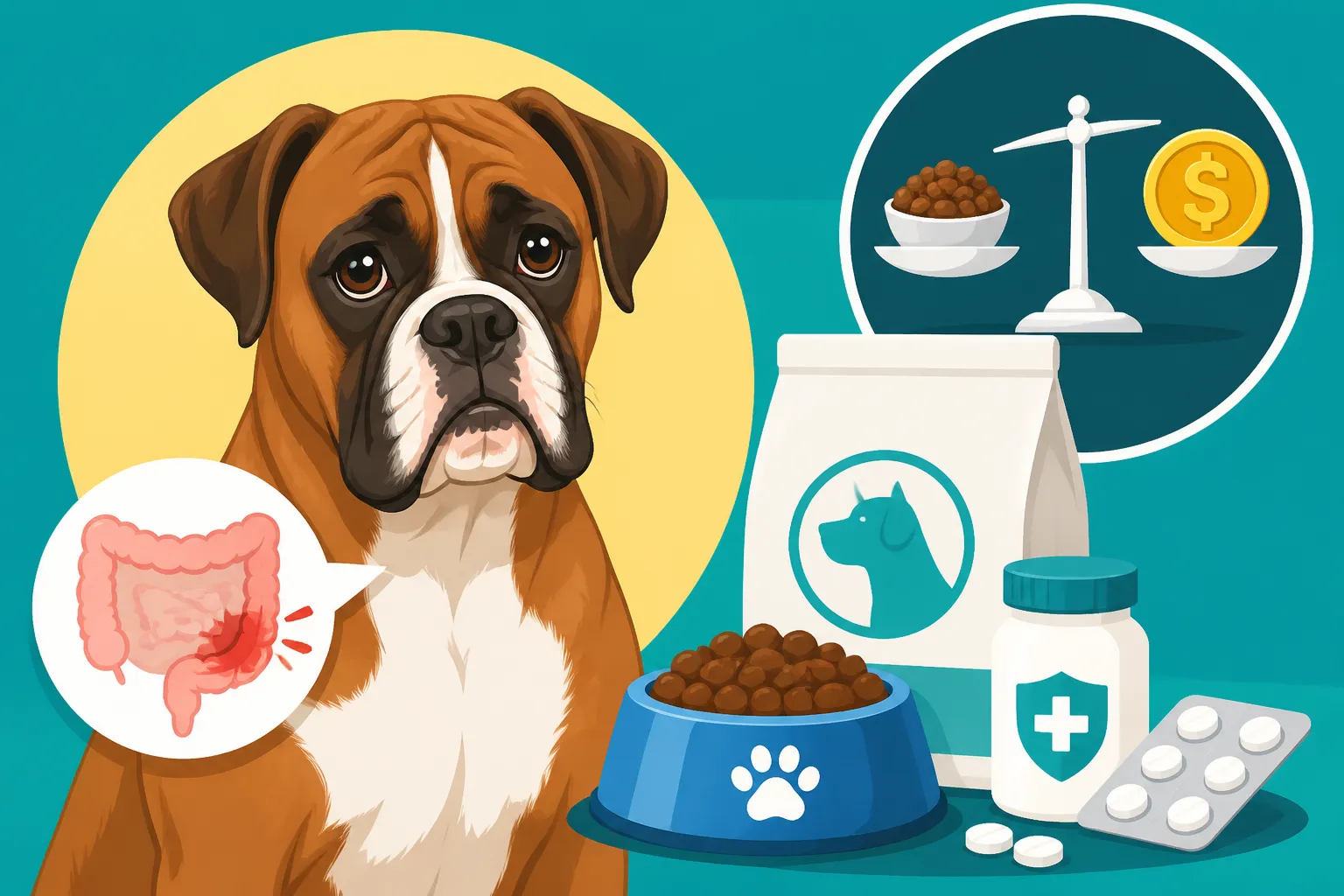
Prescription Food Costs for a Boxer With Colitis
Few things are as frustrating for a Boxer owner as watching their beloved companion struggle with chronic colitis. The constant urgent bathroom breaks, the painful straining, the worry over their discomfort—it's a tough road. And when your veterinarian recommends a prescription diet, a new set of concerns often arises: the cost. This guide is here to shed light on what makes prescription foods for Boxer colitis so expensive, break down the different types you might encounter, and offer practical strategies to manage these essential expenses, helping you provide the best care without financial overwhelm.
Navigating the Frustration of Boxer Colitis and Dietary Solutions
Many Boxer owners know the sheer frustration of dealing with colitis. It's not just a bad case of diarrhea; it's often a chronic, recurring nightmare of urgent potty breaks, painful straining, and endless cleanup. When you finally get a diagnosis of colitis for your beloved Boxer, the next hurdle is almost always diet, and that usually means a prescription food. This guide is here to break down exactly what goes into the cost of these specialized diets, why they're priced the way they are, and how you can manage these essential expenses without feeling completely overwhelmed.
The Special Dietary Needs of a Boxer with Colitis
Colitis in Boxers, often manifesting as Bloody Mucus in a Young Boxer's Stool or chronic loose stools, isn't just a simple tummy ache. It's an inflammation of the colon, and for our Boxers, it can be particularly stubborn. Many conventional dog foods, packed with common proteins like chicken or beef, or grains, can actually aggravate the condition, making symptoms worse. It's a cruel twist when you're just trying to feed your dog well, only to find the food itself is part of the problem. That's why traditional kibble often falls short.
Your veterinarian might talk about how these standard ingredients can trigger an immune response in a sensitive Boxer's gut, leading to the inflammation we call colitis. This means that merely switching to a "sensitive stomach" food from the pet store usually isn't enough because the core issue of certain protein sources or carbohydrate types might still be present. This is where the world of prescription diets comes in, offering formulas specifically designed to calm the inflamed colon and support healing.
Why Prescription Foods Are Different and Necessary
So, what makes a prescription diet for colitis so special that it requires a vet's approval and a higher price tag? It's not just a marketing gimmick. These foods are formulated with specific goals in mind: reducing inflammation, being highly digestible, and minimizing potential allergens. They're often the result of extensive research and development, something you don't always get with over-the-counter options.
For Boxers suffering from inflammatory bowel disease (IBD), which can lead to colitis, the precision of these diets is crucial. They are designed to provide complete and balanced nutrition while actively working to reduce gastrointestinal distress. Without these specialized diets, many Boxers would continue to suffer, sometimes necessitating more aggressive and costly medical interventions. They really are a cornerstone of managing the condition, often used in conjunction with medications, as discussed in Why Boxer Colitis Responds to One Antibiotic.
Dissecting the Costs: Why Prescription Food for Colitis Isn't Cheap
Let's be real: when your vet hands you that recommendation for a prescription diet, the first thing many of us do is check the price, and it can be a bit of a shock. It's perfectly normal to wonder why it costs so much more than the massive bags of kibble you're used to seeing at the supermarket. Understanding the "why" can sometimes help soften the blow, or at least explain where your money is going.
Specialized Ingredients and Manufacturing Processes
The higher cost often boils down to the ingredients themselves and the way the food is processed. Take, for instance, a hydrolyzed protein diet. This isn't just any chicken or soy; the proteins have been broken down into such tiny pieces that your Boxer's immune system is less likely to recognize them as an allergen and launch an inflammatory attack. This process is complex and adds to the manufacturing cost. Similarly, novel protein diets might use less common sources like venison, duck, or even kangaroo, which are more expensive to source and produce in bulk than chicken or beef.
These aren't ingredients you'd typically find in mass-produced pet foods. The quality control and the science behind ensuring these ingredients are effective and safe for a sensitive gut also contribute to the price. It's a far cry from generic fillers; these are purposeful ingredients designed for a specific medical condition.
Veterinary Channel and Research & Development
Another factor is the distribution model. Prescription foods are primarily sold through veterinary clinics or with veterinary authorization online. This channel ensures that pet owners are getting food that's appropriate for their dog's specific medical needs, guided by a professional. This specialized distribution network, while ensuring proper usage, also adds to the overhead.
Furthermore, the companies that produce these foods invest heavily in research and development. They fund studies, run trials, and continuously refine their formulas to be as effective as possible for complex conditions like colitis. This scientific investment is baked into the price, much like how human pharmaceuticals are priced. You're not just paying for food; you're paying for years of veterinary science aimed at improving your Boxer's quality of life.
Types of Prescription Colitis Diets and Their Price Variations
When it comes to prescription food for Boxers with colitis, it's not a one-size-fits-all situation. Your vet might recommend different types depending on the suspected cause of the colitis and how your Boxer responds. Each type has its own cost implications, so it's good to be aware of the range.
Hydrolyzed Protein Diets
These are often the go-to for Boxers with suspected food allergies or sensitivities contributing to their colitis. Brands like Purina Pro Plan Veterinary Diets HA Hydrolyzed or Royal Canin Hydrolyzed Protein are common examples. The idea is to present proteins that are so broken down that the immune system doesn't react. These are typically among the more expensive options because of the specialized processing involved.
You might find that a large bag of hydrolyzed kibble can cost significantly more than a comparable bag of premium over-the-counter food. It's a big initial outlay, but for many Boxers, the reduction in symptoms and the improvement in gut health make it invaluable.
Novel Protein Diets
If hydrolysis isn't the first step, or if your Boxer doesn't respond well, a novel protein diet might be suggested. This means using a protein source your Boxer has never eaten before, like duck, rabbit, or venison, to avoid triggering an allergic reaction. Examples include Hill's Prescription Diet z/d or Royal Canin Selected Protein. These also tend to be on the higher end of the price spectrum, mainly due to the cost of sourcing these less common proteins.
The logic here is sound: if your Boxer has developed an intolerance to chicken or beef over years, introducing a completely new protein can give their digestive system a much-needed break. These diets often require careful implementation to ensure no other proteins are introduced, as discussed in Diet Changes for a Boxer With Colitis.
High-Fiber/Digestive Support Diets
Some Boxers with colitis might benefit from diets focused on high digestibility and balanced fiber content to support gut motility and beneficial bacteria. Brands like Royal Canin Gastrointestinal Low Fat or Hill's Prescription Diet i/d might be recommended. These diets often contain prebiotics and probiotics to foster a healthy microbiome. While still more expensive than regular food, they might sometimes be slightly less costly than the ultra-specialized hydrolyzed or novel protein options, depending on the specific formulation and ingredients.
These foods are crucial for managing the symptoms and maintaining gut health long-term, and are often considered a standing cost once a Boxer is diagnosed with chronic colitis, as explored in Colitis Diets as a Standing Boxer Cost.
Here's a quick comparison of the general cost shape of different prescription diet types (remember, actual prices vary widely):
| Diet Type | Primary Benefit | Ingredient Focus | General Cost Shape (Relative) |
|---|---|---|---|
| Hydrolyzed Protein | Drastically reduced allergenicity | Proteins broken down to microscopic peptides | Higher |
| Novel Protein | Avoids common allergens | Single, uncommon protein source (duck, venison, etc.) | Higher |
| High-Fiber/Digestive | Supports gut motility, microbiome, easy digestion | Balanced fiber, pre/probiotics, highly digestible | Moderate to High |
| Therapeutic Wet Food | Palatability, hydration, often for acute flares | Similar to above, but wet formulation | Very High (per serving) |
| Fresh/Gently Cooked | Highly digestible, minimal processing | Whole, human-grade ingredients | Variable, often highest |
Strategies for Managing the Ongoing Costs of Prescription Food
Knowing why it's expensive doesn't necessarily make the bill any easier to pay. When you have a Boxer, you know that veterinary care and specialized needs can really add up, as discussed in The Yearly Bill for a Seventy-Pound Boxer. But there are strategies you can employ to make the financial burden of prescription food for colitis a little more manageable.
Buying in Bulk and Utilizing Online Retailers
One of the simplest ways to save a bit of money, especially if your Boxer is on a stable prescription diet long-term, is to buy larger bags if feasible. Often, the per-pound cost decreases with larger quantities. Check with your veterinarian to see if they offer discounts on bulk purchases, or if they have loyalty programs.
Online retailers like Chewy have become a popular choice for ordering prescription foods. With a valid veterinary prescription, you can often find competitive pricing, subscription discounts for recurring orders, and the convenience of home delivery. This can save you trips to the vet clinic just for food, and sometimes offers a slightly better price point. Always compare prices, but factor in shipping costs too, though many larger orders qualify for free shipping. Remember, though, you will still need that veterinary approval on file.
Exploring Pet Insurance Coverage for Prescription Diets
This is where it gets a little tricky, and it's something many Boxer owners wish they'd considered earlier, as detailed in Insuring a Boxer Before the First Lump. Generally, most standard pet insurance policies do not cover the ongoing cost of prescription food for chronic conditions, as it's often considered a "maintenance" item rather than a treatment for an acute illness or injury.
However, some premium or wellness plans might offer limited coverage for prescription diets or supplements. It's crucial to read the fine print of any policy you're considering or already have. Companies like Healthy Paws are well-regarded for their comprehensive coverage of unexpected illness and injury, but even with them, "food" can be a gray area unless it's for a temporary, acute condition. Always call and speak directly with an agent to clarify if your Boxer's specific colitis diagnosis and prescribed food would be eligible for any reimbursement. If you have a plan in place, check if your Boxer's colitis might be considered a pre-existing condition if diagnosed before coverage started, which can impact claims related to treatment, including diet.
Considering Fresh Food Options and Custom Meals
While generally the most expensive route, some owners find success with fresh, gently cooked, or raw diets formulated specifically for their Boxer's sensitive gut. Services like Ollie offer human-grade, personalized meal plans that can sometimes be adjusted for specific dietary needs or sensitivities. These are typically subscription-based and can be quite costly, but for some Boxers, the improved digestibility and nutrient absorption can lead to a drastic improvement in colitis symptoms, potentially reducing other veterinary costs in the long run.
It’s absolutely vital, however, to work closely with your veterinarian or a board-certified veterinary nutritionist if you choose to explore a homemade or fresh food diet. They can ensure the diet is nutritionally complete and balanced for a Boxer with colitis, preventing unintended deficiencies or exacerbations of the condition. Never try to formulate a homemade diet for a Boxer with such a sensitive condition on your own; the risks are simply too high.
The bottom line is that managing colitis in a Boxer is often a long-term commitment that includes specialized feeding, much like how a Boxer's meals have to be split and timed for bloat prevention. While the upfront cost of prescription food might seem daunting, the investment in your Boxer's health and comfort is truly priceless. By understanding the reasons behind the cost and exploring various management strategies, you can ensure your beloved Boxer gets the nutrition they need to thrive, even with a sensitive stomach.
Disclaimer
This article is for general informational purposes only and does not constitute professional advice. Laws, prices and regulations vary by location and change over time. Consult a qualified professional for guidance on your specific situation.