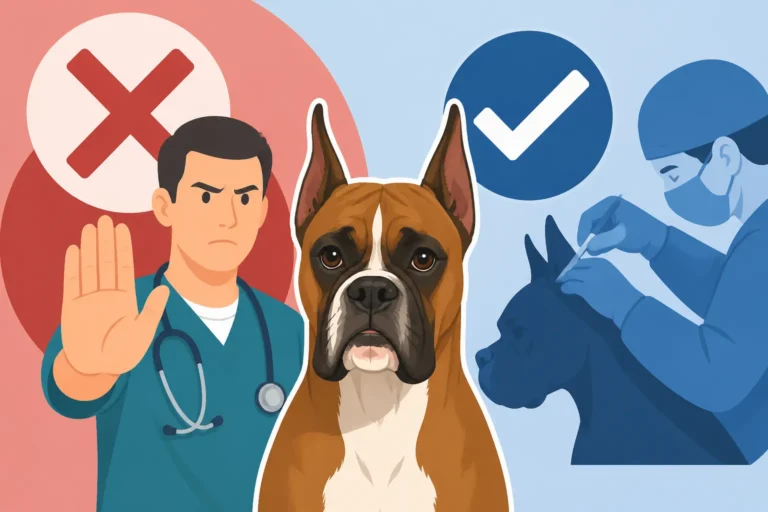
Whether Any Insurer Excludes Boxer Cancer
The moment you get a Boxer puppy, you're not just bringing home a whirlwind of wiggles and love; you're also taking on the immense responsibility of their health. One of the most heartbreaking realities Boxer owners often face is the breed's predisposition to cancer, and the fear of an astronomical veterinary bill can be paralyzing. It's only natural to wonder if pet insurance will actually be there for you when that dreaded diagnosis comes, or if you'll find yourself battling an exclusion clause right when you need help most. This guide will cut through the confusion surrounding pet insurance and Boxer cancer, helping you understand how policies work and what to look out for.
The Heartbreaking Reality: Boxer Cancer and Insurance Worries
For any Boxer owner, the word "cancer" casts a long shadow. This noble breed, known for its playful spirit and loyal heart, sadly sits at the top of the list for certain cancers. When you're dreaming of all the happy years ahead, thinking about the possibility of a cancer diagnosis feels like borrowing trouble. But the reality is, a significant share of Boxer deaths are cancer-related, and the financial burden of treatment can be truly staggering. Many families find themselves in an impossible position, weighing their dog's chance at life against their ability to pay for chemotherapy, radiation, or extensive surgeries. This is precisely why pet insurance becomes a lifeline for so many, but the concern is always: will my policy cover this?
Understanding "Pre-Existing Conditions" in Pet Insurance
The biggest hurdle with pet insurance, especially when it comes to a prevalent issue like Boxer cancer, is the concept of "pre-existing conditions." In simple terms, a pre-existing condition is any illness or injury that your pet showed signs of before your insurance coverage started or before the waiting period for that specific condition ended. This is where most insurance companies draw their line in the sand, and it's a critical point of frustration for many pet parents.
Imagine this: you notice a small, innocuous-looking lump on your Boxer's side. You take them to the vet, and before you've even signed up for pet insurance, the vet notes it in their records. Then, a few months later, you decide to get a policy. If that lump turns out to be a mast cell tumor, it's very likely the insurance company will classify it as a pre-existing condition because there was documented evidence of it before your policy was active. This can feel incredibly unfair, especially if you didn't know what the lump was at the time, but from an insurer's perspective, it's how they manage risk and keep premiums affordable for everyone. The exact definition can vary slightly between providers, so reading the fine print is paramount.
Why Boxers Face Unique Cancer Challenges
Boxers don't just get some cancer; they are statistically prone to specific, aggressive forms of it. We're talking about The Cancers That Take Most Boxers, like lymphoma, mast cell tumors, and hemangiosarcoma, which often appear in their middle to senior years. This genetic predisposition means that even if a Boxer seems perfectly healthy, the risk is always there. This makes the timing of pet insurance enrollment even more crucial for Boxer owners. If you wait until you see symptoms or find a lump, it might already be too late for that particular condition to be covered.
Because of this well-known breed-specific risk, some owners worry that insurers might have blanket exclusions for Boxers regarding cancer. However, this is generally not the case. Pet insurance policies are typically designed to cover unexpected illnesses and accidents. A breed predisposition isn't usually an exclusion in itself, as long as the condition isn't already "pre-existing" when you enroll. The challenge for Boxer owners is managing this inherent risk through proactive health screening and timely insurance enrollment, rather than facing direct breed-specific exclusions for cancer. It emphasizes the importance of Weekly Lump Checks on a Boxer and regular vet visits, which also create a clear health history.
Decoding Policy Language: What Insurers Look For
Navigating pet insurance policies can feel like reading legal jargon written in another language. Every company has its own terms and conditions, and understanding what qualifies as a "pre-existing condition" versus a covered illness is key. For Boxer owners, whose dogs are prone to various health issues including cancer, heart conditions like Boxer Cardiomyopathy and the Holter Monitor, and degenerative myelopathy, this detailed understanding is even more critical.
The Waiting Game: When Coverage Begins
A common feature of almost all pet insurance policies is the waiting period. This is a specific amount of time after you purchase a policy before certain coverages kick in. There are usually separate waiting periods for accidents (often shorter, like a few days) and illnesses (typically longer, sometimes 14 to 30 days or more). Crucially, any signs or diagnoses of an illness that occur during this waiting period will be considered pre-existing and won't be covered, even if the formal diagnosis comes later.
For a Boxer owner, this means if you enroll your puppy, say, at 8 weeks old, and two weeks later a suspicious lump appears, that lump would likely be deemed pre-existing. This is why many advocates recommend enrolling your Boxer in a policy as early as possible, ideally when they are a healthy puppy before any issues arise. Think of it like this: you can't buy car insurance after you've already had an accident. Similarly, you can't typically get pet insurance to cover a condition that's already started to manifest. This becomes especially relevant as The Age Boxer Cancer Usually Appears often falls in their middle years, emphasizing the importance of getting a policy well before those risks peak.
Specific Types of Cancer Exclusions (Rare, but Possible)
While blanket exclusions for Boxer cancer are rare, it's worth understanding how specific policies might handle certain scenarios. Generally, a pet insurance policy will cover cancer treatment as long as it's not deemed a pre-existing condition. This means if your Boxer develops cancer after your waiting periods are over and there were no prior signs or diagnoses, your policy should cover eligible treatment costs, up to your annual limit and after your deductible.
However, some policies might have exclusions for certain types of cancer or treatments, though this is less common with comprehensive accident and illness plans. For example, some older or very basic accident-only policies might not cover illness-related conditions at all, which would include cancer. It's also possible that experimental treatments or certain alternative therapies might not be covered, regardless of the diagnosis. Always ensure you're looking at an "accident and illness" plan, which is the most comprehensive type of coverage for conditions like cancer. When comparing providers, ask direct questions about cancer coverage and review their sample policies carefully.
"Curable" vs. "Incurable" Pre-Existing Conditions
Some pet insurance providers offer a glimmer of hope for conditions that were once considered pre-existing. A small number of companies differentiate between "curable" and "incurable" pre-existing conditions.
Here's how it generally works:
- Incurable Pre-Existing Conditions: These are chronic conditions that require ongoing management (e.g., diabetes, severe arthritis, some heart conditions). If your Boxer was diagnosed with one of these before enrollment, it will typically be excluded for the life of the policy. For a cancer that recurs or metastasizes, it might also fall into this category if it was documented pre-policy.
- Curable Pre-Existing Conditions: These are conditions that can be resolved and show no symptoms for a specific period, often 6-12 months. Examples might include a single ear infection, a bout of kennel cough, or a urinary tract infection. If your Boxer has a pre-existing condition that is treated and then remains symptom-free for the required waiting period, some insurers might then cover it if it recurs.
For cancer, this distinction is trickier. If a lump was removed and determined to be benign before your policy, and then years later a completely new, unrelated cancerous lump appears, the new one should be covered (assuming no pre-existing signs). However, if the initial lump was cancerous and treated, any recurrence or metastasis of that same cancer would likely still be considered pre-existing and excluded. This is a nuanced area, so again, deep dives into policy documents are necessary.
Navigating the Pet Insurance Landscape for Your Boxer
Finding the right pet insurance for your Boxer isn't just about price; it's about peace of mind. Knowing that you'll have support if your beloved companion faces a serious illness like cancer makes all the difference. It takes some legwork, but it's a worthwhile investment in your Boxer's future.
How to Research and Compare Providers
When you're sifting through pet insurance options, think about what truly matters for a Boxer. You'll want a policy that offers comprehensive accident and illness coverage. Look closely at:
- Deductibles: This is the amount you pay out-of-pocket before your insurance starts reimbursing you. Higher deductibles usually mean lower monthly premiums, and vice versa.
- Reimbursement Percentages: This is the percentage of eligible vet bills the insurer pays after your deductible is met (e.g., 70%, 80%, or 90%).
- Annual Limits: This is the maximum amount the policy will pay out in a year. Given What Boxer Cancer Treatment Actually Costs, a higher annual limit is often advisable for this breed.
- Waiting Periods: Understand these thoroughly, especially for illnesses.
- Exclusions: Read the fine print! Are there any specific conditions, breeds, or treatments they don't cover? While rare for all Boxer cancer, it's vital to check.
- Reputation and Customer Service: Look for companies with strong reviews and a history of fair claims processing. Healthy Paws, for example, is often praised for its comprehensive coverage and customer satisfaction, particularly for major illness.
Consider requesting sample policies from a few different providers and going through them with a fine-tooth comb. Don't be afraid to call their customer service lines and ask specific questions about how they handle Boxer-specific conditions, even if hypothetically.
The Importance of Early Enrollment
I cannot stress this enough: enroll your Boxer in pet insurance as early as possible. Seriously, as soon as you bring them home, or even before if your breeder offers a temporary policy or waiting period waiver. Insuring a Boxer Puppy at Eight Weeks might seem excessive, but it's genuinely the best strategy to avoid pre-existing condition exclusions down the road.
Think about it: most Boxer puppies are vibrant and healthy. This is your window of opportunity to lock in coverage before any minor cough, limp, or suspicious bump can be documented by a vet and subsequently excluded. If you wait until your Boxer is five years old, you'll find that Why a Boxer Insured at Five Is Late is precisely because many of the breed's common health issues, including the dreaded cancer, often begin to manifest around that age. An early enrollment ensures that when those inevitable age-related or breed-specific conditions do appear, they won't be labeled as pre-existing.
What to Do If Your Boxer Already Has a Lump
This is a tough spot, and unfortunately, a common one. If your Boxer already has a lump or has been diagnosed with any condition before you get insurance, that specific condition (and often related conditions) will most likely be excluded from coverage. This is a hard truth, but it doesn't mean insurance is useless.
Here's what you can still do:
- Get a Policy Anyway: Even if one condition is excluded, a pet insurance policy will still cover new and unrelated accidents and illnesses that arise after your waiting periods. Boxers are prone to more than just one type of cancer, and they can also suffer from other issues like torn ligaments or digestive problems. Having coverage for everything else can still save you a significant amount of money in the long run.
- Understand the Exclusion: Ask potential insurers for clarity on how they would treat your Boxer's specific pre-existing condition. Will they exclude all cancers if one lump was found, or just that specific type or location? The more precise you can be, the better.
- Consider a Wellness Plan: While not insurance, some providers or veterinary clinics offer wellness plans that cover routine care like exams, vaccinations, and sometimes even dental cleanings. These don't cover unexpected illnesses but can help manage regular costs. You might find some offerings through platforms like Chewy or specific veterinary groups.
Making Informed Choices: Protecting Your Boxer's Future
The goal of pet insurance is to ease the financial burden of unexpected veterinary care, allowing you to focus on your Boxer's health and comfort rather than your bank account. For a breed like the Boxer, with known health vulnerabilities, this planning is particularly important.
Beyond Cancer: Other Common Boxer Health Issues
While cancer is a major concern, Boxers are also susceptible to a range of other health issues that can incur significant veterinary costs. These include:
- Cardiac Conditions: Arrhythmogenic Right Ventricular Cardiomyopathy (ARVC), often called "Boxer cardiomyopathy," is prevalent. Diagnosing and managing this can involve Holter monitors and medication.
- Bloat (Gastric Dilatation-Volvulus): This is a life-threatening emergency common in deep-chested breeds. Emergency surgery is required and is extremely expensive. Whether Preventive Bloat Surgery Suits a Boxer is a common consideration for owners.
- Orthopedic Issues: Hip dysplasia and spondylosis are sometimes seen.
- Allergies and Skin Issues: Boxers can have sensitive skin, leading to chronic allergies and infections.
- Colitis: Boxer Colitis and the Young Dogs It Hits is another common ailment, often requiring dietary management and medication.
Having a comprehensive pet insurance policy in place means that if your Boxer develops any of these issues after enrollment and waiting periods, the costs associated with diagnosis and treatment would generally be covered. This broad coverage is why Whether Pet Insurance Pays Off for a Boxer is often a resounding yes for owners of this breed.
The Long-Term Financial Picture
Bringing a Boxer into your life is a long-term commitment, and the costs extend far beyond the initial puppy price. What a Boxer Costs Across Ten to Twelve Years can be substantial, with veterinary care often being one of the largest variables. Pet insurance transforms unpredictable, high-cost emergencies into manageable monthly premiums, along with your deductible and reimbursement percentage.
When setting up your policy, carefully consider your budget and your Boxer's potential needs. Think about Setting an Annual Limit for a Boxer that would comfortably cover a major cancer treatment or emergency surgery. Reviewing your policy annually and staying in touch with your provider for any changes can help you maintain optimal coverage. While no pet insurance will cover conditions that exist before enrollment, a well-chosen and timely initiated policy can be an invaluable safety net, allowing you to give your beloved Boxer the best possible care throughout their life, without the added stress of financial ruin. Even fresh food diets from companies like Ollie, or premium supplies from Chewy, can support general wellness, but they don't replace the crucial safety net of good insurance for unexpected illnesses.
| Policy Feature | What to Look For (Boxer-Specific) | Impact on Boxer Cancer Coverage |
|---|---|---|
| Comprehensive Accident & Illness | Must-have for Boxers; covers both unexpected injuries and illnesses like cancer. | Direct coverage for cancer (if not pre-existing) is included. |
| Waiting Periods | Shorter is better, especially for illnesses. Crucial to enroll before any symptoms appear. | Any symptom or diagnosis during the waiting period will be excluded as pre-existing. |
| Pre-Existing Condition Clause | Clear definition of "curable" vs. "incurable" conditions. Look for lenient policies if possible. | The primary determinant of whether a cancer diagnosis will be covered. |
| Annual Limits | High limits ($10,000+ or unlimited) are recommended due to the high cost of cancer treatments. | Ensures adequate funds for Chemotherapy for a Boxer With Cancer or surgery. |
| Reimbursement Percentage | Higher percentages (80-90%) mean less out-of-pocket for you after the deductible. | Reduces your co-pay for expensive cancer treatments. |
| Age Restrictions | Some policies have age limits for new enrollments; enroll puppies early to avoid issues later. | Older Boxers might have more pre-existing conditions, making new coverage challenging. |
Disclaimer
This article is for general informational purposes only and does not constitute professional advice. Laws, prices and regulations vary by location and change over time. Consult a qualified professional for guidance on your specific situation.