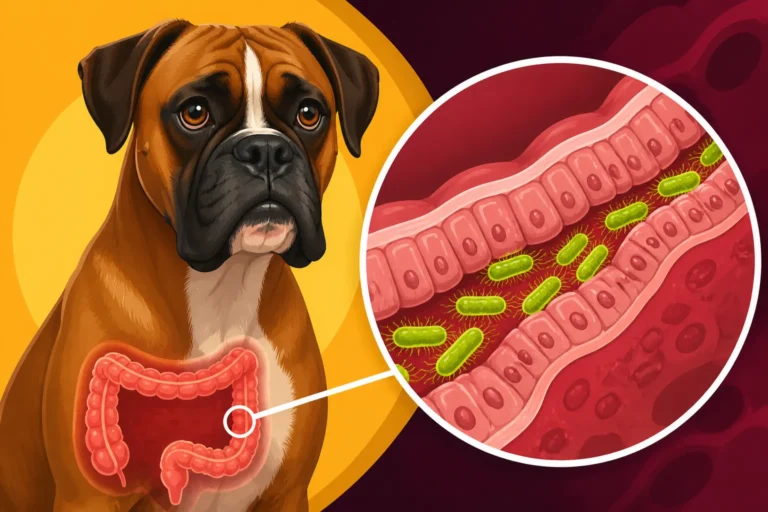
The Cancers That Take Most Boxers
It’s a heartbreaking reality that for many Boxer owners, the journey with our beloved, goofy companions will, at some point, involve the word "cancer." These wonderful dogs are notoriously susceptible to certain aggressive forms of cancer, and understanding what to look for and what to expect can feel overwhelming. This guide is here to shed light on the most common cancers that unfortunately claim too many Boxers, providing you with the knowledge to recognize potential signs, navigate diagnoses, and make informed decisions for your furry family member.
The Unwelcome Truth: Common Cancers in Boxers
If you own a Boxer, you've likely heard the whispers or even experienced the harsh reality: these dogs are prone to cancer. It's a sad truth that cancer is the leading cause of death in Boxers, more so than in many other breeds. When we talk about Why Cancer Kills More Boxers Than Anything Else, it often comes down to genetics, and there are a few specific types that crop up far more frequently than others. Knowing these can help you be a more vigilant advocate for your dog's health.
Lymphoma: The Silent Invader
Lymphoma is one of those cancers that truly lives up to the name "silent invader" because it can often be hard to spot in its early stages. This cancer originates in the lymphocytes, a type of white blood cell, and can affect any part of the body where lymphoid tissue is present. This means it can manifest in various ways, making diagnosis a bit of a detective mission.
Most commonly, lymphoma in Boxers presents as swollen lymph nodes. These are typically felt under the jaw (submandibular), in front of the shoulders (prescapular), or behind the knees (popliteal). When you're doing your regular cuddles and petting, take a moment to gently feel these areas. Normal lymph nodes are pea-sized and hard to feel, but cancerous ones can become significantly enlarged, firm, and non-painful. However, lymphoma isn't always external. It can also strike internal organs like the spleen, liver, or bone marrow, leading to more subtle symptoms like lethargy, decreased appetite, or weight loss. Sometimes, it can affect the gastrointestinal tract, causing vomiting or diarrhea. Because of its systemic nature, a diagnosis of lymphoma can be particularly daunting, as it means the cancer is already widespread.
Mast Cell Tumors: The Great Mimic
Mast cell tumors are another hugely common and frustrating cancer in Boxers. What makes them so tricky is their incredible variability; they are truly the "great mimics" of the canine cancer world. They can appear anywhere on or under the skin, and sometimes even internally. They can look like a harmless wart, a benign fatty lump, an allergic reaction, or even just a bug bite. One day a lump might be small, the next it might be swollen and red, and then it might shrink back down, only to reappear later. This waxing and waning behavior often lulls owners into a false sense of security, delaying veterinary attention.
Because of this mimicry, it's absolutely vital to have any new lump or bump on your Boxer checked by a vet, no matter how innocent it seems. A fine needle aspirate (FNA) can often provide an initial diagnosis, but a biopsy is usually needed for definitive grading. Grading a Boxer's Mast Cell Tumor is critical because it tells you how aggressive the tumor is and helps your vet determine the best course of action. These tumors are known for their unpredictability, with some being benign and easily removed, while others are highly aggressive and prone to spreading rapidly.
Hemangiosarcoma: The Internal Bleeder
Hemangiosarcoma is one of the most aggressive and devastating cancers seen in Boxers, and arguably the most frightening because it often gives no warning until it's too late. This cancer originates from the cells that line blood vessels, meaning it can develop anywhere in the body, but it has a strong preference for highly vascular organs like the spleen, heart, liver, and sometimes the skin. The danger of hemangiosarcoma lies in its tendency to grow silently and then rupture, causing severe internal bleeding.
The heartbreaking reality for many Boxer owners is that the first sign their dog has hemangiosarcoma is a sudden collapse, extreme weakness, pale gums, or distended abdomen due to internal hemorrhage. Imagine taking your dog for a normal walk, and suddenly they're down, barely responsive. It's terrifying. By the time these symptoms appear, the disease is often advanced, and the prognosis is extremely poor. While skin forms can be noticed earlier, internal hemangiosarcoma is often a race against time, with emergency surgery sometimes being the only immediate option to stop the bleeding, though it rarely cures the disease.
Spotting the Early Warning Signs
The key to giving your Boxer the best chance against these cancers is early detection. This means being incredibly vigilant and knowing what subtle changes to look out for. As Boxer parents, we know our dogs better than anyone, and our gut feeling is often the first, most accurate diagnostic tool. Don't underestimate it.
The Importance of Weekly Checks
This might sound like a chore, but it truly needs to become a regular part of your routine. Every week, set aside some time for a full-body "pat down" or "cuddle check" of your Boxer. This isn't just about petting; it's about actively feeling. Start at their nose and work your way back to their tail, paying close attention to every inch of their skin and musculature.
Feel for any new lumps, bumps, or masses. Are there any changes in existing ones? Is anything firm, squishy, movable, or fixed? Take particular care to check areas like the armpits, groin, neck, and behind the knees, where lymph nodes are located. Don't forget to examine their paw pads and between their toes, as mast cell tumors can sometimes hide there. Look inside their mouth for any abnormal growths on the gums or tongue, and check their ears. It might feel a bit awkward at first, but with practice, you'll learn what's normal for your dog. For more guidance on this, check out our article on Weekly Lump Checks on a Boxer and The Lumps a Boxer Owner Has to Check For. Keeping a simple written record or even a "lump map" of your dog can be incredibly helpful for tracking changes over time.
Behavioral and Physical Changes to Note
Beyond lumps, cancer can manifest in a myriad of other ways, often subtly at first. Boxers are such enthusiastic dogs that any prolonged change in their usual zest for life should raise a red flag. Be on the lookout for:
- Unexplained Weight Loss: Even if their appetite seems normal, a Boxer losing weight without a change in diet or exercise is concerning. Cancer cells consume a lot of energy, leading to cachexia.
- Decreased Appetite or Pickiness: A sudden disinterest in food, or becoming unusually picky, especially for a Boxer who normally devours their meals, warrants investigation.
- Lethargy or Reduced Stamina: Is your Boxer less eager for walks? Do they tire out more quickly than usual during play? While age plays a role, a sudden or marked decrease in energy isn't normal.
- Changes in Urination or Defecation: Any straining, difficulty, increased frequency, or blood in urine or stool needs attention.
- Chronic Vomiting or Diarrhea: Persistent gastrointestinal upset that isn't easily explained by diet changes or acute illness could be a sign of internal cancer.
- Lameness or Swelling: Unexplained limping, swelling in a limb, or reluctance to bear weight might indicate bone cancer or a tumor impacting soft tissue.
- Bleeding or Discharge: Any unexplained bleeding from the nose, mouth, rectum, or vagina, or unusual discharge from anywhere, should be evaluated immediately.
- Changes in Breathing: Coughing, difficulty breathing, or increased respiratory rate can be signs of lung cancer or metastasis to the lungs.
It's easy to dismiss some of these as "just getting old" or "a bit of an off day," but for a Boxer, where cancer is such a high risk, it's always better to be safe than sorry.
When to Head to the Vet
My rule of thumb is this: if you notice anything new, unusual, or persistent, call your vet. Don't wait to see if it goes away, especially with a Boxer. Time is often of the essence with canine cancers. If you find a new lump, if your Boxer has been lethargic for more than a day or two, or if they're experiencing any of the other concerning symptoms mentioned, make that appointment.
Describe what you've observed as clearly as possible. Mention your Boxer's breed history and the breed's predisposition to cancer. Your vet will likely start with a thorough physical exam, and depending on what they find, they might recommend diagnostic tests like blood work, urinalysis, X-rays, ultrasound, or a fine needle aspirate of any suspicious lumps. Remember, not every lump is cancer, and not every symptom points to it, but taking swift action gives you the best chance to intervene effectively if it is.
Navigating Diagnosis and Treatment
Receiving a cancer diagnosis for your Boxer is truly devastating. It hits like a punch to the gut, and suddenly you're thrust into a world of complex medical terminology, difficult decisions, and emotional turmoil. But remember, you're not alone, and there are options and support available.
The Diagnostic Journey
Once your vet suspects cancer, the journey often involves a series of diagnostic tests to confirm the type of cancer, its stage, and whether it has spread. This can feel like a whirlwind, but each step provides critical information for formulating a treatment plan.
- Fine Needle Aspirate (FNA): This is often the first step for lumps. A small needle is used to collect cells directly from the mass, which are then examined under a microscope. It's relatively non-invasive and can often be done during a regular office visit. While it can identify many mast cell tumors or lymphoma, it's not always definitive.
- Biopsy: For a definitive diagnosis, especially with mast cell tumors, a biopsy is crucial. This involves surgically removing a small piece of the tumor (incisional biopsy) or the entire tumor (excisional biopsy) for histopathological examination. This provides a clear diagnosis and, importantly, the grade of the tumor, which dictates prognosis and treatment.
- Imaging: X-rays, ultrasounds, CT scans, and MRIs are often used to look for internal tumors, assess their size and location, and check for metastasis (spread) to organs like the lungs, liver, or spleen. For example, an abdominal ultrasound is vital for investigating suspected hemangiosarcoma of the spleen.
- Blood Tests: Comprehensive blood panels can reveal organ function, red and white blood cell counts, and sometimes provide clues about systemic disease. For lymphoma, specific blood tests can sometimes identify abnormal lymphocytes.
- Staging: This process determines how extensive the cancer is. For many cancers, staging involves a combination of imaging, blood work, and biopsies of lymph nodes or bone marrow to see if the cancer has spread beyond its original site. This information is vital for prognosis and treatment recommendations.
Treatment Avenues
The specific treatment plan for your Boxer will depend entirely on the type of cancer, its stage, your dog's overall health, and your family's wishes. There's no one-size-fits-all approach, and decisions are deeply personal.
- Surgery: For solid tumors like mast cell tumors, surgery is often the first line of defense. The goal is to remove the entire tumor with wide, clean margins of healthy tissue to prevent recurrence. This can be curative for some low-grade tumors. However, for internal cancers or those that have spread, surgery might be palliative, aimed at relieving symptoms rather than curing the disease.
- Chemotherapy: This involves using medications to kill cancer cells throughout the body. Chemotherapy for a Boxer With Cancer is common for lymphoma and some aggressive mast cell tumors. Unlike human chemotherapy, the goal in veterinary medicine is often to improve quality of life and achieve remission rather than a full cure, with fewer harsh side effects. Boxers generally tolerate chemotherapy quite well, though side effects like mild nausea or decreased appetite can occur.
- Radiation Therapy: This uses high-energy beams to target and destroy cancer cells in a specific area. It's often used after surgery if margins are incomplete, or for tumors that cannot be surgically removed. It can be very effective for local control of certain cancers.
- Palliative Care: When a cure isn't possible, or if treatment side effects outweigh the benefits, palliative care focuses on managing pain, discomfort, and improving quality of life. This can include pain medication, anti-inflammatory drugs, appetite stimulants, and nutritional support. The most important thing is ensuring your Boxer is comfortable and enjoys their remaining time with you. This can be a very difficult decision point, and our guide on Knowing When a Boxer With Cancer Has Had Enough can offer some solace and perspective.
The Financial Realities and Support
Let's be real: cancer treatment for a dog is expensive. The costs for diagnostics, surgery, chemotherapy, and ongoing care can quickly add up, often running into thousands, even tens of thousands of dollars. This financial burden, on top of the emotional stress, is a huge challenge for many families. Our article on What a Boxer Cancer Treatment Actually Costs goes into more detail.
This is where planning ahead can make a world of difference. Pet insurance, like policies offered by Healthy Paws, can be an absolute lifesaver. If you've been proactive and enrolled your Boxer before any signs of illness appeared, a good policy can cover a significant portion of these veterinary bills, allowing you to focus on your dog's care without the added stress of crushing debt. Unfortunately, if a lump or symptom is noted before enrollment, it usually becomes a pre-existing condition and won't be covered, highlighting why Insuring a Boxer Before the First Lump is such critical advice. Even if you don't have insurance, many veterinary clinics offer payment plans, and there are also charitable organizations that provide financial aid for pet owners facing high vet bills. Don't hesitate to discuss financial concerns openly with your veterinary team; they are there to help you explore all available options.
| Cancer Type | Common Presentation | Typical Location | Aggressiveness & Prognosis | Early Signs to Watch For |
|---|---|---|---|---|
| Lymphoma | Enlarged, non-painful lymph nodes | Lymph nodes (neck, armpits, groin), spleen, liver, GI tract, bone marrow | Highly variable; can be aggressive. Remission often achievable with chemotherapy, but rarely curative. | Swollen glands, lethargy, decreased appetite, weight loss, GI upset |
| Mast Cell Tumor | Skin lump (can be variable in size/appearance) | Skin, subcutaneous tissue (anywhere), internal organs | Highly variable; Grade 1-3. Can be benign or highly aggressive with high metastatic potential. Prognosis depends on grade and location. | Any new or changing skin lump; Redness, swelling, or itching around a lump |
| Hemangiosarcoma | Internal bleeding, sudden collapse | Spleen, heart, liver, skin | Highly aggressive, rapid metastasis. Poor prognosis, often diagnosed late. | Sudden weakness, pale gums, distended abdomen, exercise intolerance, collapse |
Disclaimer
This article is intended for informational purposes only and does not constitute veterinary advice. Always consult with a qualified veterinarian for any health concerns or before making any decisions about your Boxer's care.