Pulling Teeth From a Boxer’s Undershot Jaw
As a Boxer owner, there are few things more alarming than discovering your beloved companion is in pain, especially when it involves their mouth. The unique structure of a Boxer's undershot jaw, while endearing and characteristic, often comes with a higher risk of dental problems, and sometimes, a tooth extraction becomes an unfortunate necessity to relieve discomfort and prevent further health complications. This guide aims to walk you through understanding why extractions happen, what the process involves, and how you can best care for your Boxer before and after.
Understanding the Boxer's Undershot Jaw and Its Dental Implications
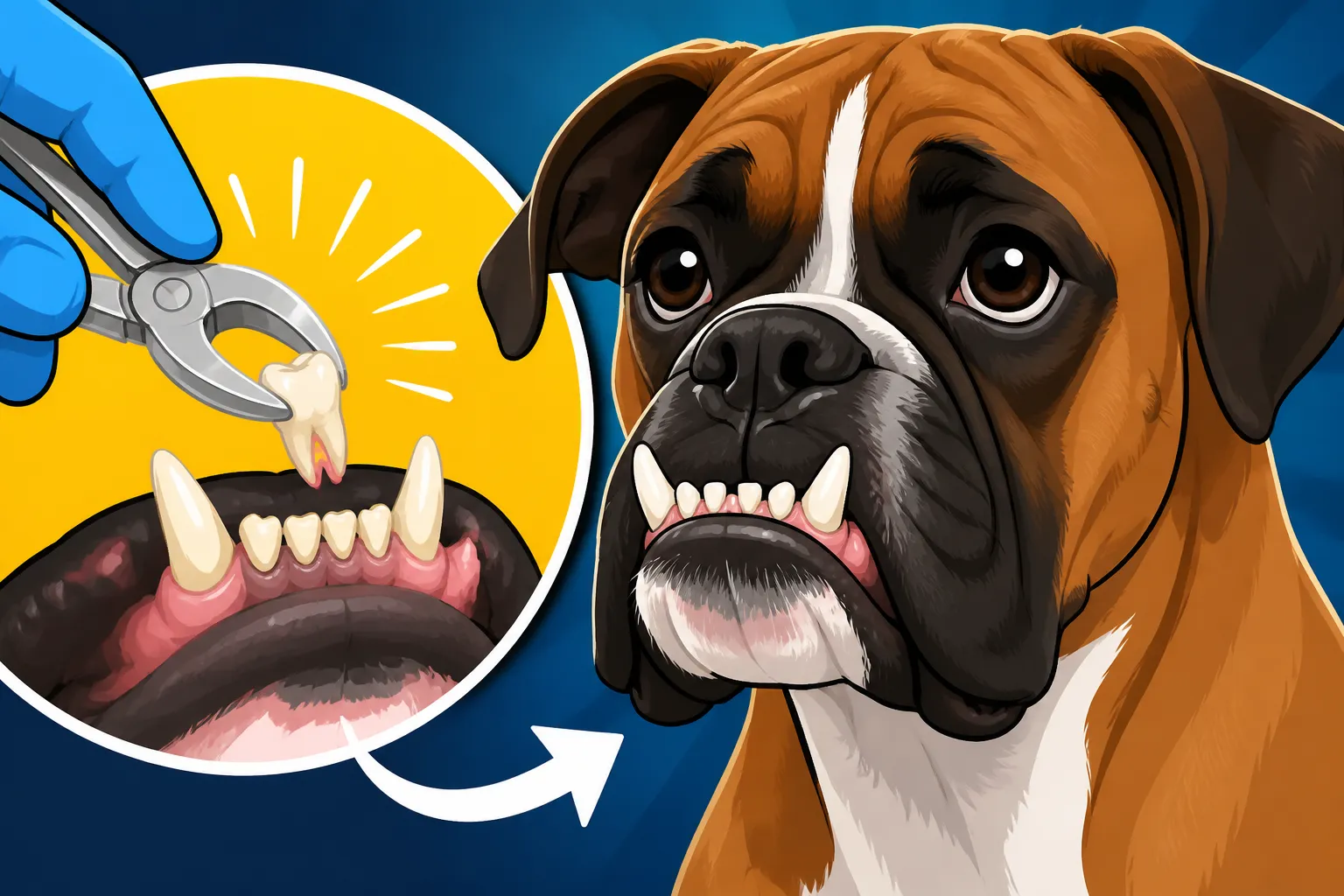
The Boxer's distinct square muzzle and prominent undershot jaw are part of what makes them so recognizable and, frankly, adorable. This "brachycephalic" (short-nosed) and prognathic (undershot) structure, however, is more than just a cosmetic trait; it has significant implications for their oral health. Unlike breeds with scissor bites, a Boxer's lower jaw extends beyond the upper jaw, leading to a unique arrangement of teeth that can create various issues.
The Unique Challenges of Malocclusion
Malocclusion simply means a bad bite, and while an undershot jaw is part of the Boxer standard, it often means their teeth don't align perfectly. This can lead to certain teeth rubbing against others or even against the soft tissues of the mouth, like the gums or roof of the mouth. Imagine having a sharp tooth constantly digging into your cheek – it's painful and can lead to chronic inflammation or ulcerations. This improper alignment can also cause food to get trapped in unusual spots, making it harder for saliva and normal chewing to clean the teeth effectively. Over time, this trapped food and bacteria accelerate the buildup of plaque and tartar, which is the precursor to periodontal disease. It's a constant battle, and one many Boxer owners are all too familiar with. Boxer dental care and the undershot bite delves deeper into these daily struggles.
Crowding and Trapped Debris
Because the Boxer's jaw is shorter, their teeth are sometimes packed into a smaller space than they were originally designed for. This crowding is a big deal. When teeth are too close together, there's not enough space for proper gum tissue to form, creating pockets where bacteria can hide and flourish. It also makes it incredibly difficult to clean these areas, even with diligent brushing. Think about trying to floss between teeth that are practically fused together – it’s nearly impossible. Food particles, hair, and other debris can get lodged in these tight spots, fermenting and further contributing to bad breath, gum inflammation (gingivitis), and eventually, irreversible periodontal disease. This is why regular professional dental cleanings are so vital for Boxers.
When Is a Tooth Extraction Necessary for a Boxer?
No one wants to have their dog's teeth pulled, but sometimes, it's the kindest and most medically necessary option. Extractions are typically performed to eliminate pain, stop the spread of infection, or prevent future complications that could severely impact your Boxer's quality of life. It's never a decision taken lightly by a good veterinarian.
Severe Periodontal Disease
This is perhaps the most common reason for extractions in Boxers. Periodontal disease starts as gingivitis, which is reversible, but if left untreated, it progresses to a point where the support structures around the tooth (gums, ligaments, bone) are destroyed. Once the bone supporting a tooth is compromised, the tooth becomes loose, painful, and acts as a reservoir for bacteria. These bacteria don't just stay in the mouth; they can enter the bloodstream and affect major organs like the heart, liver, and kidneys. At this stage, saving the tooth is often not an option, and extraction is necessary to remove the source of infection and pain. Signs like persistent bad breath, visible tartar, red/swollen gums, and reluctance to chew hard foods are all red flags. Tartar on a Boxer's Undershot Jaw covers this in more detail.
Fractured or Damaged Teeth
Boxers are energetic dogs who love to chew, sometimes on things they shouldn't, or with a little too much enthusiasm on appropriate chews. A fractured tooth, especially one where the pulp cavity (the nerve-filled center) is exposed, is extremely painful and prone to infection. The nerve is exposed to bacteria and temperature changes, causing acute distress. While root canals are an option for some fractured teeth, they are not always feasible or cost-effective, especially for back teeth or if the fracture extends too far below the gum line. In these cases, extraction is the definitive solution to remove the source of pain and infection. It's crucial to examine chews carefully to ensure they are safe for your Boxer's teeth. Chews safe for a Boxer's jaw offers guidance on appropriate options.
Persistent Deciduous (Puppy) Teeth
Just like human children, Boxer puppies have baby teeth that should fall out to make way for their permanent adult teeth. Sometimes, however, a puppy tooth doesn't fall out, and the adult tooth erupts right next to it. This is called a persistent deciduous tooth. This situation creates severe crowding, trapping food, and fostering periodontal disease almost immediately. It can also cause the adult tooth to erupt in an abnormal position, leading to further malocclusion issues. If not addressed early (usually by six months of age), these persistent teeth can cause permanent damage to the adult dentition, making extraction of the problematic puppy tooth essential. It's an issue that requires a keen eye during puppy vet visits.
Crowding and Malpositioned Teeth Causing Trauma
Beyond general crowding, sometimes a specific tooth is so severely malpositioned that it causes chronic trauma to other teeth or soft tissues. For example, a lower canine tooth might grow inwards, constantly jabbing the roof of the mouth, or an upper tooth might be forced into an awkward angle. Even if the tooth itself isn't diseased, the constant irritation it causes can lead to painful ulcers, infections, or excessive wear on opposing teeth. In these instances, extracting the offending tooth, or sometimes even performing orthodontics, is necessary to restore comfort and prevent ongoing damage.
Here's a quick overview of common dental issues leading to extractions in Boxers:
| Dental Issue | Description | Why Extraction Might Be Needed | Common Signs to Watch For |
|---|---|---|---|
| Periodontal Disease | Inflammation and infection of tissues surrounding the teeth, leading to bone loss. | Severe cases with significant bone loss, deep pockets, or loose teeth. | Bad breath, red/swollen gums, visible tartar, difficulty eating. |
| Fractured Teeth | Cracks or breaks in the tooth crown or root, often exposing the pulp. | Pulp exposure, infection, pain, inability to save with root canal. | Pain when chewing, sensitivity, visible chip/crack, swelling. |
| Persistent Puppy Teeth | Deciduous teeth that fail to fall out as adult teeth erupt. | Causes crowding, abnormal adult tooth eruption, early periodontal disease. | Double rows of teeth, food trapping, gum inflammation in young Boxers. |
| Oral Trauma | Injuries to the mouth from accidents, fights, or inappropriate chewing. | Severely damaged teeth, jaw fractures, deep tissue lacerations. | Bleeding, swelling, pain, inability to close mouth properly. |
| Tooth Resorption | Breakdown and loss of tooth structure, often painful and progressive. | Painful lesions, exposed dentin/pulp, progressive destruction of the tooth. | Sensitivity to touch, reluctance to eat, visible red/pink spots on teeth. |
| Severe Crowding/Malocclusion | Teeth packed too tightly or misaligned, causing rubbing or entrapment. | Chronic irritation, pain, deep periodontal pockets, tissue damage. | Drooling, discomfort, food packing between teeth, gum lesions. |
The Tooth Extraction Process for a Boxer
Once your veterinarian determines that extraction is the best course of action for your Boxer, understanding the procedure can help ease your mind. It's far more involved than simply "pulling" a tooth, especially for a Boxer.
Pre-Anesthetic Work-Up and Anesthesia Considerations
Before any surgery, especially dental procedures, a thorough pre-anesthetic work-up is crucial. This typically includes blood tests to assess organ function (liver, kidneys) and ensure your Boxer can safely metabolize anesthetic drugs. For Boxers, special attention is paid to anesthesia due to their brachycephalic nature. Their short snouts can make them more prone to breathing difficulties and overheating during and after anesthesia. Vets will often use specific protocols and closely monitor their breathing, heart rate, and temperature throughout the procedure. They might also use advanced anesthetic agents and have a dedicated technician to monitor your Boxer's vitals. It’s important to discuss Anesthesia Risk in a Flat-Faced Boxer with your vet.
Full-Mouth Dental X-Rays: The Unseen Picture
One of the most critical steps in a modern dental extraction is full-mouth dental X-rays. What you see above the gum line is often just the tip of the iceberg. X-rays allow the vet to see the roots of the teeth, the surrounding bone, and identify any hidden issues like abscesses, bone loss, or unerupted teeth. Without X-rays, a vet might only remove the crown of a tooth, leaving behind painful root fragments. For Boxers, whose teeth can be crowded and malpositioned, X-rays are indispensable for guiding precise and complete extractions. They also help determine if a tooth can be saved or if extraction is truly the only viable option.
The Extraction Itself
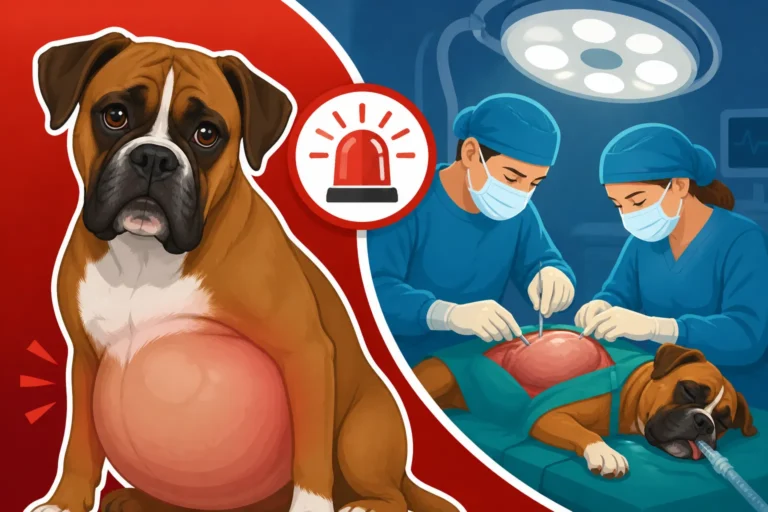
A tooth extraction is a surgical procedure performed under general anesthesia. It’s not just yanking a tooth out. For simple extractions, the tooth is carefully loosened from its socket using specialized instruments. However, many Boxer extractions, especially those involving multi-rooted teeth or teeth with significant bone loss, are surgical. This means the gum tissue may be carefully incised, and a small amount of bone might be removed to expose the tooth root. The tooth might also need to be sectioned (cut into smaller pieces) to remove it cleanly without damaging the jawbone. After the tooth is extracted, the socket is thoroughly cleaned, and the gum tissue is typically sutured closed to promote healing and prevent food from entering the empty socket. Pain medication and antibiotics are almost always administered.
Aftercare and Prevention Post-Extraction
Bringing your Boxer home after dental surgery requires a bit of extra care and attention. Your goal is to ensure they heal comfortably and to establish a routine that minimizes future dental problems.
Immediate Post-Operative Care
Your vet will send your Boxer home with specific instructions for aftercare, which usually include a course of pain medication and sometimes antibiotics. It's critical to follow these instructions precisely to manage discomfort and prevent infection. Your Boxer will likely be a little groggy from the anesthesia and may have some mild swelling or bruising around the mouth. Offer soft food for at least a week, or as long as your vet recommends. Softer Meals for an Aging Boxer might provide insights into diet changes that could also apply here. Avoid hard kibble, crunchy treats, or chew toys during the healing period, as these can disrupt the sutures or irritate the extraction sites. Water should always be available, but discourage vigorous drinking if it causes discomfort. Brands like Ollie, known for their fresh, soft food options, can be a great temporary solution during this period, or you might find suitable soft food at retailers like Chewy.
Long-Term Oral Hygiene and Prevention
Once the extraction sites have healed, it's time to redouble your efforts on preventative dental care. Regular tooth brushing remains the gold standard for reducing plaque buildup. Even with their challenging undershot jaws, daily brushing with a vet-approved toothpaste can make a huge difference. If brushing isn't tolerated, dental wipes, oral rinses, or water additives can help, though they are less effective than mechanical brushing.
Regular professional dental cleanings under anesthesia, as recommended by your vet, are crucial for Boxers. These cleanings allow the vet to thoroughly scale away tartar, probe for pockets, and take follow-up X-rays to catch new issues early. Consider the cost implications of ongoing dental care when you budget for your Boxer. The Yearly Bill for a Seventy-Pound Boxer can help you plan.
Pet insurance can also be a significant help when it comes to unexpected dental procedures like extractions. Policies vary, but many cover non-routine dental care, especially when it's medically necessary due to injury or disease. Companies like Healthy Paws are well-regarded for their comprehensive coverage, though it’s always wise to enroll before any issues become pre-existing conditions. Insuring a Boxer Before the First Lump highlights the importance of early enrollment for various health concerns.
Signs to Watch For During Recovery
While most Boxers recover without complications, it's good to know what to look out for. Contact your vet if you notice:
- Excessive bleeding: A little blood-tinged drool is normal, but bright red, continuous bleeding is not.
- Swelling that worsens or doesn't improve: Some initial swelling is typical, but increasing swelling could indicate infection.
- Persistent pain: If your Boxer seems to be in severe pain even with medication, or if the pain returns after medication wears off, let your vet know.
- Lack of appetite or refusal to drink: Dehydration and malnutrition can complicate recovery.
- Pus or foul odor from the mouth: Strong odors or discharge indicate infection.
- Loose sutures or exposed bone: This could indicate an issue with wound healing.
Taking good care of your Boxer's teeth, even with their unique anatomy, is one of the best ways to ensure a long, comfortable, and pain-free life. Addressing problems like needing a tooth pulled can be daunting, but it's often the pathway to true relief for your cherished companion.
Disclaimer
This article is for general informational purposes only and does not constitute professional advice. Laws, prices and regulations vary by location and change over time. Consult a qualified professional for guidance on your specific situation.