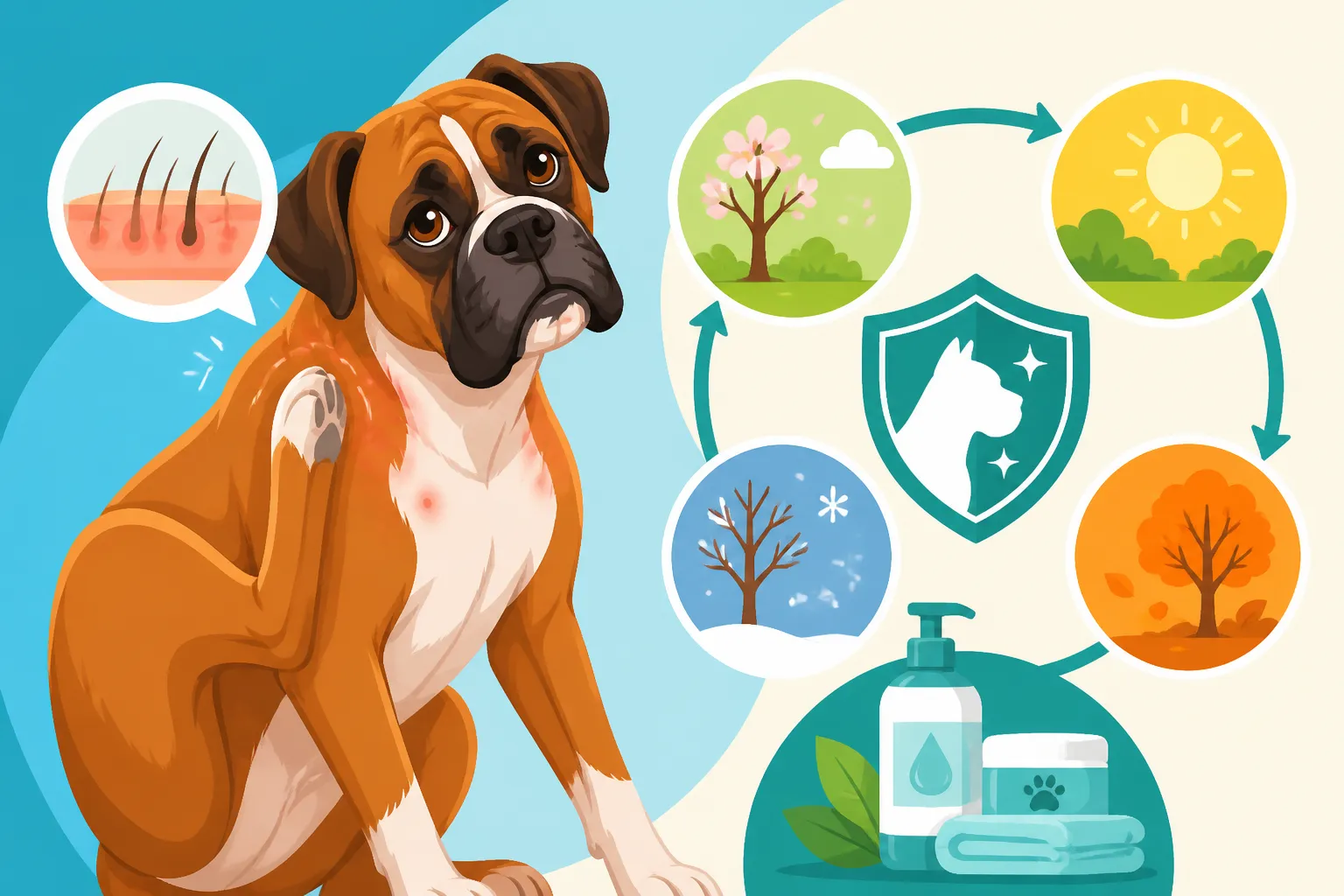
Treating a Boxer’s Itchy Skin Year After Year
It's incredibly frustrating to watch your beloved Boxer constantly scratching, chewing at their paws, or rubbing against furniture, especially when it seems like no matter what you do, the itch just keeps coming back year after year. This isn't just a minor annoyance; chronic itchy skin can lead to painful infections, hair loss, and a miserable quality of life for your otherwise happy-go-lucky companion. This guide is here to walk you through the complex world of Boxer skin issues, helping you understand why your dog might be so itchy, how to work with your vet to pinpoint the exact cause, and what long-term strategies you can employ to finally bring lasting relief to your Boxer's sensitive skin.
Understanding Why Boxers Are So Prone to Itchy Skin
Boxers, with their short, sleek coats and expressive faces, are unfortunately predisposed to a range of skin issues that can leave them perpetually uncomfortable. It's rarely a simple case of one-off irritation; more often, it's a chronic battle against a combination of genetic factors, environmental triggers, and sometimes even their diet. Understanding these underlying vulnerabilities is the first step toward effective, long-term management.
The Allergic Boxer's Genetic Predisposition
One of the biggest reasons Boxers tend to be so itchy is their genetic predisposition to allergies, particularly a condition known as atopic dermatitis. Think of it like chronic hay fever for humans, but instead of sneezing, your Boxer gets incredibly itchy skin. Their immune system is simply more reactive to common substances in their environment that wouldn't bother other dogs. This inherited sensitivity means that even tiny amounts of pollen, dust mites, or mold spores can send their immune system into overdrive, leading to widespread inflammation and intense itching. It's a deeply ingrained trait, which is why you'll often hear Boxer owners swapping stories about their dog's endless scratching.
This genetic vulnerability doesn't just mean a higher chance of developing allergies; it often means their skin barrier itself might be a bit compromised. A healthy skin barrier acts like a strong shield, keeping allergens out and moisture in. For an atopic Boxer, this shield might have tiny cracks, allowing irritants to penetrate more easily and trigger an immune response from within. This can lead to a vicious cycle: the Boxer scratches, further damaging the skin barrier, which then allows more allergens in, causing more itching. It's a tough hand for our Boxers, and it requires a multi-pronged approach to manage effectively.
The manifestation of these allergies can vary wildly. Some Boxers might suffer from generalized itching all over their body, while others might focus on specific areas like their paws, ears, or belly. You might notice them constantly licking their paws until they are raw and discolored, or frantically rubbing their face against the carpet. This intense itching can then lead to secondary bacterial or yeast infections, which only exacerbate the problem, making the itch even worse and often creating a foul odor or greasy coat. This is why addressing the primary allergic trigger is so crucial, as simply treating the secondary infections without tackling the root cause will only provide temporary relief.
Food Sensitivities and Their Role in Skin Health
Beyond environmental allergies, food sensitivities are another major culprit behind a Boxer's chronic itch. It's easy to assume that if your dog isn't throwing up or having diarrhea, their food is fine, but for many Boxers, an adverse food reaction primarily manifests as skin problems. Certain protein sources or even grains can act as allergens for a sensitive Boxer, causing inflammation throughout their body, which often presents as persistent itching, ear infections, or even recurrent skin infections that just won't clear up.
Identifying food sensitivities can be incredibly challenging, and it's one of the most frustrating journeys for a Boxer owner. Common culprits often include proteins like chicken, beef, dairy, wheat, and soy. The problem is, these ingredients are found in almost every commercial dog food, making it hard to avoid them without a targeted approach. Your vet might suggest an elimination diet, which involves feeding your Boxer a novel protein (something they've never eaten before, like duck or venison) or a hydrolyzed protein diet (where the proteins are broken down so small that the immune system doesn't recognize them as allergens) for an extended period, usually 8-12 weeks. During this time, absolutely no other foods, treats, or flavored medications can be given. You can learn more about specific dietary strategies in Eight Weeks of One Protein for an Itchy Boxer or explore Novel Protein Diets for a Boxer.
The commitment required for a successful elimination diet cannot be overstated. It means meticulously checking every single thing your Boxer ingests, including accidental crumbs from the floor or treats given by well-meaning visitors. If the itching significantly improves during this period, you then systematically reintroduce old ingredients one by one to identify the specific trigger. It’s a slow process that demands patience and strict adherence, but for many Boxers, discovering and eliminating a dietary allergen can provide immense relief and significantly reduce their overall itch burden. Companies like Chewy offer a wide range of specialized prescription and novel protein diets, while Ollie can provide fresh, customized meal plans designed to avoid common allergens.
Environmental Irritants and Seasonal Triggers
While genetics and food play a huge role, environmental irritants are the everyday culprits that can trigger flare-ups in even the most carefully managed Boxer. These aren't always allergens but can be physical irritants that bother their sensitive skin. Think about everything your Boxer comes into contact with daily: the grass in your yard, the chemicals used to clean your floors, the laundry detergent used on their bedding, or even the type of shampoo you use during baths. Each of these can contribute to a cycle of irritation, making your Boxer miserable.
Seasonal changes are another huge factor. Just like humans with seasonal allergies, many Boxers react to specific pollens that are prevalent during certain times of the year. Spring often brings tree and grass pollens, while late summer and fall can be a nightmare for those sensitive to ragweed. Even seemingly innocuous things like dust mites, which are present year-round, can become a significant issue, especially in indoor environments. Because Boxers spend a lot of time indoors, keeping their living space as clean and allergen-free as possible is crucial. This might involve frequent vacuuming with a HEPA filter, washing bedding regularly in hypoallergenic detergent, and using air purifiers to reduce airborne irritants.
The impact of these environmental factors is often compounded by the Boxer's physical characteristics. Their short coat offers less protection from external irritants than a thicker, longer coat might. Also, their wrinkles and skin folds, while adorable, can trap moisture, dirt, and allergens, creating perfect breeding grounds for bacteria and yeast, which then contribute to the itch. Keeping these areas clean and dry is an ongoing battle for many Boxer owners, and it's something we'll delve into further in the care sections. It’s a relentless battle, trying to keep these environmental triggers at bay, and it requires a consistent, proactive approach throughout the year.
Diagnosing the Root Cause of Your Boxer's Itch
When your Boxer is scratching constantly, it's easy to jump to conclusions or try every over-the-counter remedy you can find. However, with chronic itching, simply treating the symptoms without knowing the cause is like bailing water from a leaky boat without patching the hole. A proper diagnosis from your veterinarian is absolutely essential to develop an effective, long-term plan that actually brings your Boxer lasting relief.
The Importance of a Thorough Vet Examination
Your first and most crucial step when your Boxer develops chronic itching is a visit to your veterinarian. They are equipped to systematically rule out the most common causes of skin irritation and infection. It's not just about looking at the skin; a good vet will take a detailed history, asking about diet, environment, other pets, any medications, and the exact timeline of the itching. This information is invaluable in narrowing down the possibilities. Never try to diagnose or treat a persistent skin issue on your own, as you could be overlooking something serious or making the problem worse.
During the examination, your vet will perform several diagnostic tests. They'll likely do a skin scrape to check for microscopic parasites like mange mites, which can cause intense itching and are often missed with the naked eye. They'll also perform cytology, where they take a swab or impression of the skin and look at it under a microscope to identify any secondary bacterial or yeast infections. These infections are incredibly common in itchy Boxers because the constant scratching damages the skin barrier, allowing opportunistic microorganisms to thrive. Treating these secondary infections is often the first step in breaking the itch-scratch cycle and bringing some immediate comfort.
It's important to understand that a single vet visit might not yield all the answers. Chronic skin issues are often complex, requiring a process of elimination. Your vet might also want to do a fungal culture to rule out ringworm, or blood tests to check for underlying systemic issues like hypothyroidism, which can sometimes manifest with skin changes. Being patient and diligent with follow-up appointments and prescribed treatments is key. Sometimes, the initial discomfort needs to be controlled before you can even begin to investigate the deeper, underlying causes, which might involve medication to soothe the skin while further tests are performed.
Allergy Testing Options for Boxers
Once parasites and infections have been ruled out or addressed, and especially if food sensitivities have been investigated, your vet might suggest allergy testing to pinpoint specific environmental triggers. There are generally two main types of allergy tests available for dogs: intradermal skin testing and blood (serum IgE) testing. Both have their pros and cons, and the choice often depends on your vet's recommendation and the availability of a veterinary dermatologist in your area.
Intradermal skin testing is considered the "gold standard" by many veterinary dermatologists. This procedure involves sedating your Boxer, shaving a patch of fur, and then injecting tiny amounts of various common allergens (like pollens, dust mites, molds) just under the skin. The dermatologist then observes which injection sites react with a raised, red welt, similar to how human allergy testing works. This test provides a direct, visual indication of what your Boxer is allergic to, and the results are typically available immediately. However, it requires a specialist, sedation, and can be more expensive.
Blood tests, or serum IgE tests, are a less invasive option. A blood sample is taken from your Boxer and sent to a specialized lab, which measures the level of IgE antibodies in the blood that are specific to various allergens. Higher levels of IgE against a particular allergen suggest sensitivity. While more convenient, these tests can sometimes produce false positives or negatives, meaning they might not always perfectly correlate with what's actually causing your Boxer's symptoms. Both types of tests don't cure allergies, but they provide invaluable information that can guide the development of a targeted immunotherapy plan, which we'll discuss later. Ultimately, these tests help you understand what your Boxer is reacting to, so you can better manage their environment and potentially pursue desensitization.
The Trial and Error of Elimination Diets
When your Boxer is battling persistent itching, especially if it's accompanied by gastrointestinal upset or recurrent ear infections, a food sensitivity is always high on the list of suspects. But unlike environmental allergies, there isn't a simple blood test that reliably identifies food allergens in dogs. Instead, the most effective diagnostic tool is an elimination diet, which, as mentioned, is a rigorous process of trial and error.
The goal of an elimination diet is to remove all potential allergens from your Boxer's diet for a set period and then gradually reintroduce them to identify the culprits. This usually means switching to a diet based on a novel protein source that your Boxer has never encountered before (like venison, duck, or rabbit) and a single carbohydrate source (like potato or sweet potato). Alternatively, a hydrolyzed protein diet, where the protein molecules are broken down into such small pieces that the immune system doesn't recognize them as allergens, is often recommended by vets. Brands like Hill's Prescription Diet z/d or Royal Canin Hydrolyzed Protein are common examples available through Chewy or your vet. Ollie also offers customized fresh food options that can be tailored for elimination diets.
This diet must be the only thing your Boxer eats for at least 8 to 12 weeks, sometimes even longer. This means no treats, no table scraps, no flavored medications, and absolutely nothing they might find on the floor or outside. It requires unwavering commitment from everyone in the household. If the itching significantly improves during this period, you then start the "challenge" phase, where you slowly reintroduce individual ingredients (e.g., chicken for a week, then beef for a week) while monitoring for a return of symptoms. If the itching flares up after reintroducing chicken, you've likely found a trigger. This painstaking process is the most accurate way to diagnose food allergies and can lead to a breakthrough for many chronically itchy Boxers. Check out Eight Weeks of One Protein for an Itchy Boxer for more on the commitment needed.
Long-Term Management Strategies for Chronic Itch
Once you have a clearer picture of what's making your Boxer itch, the real work of long-term management begins. This isn't about finding a quick fix but about implementing a sustainable routine that combines various strategies to keep your Boxer comfortable and minimize flare-ups year after year. It's a journey that often evolves as your Boxer ages and their needs change.
Medication and Symptom Control
For Boxers suffering from severe or widespread itching, especially during acute flare-ups, medication is often a necessary tool to break the itch-scratch cycle and bring immediate relief. Your vet has several options available, and the choice will depend on the severity of the itching, underlying causes, and any other health conditions your Boxer might have.
Antihistamines are often the first line of defense for mild allergies, though they are less effective in dogs than in humans. Medications like diphenhydramine (Benadryl) or cetirizine (Zyrtec) can sometimes help take the edge off the itch, especially if given consistently. However, they typically don't provide sufficient relief for severe atopic dermatitis. For more potent relief, veterinarians might prescribe corticosteroids (like prednisone) for short periods to control severe inflammation. While highly effective, long-term use of steroids comes with significant side effects, so they are generally reserved for crisis management rather than daily maintenance.
Newer, targeted medications have revolutionized allergy management in dogs. Apoquel (oclacitinib) works by inhibiting specific pathways in the immune system that cause itching and inflammation. It's effective for many Boxers and can be used long-term with a good safety profile. Another excellent option is Cytopoint (lokivetmab), an injectable antibody treatment that targets and neutralizes a key protein responsible for sending itch signals to the brain. It's given as an injection every 4-8 weeks and provides excellent relief for many allergic Boxers without affecting other parts of the immune system. These medications don't cure allergies, but they effectively control the symptoms, allowing your Boxer to live a much more comfortable life. It's important to discuss the potential side effects and costs of these treatments with your vet, as individual responses can vary.
The Power of Targeted Nutrition and Supplements
Beyond avoiding known food allergens, leveraging targeted nutrition and supplements can play a crucial role in supporting your Boxer's skin health from the inside out. Even if food allergies aren't the primary cause of their itching, a high-quality, balanced diet provides the building blocks for healthy skin and a robust immune system. For Boxers with chronic skin issues, diets rich in omega-3 fatty acids, antioxidants, and specific vitamins can be particularly beneficial.
Omega-3 fatty acids, found in fish oil, are powerful anti-inflammatory agents. They help reduce skin inflammation, improve the skin barrier function, and can even contribute to a healthier, shinier coat. Adding a high-quality fish oil supplement to your Boxer's daily regimen is often recommended for dogs with allergies or dry, flaky skin. Just be sure to choose a reputable brand and follow dosage instructions carefully. You can explore Fish Oil for a Boxer's Skin and Heart for more details on this. Probiotics are another valuable addition. A healthy gut microbiome is increasingly recognized as being linked to overall immune function and skin health. Probiotic supplements can help rebalance the gut flora, which may, in turn, reduce inflammatory responses throughout the body.
For Boxers specifically diagnosed with food sensitivities, maintaining a strict diet free of their triggers is paramount. This might mean sticking to a specialized hypoallergenic kibble from brands found on Chewy or a carefully prepared homemade diet. Some owners find success with fresh food diets, like those offered by Ollie, which can be custom-formulated to avoid specific allergens and provide high-quality, easily digestible nutrients. It’s also important to be mindful of treats and chews; even small amounts of an allergen can trigger a reaction. Always opt for single-ingredient treats or those specifically designed for sensitive stomachs. For further reading on supplements, check out Which Boxer Supplements Are Worth Buying.
Environmental Control and Regular Hygiene
While medications and diet address internal factors, managing your Boxer's external environment and maintaining a consistent hygiene routine are equally vital in the battle against chronic itching. Reducing their exposure to environmental allergens and irritants can significantly decrease the frequency and severity of flare-ups, making your Boxer much more comfortable.
One of the most effective strategies is regular bathing with appropriate shampoos. For allergic Boxers, weekly or bi-weekly baths can help wash away allergens, dead skin cells, and microbial overgrowth from their coat. Your vet might recommend a medicated shampoo with ingredients like chlorhexidine for bacterial infections or miconazole for yeast infections, or a soothing shampoo containing oatmeal or ceramides to moisturize and protect the skin barrier. Always make sure to thoroughly rinse your Boxer to avoid leaving any residue that could cause further irritation. After bathing, it's crucial to ensure any skin folds are dried thoroughly to prevent moisture buildup, which can lead to infection. Drying a Boxer's Folds After a Bath has more tips. For general advice, see Shampoo for a Boxer With Sensitive Skin.
Beyond baths, daily habits can make a big difference. After outdoor excursions, wipe your Boxer's paws and muzzle with a damp cloth to remove pollen and other outdoor allergens. Consider using a humidifier in your home during dry seasons to prevent skin from becoming too parched. Regular vacuuming with a HEPA filter, frequent washing of your Boxer’s bedding in a gentle, unscented detergent, and using air purifiers can drastically reduce indoor allergen loads like dust mites. Some owners even invest in dog-specific booties for walks during high-pollen seasons. It’s about creating a safe, low-allergen sanctuary for your Boxer, reducing the constant assault on their sensitive skin.
Immunotherapy: A Long-Term Solution
For Boxers suffering from environmental allergies (atopic dermatitis) that are not adequately controlled by medications and environmental management, immunotherapy offers the best chance for long-term desensitization and significantly reduced symptoms. Unlike symptomatic treatments that only mask the itch, immunotherapy aims to retrain your Boxer's immune system to be less reactive to the specific allergens that cause their discomfort.
Immunotherapy typically begins after allergy testing (either intradermal or blood testing) has identified the precise environmental allergens your Boxer reacts to. Based on these results, a custom-formulated allergen vaccine is created. This vaccine contains tiny, gradually increasing amounts of the specific allergens your Boxer is sensitive to. It can be administered either through injections given at home (allergy shots) or as drops placed under the tongue (sublingual immunotherapy).
The process requires commitment and patience. Your Boxer will receive the allergen extract regularly, often daily or every few days, for an extended period – typically for several months before you start to see significant improvement, and often for the rest of their lives. The goal is to gradually desensitize their immune system, making it less reactive over time. While not every Boxer responds perfectly, many experience a dramatic reduction in itching, frequency of flare-ups, and a decreased need for symptomatic medications. It's important to remember that immunotherapy doesn't work overnight, and it's not a "cure-all." However, for many Boxers with chronic atopic dermatitis, it provides the most effective and safe long-term management strategy, significantly improving their quality of life.
Living with a Chronically Itchy Boxer: Realistic Expectations
Owning a Boxer with chronic itchy skin can be an exhausting journey, filled with ups and downs, successes and setbacks. It's crucial to set realistic expectations and understand that managing this condition is often a lifelong commitment rather than a quick fix. By understanding the nature of chronic conditions and preparing for the challenges, you can better support both your Boxer and yourself.
Understanding Flare-Ups and Relapses
One of the most important things to grasp when managing a Boxer's chronic skin condition is that flare-ups and relapses are almost inevitable. Even with the best management plan, certain factors can trigger a return of symptoms. Seasonal changes, a sudden increase in environmental allergens, a lapse in diet (even a single forbidden treat!), stress, or even minor changes in routine can all contribute to a flare-up. It's not a sign of failure on your part, but simply the nature of a chronic, underlying sensitivity.
When a relapse occurs, the key is to react promptly and not get discouraged. Revisit your Boxer's current management plan with your vet, identify any potential triggers, and adjust as needed. This might involve a short course of medication to get the itch under control, an increase in bathing frequency, or a stricter adherence to their diet. Keeping a detailed journal of your Boxer's symptoms, diet, and any environmental exposures can be incredibly helpful in pinpointing patterns and identifying what causes their skin to worsen. This information is invaluable to your vet as you work together to refine the management strategy over time. It's a marathon, not a sprint, and there will be periods where your Boxer is doing great, and others where they need more intensive care.
The Financial and Emotional Toll
There's no sugarcoating it: treating a Boxer's itchy skin year after year can take a significant toll, both financially and emotionally. The costs can quickly add up, from repeated vet visits, diagnostic tests like a Skin Biopsy Costs on a Boxer, specialized prescription diets, ongoing medications, and potentially immunotherapy. Many owners find themselves spending hundreds, if not thousands, of dollars annually trying to bring their Boxer relief. It’s a financial commitment that truly impacts household budgets, and it’s one of those "hidden" costs of Boxer ownership that new owners aren't always prepared for. Looking into pet insurance like Healthy Paws early on can sometimes help offset some of these substantial veterinary bills, but it's important to understand how pre-existing conditions are handled. Consider this alongside planning for The Cancer Fund a Boxer Owner Should Build, as chronic health issues can really strain resources.
Beyond the monetary aspect, the emotional burden is immense. Watching your beloved Boxer suffer, constantly scratching until their skin is raw and infected, can be heartbreaking. The endless cycle of trying new treatments, hoping for a breakthrough, and then experiencing setbacks can lead to feelings of frustration, guilt, and exhaustion. It's easy to feel like you're not doing enough, or that you're failing your dog. It's important to acknowledge these feelings and give yourself grace. You are doing your best for your Boxer, and their constant itching is not your fault. Lean on your support network, whether it's your vet, other Boxer owners, or family members. Remember, simply providing comfort and love is also a huge part of their care. This constant battle for comfort is a testament to the dedication of Boxer owners.
Advocating for Your Boxer and Working with Your Vet
Managing chronic itchy skin is a team effort, and you are the most important advocate for your Boxer. Building a strong, open, and communicative relationship with your veterinarian is absolutely critical. Don't be afraid to ask questions, voice your concerns, or seek clarification on treatment plans. Your vet relies on your observations and commitment to follow through with treatments at home.
Keep detailed records of your Boxer's symptoms, including when they occur, how severe they are, what seems to make them better or worse, and any changes in diet or environment. Take photos of skin lesions or irritated areas to show your vet, as symptoms can fluctuate. If a particular treatment isn't working or your Boxer is experiencing side effects, communicate this immediately. Sometimes, getting a second opinion from a veterinary dermatologist can be incredibly valuable, especially for complex or refractory cases. Specialists have advanced diagnostic tools and a deeper understanding of challenging skin conditions. They might offer new perspectives or treatment options that your general practitioner might not. Remember, you know your Boxer best, and your intuition is a powerful tool in navigating their long-term health.
| Cause of Itching | Common Characteristics | Initial Vet Steps | Potential Long-Term Management |
|---|---|---|---|
| Environmental Allergies | Seasonal itching, paw licking, ear infections, generalized itch. | Skin scrapes, cytology, allergy testing (blood/intradermal) | Antihistamines, Apoquel/Cytopoint, immunotherapy, environmental control, medicated baths. |
| Food Sensitivities | Year-round itching, GI upset, recurrent ear infections. | Elimination diet (novel/hydrolyzed protein), food challenge. | Strict adherence to hypoallergenic diet, novel protein treats. |
| Parasites (Fleas/Mites) | Intense, sudden itching, "flea dirt," visible mites/lesions. | Skin scrapes, flea comb, physical examination. | Consistent flea/tick prevention (monthly), specific mite treatments. |
| Bacterial/Yeast Infections | Redness, pustules, scabs, greasy coat, foul odor. | Cytology (microscopic exam of skin cells). | Topical/oral antibiotics or antifungals, medicated shampoos. |
| Contact Dermatitis | Rash/itch where skin touches irritant (plants, chemicals). | History, physical exam, avoidance trials. | Identify and remove irritant, protective gear (booties), soothing baths. |
Disclaimer
This article is for general informational purposes only and does not constitute professional advice. Laws, prices and regulations vary by location and change over time. Consult a qualified professional for guidance on your specific situation.