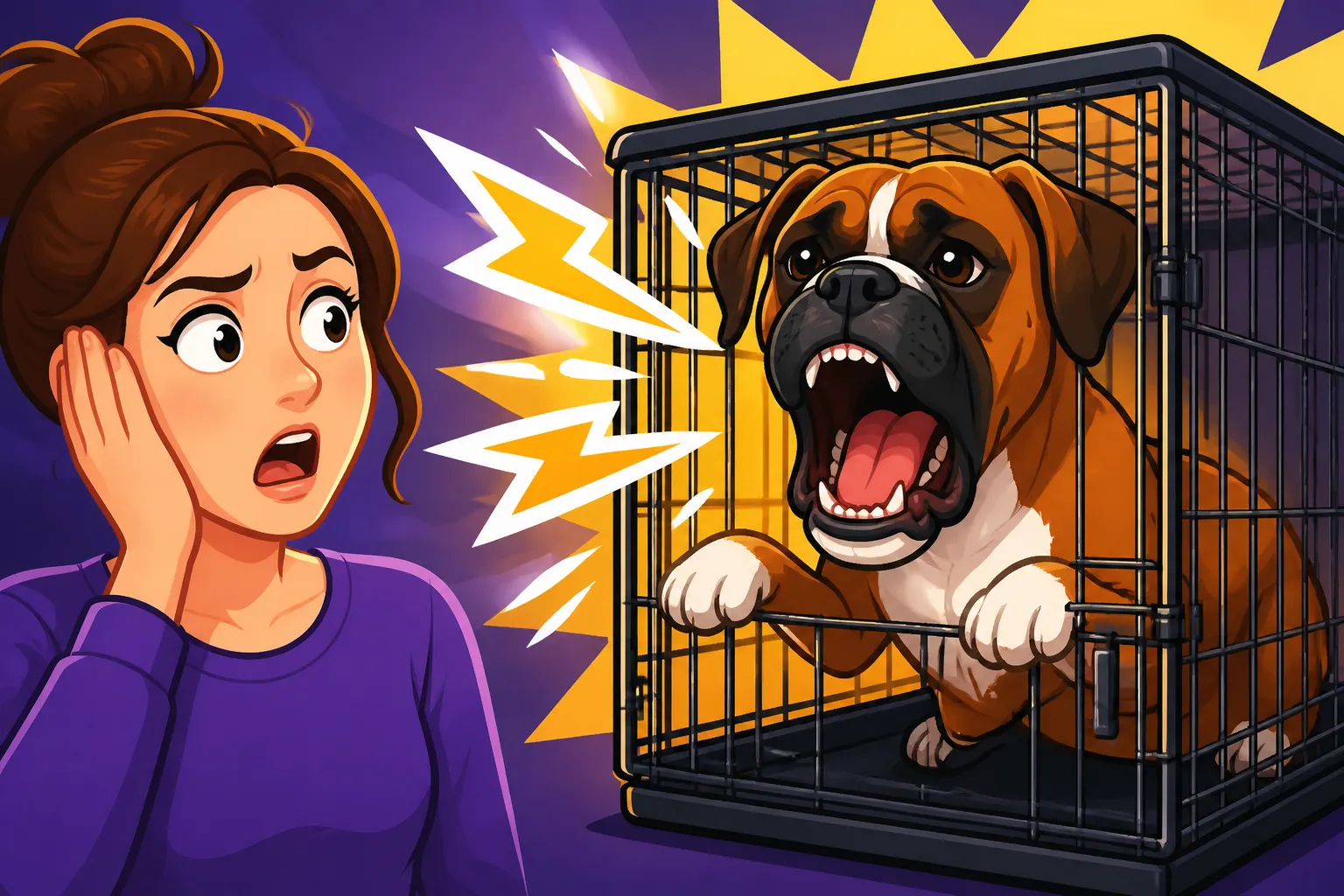
A Boxer That Screams in the Crate
That piercing, frantic scream from your Boxer in the crate can be absolutely heartbreaking and incredibly frustrating. You’re left wondering if you’re doing something wrong, if they hate their crate, or if they’re going to wake the entire neighborhood. This isn't just a puppy whimpering; a full-blown Boxer scream is a cry for help, attention, or a desperate expression of discomfort. This guide is here to walk you through the common reasons behind this distressing behavior and, more importantly, equip you with actionable strategies to transform the crate into a safe, calm haven for your beloved Boxer.
Decoding the Crate Scream: Why Your Boxer Is Unhappy
It's easy to jump to conclusions when your Boxer is vocalizing loudly in their crate. You might think they're just being stubborn, or perhaps trying to manipulate you. While Boxers are certainly intelligent and can be a little cheeky, persistent screaming in the crate usually stems from something more fundamental than simple naughtiness. Understanding the root cause is the first step toward finding a lasting solution.
Fear and Confinement Anxiety
Imagine being trapped in a small space, unable to see or reach your family, with no clear understanding of when you'll be let out. For some Boxers, especially puppies who are new to crating or older dogs who have had negative experiences, the crate can feel exactly like this. It's not just a dislike; it's genuine fear. They might panic, feeling isolated and unable to escape. This fear can manifest as desperate vocalizations, frantic pawing, or even attempts to chew their way out. This isn't a Boxer being "bad"; it's a dog in distress, genuinely scared by the feeling of being confined.
This sense of confinement can be particularly acute for Boxers, who are so people-oriented and thrive on connection. If the crate is introduced abruptly or used as a punishment, it can quickly become a place associated with fear rather than safety. The sound of their cries is not a tantrum but a genuine expression of their emotional state. It's crucial not to punish this vocalization, as it only serves to intensify their negative association with the crate and can make the fear much worse.
Separation Distress or Attention Seeking
Boxers are renowned for their loyalty and their profound bond with their human families. They are truly "velcro dogs" who adore being involved in everything you do. This wonderful trait can, however, contribute to separation distress when they find themselves alone in a crate. If your Boxer screams primarily when you leave the room, the house, or when they can hear you but can't be with you, it's likely a form of separation anxiety or attention-seeking. They're not being malicious; they genuinely miss your presence and are using the loudest tool they have — their voice — to try and bring you back.
There's a fine line between true separation anxiety and attention-seeking. With true anxiety, the distress is profound, often accompanied by destructive behaviors (trying to escape the crate), house soiling, and excessive drooling. Attention-seeking, while still a problem, might be less severe and often stops if they realize their vocalizations aren't working. However, from your Boxer's perspective, both are about a fundamental need for connection. Ignoring their cries completely in the early stages can actually worsen their anxiety, as it teaches them that their pleas are futile, making them even more desperate.
Unmet Needs or Discomfort
Sometimes, the simplest explanation is the right one. Before diving into complex behavioral solutions, it’s vital to rule out basic needs. Is your Boxer genuinely comfortable in their crate? Do they need to go to the bathroom? Are they hungry or thirsty? Puppies, especially, have tiny bladders and cannot hold it for long. An adult Boxer, too, might scream if they suddenly feel unwell or have an upset stomach. It’s also important to check the crate itself. Is it too hot or too cold? Is the bedding comfortable and clean? Is the crate size appropriate? A crate that’s too small will be physically uncomfortable, while one that’s too large might encourage them to use one end as a "bathroom," defeating the purpose of crate training.
Think about a human baby crying. We don't immediately assume manipulation; we run through a checklist of needs: wet diaper, hungry, tired, uncomfortable. We should afford our Boxers the same consideration. A Boxer who consistently screams might simply be telling you something fundamental is wrong. Ignoring these basic signals can not only prolong the screaming but also lead to deeper behavioral issues or even health problems. You want the crate to be a place of relief, not a source of misery.
Building a Positive Crate Experience for Your Boxer
The goal isn't just to stop the screaming; it's to make the crate a place your Boxer wants to be. This involves thoughtful preparation, careful introduction, and consistent positive reinforcement. Think of it as creating a personalized, cozy den for them, rather than a jail cell.
Choosing the Right Crate and Location
The crate itself is the foundation of this training. For a Boxer, you need a sturdy, appropriately sized crate. It should be large enough for them to stand up, turn around, and lie down comfortably, but not so large that they can designate one end as a bathroom area. Many owners opt for wire crates with a divider, allowing you to expand the space as your puppy grows. Brands available on platforms like Amazon offer various sizes and styles to suit your Boxer's needs. Consider a crate cover to create a den-like atmosphere, which can reduce visual stimulation and help some Boxers feel more secure.
The location of the crate is also critical. During the initial training phase, especially for puppies or anxious Boxers, placing the crate in an area where they can still see and hear you (like the living room or your bedroom at night) can reduce feelings of isolation. As they become more comfortable, you can gradually move the crate to its permanent spot, if desired. Avoid placing the crate in high-traffic areas where they might feel constantly disturbed, or in an isolated, cold, or noisy spot that would only increase their discomfort. Remember, a Boxer craves companionship, so being near you, especially in the beginning, is paramount. Crates, Beds and Gear Sized for a Boxer can provide more specific guidance on selecting the right size.
Creating a Cozy Den: Bedding, Toys, and Treats
Once you have the right crate and location, it's time to make it inviting. Line the crate with soft, comfortable bedding. This could be a thick dog bed, blankets, or even an old t-shirt with your scent on it, which can be incredibly comforting. Make sure the bedding is safe and not easily shredded or ingested, especially for chew-happy Boxers. Introduce high-value, long-lasting chew toys, like a Kong stuffed with peanut butter or plain yogurt and frozen, which will keep them occupied and associate positive experiences with the crate. These aren't just distractions; they are powerful tools for positive association.
Never use the crate for punishment. If your Boxer does something wrong, avoid putting them in the crate as a consequence. The crate should never be a negative place. Instead, associate it with good things: special treats they only get in the crate, favorite toys, or a quiet space for a meal. By consistently pairing the crate with positive rewards, your Boxer will begin to view it as a desirable sanctuary.
Gradual Acclimation: The "Happy Place" Method
The key to successful crate training is slow, positive, and gradual acclimation. Don't just put your Boxer in the crate and walk away. Start by simply having the crate open in your living area, letting them explore it on their own terms. Toss treats inside, praise them when they go in, and let them come out freely.
The next step is to encourage them to spend short periods inside with the door closed, but while you are still present. This might start with just a few seconds, gradually increasing to a minute, then five, then ten. Offer a stuffed Kong or a special chew to keep them happily engaged. Stay nearby, praise them quietly, and release them before they start to whine or scream. The goal is to build a positive association with the crate while you are nearby. Once they're comfortable with you in the room, start leaving the room for very short periods, gradually increasing the duration. It's a marathon, not a sprint. Getting a Boxer Puppy Reliable in the House offers more tips on this gradual approach.
Practical Training Strategies to Stop the Screaming
Once you've set up the crate for success, it's time to implement specific training strategies designed to address and eliminate the screaming behavior. Consistency and patience are your greatest allies here.
Ignoring Unwanted Vocalization (with caveats)
This is perhaps the trickiest part of crate training a screaming Boxer. As empathetic owners, our instinct is to respond to their cries. However, if you've ruled out fear, discomfort, or unmet needs, and you suspect the screaming is primarily for attention, then responding can inadvertently reinforce the behavior. Your Boxer learns: "If I scream, my human comes back." The general rule is to wait for a lull in the barking or screaming – even a split second of quiet – before you approach or let them out. This teaches them that quiet, not noise, gets your attention.
It's crucial to distinguish between a "scream" born of genuine panic or distress and one that is attention-seeking. If your Boxer is truly panicking, attempting to injure themselves, or showing signs of severe anxiety (trembling, excessive drooling, destructive chewing), you must intervene. In such cases, the priority shifts to alleviating their fear, not just suppressing noise. For genuine attention-seeking, however, consistency in ignoring the noise until quiet is established is key. This phase can be incredibly challenging, and you might need to wear earplugs or find ways to distract yourself while you wait for the quiet moment.
Structured Departures and Returns
Boxers are smart. They pick up on cues very quickly. If your departure routine is a flurry of keys jingling, shoes tying, and heartfelt goodbyes, your Boxer will start to associate those cues with impending isolation and may begin to scream before you even leave. To combat this, desensitize them to your departure cues. Pick up your keys, then put them down and sit on the couch. Put on your coat, then go make a coffee. Do this repeatedly throughout the day, so the cues lose their power to trigger anxiety.
When you do leave, make your departures calm and unemotional. No big fuss, no dramatic farewells. Just place them in the crate with a high-value chew, say a calm goodbye, and leave. Equally important are your returns. When you come back, do not immediately greet an excited, screaming Boxer. Wait for them to settle, to be quiet for a few moments, before you calmly let them out. This reinforces that calm behavior earns freedom and attention, not frantic vocalization. Make the first 5-10 minutes after you return a calm period, avoiding overly enthusiastic greetings.
Incorporating Interactive Toys and Puzzle Feeders
A bored Boxer is a destructive Boxer, and often, a screaming Boxer. These highly intelligent and energetic dogs need mental stimulation, especially when confined. This is where interactive toys and puzzle feeders become invaluable. Instead of just putting a bowl of food in their crate, make them work for it. A classic Kong toy, filled with their meal or a special treat and frozen, can keep a Boxer happily occupied for a significant amount of time. Brands like Kong are readily available on Amazon. Other puzzle toys require them to manipulate the toy to dispense kibble, engaging their minds and tiring them out mentally.
These mental games redirect their energy and focus away from screaming and toward problem-solving. It also makes the crate a place where exciting and rewarding things happen. Regularly rotate these toys to keep things fresh and interesting. This strategy not only helps reduce screaming but also addresses the underlying boredom that can lead to other unwanted behaviors like destructive chewing. Puzzle Feeders That Hold a Boxer's Attention can give you more ideas on specific toys.
BAXTER & Bella: Online Puppy School and Support
For many Boxer owners, especially those navigating puppyhood for the first time, professional guidance can make all the difference. Programs like BAXTER & Bella's online puppy school offer structured training curricula that can be incredibly helpful for crate training and addressing behavioral issues. Their step-by-step approach, often including video tutorials and personalized support, can guide you through the nuances of positive reinforcement and managing challenging behaviors.
These types of programs provide not just training techniques, but also a sense of community and expert advice to help you troubleshoot specific problems. Instead of feeling isolated and frustrated by your screaming Boxer, you gain access to a wealth of knowledge and support, which can be invaluable in building a strong foundation for your dog's behavior. The Boxer Puppyhood That Lasts Three Years highlights the extended nature of Boxer puppyhood, emphasizing the need for consistent, long-term training.
Addressing Specific Screaming Scenarios
Not all crate screaming is the same. The context often reveals the underlying cause, and tailoring your approach to the specific scenario can lead to faster, more effective results.
Nighttime Screaming
Nighttime screaming is one of the most common and exhausting challenges for new Boxer owners. The house is quiet, you’re trying to sleep, and your Boxer is raising the roof. First, ensure all basic needs are met: a final potty break right before bed, no food or water for an hour or two before crating (especially for puppies), and comfortable bedding. If you’ve done all that, consider the crate's location. For puppies and anxious adult Boxers, having the crate in your bedroom, or at least very close by, can make a huge difference. They feel less alone, reassured by your presence and scent.
If you’ve ruled out basic needs and proximity isn't helping, it's often a case of separation anxiety or attention-seeking. In this scenario, you need to commit to the "wait for quiet" rule. If you respond to every cry, you're teaching them that screaming gets you out of bed. It’s tough, but consistency is key. A safe, long-lasting chew or puzzle toy can also help them settle down for the night. Remember that A Boxer Puppy That Cries Through the Night is a common, but solvable, issue.
| Reason for Night Screaming | Potential Solution | When to Intervene (vs. Ignore) |
|---|---|---|
| Needs a Potty Break | Take out calmly, immediately back to crate. | Always intervene. Frequent potty breaks until bladder control improves (especially for puppies). |
| Loneliness/Isolation | Move crate closer to your bed; provide a familiar scented item. | Initially, a quick, calm check is okay. Gradually increase duration of quiet required before interaction. |
| True Separation Anxiety | Veterinary consultation, desensitization protocols, medication if severe. | Intervene if dog is destructive, self-harming, or showing extreme panic; focus on systematic desensitization. |
| Attention Seeking | Ignore vocalization; reward quiet with attention/release. | Ignore until a moment of silence. Avoid eye contact or talking while they are screaming. |
| Discomfort (Hot/Cold/Hard) | Adjust temperature, add/remove bedding, check crate size. | Always intervene to ensure comfort. |
| Hunger/Thirst | Ensure appropriate feeding schedule, water available (but consider timing for potty). | Address if legitimate hunger/thirst. Avoid feeding in response to screaming. |
Screaming When Left Alone
This often stems from separation anxiety or a lack of confidence being alone. For Boxers, who love being part of the family, being left alone can be a significant challenge. Just like with structured departures, desensitizing your Boxer to your absence is crucial. Start with very short periods of being alone in the crate – just a few minutes, then five, then ten – gradually building up duration. Use a webcam or baby monitor to observe their behavior when you're gone. This will help you distinguish between a brief protest and genuine, escalating panic.
Enrichment toys, especially those that dispense food, can be a lifesaver for these periods. They give your Boxer a job to do and a positive association with your absence. Ensure they are well-exercised before you leave, but allow them time to calm down before crating. A tired Boxer is a quiet Boxer! If the issue is severe, consider seeking guidance from a professional dog trainer or veterinary behaviorist. Remember that A Boxer Left Alone All Day can lead to a lot of distress and destructive behavior.
Regression in Crate Training
It's common for Boxers who were once perfectly crate trained to suddenly start screaming. This regression can be incredibly frustrating. The first step is to identify any recent changes: a new schedule, a move, a new pet, an illness, or even a scary experience while in the crate. Has their routine changed? Are they getting enough exercise and mental stimulation? Sometimes, underlying medical issues can cause a dog to become uncomfortable in their crate, so a vet check-up might be warranted to rule out pain or illness.
If no obvious cause is found, go back to basics. Treat your Boxer like a brand new puppy and restart crate training from step one, making sure to build positive associations slowly and gradually. Shorten the duration of crate time, increase high-value rewards, and practice your calm departures and returns. Sometimes, we push too fast, or unforeseen circumstances lead to a setback. Patience and a willingness to restart the training process will get you back on track.
Remember, a screaming Boxer is almost always a Boxer trying to communicate a need or a feeling of distress. With empathy, consistency, and the right strategies, you can help your Boxer overcome their crate anxiety and learn to love their cozy den.
Disclaimer
This article is for general informational purposes only and does not constitute professional advice. Laws, prices and regulations vary by location and change over time. Consult a qualified professional for guidance on your specific situation.