Boxer Prices at a Breeder Who Holters
Bringing a Boxer puppy into your home is an incredibly exciting time, but it’s often met with a natural apprehension about the cost. Beyond the initial sticker shock, many prospective owners worry about unknowingly supporting irresponsible breeding practices or, worse, bringing home a puppy with hidden health issues that will lead to devastating vet bills and heartbreak down the line. This guide will walk you through exactly what goes into the pricing of a Boxer puppy from a truly conscientious breeder who prioritizes vital health screening like Holter monitoring, helping you understand the value behind the investment and how it ultimately benefits you and your future furry family member.
Why Holter Monitoring Matters for Boxer Prices and Health
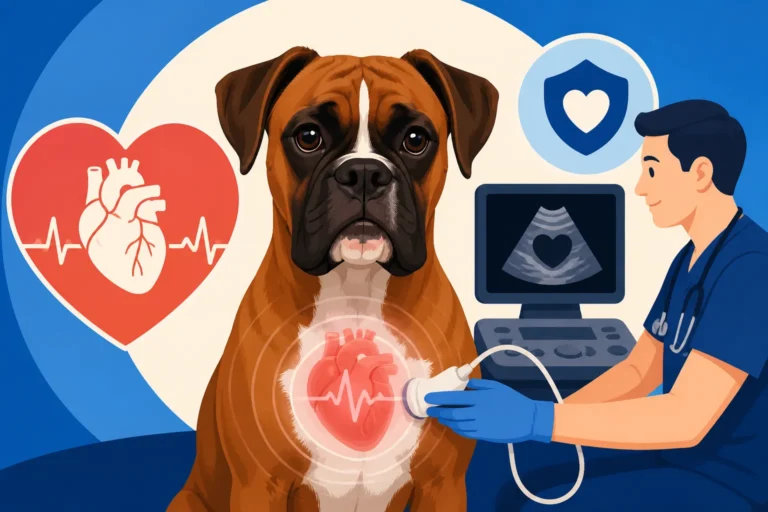
When you see a higher price tag on a Boxer puppy from a reputable breeder, it’s not just about the cute puppy; it’s an investment in a lifetime of health and peace of mind. One of the most significant health concerns in Boxers is Arrhythmogenic Right Ventricular Cardiomyopathy, or ARVC, a genetic heart condition that can lead to fainting, sudden collapse, and even sudden death. It's an invisible enemy, often showing no outward signs until it's too late. This is precisely why Holter monitoring is such a critical part of a responsible breeder's health screening protocol, and why it directly impacts the price you pay for a puppy.
A Holter monitor is essentially a portable ECG machine that a dog wears for 24 to 48 hours. It continuously records the heart's electrical activity, capturing any irregular beats (known as PVCs or premature ventricular contractions) that might not show up during a regular vet check. Boxers are particularly prone to ARVC, and this test is the gold standard for detecting the condition in breeding animals. When a breeder consistently Holters their breeding dogs, they are actively working to identify and remove affected animals from their breeding program, thereby reducing the likelihood of passing this terrible disease on to future generations. This isn't a cheap or quick process; it involves specialized equipment, veterinary interpretation, and a commitment to ongoing testing, typically starting when a Boxer reaches three years old.
Imagine finding your dream Boxer puppy, only to have them collapse unexpectedly at a young age. The emotional toll is immense, not to mention the financial burden of emergency veterinary care, diagnostic tests, and ongoing medication for a condition like ARVC. When a breeder invests in Holter monitoring, they are absorbing these potential future costs by proactively managing their breeding lines. They're making a conscious decision to prioritize the health of the breed over profit, and that dedication comes with expenses. These costs are then factored into the puppy price, providing you with a puppy from parents who have been screened for a major breed-specific killer. It's a small price to pay for a lower risk of such a devastating diagnosis later on. Understanding What Boxer ARVC Actually Does to the Heart really puts into perspective why this test is so crucial for the breed.
Breaking Down the Price Tag: What You're Really Paying For
The price of a Boxer puppy from a breeder who rigorously Holters their dogs and performs other essential health screenings can range significantly, typically from $2,500 to $4,500, or even higher for puppies from exceptional show lines or those with rare markings. This might seem like a lot compared to ads for "cheap Boxers," but it's important to understand the true cost of responsible breeding. This isn't just a number pulled out of thin air; it reflects a substantial investment in the health, temperament, and welfare of the puppies and the breed as a whole.
Let's break down where that money goes:
- Initial Investment in Breeding Stock: Responsible breeders don't just pick any two Boxers to breed. They meticulously research pedigrees, travel to find health-tested champions or proven working dogs, and pay significant prices for their foundation breeding animals. These dogs themselves come from lines that have undergone extensive health screening, including Holter monitoring, echocardiograms to rule out subaortic stenosis, OFA certifications for hips and elbows, thyroid panels, and genetic tests like The Striatin Gene Test for Boxers. This initial investment can easily be tens of thousands of dollars.
- Ongoing Health Clearances: Beyond the initial purchase, the breeding dogs undergo yearly health screenings. This includes regular Holter monitoring (which may involve renting a Holter monitor for a Boxer and paying for veterinary interpretation), repeat echocardiograms, eye exams by veterinary ophthalmologists, and general health check-ups to ensure they are in peak condition for breeding. Each of these tests costs hundreds, sometimes thousands, of dollars annually. For example, a single Holter test can easily run $200-$400 depending on your location and vet.
- Quality Care for Breeding Dogs: A breeder's dogs are family members. They receive top-notch nutrition, often on premium foods like those available from Chewy or specialized diets, regular vet care, grooming, and mental enrichment. Pregnant dams require additional veterinary care, specialized diets, and a safe, clean whelping environment.
- Whelping and Puppy Rearing Expenses: From the moment a litter arrives, expenses mount quickly. Whelping supplies, veterinary check-ups for the newborns, tail docking (if desired and legal), microchipping, initial vaccinations, deworming, and high-quality puppy food all add up. Early neurological stimulation, extensive socialization with people and other animals, and careful observation of each puppy's temperament and development are also time-consuming but invaluable.
- Time, Knowledge, and Support: Perhaps the biggest "hidden" cost is the breeder's time, expertise, and ongoing support. A good breeder is available to answer your questions before, during, and after you take your puppy home. They invest countless hours in researching genetics, attending seminars, and mentoring new owners. This level of dedication is a significant part of the value you receive.
Here’s a quick glance at some typical breeder costs that factor into that puppy price:
| Item/Service | Estimated Cost (Per Dog/Litter) | Notes |
|---|---|---|
| Purchase of Quality Breeding Stock | $5,000 – $10,000+ (per dog) | Initial investment for a health-tested, well-bred Boxer. |
| Annual Holter Monitoring | $200 – $400 | Essential for ARVC screening, typically yearly from age three. |
| Echocardiogram (SAS Screening) | $300 – $600 | Screens for Subaortic Stenosis, often done yearly or bi-annually. |
| OFA Hips & Elbows | $200 – $400 | One-time certification after 24 months of age. |
| Genetic Testing (e.g., DM, Striatin) | $75 – $150 (per test) | Varies based on specific tests performed. |
| Stud Fee (if applicable) | $1,500 – $3,000+ | Cost to breed to an outside, health-tested male. |
| Pregnancy & Whelping Vet Care | $500 – $2,000+ | Ultrasounds, X-rays, potential C-section. |
| Puppy Vet Checks & Vaccinations | $150 – $300 (per puppy) | First rounds of shots, deworming, health certificate. |
| Microchipping | $30 – $60 (per puppy) | Essential for identification and recovery if lost. |
| Premium Puppy Food | $100 – $200 (per litter/month) | High-quality nutrition for growing puppies. Consider brands like Ollie. |
When you contrast this with "backyard breeders" or puppy mills, who often sell Boxers for under $1,500, you realize the difference. These cheaper puppies usually come from parents with no health testing whatsoever, are often raised in poor conditions, and receive minimal vet care. While the upfront cost is less, the potential for genetic health issues, behavioral problems, and future vet bills is astronomically higher. This is why What a Boxer Puppy Costs From a Real Breeder goes far beyond just the initial transaction.
Beyond the Initial Puppy Price: Ongoing Costs to Consider
The puppy purchase price is just the very first financial step in Boxer ownership. Even with a meticulously screened puppy from a breeder who Holters, there are significant ongoing costs that every prospective owner needs to budget for over the lifespan of their Boxer, which typically ranges from The Ten to Twelve Year Boxer Lifespan. A responsible breeder doesn't just sell you a dog; they set you up for success, and that includes encouraging you to prepare for these future expenses.
One of the most important considerations is pet insurance. While a health-tested puppy has a reduced risk of certain inherited conditions, no breeder can guarantee a dog will never have health issues. Boxers, unfortunately, are a breed prone to various health challenges, including certain cancers and continued monitoring for heart conditions even in apparently healthy dogs. Enrolling your Boxer in pet insurance, like a plan from Healthy Paws, before any health issues arise is paramount. If you wait until an issue is detected, it will be classified as a "pre-existing condition" and likely won't be covered. A good policy can literally save you tens of thousands of dollars if your Boxer faces a serious illness or accident, making the initial investment in a quality puppy even more sensible. Think about Insuring a Boxer Before the First Lump – it’s a proactive step that can save you immense stress and money down the road.
Then there are the regular, but substantial, expenses of daily Boxer life. A seventy-pound Boxer needs a good quality diet, and this is not an area to skimp on. Brands like Chewy and Ollie offer a variety of nutritious options, but they come at a cost. Food bills can easily run $70-$100+ per month, and that's just for kibble, not including treats, chews, or supplements. Regular veterinary check-ups, vaccinations, parasite prevention (flea, tick, heartworm), and professional dental care will add hundreds to your annual budget. Don’t forget grooming supplies, toys, a sturdy crate, and training classes – Boxers are smart but can be stubborn, so professional guidance often pays off.
Moreover, even healthy Boxers from excellent lines require ongoing care and attention specific to the breed. Their brachycephalic (flat) faces make them sensitive to heat, requiring careful management of exercise and sometimes air conditioning costs in warmer climates. Their muscular, energetic nature means they need plenty of exercise and mental stimulation to prevent boredom and destructive behaviors. While a responsible breeder has done their part, you must be prepared to carry the torch for the next decade or so. Understanding The Yearly Bill for a Seventy-Pound Boxer provides a realistic financial picture beyond the initial purchase. Investing in a healthy puppy upfront aims to minimize unexpected major medical costs, allowing you to budget more effectively for the routine, essential care your Boxer deserves.
Finding a Reputable Breeder Who Holters and What to Ask
The search for a Boxer breeder who consistently Holters their breeding stock is more than just about price; it's about due diligence and ensuring you're supporting ethical practices. This isn't always easy, as many breeders will say they do health testing, but the proof is in the documentation. You need to be equipped with the right questions and know what to look for.
Start by looking for breeders who are actively involved in the Boxer fancy. This means they often show their dogs in conformation, compete in performance events like agility or obedience, or are members of regional or national Boxer clubs (like the American Boxer Club). These breeders are typically more committed to upholding breed standards and health. They view breeding as a passion and a way to improve the breed, not just a way to make money.
When you contact potential breeders, don't be afraid to ask direct questions about their health screening protocols, specifically regarding ARVC. Here's what you should inquire about:
- "Do you Holter your breeding dogs for ARVC?" This is your most important question. A responsible breeder will not only say yes but will be able to provide documentation.
- "Can I see the Holter results for both parents of the litter I'm interested in?" You should ask to see printed reports from a board-certified veterinary cardiologist, not just a handwritten note or a verbal assurance. These reports should indicate the date of the test and clearly state the PVC count. Remember, knowing How Many PVCs a Boxer Can Have Safely is key to interpreting these results.
- "At what age do you start Holtering your Boxers, and how frequently do you repeat the test?" Reputable breeders typically start Holtering at around two or three years of age and repeat the test annually, as ARVC can develop later in life. This ensures a consistent, long-term screening effort.
- "What other health clearances do you perform on your breeding dogs?" Beyond Holter, ask about echocardiograms for Subaortic Stenosis (SAS), OFA certifications for hips and elbows, thyroid testing, and genetic tests for Degenerative Myelopathy (DM) if applicable. A breeder should be transparent and provide verifiable results for all these tests. Many will share public databases like the Orthopedic Foundation for Animals (OFA) where you can look up specific dogs.
- "Can I meet the dam (mother) of the puppies, and ideally, the sire (father) if he's on-site?" Observing the parents' health, temperament, and condition can tell you a lot about how the puppies will turn out. If the sire is off-site, ask for his full name and registration number so you can research his health clearances yourself.
- "What kind of health guarantee do you offer for your puppies, particularly concerning ARVC or SAS?" While guarantees vary, a good breeder will stand behind their puppies and often offer a limited health guarantee against life-threatening genetic conditions.
A transparent and ethical breeder will welcome these questions. They'll be proud to share their health clearances and discuss their breeding philosophy. Be wary of any breeder who is evasive, unwilling to show documentation, or pressures you to make a quick decision. The right breeder will prioritize finding the best homes for their puppies, not just selling them. It’s a lengthy process to find one, but getting a Puppy Heart Screening Before You Buy a Boxer means you can start with confidence.
Disclaimer
The information provided in this article is for general informational purposes only and does not constitute veterinary advice. Always consult with a qualified veterinarian for any health concerns or before making any decisions related to your Boxer's care. Breeding practices and costs can vary widely, and it is crucial to conduct your own thorough research when selecting a breeder.