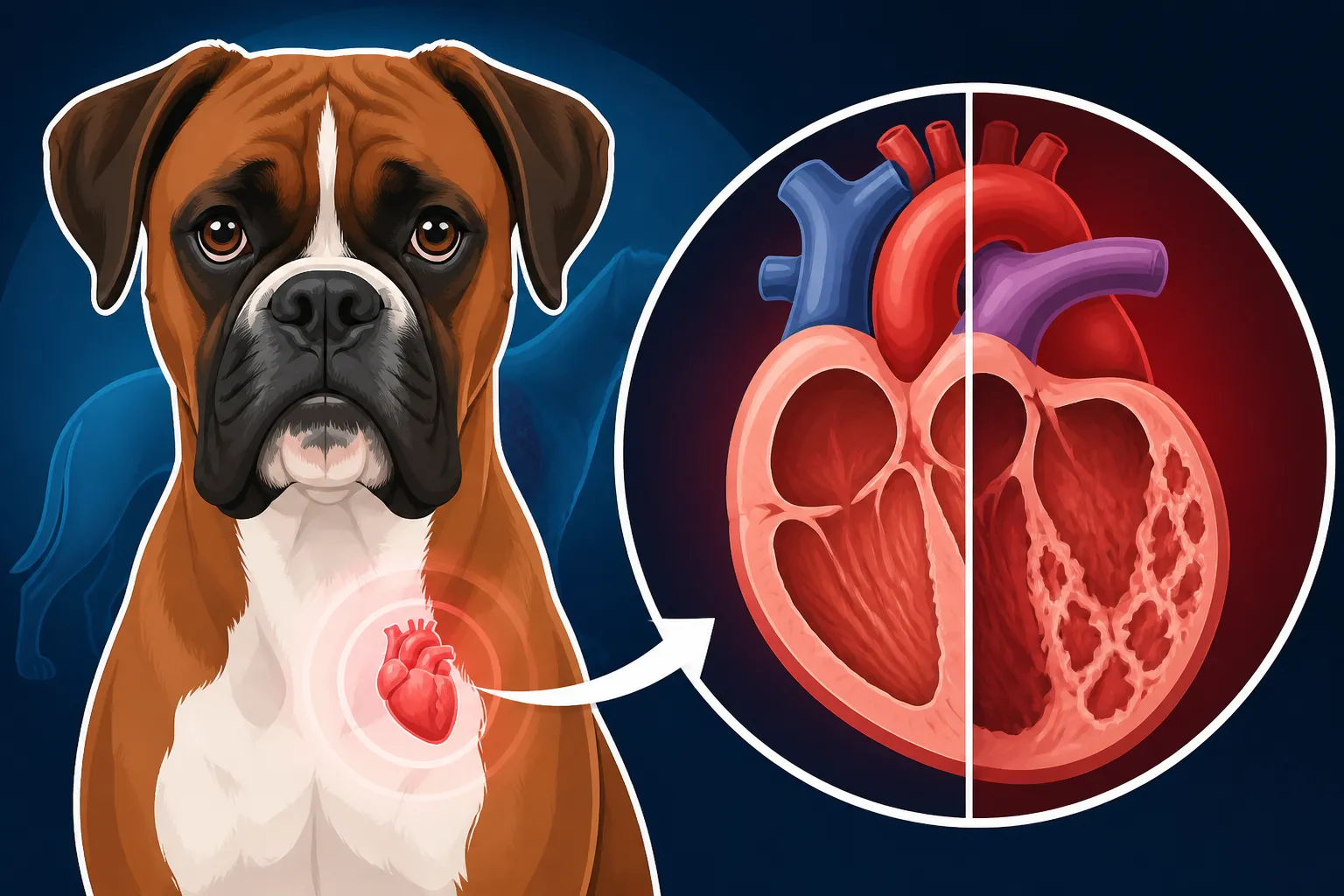
What Boxer ARVC Actually Does to the Heart
It's a gut-wrenching moment for any Boxer owner when you hear those words: "cardiac issues." Our beloved Boxers are known for their boundless energy and goofy antics, but sadly, they're also predisposed to a serious heart condition known as Arrhythmogenic Right Ventricular Cardiomyopathy, or ARVC. This guide aims to demystify what Boxer ARVC actually does to the heart, helping you understand the complexities of this disease, recognize its signs, and navigate the journey of diagnosis and management.
Understanding ARVC in Boxers: More Than Just a "Bad Heart"
When we talk about ARVC in Boxers, we're not just discussing a general "heart problem." This is a specific, often insidious disease that affects the heart's electrical system and its very structure. It's a condition that can leave owners feeling helpless and confused, especially when their otherwise vibrant dog suddenly shows alarming symptoms. The frustration of dealing with an invisible enemy lurking beneath the surface is something many Boxer families understand all too well.
The Genetic Predisposition: Why Boxers Are Different
One of the most disheartening aspects of ARVC is its strong genetic link, making Boxers uniquely susceptible. This isn't just bad luck; it's deeply woven into their breed's genetic makeup. Scientists have even identified a specific gene, often referred to as the "striatin gene," that plays a significant role in many Boxer ARVC cases. This means that even the most responsible breeders, striving to produce healthy puppies, have had to contend with this inherited challenge. If you're looking into adding a Boxer to your family, understanding The Striatin Gene Test for Boxers can be a crucial first step in trying to mitigate this risk.
Imagine bringing home a bouncy, seemingly perfect Boxer puppy, full of life and joy. You're doing everything right — good food, plenty of exercise, regular vet check-ups. Yet, in the back of your mind, there's always that whisper of "heart disease" that hangs over the breed. This isn't just paranoia; it's a realistic concern that thoughtful Boxer owners carry. The genetic predisposition means that unlike many other heart conditions that might develop over a lifetime due to diet or lifestyle, ARVC can strike dogs that are otherwise perfectly cared for, simply because they inherited the genes. This inherent vulnerability is a major reason why careful breeding practices and ongoing research are so vital for the future of the breed. It underlines why early screening and understanding your Boxer's family history for Whether Boxer Cancer Risk Is Inherited or heart disease is paramount.
The Microscopic Changes: What's Happening Inside
At its core, ARVC involves a fundamental change at the cellular level within the heart muscle, particularly affecting the right ventricle. In a healthy heart, muscle cells are designed to contract rhythmically and efficiently, driven by a perfectly coordinated electrical system. With ARVC, these normal, healthy cardiac muscle cells begin to degenerate and are progressively replaced by fatty or fibrous tissue. Think of it like a beautiful, powerful engine slowly having its key components replaced by weaker, less efficient materials.
This replacement of muscle tissue isn't just a structural problem; it creates an unstable electrical environment. The heart's electrical impulses, which tell it when and how to beat, start misfiring. Instead of a smooth, synchronized contraction, you get chaotic, irregular beats, often originating from the right ventricle. These abnormal electrical signals are called arrhythmias, specifically ventricular premature contractions (PVCs). These PVCs can occur singly or in dangerous runs, and it's these erratic electrical disturbances that lead to the most severe and often life-threatening symptoms of ARVC. It's a ticking time bomb for many Boxers, where the unseen internal changes are silently progressing until they reach a critical point. This slow, microscopic degradation is What Boxer ARVC Actually Does to the Heart, making it such a formidable challenge.
How ARVC Manifests: Recognising the Subtle and Sudden Signs
The cruel irony of ARVC is its unpredictable nature. For some Boxers, the disease might remain silent for years, only to reveal itself suddenly and dramatically. For others, there might be subtle, fleeting signs that are easily missed or attributed to other things. This variability is incredibly frustrating for owners who desperately want to protect their dogs but struggle to identify a problem they can't see or hear.
The Fainting Spells and Collapses: When to Worry
One of the most alarming and unmistakable signs of advanced ARVC is a fainting spell, known as syncope, or a sudden collapse. Picture this: your Boxer is enjoying a vigorous play session, chasing a ball, zooming around the yard. They're full of typical Boxer exuberance. Then, without warning, they stumble, perhaps let out a small cry, and collapse. They might be unconscious for a few seconds or a minute, possibly with twitching limbs, before slowly coming back to awareness, often looking confused but otherwise recovering quickly. These incidents are terrifying for owners and are a clear signal that something is seriously wrong with the heart's ability to maintain blood flow to the brain.
These episodes are typically triggered by exercise, excitement, or stress, situations where the heart rate increases and the erratic electrical activity becomes more pronounced. While a single fainting episode is enough to warrant immediate veterinary attention, some Boxers might experience recurrent collapses. It's important to differentiate these from seizures, though both are serious. With syncope, the dog usually collapses, goes limp, and then recovers fairly quickly once the heart rhythm normalizes. In contrast, a seizure often involves more pronounced convulsive activity and a longer period of disorientation afterward. If you witness A Boxer That Collapses After Exercise or has fainting spells, it's crucial to seek urgent veterinary care. Documenting the duration, triggers, and recovery time of these events can provide invaluable information to your veterinarian.
The "Silent" Killer: Why Early Detection is Key
What makes ARVC so treacherous is its potential to be a "silent killer." Many Boxers show absolutely no outward symptoms until the disease is quite advanced, or tragically, until a sudden cardiac event occurs. We've all heard the heartbreaking stories about Sudden Death in an Apparently Healthy Boxer, and in many of those cases, ARVC is the underlying culprit. This lack of obvious warning signs is why breeders and veterinarians stress the importance of regular, proactive cardiac screening for Boxers, even if they appear perfectly healthy.
Without these screenings, you might not know anything is amiss until your Boxer experiences a severe arrhythmia, a fainting spell, or worse. Waiting for symptoms means the disease has already progressed significantly, potentially limiting treatment options and often reducing the dog's prognosis. This is where the emotional and financial cost can truly hit home. Imagine the guilt and regret if you knew your dog was at risk but didn't take preventive measures. Early detection, typically through regular Holter monitoring, allows for intervention with medication before life-threatening arrhythmias become frequent, offering a much better chance at managing the condition and extending a Boxer's quality of life. This proactive approach, though sometimes costly, is genuinely invaluable.
Diagnosing ARVC: Beyond the Regular Vet Check
A standard annual veterinary check-up, while essential for overall health, often isn't enough to detect ARVC. The electrical abnormalities that characterize ARVC can be intermittent, making them hard to catch during a brief clinic visit. This often requires specialized cardiac diagnostics to get a clear picture of what's happening within your Boxer's heart. It's a journey that can feel overwhelming, but it's a necessary one.
The Holter Monitor: A Day in the Life of a Boxer's Heart
The Holter monitor is arguably the single most important diagnostic tool for ARVC in Boxers. This isn't just a fancy ECG done in the clinic; it's a portable device that records your Boxer's heart activity continuously over a 24-hour period while they go about their normal daily routine. It's like giving your vet a full-length movie of your Boxer's heart, rather than just a snapshot. This extended recording is critical because the dangerous arrhythmias associated with ARVC often don't show up during a short veterinary examination, especially if your Boxer is calm.
Your Boxer will wear a small, lightweight vest or harness with electrodes attached to their chest, connected to a recording device. Most Boxers tolerate it remarkably well, though some might find it a bit odd at first. During the 24 hours, you'll keep a diary of your dog's activities, noting periods of rest, excitement, exercise, and any unusual events. This diary helps the veterinary cardiologist correlate specific activities with any detected arrhythmias. The Holter report provides crucial data, particularly the number of ventricular premature contractions (PVCs) and any sustained runs of ventricular tachycardia. Understanding Counting PVCs on a Boxer's Holter Result is key, as a high number of PVCs (e.g., over 1,000-2,000 in 24 hours) or the presence of ventricular tachycardia often indicates a need for medication. This is why many reputable breeders perform Annual Holter Screening as a Boxer Expense on their breeding dogs, often starting at three years of age, as explained in Why a Boxer Holter Starts at Three Years.
Echocardiograms and Genetic Testing: Getting the Full Picture
While the Holter monitor excels at detecting arrhythmias, it doesn't tell the whole story about the heart's structure. That's where an echocardiogram comes in. An echo is essentially an ultrasound of the heart, providing real-time images of its chambers, valves, and surrounding structures. It allows a veterinary cardiologist to assess the size and function of the heart chambers, the thickness of the muscle walls, and the efficiency of blood flow. In Boxers with ARVC, an echo might reveal changes like enlargement of the right ventricle, or diminished contractility, though sometimes the structural changes are minimal even with significant electrical problems. An echocardiogram helps rule out other structural heart diseases and can confirm the characteristic changes seen in ARVC.
Complementing these diagnostic tools is genetic testing. As mentioned, a specific genetic mutation (in the striatin gene, SDC3) has been identified as a significant factor in many Boxer ARVC cases. A simple DNA test, usually done via a cheek swab, can identify if your Boxer carries one or two copies of this mutation. While a positive genetic test doesn't guarantee your Boxer will develop ARVC, and a negative test doesn't completely rule it out, it provides valuable information for breeders and owners. If your Boxer tests positive, especially for two copies of the mutation, it underscores the importance of diligent Holter monitoring. This comprehensive approach, combining electrical, structural, and genetic evaluations, gives the most accurate and thorough diagnosis of ARVC.
Living with an ARVC Diagnosis: Management, Not Cure
Receiving an ARVC diagnosis for your beloved Boxer can feel devastating. It's important to understand that ARVC is a progressive disease, and unfortunately, there is no cure. However, with careful management, many Boxers can go on to live a good quality of life for an extended period. This requires a commitment to ongoing veterinary care and lifestyle adjustments. It's a challenging road, but one where your dedication makes all the difference.
Medication Regimens: What Your Boxer Needs
The primary goal of medication in ARVC is to control the life-threatening arrhythmias (those troublesome PVCs) and improve the heart's electrical stability. Antiarrhythmic drugs are the cornerstone of treatment. One of the most commonly prescribed medications for Boxers with ARVC is Sotalol, which works by stabilizing the electrical activity of the heart. Other medications like Mexiletine or Atenolol may also be used, sometimes in combination, depending on the individual Boxer's response and the specific nature of their arrhythmias.
Finding the right medication and dosage is often a process of trial and error, requiring close collaboration with your veterinary cardiologist. Your Boxer will likely need repeat Holter monitoring after starting or adjusting medication to ensure the drugs are effectively reducing the number and severity of PVCs. It's a delicate balance, as these medications can have side effects, and your vet will work to find the sweet spot that offers the best cardiac control with the fewest adverse reactions. Consistency is key; giving medications exactly as prescribed and on time is crucial for maintaining heart rhythm stability. These medications are generally for life, which can add up, making the discussion about What Boxer Cardiomyopathy Costs a Family a very real one for many households. Pet insurance, like policies from Healthy Paws, can be incredibly helpful in defraying these ongoing costs.
Lifestyle Adjustments: Keeping Your Boxer Comfortable
Beyond medication, lifestyle adjustments play a significant role in managing ARVC. While Boxers are naturally energetic, the level of exercise for an ARVC-affected dog needs careful consideration. Strenuous exercise, intense play, or high-excitement situations can trigger dangerous arrhythmias. This doesn't mean your Boxer can't exercise, but it usually means moderating intensity and duration. Instead of long, high-impact runs, your vet might recommend shorter, more frequent leashed walks, gentle play, or mental enrichment activities that don't elevate the heart rate excessively. Discussing How Hard a Boxer With an Arrhythmia Can Work is a conversation you'll have regularly with your vet.
Reducing stress and excitement is also important. For some Boxers, this might mean adjusting routines to avoid overly stimulating environments or using calming techniques. Monitoring for signs of fatigue or discomfort, especially after activity, is critical. Providing a calm, stable home environment can significantly contribute to your Boxer's well-being. Additionally, maintaining a lean body weight is vital, as extra pounds put added strain on the heart. Your vet may also discuss the benefits of supplements like fish oil, known for its anti-inflammatory properties, though these are typically adjuncts to traditional antiarrhythmic medications. Regular check-ups with your cardiologist, usually every 3-6 months, are essential to monitor progression, adjust medication, and discuss any changes in your Boxer's condition.
The Impact of ARVC on a Boxer's Lifespan and Quality of Life
An ARVC diagnosis undeniably casts a shadow over a Boxer's future, but it's not an immediate death sentence. The impact on lifespan and quality of life varies enormously, depending on the severity of the disease, the responsiveness to medication, and the diligence of management. It's a testament to the Boxer's resilient spirit that many continue to thrive even with this challenge.
Prognosis and Variability: Every Boxer is Different
Predicting the exact prognosis for a Boxer with ARVC is incredibly difficult because of the significant variability in how the disease progresses. Some Boxers diagnosed with ARVC, even those with high PVC counts, can be well-managed with medication and live for many years with a good quality of life. These dogs might only experience mild symptoms or none at all, aside from what's picked up on their Holter monitor. Others, unfortunately, may have more aggressive forms of the disease, develop more frequent and severe arrhythmias, or be less responsive to medication, leading to a shorter lifespan. This wide range of outcomes is part of what makes ARVC such a frustrating and heartbreaking condition to manage.
Factors influencing prognosis include the initial severity of the arrhythmias (e.g., the total number of PVCs, the presence of ventricular tachycardia), the degree of structural heart changes seen on an echocardiogram, and how well the Boxer responds to antiarrhythmic medication. Age at diagnosis can also play a role, with younger dogs sometimes having a more challenging prognosis. It's a journey marked by uncertainty, and conversations with your veterinary cardiologist about what to expect are vital. They can provide the most personalized prognosis based on your Boxer's specific presentation. This variability is why it's hard to give a definitive answer to The Ten to Twelve Year Boxer Lifespan question for an ARVC-affected dog, as their individual condition will dictate so much.
Emotional and Financial Toll on Families
Beyond the direct impact on the Boxer, ARVC takes a significant emotional and financial toll on their human families. The constant worry about sudden collapse or an unseen cardiac event is a heavy burden. Witnessing a beloved dog struggle, or managing recurrent fainting episodes, can be incredibly distressing. Owners often feel a profound sense of responsibility and anxiety, always wondering if they're doing enough, or if the next arrhythmia will be the last. This emotional strain can be immense, leading to sleepless nights and pervasive concern.
Financially, ARVC management can be substantial. Regular specialist consultations, repeated Holter monitoring, echocardiograms, and lifelong antiarrhythmic medications add up quickly. A single Holter monitor rental can cost hundreds, and specialized drugs can run into the hundreds per month. Over a Boxer's remaining lifespan, these costs can easily reach thousands or even tens of thousands of dollars. This is where pet insurance becomes a critical tool. Comprehensive policies from providers like Healthy Paws can cover a significant portion of these diagnostic tests, specialist visits, and prescription medications, turning overwhelming bills into manageable co-pays. Without insurance, some families face the incredibly difficult decision of Deciding Against Treatment for a Boxer due to cost, a situation no pet owner ever wants to be in. Proactive financial planning, whether through insurance or a dedicated savings fund, is a practical necessity when dealing with a chronic condition like ARVC.
| Aspect | Typical Presentation in ARVC-Affected Boxer | Importance |
|---|---|---|
| Arrhythmias (PVCs) | Frequent, often >1,000-2,000/24h; can be single or in dangerous runs. | Primary cause of symptoms and sudden death; target of medication. |
| Syncope/Collapse | Sudden fainting, typically during excitement/exercise, quick recovery. | Urgent sign of severe electrical instability; requires immediate vet care. |
| Holter Monitor | 24-hour continuous ECG recording. | Gold standard for detecting and quantifying intermittent arrhythmias. |
| Echocardiogram | Ultrasound of heart; may show right ventricular enlargement/dysfunction. | Assesses structural changes, rules out other heart diseases. |
| Genetic Test | Identifies presence of SDC3 (striatin) gene mutation. | Informs breeding decisions and highlights predisposition for owners. |
| Medication (e.g., Sotalol) | Lifelong antiarrhythmics to stabilize heart rhythm. | Manages symptoms, reduces risk of sudden death, improves quality of life. |
| Exercise Limits | Avoid strenuous activity, high excitement; focus on moderate, controlled walks. | Prevents arrhythmia triggers, reduces strain on compromised heart. |
Disclaimer
The information provided in this guide is for general informational purposes only and does not constitute veterinary advice. Always consult with a qualified veterinary professional or a board-certified veterinary cardiologist for any health concerns or before making any decisions about your Boxer's medical care. Individual outcomes for Boxers with ARVC can vary widely.