Bulldog Blood in the Early Boxer
Many Boxer owners look at their beloved companions today and see a playful, loyal, sometimes goofy dog, but few realize the incredible history and specific breed influences that shaped this distinct canine. Understanding the "bulldog blood" in the early Boxer isn't just a history lesson; it helps us appreciate the powerful build, unique facial structure, and even some of the tenacious personality traits we adore in our Boxers, directly tracing back to their formidable ancestors. This guide will take a deep dive into how the English Bulldog specifically contributed to the development of the Boxer we know and love.
The Foundations of the Boxer Breed
To truly grasp the impact of bulldog blood, we first need to travel back in time to the Boxer's foundational roots, long before the breed was officially recognized. The Boxer didn't just appear out of nowhere; it was carefully, and somewhat ruthlessly, developed from a line of powerful working dogs. These weren't your typical family pets; they were bred for specific, demanding tasks that required immense strength, courage, and a very particular physical build.
Tracing the Bullenbeisser Lineage
The primary ancestor of the modern Boxer was the Bullenbeisser, a now-extinct German breed that literally translates to "bull biter." These dogs were not only formidable in appearance but legendary in their capability. They were medium to large-sized dogs, known for their strong jaws and muscular bodies, used primarily for hunting large game like wild boar, bear, and deer. Imagine a dog powerful enough to seize and hold onto a wild animal, allowing hunters to catch up and secure their prey. This was the Bullenbeisser's job. Their role was critical in a time when hunting was a necessity for survival and sport. The physical demands of this work meant that only the strongest, most resilient dogs were selected for breeding, ensuring a lineage of working prowess. We can already see echoes of our modern Boxer's athleticism and power in this ancient past. For more on this lineage, check out The Bullenbeisser the Boxer Came From.
Why a Strong Bite Was Paramount
When you picture a dog grappling with a wild boar, you immediately understand the absolute necessity of a strong, secure bite. The Bullenbeisser needed a jaw structure that could latch on and hold without releasing, often for extended periods. This wasn't about simply inflicting damage; it was about immobilization. Their jaws were designed for maximum grip and endurance, a trait that became a defining characteristic passed down through generations. This is a far cry from the soft mouths we sometimes see in retrievers; this was a purposeful, powerful grip. Understanding this ancestral need helps explain why the Boxer's jaw, even today, maintains that strong, almost intimidating, yet undeniably effective structure. It’s a legacy of function over mere aesthetics. The sheer force required to hold large prey meant that the dog's entire head, neck, and shoulder musculature had to be incredibly robust.
Early European Mastiff Influence
Beyond the direct Bullenbeisser line, the early Boxer also drew influence from various other European mastiff-type dogs. These were generally large, powerful breeds often used as guardians, war dogs, and for similar hunting tasks as the Bullenbeisser. These mastiff influences likely contributed to the Boxer's overall sturdy build, deep chest, and substantial bone structure. While the Bullenbeisser was the most direct ancestor, the broader mastiff family provided a rich genetic pool of strength and resilience. These dogs weren't chosen for their cuddly nature or their ability to fetch a ball; they were chosen for their ability to perform arduous physical tasks, often in challenging environments. The combination of these powerful genetic streams created a foundation for a dog that was both agile and incredibly strong, setting the stage for the specific refinements that would later come with the introduction of bulldog blood.
The English Bulldog's Pivotal Role
While the Bullenbeisser provided the raw power and tenacity, it was the specific, deliberate introduction of the English Bulldog that truly began to shape the Boxer into the distinctive breed we recognize today. This wasn't a casual cross; it was a calculated breeding decision aimed at enhancing certain traits and contributing to the unique Boxer "look" and temperament.
The Arrival of English Bulldog Blood
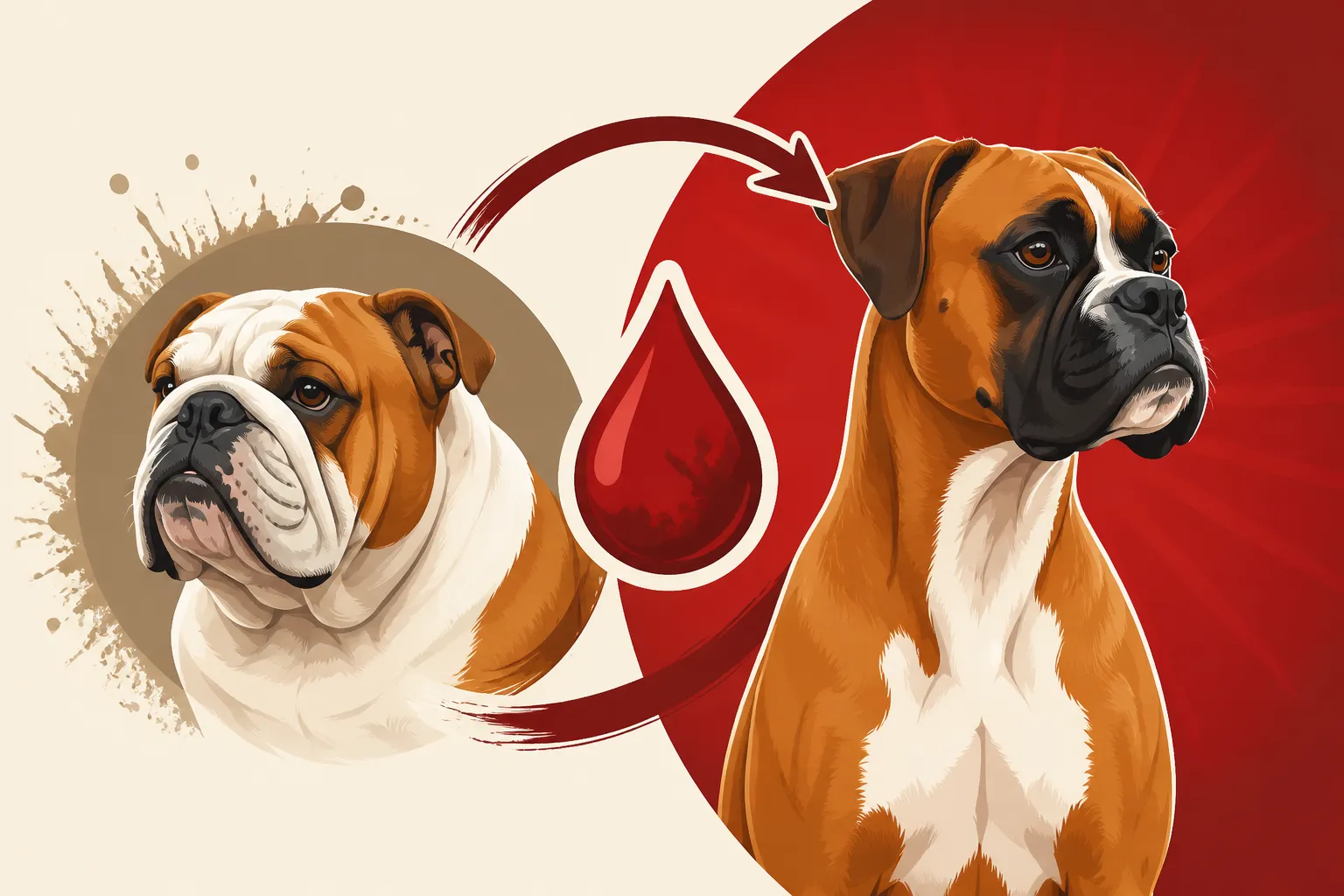
In the mid-19th century, German breeders began to cross their regional Bullenbeisser dogs with imported English Bulldogs. Why the English Bulldog? At this time, the English Bulldog was known for its distinct brachycephalic (short-nosed) head, powerful underbite, and stocky, muscular build, which had been selectively bred for bull-baiting and other canine sports. These traits were highly valued for the work the Bullenbeisser was already doing—namely, gripping large, powerful animals. The idea was to combine the best features of both breeds: the Bullenbeisser's athleticism and hunting prowess with the Bulldog's specialized head structure and tenacity. The English Bulldog brought a specific set of physical attributes that were seen as an improvement for the working dog. It was a conscious effort to refine the dog's ability to hold onto prey, and the English Bulldog’s specialized jaw was perfect for that. To learn more about how this specific cross happened, you might find How Bulldogs Reached the Breeders Making Boxers interesting.
Introducing the Modern Boxer's Head
Perhaps the most significant contribution of the English Bulldog was to the Boxer's head. The Bullenbeisser had a strong head, but the English Bulldog introduced that distinctive, somewhat pushed-in or "brachycephalic" muzzle, combined with a powerful undershot jaw. This wasn't just for looks; it had a functional purpose in their ancestral roles. A dog with an undershot jaw and a short muzzle could get a better, more sustained grip on large prey. The shortened face allowed for better breathing while gripping, as the nose wasn't pressed against the animal, and the powerful jaw provided an unyielding hold. This specific head shape also gave the Boxer its famously alert and intelligent expression. Today, we admire the Boxer's strong, square jaw and broad skull, but these features are a direct inheritance from those early English Bulldog crosses. When you look at your Boxer's distinctive face, you are looking at a living piece of canine history, intricately linked to these crucial breeding decisions. The shape of the Boxer's head and its characteristic bite are still vital parts of the breed standard, influencing everything from feeding to veterinary care.
Blending Form and Function
The goal of these early breeders was never just aesthetics. They were creating a working dog. The blend of Bullenbeisser and English Bulldog was about optimizing both form and function. The Bullenbeisser contributed endurance, agile strength, and a deep understanding of its role, while the English Bulldog added that crucial specialized bite and formidable grip, along with its compact, powerful musculature. The resulting dog was more efficient at its job: a powerful, medium-sized dog, agile enough to pursue game, yet strong enough to hold it. This blending eventually led to a dog that was not only an exceptional working companion but also possessed a striking, unique appearance that would later capture the hearts of families worldwide. This careful crossbreeding was a masterclass in selective breeding, ensuring that each generation retained the most desirable traits for their intended purpose.
The German Contribution and Standardization
While the English Bulldog provided crucial genetic material, it was the dedicated German breeders who took these developing lines and formalized them into the Boxer breed we know today. Their vision, commitment, and meticulous work laid the groundwork for the breed standard, establishing the Boxer as a distinct and recognized entity.
The Vision of Early German Breeders
The late 19th century saw a surge of interest in standardizing dog breeds, and Germany was at the forefront of this movement for many working dogs. Key figures like Friedrich Robert, Robert Löwenstein, and Elard König are often credited with being instrumental in the Boxer's early development. These individuals weren't just breeding dogs; they were passionate about creating a specific type of dog that embodied both the working capabilities of its ancestors and a consistent, recognizable appearance and temperament. They saw the potential in the Bullenbeisser-Bulldog crosses and worked diligently to stabilize the traits, ensuring that future generations would consistently produce the desired characteristics. Their vision was to create a versatile, intelligent, and courageous companion, suitable for both guarding and family life, moving away from purely hunting tasks towards a more domesticated role. For a closer look at the key individuals, you might enjoy Who Friedrich Robert Was in Boxer History.
Refining the Boxer's Temperament
Beyond physical traits, these German breeders also focused heavily on temperament. They wanted a dog that was courageous and confident but not overly aggressive or unstable. The goal was a dog with a steady, reliable disposition, making it an excellent guardian but also a safe and loyal family member. This meant actively selecting against extreme shyness or undue aggression, favoring dogs that were self-assured, playful, and intelligent. The Boxer's famous "clown" personality, combined with its unwavering loyalty and protective instincts, can be traced back to this careful selection. They were building a breed that could switch from a formidable protector to a gentle playmate in an instant, a characteristic many Boxer owners cherish today. This balanced temperament is one of the hallmarks of the breed and a testament to the foresight of those early breeders.
Establishing the Breed Standard
The culmination of these efforts was the establishment of the first Boxer breed standard. In 1895, the first Boxer club, the Deutscher Boxer Club, was founded in Munich, Germany. This was a critical step in formalizing the breed, as it provided a written blueprint detailing the ideal physical characteristics and temperament. This standard outlined everything from head shape, bite, and ear set (which at the time included cropping for show) to coat color, size, and overall conformation. It served as a guide for all future breeders, ensuring consistency and preventing the breed from diverging into different types. This standardization was essential for the Boxer to be recognized as a distinct breed and allowed for its subsequent popularity to grow across Europe and eventually the world. The standard is still largely adhered to today, a testament to its foundational strength. You can read more about this significant historical event in When the Deutscher Boxer Club Was Founded and What the First Boxer Standard Said in 1902.
Physical Traits Inherited from Bulldog Ancestors
When we observe a Boxer today, many of its most distinctive physical features are direct echoes of its bulldog ancestry. These aren't just superficial traits; they are deeply ingrained characteristics that contribute to the Boxer's unique appearance and, in some cases, its health considerations.
The Characteristic Jaw and Muzzle
The Boxer's iconic head, with its broad skull, defined stop, and undershot jaw, is a clear inheritance from the English Bulldog. The lower jaw protrudes beyond the upper jaw, a trait known as prognathism. This undershot bite, coupled with the relatively short muzzle, was vital for the Bullenbeisser and its bulldog crosses in their original roles. It allowed them to maintain a firm grip on prey without obstructing their breathing. While modern Boxers don't typically hunt wild boar, this powerful jaw remains a defining feature. It also influences how they eat, with many Boxers benefiting from specific bowl designs or feeding techniques. What an Undershot Boxer Bite Means delves deeper into this fascinating aspect of their anatomy. It's a structure built for strength and purpose, often making them seem to "smile" with their pronounced lower lip.
| Feature | Bullenbeisser Contribution | English Bulldog Contribution | Modern Boxer Expression |
|---|---|---|---|
| Overall Size | Large, powerful build | Compact, muscular frame | Medium-sized, muscular, agile |
| Head Shape | Strong, functional, less refined | Broad, brachycephalic, undershot | Distinctive square head, defined stop |
| Jaw/Bite | Strong grip, scissor or level bite | Pronounced undershot jaw | Undershot jaw, powerful grip |
| Muzzle Length | Moderate to longer | Shorter, pushed-in | Relatively short, broad muzzle |
| Musculature | Lean, athletic, powerful | Stocky, robust, dense muscle | Sleek, well-developed, athletic |
| Temperament | Fearless, tenacious, driven | Tenacious, courageous, calm power | Playful, loyal, fearless, protective |
Musculature and Stature
Both the Bullenbeisser and the English Bulldog were dogs of impressive musculature. The Boxer inherited this robust, athletic build. They are known for their powerful neck, deep chest, and well-developed hindquarters, all indicative of a dog bred for strength, speed, and agility. A well-conditioned Boxer is a testament to this heritage, showcasing sleek, hard muscle that speaks to their working past. This muscularity isn't just for show; it's what allowed their ancestors to perform demanding physical tasks and what gives modern Boxers their distinctive powerful gait and energetic movement. This is why proper nutrition, often high in protein, is so crucial for maintaining a Boxer's physique, ensuring they remain lean and strong, just as their heritage dictates.
Understanding the Boxer's Brachycephalic Nature
The flattened face, or brachycephalic nature, of the Boxer is undeniably a trait enhanced by the English Bulldog crosses. While it contributes to their unique appearance and friendly expression, it also comes with specific considerations for Boxer owners. This includes the folds of skin around their muzzle (which require regular cleaning) and, more significantly, their susceptibility to overheating due to less efficient panting. Their short snouts mean they have less surface area to cool down through respiration compared to longer-nosed breeds. This trait, while intentional for their biting function in the past, now requires careful management in hot weather or during strenuous exercise. Recognizing this heritage helps owners take proactive steps to ensure their Boxer's comfort and safety, especially when the mercury rises.
Temperamental Echoes of the Bulldog
Beyond the physical, the bulldog blood has also had a profound influence on the Boxer's personality and behavioral traits. Many of the endearing qualities and some of the quirks that Boxer owners cherish can be traced back to the temperament of their bulldog ancestors.
The Boxer's Fearless Heart
The Bullenbeisser and English Bulldog were both renowned for their immense courage and unwavering tenacity. When faced with large, dangerous game or an aggressive bull, these dogs could not falter. This deep-seated fearlessness is a hallmark of the Boxer breed today. Boxers are known for their confidence and their willingness to stand their ground, whether it's against a perceived threat or simply being bold in new situations. This isn't aggression, but rather a profound inner strength and a strong sense of self-preservation. This courage makes them excellent guard dogs, always alert and ready to protect their family, yet they are typically discerning and not quick to pick a fight. This brave heart is a direct link to their working past, where bravery was not just admired but essential for survival. Their confidence is part of what makes them such captivating companions, willing to face the world head-on. If you're wondering how this manifests, Whether Boxers Are Naturally Protective offers some great insights.
Playfulness and "Boxing" Behavior
While Boxers are known for their strength and courage, they are equally famous for their playful, almost clownish nature, and their distinctive "boxing" with their front paws. This playful sparring behavior, often seen when they greet people or interact with other dogs, is another echo of their bulldog heritage. The early Bulldogs, even in their bull-baiting days, possessed a certain robustness and willingness to engage physically. This translated into the Boxer's active, sometimes boisterous play style. They use their front paws almost like hands, a unique trait that likely evolved from their ancestors' need to bat at and engage with large animals. It's a charming, energetic way of interacting that makes them incredibly engaging family pets, always ready for a game or a rough-and-tumble play session. You'll often find them bouncing and using those powerful front legs to invite play, a behavior rooted deeply in their history. Understanding Why a Boxer Boxes With Its Front Paws sheds light on this beloved characteristic.
Loyalty and Protective Instincts
Boxers are intensely loyal to their families, often forming deep bonds with their human companions. This loyalty, combined with their inherent fearlessness, translates into a strong protective instinct. While not typically aggressive, a Boxer will not hesitate to place themselves between their loved ones and any perceived threat. This guardian mentality is a direct inheritance from the mastiff and bulldog lines, where dogs were expected to protect their charges with their lives. They are naturally watchful and observant, always aware of their surroundings, making them excellent, albeit friendly, deterrents. This deep loyalty means they thrive on close companionship and often struggle when left alone for extended periods. Their heart is as big as their muscles, dedicated entirely to their family, a trait that makes them cherished members of countless households. Boxer Temperament in the Standard and in Life explores these personality traits in greater detail. This combination of fierce loyalty and gentle companionship is truly a gift from their complex and fascinating history.
Disclaimer
This article is for general informational purposes only and does not constitute professional advice. Laws, prices and regulations vary by location and change over time. Consult a qualified professional for guidance on your specific situation.