Whether Boxers Still Do Protection Work
Boxer dogs and their historical protection work, evolution of guarding instincts, and modern professional roles are examined here.
Is this the right one for you?
Origins and temperament, size and coat, what living with one is actually like, and how it compares to the breeds people weigh against it.

Boxer dogs and their historical protection work, evolution of guarding instincts, and modern professional roles are examined here.
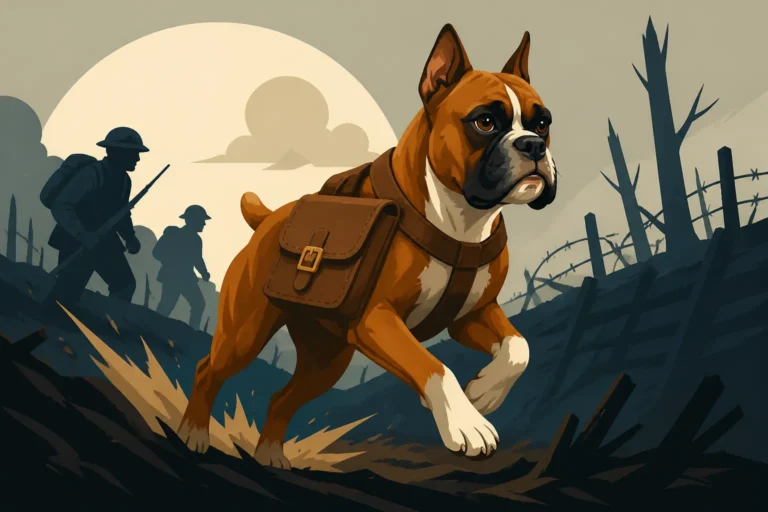
Boxer dogs served as battlefield messengers during both World Wars, using their intelligence, stamina, and loyalty to deliver vital communications.

Boxer dogs were chosen for police and military work due to their intelligence, courage, strength, and working lineage.

Boxer intelligence involves problem-solving, emotional awareness, and memory, balancing sharp mental skills with stubborn independence.
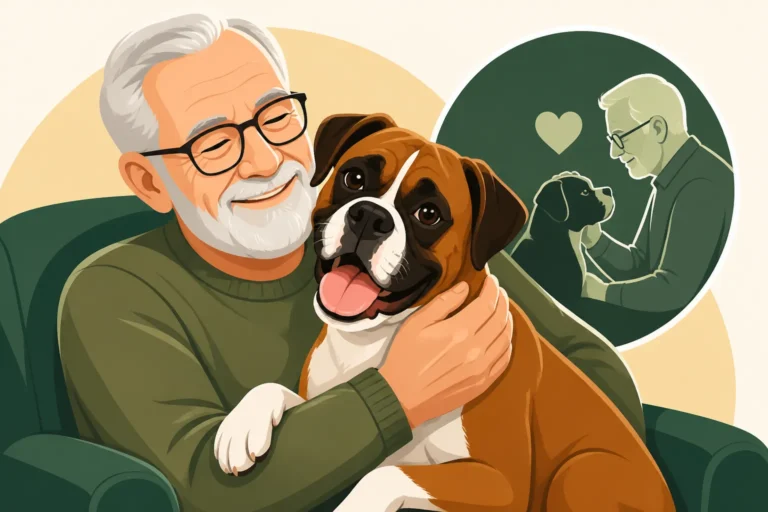
Boxers integrate into households with older owners by balancing playful energy with deep affection and adaptability.

Boxer dogs form strong bonds with multiple household members instead of developing an exclusive attachment to just one person.

Boxer traits like boundless energy and expressive faces explain why this breed earned the moniker clowns of the canine world.

Boxer temperament with strangers combines playful energy with protective instincts shaped by working ancestry and early socialization.

Boxer protective instincts and typical intruder reactions explained through working history, temperament, and natural deterrence.

Boxer protective instincts stem from loyalty rather than aggression, making them watchful family companions and effective watchdogs.