Whether a Boxer’s Mask Fades With Age
Boxer facial masks change with age because of pigment distribution, genetics, and natural aging processes in the breed.
Is this the right one for you?
Origins and temperament, size and coat, what living with one is actually like, and how it compares to the breeds people weigh against it.
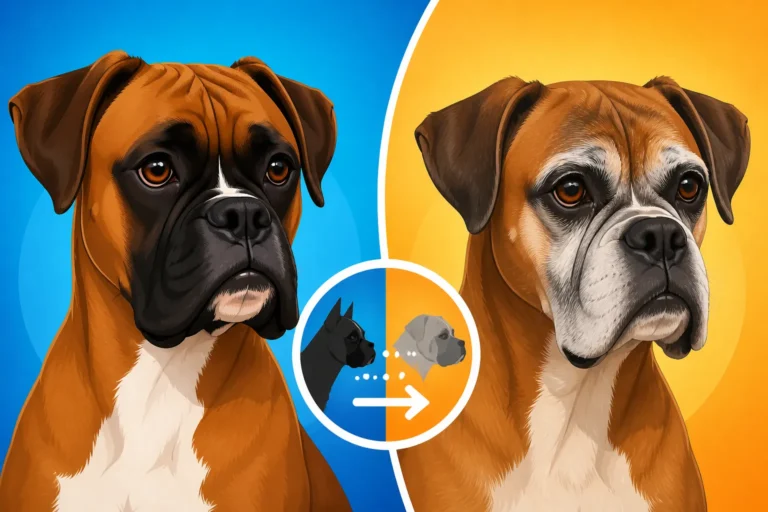
Boxer facial masks change with age because of pigment distribution, genetics, and natural aging processes in the breed.
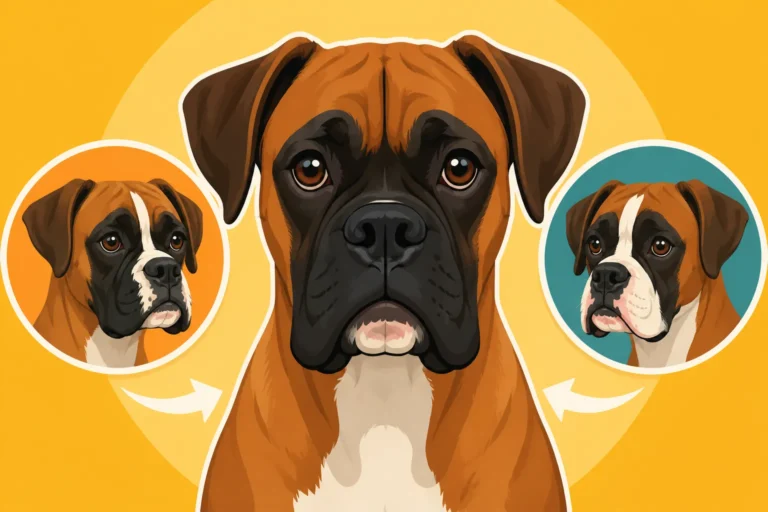
Boxer face markings and the signature black mask explained through canine genetics and inherited pigmentation.

White Boxer rescue rates, genetic traits, extreme piebald gene, deafness, and health considerations explaining shelter presence.

White Boxer culling history reveals how breed standards and genetic misunderstandings once caused breeders to euthanize puppies.

White Boxer registration rules and genetics explained, including why twenty-five percent of puppies are born white.

White Boxers are purebred dogs whose coats result from an extreme manifestation of the active white spotting gene.
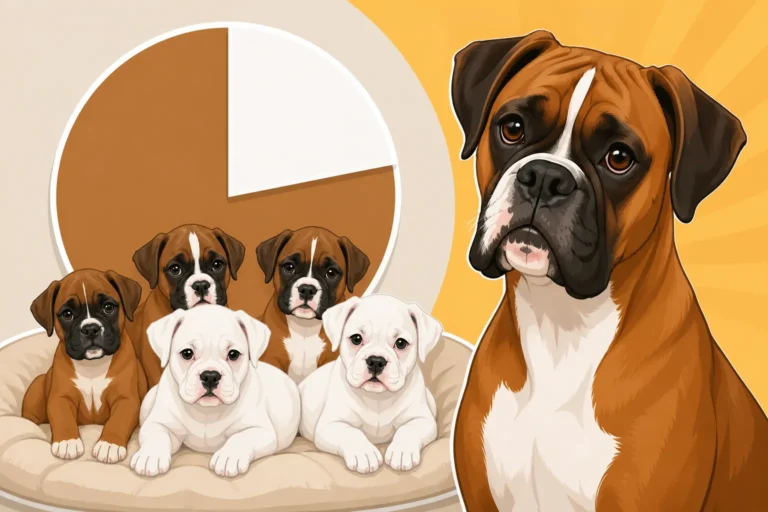
Genetics of white Boxer puppies explain why two flashy parents produce litters with twenty five percent white dogs.
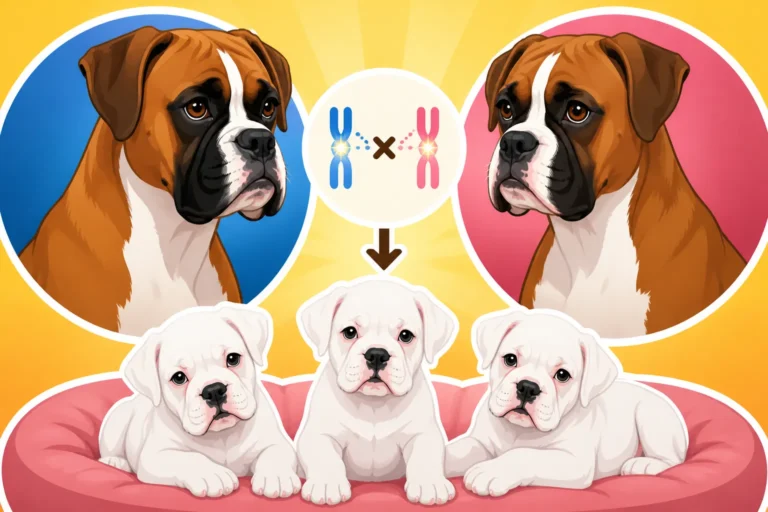
Boxer coat genetics explain why two flashy dogs produce white puppies through the inheritance of recessive alleles.
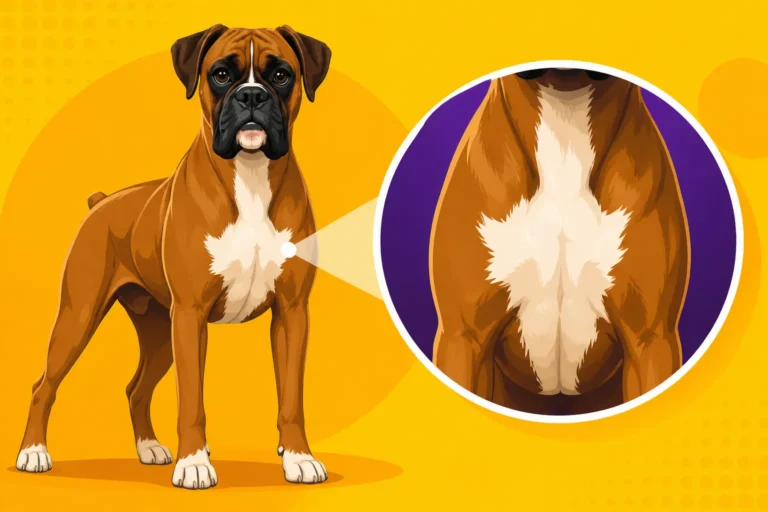
Flashy Boxer dogs feature white markings on the chest, legs, and face, covering up to one third of their body.

Boxer white markings must not exceed one third of the coat according to breed standards that govern show ring eligibility.