Whether an Older Owner Can Hold a Boxer
Boxer ownership for older adults involves managing physical strength and playful energy using proper training strategies.
Is this the right one for you?
Origins and temperament, size and coat, what living with one is actually like, and how it compares to the breeds people weigh against it.

Boxer ownership for older adults involves managing physical strength and playful energy using proper training strategies.

Boxer dogs in multi-dog households require careful management due to their energetic play styles and three year puppy phase.

Boxer strength and forty to eighty pound size around children, explaining energy levels, play styles, and safety.

Boxer dog safety around toddlers depends on understanding breed play styles and managing their heavy, exuberant puppy energy.

Boxer temperament analysis helps owners determine if this high energy breed thrives in quiet households by examining energy levels.

Boxer owners who work shifts learn actionable strategies to meet their high energy dogs exercise and social needs.
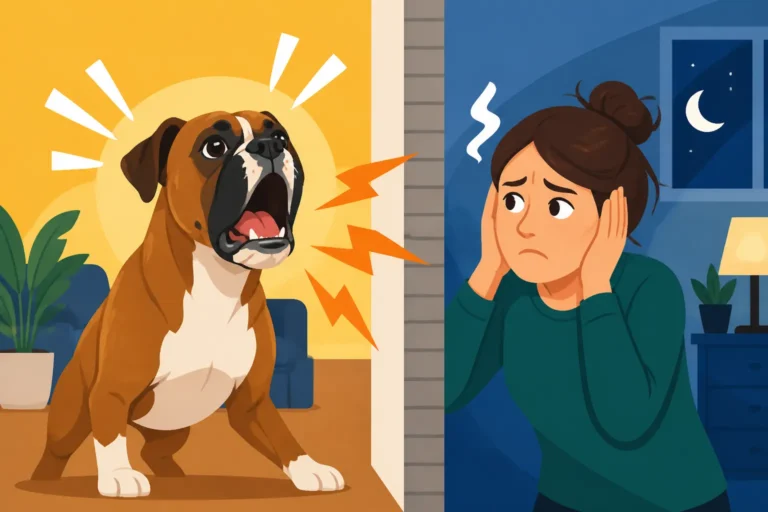
Boxer vocalizations and shared wall noise levels, covering barks, grunts, and training strategies to keep apartment neighbors peaceful.

First-time Boxer ownership involves understanding their high energy, extended puppyhood, and stubborn intelligence.
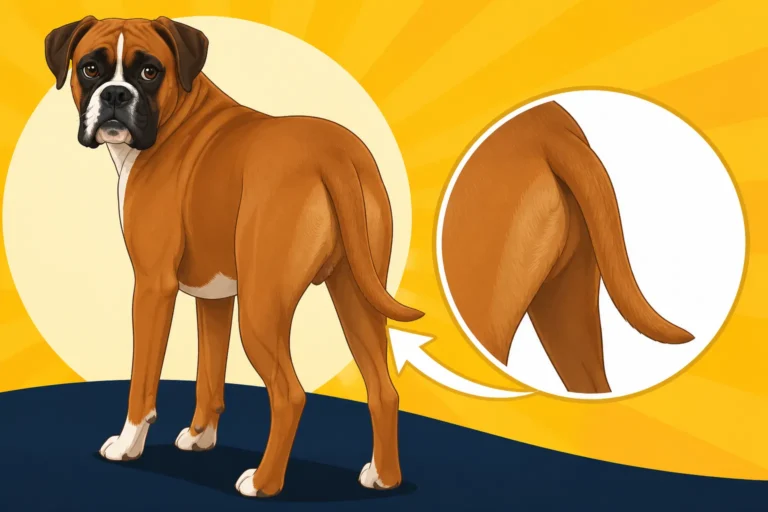
An undocked Boxer tail is strong at the base, hangs down to the hocks when relaxed, and curves gently over the back when excited.

Dog show judges evaluate undocked Boxer tails by checking proper carriage and how the natural tail reflects structure.