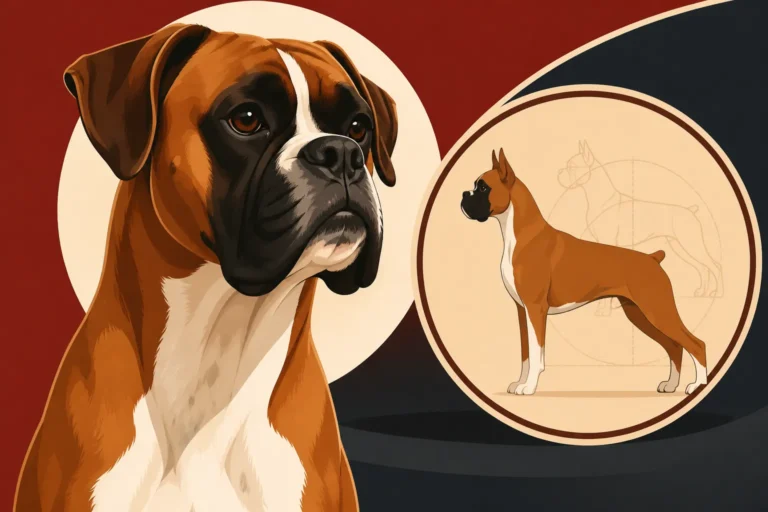
How Popular the Boxer Became in America
For many American families, the sight of a Boxer, with its proud stance, intelligent eyes, and famously "wiggly" body, brings a rush of fond memories or dreams of future companionship. But this wasn't always the case; the journey of the Boxer from its European roots to becoming one of the most beloved breeds in the United States is a fascinating story, fraught with challenges and ultimately, triumph. This guide delves into how this magnificent breed captured the hearts of Americans, exploring the history, the characteristics that resonated most, and the lasting impact they've had on countless households.
The Boxer's Arrival and Early Foothold in America
It's easy to look at a Boxer today and imagine they've always been part of the American landscape, but their story on this side of the Atlantic is relatively recent, truly beginning in the early 20th century. Like many European breeds, their initial presence was sparse, brought over by enthusiasts or immigrants, and they had to work hard to earn their place.
Tracing the Breed's Transatlantic Journey
The Boxer's origins lie deep in Germany, evolving from ancient Bullenbeisser hunting dogs, used to catch and hold large game like wild boar and deer. These powerful, tenacious ancestors were later crossed with English Bulldogs, refining the breed into what we recognize today. The first Boxers found their way to American shores mostly through individual efforts rather than organized import programs. They were not immediately a sensation; they were a curious, distinctive breed that gradually found advocates. Many of the very earliest Boxers were brought over by soldiers returning from Europe after World War I, who had encountered these loyal and spirited dogs during their service. These scattered arrivals laid the groundwork, piece by piece, for the breed's eventual proliferation. Their distinctive looks and energetic personalities were certainly conversation starters, slowly piquing interest among American dog lovers. For a deeper dive into their background, you might want to read The German Origins of the Boxer.
These early imports were often owned by fanciers who appreciated their unique qualities but faced an uphill battle in introducing a relatively unknown European breed to a country dominated by more established breeds. They had to prove the Boxer's worth, not just as a novelty, but as a capable and desirable companion. This period was characterized by small circles of dedicated owners who shared a passion for the breed, slowly building a foundation.
The First Boxers to Gain Recognition
Formal recognition by the American Kennel Club (AKC) was a crucial step in the Boxer's journey toward popularity. The breed was first recognized by the AKC in 1904, a significant milestone that allowed Boxers to be registered and participate in conformation shows, placing them on a national stage. However, it took some time for the breed to truly make its mark in the show ring. The early champions were instrumental in raising the breed's profile, showcasing their ideal form and temperament. One of the earliest notable Boxers was a dog named Dampf vom Dom, who made history as Dampf vom Dom, the First AKC Boxer Champion. These early wins were vital, as they provided visibility and demonstrated the breed's conformation to the standard, drawing attention from other dog enthusiasts and potential owners.
These pioneering Boxers and their dedicated owners worked tirelessly to introduce the breed to the American public. Winning at prestigious shows wasn't just about bragging rights; it was about validating the breed's qualities and dispelling any misconceptions. Judges and spectators alike began to see the Boxer not just as an interesting curiosity, but as a breed with genuine merit, possessing both beauty and brains. This period truly cemented their official presence, even if widespread popularity was still a few decades away.
Establishing the American Boxer Club
As interest in Boxers slowly grew, the need for a formal organization to protect and promote the breed became evident. The American Boxer Club (ABC) was founded in 1935, bringing together dedicated breeders and owners with a shared vision. This club played a pivotal role in standardizing breeding practices, educating the public, and ensuring the health and integrity of the breed. By establishing clear breed standards and promoting responsible ownership, the ABC helped to cultivate a positive image for the Boxer across the country. Their work was essential in laying the groundwork for the future boom in popularity.
The formation of the ABC allowed for a more organized approach to breeding and showing, which ultimately boosted the breed's visibility. They organized specialty shows, offered educational materials, and fostered a community among Boxer enthusiasts. This kind of structured support system is critical for any breed looking to gain a strong foothold, especially one that was still relatively new to many Americans. It also ensured that as popularity grew, there was an organization dedicated to guiding responsible development rather than allowing haphazard breeding practices to take hold.
The Post-War Boom: Boxers as Family Favorites
While the early 20th century saw the Boxer establish a presence, it was the post-World War II era that truly propelled them into the American consciousness and into the hearts of families nationwide. The unique circumstances of the time created a perfect storm for the breed to flourish.
Returning Soldiers and New Companions
World War II played an unexpected but profound role in the Boxer's rise. American servicemen stationed in Germany and other parts of Europe often encountered Boxers, seeing firsthand their courage, intelligence, and unwavering loyalty. Many of these soldiers formed deep bonds with the dogs and, upon returning home, brought their newfound canine companions with them. These war dogs, often highly trained and incredibly devoted, became living testaments to the breed's exceptional qualities. Imagine a soldier, having faced unimaginable hardships, finding solace and unwavering companionship in a Boxer, and then bringing that dog back to start a new life. This personal connection was incredibly powerful and spoke volumes about the breed's character.
These returning Boxers weren't just pets; they were symbols of endurance, loyalty, and the comforts of home. Their stories spread through neighborhoods and communities, fostering a romanticized image of the breed. This personal endorsement from returning heroes resonated deeply with the American public, painting Boxers as noble, brave, and deeply affectionate. It kickstarted a wave of interest that breeders, who were still relatively few, struggled to keep up with initially. You can learn more about this period in The Decade Boxers Took Off With American Families.
The Rise of the Boxer as a Show Dog and Celebrity Pet
Beyond the personal stories of returning soldiers, the Boxer also began to dominate the show ring, further cementing its place in popular culture. One dog, in particular, captured the nation's imagination: Ch. Bang Away of Sirrah Crest. "Bang Away," as he was affectionately known, became a canine celebrity, winning the prestigious Westminster Kennel Club Dog Show in 1951. His striking appearance, confident demeanor, and multiple Best in Show wins brought the Boxer breed unprecedented visibility. This kind of national exposure, seen by millions through newspapers and early television, turned the Boxer into a household name. You can read about his incredible impact in The Show Record of the Boxer Bang Away.
The Boxer's presence wasn't limited to dog shows. Their distinctive looks and charming personalities also caught the eye of Hollywood and other public figures. Celebrities owning Boxers further elevated their status, making them fashionable pets. This dual appeal – a heroic war dog and a glamorous show dog – made the Boxer irresistible to a wide range of Americans, from suburban families to the social elite. Suddenly, everyone wanted a Boxer, leading to a dramatic increase in registrations and a bustling market for puppies.
Shifting Perceptions and Public Appeal
Before the post-war boom, Boxers were relatively niche. However, their new association with returning soldiers, combined with their success in the show ring, rapidly shifted public perception. They were no longer just a "foreign" breed; they were seen as intelligent, courageous, and perfectly suited for family life. Their playful, clownish antics, contrasted with their imposing looks, created a compelling image. People quickly realized that beneath that muscular exterior was a heart of gold and a boundless capacity for affection.
This period was marked by a growing appreciation for the Boxer's multifaceted personality. They were strong enough to be protective, yet gentle enough to be around children. Their boundless energy meant they were always up for an adventure, but their devotion meant they were happiest curled up next to their humans. This blend of traits, along with effective marketing by the American Boxer Club and word-of-mouth from satisfied owners, cemented their status as a beloved American breed. Whether families were looking for a loyal protector, a playful companion for the kids, or a striking dog to show off, the Boxer seemed to fit the bill perfectly.
| Decade | Key Influences | Popularity Trend (Approx. AKC Rank) |
|---|---|---|
| 1900s-1930s | Early imports, AKC recognition (1904) | Low (Outside Top 50) |
| 1940s | WWII returning soldiers, growing recognition | Increasing (Around Top 20-30) |
| 1950s | "Bang Away" Westminster win, celebrity appeal | High (Top 10) |
| 1960s-1980s | Continued family dog appeal | Steady (Top 10-15) |
| 1990s-2000s | Resurgence, pop culture references | Very High (Top 5-10) |
| 2010s-Present | Enduring loyalty, health concerns awareness | Stable (Top 10-15) |
What Made the Boxer an American Darling
The Boxer's popularity wasn't just a fluke of history; it was deeply rooted in the breed's intrinsic qualities that resonated powerfully with the American ethos and lifestyle. These traits made them not just a pet, but a cherished member of the family.
Irresistible Temperament and Affectionate Nature
Perhaps the most compelling reason for the Boxer's enduring popularity is their unparalleled temperament. They are often described as "the Peter Pan of dogs," retaining a puppy-like playfulness well into adulthood. This joyful, clownish nature is infectious, bringing laughter and light to any household. Boxers are incredibly affectionate, often seeking close physical contact, whether it's leaning against you on the sofa or trying to be a lap dog despite their considerable size. This deep bond with their human family creates a powerful connection that many owners cherish above all else. Boxer Temperament in the Standard and in Life goes into more detail about their character.
Their loyalty is unwavering. A Boxer is devoted to its family, often forming particularly strong bonds with children. They are protective without being overly aggressive, acting as vigilant guardians who instinctively know the difference between a friendly visitor and a potential threat. This combination of playful silliness, profound affection, and inherent protective instinct makes them incredibly well-rounded family dogs, capable of fulfilling various roles within the home.
Distinctive Looks and Athletic Prowess
Beyond their captivating personalities, Boxers boast a striking physical presence that is hard to ignore. Their muscular, athletic build, short, sleek coat, and expressive, often wrinkled face give them a distinctive look. The characteristic undershot jaw and alert, intelligent eyes create an impression of strength mixed with curiosity. While ear cropping and tail docking were once common, and part of the traditional "look," many Boxers in America now sport natural ears and tails, further highlighting their natural beauty and expressive features. These looks make them instantly recognizable and often admired.
Their athleticism is another major draw. Boxers are powerful, agile dogs that excel in various activities. They love to run, jump, and play, making them ideal companions for active individuals or families. Whether it's a game of fetch in the park, a hike on a trail, or even participation in dog sports like agility, Boxers thrive on physical and mental stimulation. This blend of handsome looks and robust capability makes them visually appealing and incredibly engaging to live with. Finding the right gear for an active Boxer, like durable leashes or tough chew toys, can often be found at places like Chewy, which cater to their specific needs.
Versatility in Roles: From Companion to Working Dog
Another significant factor in the Boxer's widespread appeal is their remarkable versatility. Originally bred for working roles, they retain a strong drive and intelligence that makes them trainable for a wide array of tasks. While they excel as devoted family companions, they have also historically served with distinction in roles such as police and military dogs, search and rescue, and even early guide dogs for the blind. This adaptability speaks to their keen intelligence and eagerness to please when properly motivated.
Their natural protective instincts, combined with their trainability, make them excellent watchdogs. They are alert and will sound the alarm if something is amiss, but their stable temperament means they are generally not prone to unprovoked aggression. This balanced nature allowed them to seamlessly transition from working roles to becoming integral members of American families, offering both companionship and a sense of security. Their adaptability truly made them a dog for almost any situation where a capable, loving companion was desired.
Tracking the Boxer's Popularity Through the Decades
The Boxer's popularity hasn't been a constant upward trajectory but rather a fascinating curve, demonstrating both peaks of immense popularity and steady, enduring appeal. Understanding these trends helps illustrate their continuous presence in American homes.
High Peaks and Fluctuations in AKC Registrations
After their post-war explosion, Boxers enjoyed a sustained period of high popularity, often ranking among the top ten most registered breeds with the AKC throughout the mid to late 20th century. This was a testament to their universal appeal and the strong impression they made on American families. However, like all breeds, their ranking has seen some fluctuations. Different breeds rise and fall in popularity due to various factors, including media exposure, celebrity ownership, and evolving lifestyle trends. While they might not consistently hold a top-five spot every single year, the Boxer has consistently remained a top contender, rarely dropping far down the list. Where the Boxer Ranks in AKC Registrations offers a broader perspective on their standing.
These shifts are often subtle. For instance, in one decade, a new movie featuring a specific breed might cause a temporary surge in that breed's demand, momentarily eclipsing others. But the Boxer's appeal tends to be more intrinsic and less susceptible to fleeting trends. Their consistent presence in the top ranks signifies a deep-seated affection and appreciation from a significant portion of the dog-owning public, indicating that their qualities are timeless.
Factors Influencing Modern-Day Popularity Trends
In the modern era, several factors continue to influence the Boxer's popularity. Increased awareness of breed-specific health issues, such as cancer and cardiac conditions like ARVC (Arrhythmogenic Right Ventricular Cardiomyopathy), has led responsible potential owners to be more discerning. While these health challenges are a serious concern for the breed, they also drive demand for responsible breeders who prioritize health testing and transparent practices. Many owners are willing to invest in quality care and even specialized diets from providers like Chewy to ensure their Boxer lives a long, healthy life.
Furthermore, changing living situations, such as a rise in apartment dwelling, can influence breed choices. While Boxers can adapt to apartment living with sufficient exercise, their high energy levels and need for space might lead some to consider smaller, less active breeds. However, for families with yards and an active lifestyle, the Boxer remains an ideal choice. The proliferation of dog parks and outdoor recreational opportunities also plays into the Boxer's favor, as they thrive on interactive play and social engagement.
The Enduring Charm of the Breed in the 21st Century
Despite these evolving dynamics, the Boxer's charm remains undeniable. Their affectionate nature, loyalty, and boundless energy continue to win over new generations of dog lovers. Social media has also played a role, with countless Boxer owners sharing hilarious videos and heartwarming stories that showcase the breed's unique personality. These digital narratives often introduce the Boxer to a wider audience, perpetuating their appeal.
The breed's distinct appearance and animated expressions make them highly photogenic and shareable, further cementing their place in the modern consciousness. Beyond the fleeting trends, the core qualities of a Boxer — their joyful spirit, deep devotion, and protective instincts — are attributes that transcend time and continue to make them one of the most beloved breeds in America. They are, quite simply, wonderful dogs that bring immense joy to those who understand and appreciate their particular blend of traits.
The Boxer's Lasting Legacy in American Homes
The Boxer isn't just a popular breed; it has carved out a permanent place in the hearts and homes of American families, leaving a lasting legacy built on loyalty, joy, and unwavering companionship. Their influence extends beyond mere numbers, touching the very fabric of countless households.
A Loyal Companion Through and Through
At its core, the Boxer's lasting appeal is due to its absolute loyalty. These dogs don't just live in a house; they become an integral, indispensable part of the family unit. They thrive on human companionship, often becoming intensely bonded with their owners, following them from room to room, and offering comfort with a gentle nudge or a soft gaze. This deep devotion creates a sense of security and belonging for their human counterparts, making the Boxer much more than just a pet. They are confidantes, playmates, and silent guardians.
This loyalty isn't passive; it's expressed through their exuberant greetings, their protective presence, and their endless desire to be involved in whatever their family is doing. If you're looking for a dog that will truly become your shadow and a member of your inner circle, the Boxer consistently delivers. This unwavering faithfulness is perhaps the single most important factor in their enduring status as an American favorite, creating bonds that last a lifetime and leave an indelible mark on those fortunate enough to share their lives with a Boxer.
The Responsibility That Comes With Popularity
While popularity is a sign of a breed's appeal, it also comes with significant responsibilities, both for breeders and owners. The demand for Boxers, especially during their peaks of popularity, has sometimes led to indiscriminate breeding practices by individuals more concerned with profit than with the health and temperament of the dogs. This can result in puppies with genetic health issues or undesirable behavioral traits. This is why it's so critical for prospective owners to seek out What a Serious Boxer Breeder Does Differently, focusing on health-tested parents and ethical practices.
Responsible Boxer ownership means understanding and committing to the breed's specific needs. Their high energy requires consistent exercise and mental stimulation to prevent boredom and destructive behaviors. Their unique physical characteristics, like their brachycephalic (flat) face, mean they are prone to overheating and need careful management in warm weather. Owners must also be vigilant about health screenings and regular vet visits to manage common Boxer ailments. Platforms like Chewy offer a vast array of products, from cooling vests to specialized diets, that can help owners meet these unique care requirements, demonstrating how the industry adapts to popular breeds.
The Future of the Boxer in America
Looking ahead, the Boxer's future in America appears strong and stable. While the extreme peaks of popularity might be in the past, their consistent presence in the top ranks of registered breeds suggests a sustained and genuine affection for their qualities. The breed continues to capture hearts with its unique blend of strength, playfulness, and profound loyalty. As more emphasis is placed on responsible breeding and health awareness, the breed's overall health and longevity may improve, further solidifying its place.
The Boxer will continue to be a fantastic choice for active families who appreciate a dog with personality, intelligence, and an endless capacity for love. Their legacy is one of joy, companionship, and a little bit of goofy charm that brightens every day. For anyone considering adding a Boxer to their life, understanding their history and needs is the first step towards a rewarding relationship with one of America's most beloved canine companions. After all, a Boxer doesn't just join your household; they redefine it. The Household a Boxer Actually Needs further outlines the ideal environment for this dynamic breed.
Disclaimer
This article is for general informational purposes only and does not constitute professional advice. Laws, prices and regulations vary by location and change over time. Consult a qualified professional for guidance on your specific situation.