The German Origins of the Boxer
Many Boxer owners today fall head over heels for their dog's clownish antics and unwavering loyalty, often without realizing the rich, sometimes surprising, history that shaped this magnificent breed. If you've ever wondered where your beloved Boxer's unique traits — from that distinctive jaw to their protective instincts — truly come from, you're not alone. This comprehensive guide will take you on a fascinating journey back to Germany, exploring the foundational breeds, dedicated individuals, and critical decisions that forged the Boxer we know and adore.
The Ancient Roots: From Bullenbeisser to Modern Boxer
To truly understand the Boxer, we have to travel back centuries to its direct ancestor, a German breed known as the Bullenbeisser. This wasn't a dainty house pet, but a formidable hunting dog, bred for strength, tenacity, and an incredibly powerful grip. When you look at your Boxer's strong, muscular body and alert demeanor, you're seeing echoes of this ancient heritage. The development of the Boxer wasn't a casual affair; it was a deliberate process by German fanciers who sought to refine and adapt these powerful working dogs for changing times. The characteristics they valued in the Bullenbeisser were those that made it indispensable to hunters.
The idea of a dog with the sheer power and grip of the Bullenbeisser might seem intense for a modern family dog, but remember the context of the time. These dogs weren't just companions; they were tools, vital for survival and livelihood. Their role was demanding, often dangerous, and required a very specific set of physical and mental attributes. It's fascinating to consider how those same traits, through careful breeding and evolving purpose, transformed into the playful, devoted Boxer many of us share our lives with today. Their lineage is one of true working grit and determination.
What the Bullenbeisser Was Used For
The name "Bullenbeisser" literally translates from German to "bull biter," and it gives you a pretty clear picture of their job description. These dogs were primarily used by hunters of large, dangerous game like wild boar, bear, and, yes, even bulls. Their task wasn't to track the animal, but to seize it once cornered and hold it fast until the hunter could arrive to make the kill. This required incredible strength in the jaws, immense courage, and an unshakeable grip that would not let go, even in the face of a furious beast. They were the ultimate "catch dogs," and their lives depended on their ability to perform this demanding role without hesitation.
Imagine a hunt in a dense European forest, centuries ago. A wild boar, perhaps weighing hundreds of pounds, is brought to bay. This is where the Bullenbeisser would come into its own, fearlessly engaging the animal, grabbing onto its nose or ear, and holding on with all its might. This wasn't about inflicting injury to kill, but about control and immobilization. The breed's short muzzle and undershot jaw, which would later become hallmarks of the Boxer, were functional adaptations for this purpose, allowing them to breathe while maintaining a firm hold. This history is crucial to understanding What the Boxer's Bullenbeisser Ancestor Hunted.
The Demise of the Bullenbeisser
As hunting practices evolved and large game became less common in many parts of Europe, the need for dogs like the Bullenbeisser began to wane. The industrial revolution and changes in land use meant that the traditional role of a powerful catch dog was slowly becoming obsolete. Instead of massive game, people began to focus on smaller prey, or they needed dogs for different tasks entirely, such as guarding property or herding livestock. This shift in societal needs meant that the Bullenbeisser, in its original form, faced a real threat of extinction. It’s a common story in dog breeding history, where a breed's purpose defines its survival.
However, the traits that made the Bullenbeisser so effective — its loyalty, strength, and unwavering courage — were too valuable to simply disappear. Instead, dedicated breeders in Germany recognized the potential for these dogs to adapt. They began to cross the remaining Bullenbeisser lines with other breeds, aiming to soften some of the extreme hunting characteristics while retaining the desirable qualities. This intentional re-direction of breeding efforts saved the Bullenbeisser's legacy, albeit in a new form. The breed didn't vanish entirely; it transformed, laying the essential genetic groundwork for the Boxer. This transition truly explains When the Boxer's Ancestor Disappeared.
The Bulldog's Influence: A Crucial Cross
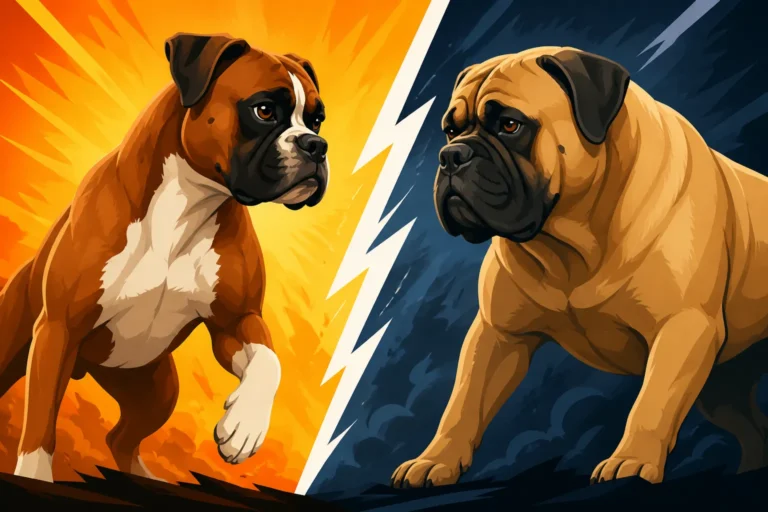
The next significant chapter in the Boxer's German origins involves the introduction of the English Bulldog. This might sound surprising, especially if you picture the modern, often stocky and wide-headed Bulldog we know today. However, the Bulldogs of the 19th century were quite different from their contemporary descendants. They were more athletic, taller, and possessed a longer, more functional muzzle, though still characterized by their powerful build and tenacity. The decision to cross the Bullenbeisser with these specific English Bulldogs was not accidental; it was a calculated move by German breeders to achieve certain desirable traits and to refine the emerging Boxer type.
This crossbreeding was a turning point, infusing new blood into the Bullenbeisser lines and further shaping the physical and temperamental characteristics that would define the Boxer. Breeders weren't just throwing dogs together; they were carefully selecting individuals with the traits they wanted to emphasize. This thoughtful approach highlights the dedication of those early fanciers to create a truly exceptional working dog. The Bulldog's influence brought a distinct set of physical characteristics and an even more resolute temperament, which proved invaluable for the evolving breed.
Why Bulldog Blood Was Introduced
The primary reasons for introducing Bulldog blood into the Bullenbeisser lines were multifaceted. Firstly, breeders wanted to enhance certain physical attributes. While the Bullenbeisser already had a strong grip, the Bulldog brought an even broader muzzle, a more pronounced undershot jaw, and a more compact, powerful body structure that could still be agile. These features were seen as improvements for the dog's gripping capabilities and overall robustness. The intention was to create a dog that could still perform "catch dog" duties, but perhaps with a more aesthetically pleasing, refined look.
Secondly, the Bulldog was known for its incredible courage and unflappable temperament, qualities highly valued in any working dog. By introducing these traits, breeders aimed to further solidify the Boxer's brave and determined nature, ensuring it would be a fearless companion and protector. This combination of physical prowess and mental fortitude was the holy grail for the German breeders. They weren't just looking for brute strength; they were seeking a balanced dog with intelligence and a strong desire to please. The careful infusion of these genes truly showcases Bulldog Blood in the Early Boxer.
Characteristics Inherited from the Bulldog
The impact of the English Bulldog cross is undeniable when you look at a Boxer today. Many of the physical characteristics that are now considered iconic to the breed can be directly traced back to this infusion of Bulldog genetics. The most prominent example is the distinct head shape: the broad muzzle, the strong jaw, and especially the undershot bite, where the lower jaw extends beyond the upper jaw. This bite, a functional trait in both ancestral breeds for gripping and holding, became a defining feature of the Boxer.
Beyond the head, the Bulldog also contributed to the Boxer's compact, muscular build and powerful neck. While the Bullenbeisser was formidable, the Bulldog added a certain substance and solidity that complemented the Boxer's emerging form. Temperamentally, the Bulldog's renowned courage and stoicism also reinforced the Boxer's inherent bravery and loyalty. These qualities, combined with the Bullenbeisser's intelligence and agility, created a dog that was both powerful and trainable. Even the need for durable chewing toys, available from a wide variety of brands on sites like Chewy, harks back to these strong-jawed ancestors.
The Founding Fathers: Three Visionaries in Munich
The creation of the Boxer breed as we know it today wasn't a random occurrence; it was the result of deliberate and passionate work by a handful of dedicated individuals in Munich, Germany. These visionaries, often referred to as the "founding fathers," took the disparate elements of the Bullenbeisser and Bulldog crosses and began to systematically breed towards a consistent type. Their names are synonymous with the early development of the Boxer, and their commitment laid the groundwork for the breed's future. It was a time of intense observation, careful selection, and a clear goal to produce a dog that was both functional and aesthetically distinct.
These pioneers were not just dog breeders; they were artists of canine genetics, painstakingly selecting traits and refining generations. They understood that to create a new, recognizable breed, consistency was key. Every breeding decision, every puppy evaluated, moved them closer to their ideal. Without their meticulous efforts and unwavering belief in the potential of this emerging type, the Boxer might never have achieved its distinctive place in the canine world. Their legacy is evident in every Boxer that embodies the breed's standards today.
Friedrich Robert's Early Work
Among the most prominent of these founding fathers was Friedrich Robert. Often credited with being instrumental in the Boxer's early development, Robert was a passionate dog enthusiast who recognized the unique potential in the Bullenbeisser-Bulldog crosses. He was not just looking to produce strong dogs, but to establish a uniform type with consistent characteristics. His kennel, "von Dom," would become legendary in Boxer history, producing many foundational dogs that shaped the breed. Robert's insight was key to moving beyond simply crossing dogs to truly breeding a new type.
Robert understood that a successful breed needed more than just functional ability; it needed a distinctive look and a stable temperament that made it suitable for various roles. He championed the idea of a medium-sized, powerful, and intelligent dog, capable of both guarding and companionship. His dedication to selecting for both physical form and mental soundness set a high bar for future Boxer breeders. His work provided much of the early momentum and definition for the breed, truly making him a key figure in Who Friedrich Robert Was in Boxer History.
Ehrich and Konig's Contributions
While Friedrich Robert laid much of the groundwork, the efforts of others like Georg Ehrich and Robert König were equally vital in solidifying the Boxer as a distinct breed. These individuals, also based in Munich, shared Robert's vision and collaborated to refine the breeding program. Ehrich, often associated with his influential male Boxer, Flocki, played a crucial role in bringing the breed to public attention and establishing its early popularity. König, another dedicated breeder, also made significant contributions to the gene pool, ensuring a broad and healthy foundation for the emerging breed.
Together, these three men, Friedrich Robert, Georg Ehrich, and Robert König, formed a formidable triumvirate. Their shared passion, meticulous record-keeping, and selective breeding practices ensured that the Boxer developed with purpose and consistency. They meticulously documented pedigrees, ensuring that desired traits were passed down and undesirable ones were minimized. It is through their combined efforts that we can truly appreciate The Three Germans Who Fixed the Boxer Type, establishing the distinct conformation and temperament that would define the Boxer for generations to come.
The First Show and the Standard: Establishing the Boxer Type
The true birth of any breed often coincides with its formal recognition and the establishment of a written standard. For the Boxer, this pivotal moment arrived in the late 19th century in Germany. It wasn't enough for dedicated breeders to simply produce dogs of a certain type; they needed to solidify that type, gain public acceptance, and set clear guidelines for future breeding. This quest for standardization led to the breed's debut in the show ring and the drafting of its first official description, marking a crucial step from a collection of similar dogs to a recognized breed.
This period was charged with excitement and determination. Breeders had worked tirelessly, and now it was time to showcase their achievements and formalize their ideals. The show ring served as a vital platform, allowing judges and the public to see the emerging Boxer type and appreciate its unique qualities. Establishing a written standard provided a blueprint, ensuring that all future breeding efforts would strive towards a unified vision, preventing divergence and maintaining the integrity of the newly formed breed.
The 1895 Munich Exhibition
The year 1895 holds a special significance in Boxer history. It was in this year that the first Boxer was officially exhibited at a dog show in Munich, Germany. This event was a landmark, bringing the burgeoning breed into the public eye and signaling its readiness for formal recognition. The dog, named Flocki, owned by George Ehrich, was the first Boxer to be entered in a German show, making a powerful statement about the breed's arrival on the canine scene. This wasn't just a casual showing; it was a declaration.
The Munich show was more than just a competition; it was a gathering where breeders could compare their dogs, discuss ideals, and solidify the collective vision for the Boxer. It laid the groundwork for future breeding clubs and further exhibitions, cementing the Boxer's place in the world of purebred dogs. The excitement and discussions around Flocki and other early Boxers at this exhibition were foundational, showcasing The 1895 Munich Show That Launched the Boxer and setting the trajectory for its future.
Developing the First Breed Standard
Following the successful exhibition of Boxers, the need for a definitive breed standard became paramount. In 1902, the Deutscher Boxer Club, formed shortly after the 1895 show, published the very first official Boxer breed standard. This document was revolutionary, precisely detailing the ideal physical characteristics, temperament, and movement of the Boxer. It left little to interpretation, providing a clear guide for breeders, judges, and enthusiasts alike. This was the moment the Boxer truly became a defined entity.
The standard meticulously described everything from head proportions and bite to coat color and body structure. It emphasized the Boxer's powerful yet elegant physique, its intelligent and alert expression, and its fearless yet friendly temperament. This comprehensive blueprint ensured that breeders would continue to work towards a consistent type, preventing deviations and preserving the breed's unique qualities. To understand the blueprint these early pioneers followed, one simply needs to look at What the First Boxer Standard Said in 1902, a testament to their foresight and dedication.
Early German Boxer Clubs and Their Impact
The passion of individual breeders is invaluable, but for a breed to truly flourish and maintain its integrity over generations, organized efforts are essential. This is where the early German Boxer clubs played a critical role. These organizations provided a framework for shared knowledge, ethical breeding practices, and the collective promotion of the breed. Without the dedicated work of these clubs, the Boxer might have remained a regional curiosity rather than becoming the internationally beloved companion dog it is today. They were the guardians of the breed's future.
These clubs were more than just social gatherings; they were serious institutions dedicated to the advancement and protection of the Boxer. They organized shows, published stud books, and established strict breeding regulations to ensure the health, temperament, and conformity of the dogs being produced. Their influence stretched far beyond Germany, as their standards and practices became the foundation for Boxer clubs around the world.
The Deutscher Boxer Club's Role
The most significant of these early organizations was the Deutscher Boxer Club, founded in 1896 in Munich. This club was formed by a group of passionate Boxer enthusiasts and breeders, including some of the founding fathers we've already discussed. Its primary mission was to oversee the development and preservation of the Boxer breed. The club immediately set to work on establishing breed standards, registering dogs, and promoting responsible breeding practices. It quickly became the authoritative voice for the Boxer in Germany, and eventually, globally.
The Deutscher Boxer Club published its first breed standard in 1902, a monumental achievement that provided a clear vision for the breed. They also maintained careful stud books, meticulously tracking pedigrees and ensuring the health and quality of breeding stock. This rigorous approach to breeding and documentation was crucial in establishing the Boxer's reputation as a well-defined and consistently excellent breed. Their foundational work is the reason we have such a clear historical line, and their dedication is a key part of The German Boxer Club and Its 1902 Standard.
Championing Health and Temperament
Beyond physical conformation, the early Boxer clubs, particularly the Deutscher Boxer Club, placed a strong emphasis on health and temperament. They understood that a robust, healthy, and mentally sound dog was just as important as one that met aesthetic standards. This foresight was crucial, as Boxers, like many breeds, would later face specific health challenges. By prioritizing these aspects from the very beginning, they aimed to build a resilient and stable breed. They recognized that a dog's character was paramount for its success as a working animal and a family companion.
The clubs actively encouraged breeders to select for calm, courageous temperaments and to avoid dogs with shy or aggressive tendencies. They also began to document health issues, laying the groundwork for future health screening efforts. This commitment to both physical and mental well-being helped to ensure that the Boxer would not only be beautiful and powerful but also a reliable and devoted companion. Their early focus on these traits contributed significantly to the Boxer's reputation as an excellent family dog, capable of being both playful and protective. It's a reminder that good breeding, whether you're sourcing from a breeder or finding specialized food on Chewy, always prioritizes the animal's overall welfare.
The Boxer's Original Purpose: Working Dog Extraordinaire
While the Boxer today is often celebrated as a joyful family companion, a true "clown," it's vital to remember that its German origins are firmly rooted in utility and hard work. The breed was never intended to be merely a pretty face; it was developed to be a highly capable working dog, performing a variety of demanding tasks. Understanding this original purpose sheds light on many of the Boxer's inherent traits, such as its strength, agility, intelligence, and unwavering loyalty. These qualities weren't accidental; they were carefully bred into the dog for very practical reasons.
The Boxer's versatility and eagerness to please made it adaptable to numerous roles, transitioning from its bull-biting ancestors to more modern forms of service. This rich working history speaks volumes about the breed's intelligence and trainability. They weren't just powerful; they were smart, capable of understanding complex commands and executing tasks with precision. This foundation as a working dog is etched into their very being, even in the most pampered modern Boxer.
Versatility as a Utility Dog
As the Bullenbeisser's traditional role diminished, the emerging Boxer found new avenues to showcase its abilities. German breeders specifically aimed for a utility dog – a versatile animal capable of performing a wide range of tasks beyond just hunting. This adaptability was a key characteristic they wished to develop. Boxers began to be used for guarding property, as cattle dogs, and even as draught dogs, pulling small carts. Their strength, protective instincts, and trainable nature made them ideal for these diverse roles, demonstrating their robust and eager-to-please temperament.
This versatility meant the Boxer could be a valuable asset to many different households and professions, not just specialized hunters. They were seen as all-around working dogs, reliable and intelligent enough to take on new challenges. Their muscular build, coupled with their intelligence, allowed them to excel wherever a strong, smart, and devoted canine partner was needed. This adaptability is a testament to The Boxer's Working History and the thoughtful breeding that went into its development.
Military and Police Service in Early Days
Perhaps the most significant testament to the Boxer's utility and exceptional temperament came in the early 20th century, when the breed was recognized for its potential in military and police work. Germany, always at the forefront of dog training for service, quickly identified the Boxer as an ideal candidate. Their intelligence, courage, trainability, and impressive physical presence made them perfectly suited for roles such as patrol dogs, sentries, and messenger dogs during wartime. They were fearless in the face of danger and unwavering in their dedication to their handlers.
The Boxer was one of the first breeds chosen for police training in Germany, a powerful endorsement of their capabilities. Their ability to learn complex commands, combined with their natural protective instincts and imposing appearance, made them excellent deterrents and formidable partners in law enforcement. It's truly remarkable to consider how far the breed came from its bull-biting roots to becoming a respected member of the police force, a trajectory that solidified Why Boxers Were Chosen as Police Dogs. Their enduring legacy as service animals speaks volumes about the careful breeding that instilled such purpose and drive.
Key Milestones in Boxer Development
To provide a quick overview of the Boxer's journey from ancient ancestors to recognized breed, here are some key milestones:
| Year/Period | Event/Development | Significance |
|---|---|---|
| Pre-19th Century | Bullenbeisser as main ancestor | Foundation of strength, grip, and tenacity for large game hunting. |
| Mid-19th Century | Crosses with English Bulldogs | Infusion of broader muzzle, undershot jaw, and enhanced courage. |
| 1880s | Early efforts to standardize type in Munich | Dedicated breeders like Friedrich Robert begin to refine a consistent Boxer type. |
| 1895 | First Boxer exhibited at Munich dog show (Flocki) | Public debut of the emerging breed, validating breeders' efforts. |
| 1896 | Founding of the Deutscher Boxer Club | Formal organization to define, register, and protect the breed. |
| 1902 | Publication of the first Boxer Breed Standard | Official blueprint for physical characteristics, temperament, and movement. |
| Early 20th Century | Recognition as a police and military dog | Proof of versatility, intelligence, and working capability. |
| 1904 | First Boxer registered with the American Kennel Club | Introduction of the breed to the United States. |
This timeline illustrates the concerted effort and significant dedication involved in transforming the ancestral Bullenbeisser into the distinctive Boxer we recognize and love today.
Boxer Temperament: A Legacy of German Breeding
The Boxer's temperament, a delightful mix of playfulness, courage, and unwavering loyalty, is not an accident. It's a carefully cultivated legacy of its German origins and the intentional breeding choices made by those early visionaries. They weren't just focused on physical prowess; they understood that a dog's character defines its suitability as a companion and a worker. If you've ever laughed at your Boxer's goofy antics or felt utterly safe in their presence, you're experiencing the direct result of centuries of thoughtful development.
Many people assume a strong, powerful dog must inherently be aggressive or aloof. However, the German breeders of the Boxer explicitly worked against this notion. They wanted a dog that was fearless and protective when necessary, but also stable, reliable, and affectionate with its own family. This balance is what makes the Boxer so unique and beloved. It's why they can transition from a serious working role to cuddling on the couch with equal grace.
The Balance of Fearlessness and Friendliness
One of the most striking aspects of the Boxer's temperament is its incredible balance between courage and good nature. These dogs were bred from lines that faced down wild boars, yet they were refined to be remarkably gentle and tolerant with their human families, especially children. This duality is a hallmark of the breed and speaks volumes about the selective breeding practices employed by its German creators. They specifically chose dogs that displayed both the necessary bravery for work and the social affability for life within a household.
It's this unique combination that makes a Boxer such a fantastic companion. They possess an inherent confidence that allows them to be fearless guardians, always alert to their surroundings, but they are equally renowned for their clownish demeanor and eagerness to engage in play. This isn't a contradiction; it's a testament to the meticulous efforts to mold a truly versatile temperament. They’re the ultimate "velcro dog" who also happens to be built like a brick house, a characteristic that requires high-quality food (like those found on Chewy) to maintain.
Loyalty and Trainability from Working Roots
The Boxer's deep-seated loyalty to its family and its impressive trainability are also direct inheritances from its German working roots. A dog destined for utility work, whether guarding, herding, or police service, needs to be utterly devoted to its handler and eager to understand and execute commands. This strong bond and willingness to cooperate were essential for the Bullenbeisser's survival and became paramount for the Boxer's success in its various roles.
This desire to please, combined with their inherent intelligence, makes Boxers generally receptive to training, though their sometimes-stubborn "Boxer brain" can add a fun challenge! They thrive on interaction and having a job to do, even if that job is just making their human laugh. This loyalty means they often form incredibly strong bonds with their primary caregivers, becoming devoted shadows. It’s a powerful connection, a deep trust that was cultivated from the very beginning of the breed's formation, ensuring they were not just powerful dogs, but deeply reliable partners.
The Boxer's Distinctive Look: Functional Form to Aesthetic Appeal
The Boxer's unmistakable appearance—that square head, strong jaw, powerful neck, and muscular body—is intrinsically linked to its German origins and the functional requirements of its ancestors. What started as traits necessary for survival and work became the aesthetic hallmarks of the breed. It’s a fascinating evolution where utility morphed into beauty, without sacrificing the underlying strength and athleticism. Every curve and angle of a Boxer tells a story of its heritage.
The breeders weren't just creating a pretty dog; they were designing a functional athlete. The distinctive look wasn't for show in the beginning; it was for doing a demanding job. Over time, as the breed gained popularity, these functional traits were refined and emphasized, creating the iconic image we associate with the Boxer today. It’s a perfect example of form following function, leading to a truly unique and powerful aesthetic.
Why the Boxer Was Given a Turned-Up Muzzle
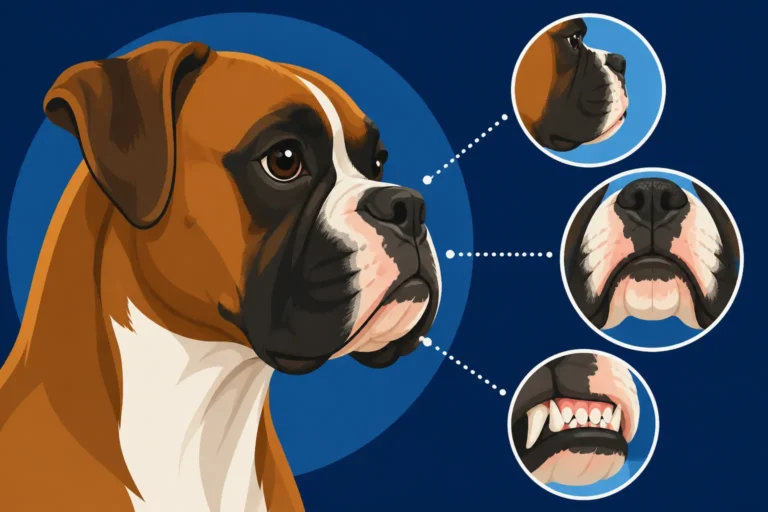
The Boxer's distinctive turned-up muzzle and undershot jaw are perhaps its most recognizable features. These aren't just quirks of the breed; they are direct functional inheritances from the Bullenbeisser and Bulldog ancestors. For a dog whose job was to hold onto large, struggling prey, being able to breathe while maintaining a firm grip was absolutely essential. A turned-up muzzle, combined with the undershot jaw, allowed the dog to maintain its hold and breathe freely, preventing suffocation or loss of grip during prolonged struggles.
This design was ingenious for its time, directly contributing to the effectiveness and survival of these working dogs. As the breed evolved and its roles shifted, this feature was retained and even exaggerated, becoming a defining characteristic. Breeders found it aesthetically pleasing and representative of the Boxer's power and tenacity. So, while your Boxer’s cute "smush face" might just mean more slobber on the floor, it’s a living testament to its formidable hunting past, truly illustrating Why the Boxer Was Given a Turned-Up Muzzle.
The Boxer's Overall Structure: Power and Agility
Beyond the head, the Boxer's entire physical structure reflects its working dog heritage. The breed standard calls for a medium-sized dog with a powerful, stocky build, deep chest, and well-muscled legs. This combination of strength and athleticism was crucial for a dog expected to perform demanding tasks, from catching game to guarding property or assisting police. They needed to be robust enough to handle physical challenges but agile enough to move quickly and decisively.
The Boxer's gait, a powerful and ground-covering stride, also speaks to its origins as a working dog. They move with purpose and grace, reflecting the energy and endurance needed for extended periods of activity. Even today, a healthy Boxer is a bundle of muscle and spring, capable of impressive bursts of speed and playful "boxer bounces." This physical prowess requires an equally robust diet and can lead to specific health considerations like Cruciate Tears in a Muscular Boxer, highlighting the importance of understanding their active needs. The modern Boxer, while a loving pet, still carries the blueprint of a powerful and agile athlete, a proud inheritance from its German roots.
Disclaimer
This article is for general informational purposes only and does not constitute professional advice. Laws, prices and regulations vary by location and change over time. Consult a qualified professional for guidance on your specific situation.