Boxers Working in Search and Rescue
When a loved one goes missing, or disaster strikes, the immediate thought often turns to highly trained search and rescue dogs, typically breeds like German Shepherds or Labs. But many Boxer owners wonder if their energetic, intelligent, and fiercely loyal companions could also contribute to such vital work. It's a valid question, given their boundless energy and keen senses, and this guide will explore the unique attributes Boxers bring to search and rescue, the specific roles they might fill, and the dedication required to train them for such demanding service.
Are Boxers a Good Fit for Search and Rescue? Examining Traits
The journey into search and rescue (SAR) with any dog breed is incredibly demanding, requiring a specific blend of physical and mental attributes. For Boxers, while they possess many admirable qualities, their suitability for SAR work is often a nuanced discussion. It's not a simple yes or no, but rather understanding where their strengths lie and where their inherent breed characteristics might present challenges.
Physical Characteristics and Stamina
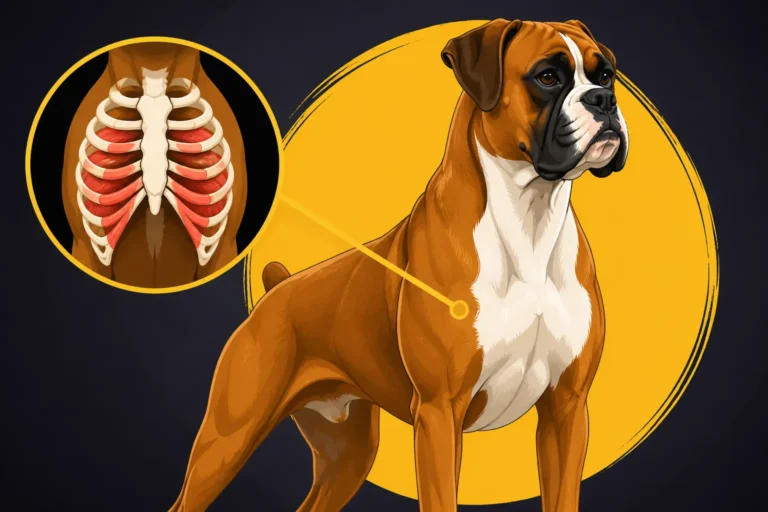
Boxers are undeniably athletic dogs. They are built with powerful, muscular bodies, and an impressive burst of speed that makes them seem like they could conquer anything. This physical prowess is a definite advantage in SAR, particularly in covering varied terrain or navigating rubble. Their medium size allows them to be agile without being so small they get lost in deep debris or so large they can't maneuver tight spaces. However, their brachycephalic, or "flat-faced," nature introduces a critical consideration: heat regulation. Boxers are prone to overheating, especially during strenuous activity or in warm climates, because their shortened muzzles make panting less efficient. A SAR dog needs to work for extended periods in potentially adverse conditions, and a Boxer's inability to efficiently cool itself can severely limit its working time and even pose a significant health risk. Boxer Exercise Needs and the Heat That Limits Them is a topic every Boxer owner should understand deeply. This means specialized cooling vests, hydration breaks, and constant monitoring are non-negotiable for a Boxer working in SAR, factors that add complexity to their deployment.
Temperament and Drive
Beyond the physical, a SAR dog needs an exceptional temperament and unwavering drive. Boxers are known for their high energy, playfulness, and intelligence, traits that can be channeled into effective search work. They possess a natural curiosity and a strong desire to please their handlers, which is a fantastic foundation for training. Their "never say quit" attitude, often seen in their vigorous play, translates well to the persistence required in a prolonged search. Boxers are also incredibly social and bond deeply with their families, but a SAR dog needs to be focused on its task, even with distractions. Their natural watchdog instinct means they are alert to their surroundings, but this needs to be refined so it doesn't manifest as barking at every squirrel when they should be searching for human scent. The ability to maintain focus amidst chaos is paramount. Their enthusiasm, while charming, needs to be tempered with control and discipline for the serious work of SAR. Boxer Temperament in the Standard and in Life gives a broader overview of their characteristic disposition.
Trainability and Focus
Boxers are intelligent, but they also have a playful, sometimes stubborn streak that can make training an adventure. They thrive on positive reinforcement and make excellent students when the training is engaging and fun. However, they can get bored with repetitive drills, which is common in SAR training. A handler needs to be creative and keep sessions fresh and exciting to maintain a Boxer's interest. Training a Boxer That Gets Bored Fast is a very real challenge. SAR work requires immense focus and the ability to ignore environmental distractions like other animals, loud noises, or interesting smells. While a Boxer's nose is certainly capable, harnessing it for specific human scent discrimination in a high-stress environment takes consistent, patient, and often lengthy training. They need to learn to "turn on" and "turn off" their working drive, understanding that specific cues mean it's time to be serious. A good SAR handler understands how to leverage a Boxer's play drive, using a favorite tug toy from Chewy as a high-value reward for a successful find, making the 'work' feel like the ultimate game.
Roles Boxers Can Play in Search and Rescue
While not the most common breed you'd see on a SAR team, Boxers can certainly excel in specific search disciplines if their natural abilities are nurtured and their limitations are managed. It's all about matching the dog's inherent talents with the right type of mission.
Trailing and Tracking
Boxers have a surprisingly good sense of smell, often underestimated due to their "clownish" reputation. This makes them potential candidates for trailing or tracking work. Trailing dogs follow the specific scent of a missing person, often starting from a "scent article" like a piece of clothing. Tracking dogs follow ground disturbance or residual scent left by a person, often working on a leash. A Boxer's muscular build and energetic nature allow them to cover ground quickly, and their determination can keep them focused on a trail for considerable distances. Their focus on the task at hand, once properly motivated, can be incredibly strong.
Imagine a scenario: an elderly person with dementia has wandered from their home. A Boxer, given a scent article, could be trained to pick up that individual's unique scent and follow it through varied terrain, such as suburban streets, wooded areas, or even through a light drizzle. This requires intense concentration and an ability to discriminate the target scent from countless other smells. The reward for finding that person, whether it's a vigorous game of tug or a handful of high-value treats purchased from Chewy, reinforces their drive.
Area Search
Area search dogs work off-leash to locate any human scent within a designated search area. They typically work into the wind, systematically clearing an area. A Boxer's agility and stamina, provided the temperature is suitable, make them capable of covering large areas efficiently. Their powerful lungs and deep chest can carry their barks far, alerting their handler to a find. However, their brachycephalic nature is a significant factor here; a Boxer would be a poor choice for area searching in hot, humid climates or during the peak heat of the day.
Consider a lost hiker in a moderately forested area during cooler weather. A Boxer, with its strong desire to range and explore, could be trained to systematically sweep the area. They'd use their nose to detect human scent and then bark or return to their handler to indicate a "find." This kind of work leverages their natural exuberance and ability to cover ground quickly. However, the handler must be acutely aware of the dog's limits and ready to call for breaks or switch dogs if the Boxer shows any signs of overheating or fatigue.
Disaster Search (Limited Capacity)
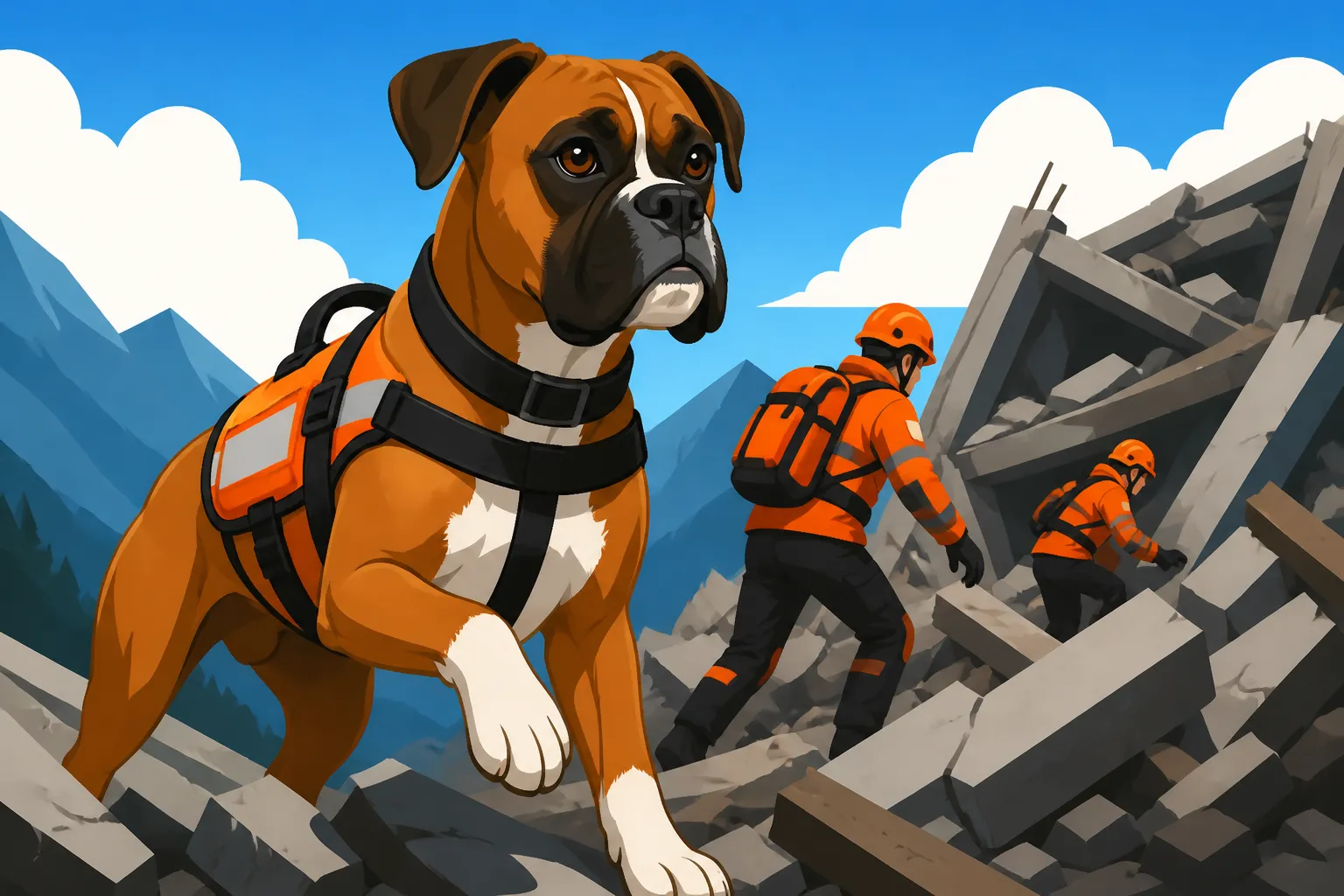
Disaster search, often seen after earthquakes or building collapses, involves dogs searching for live human scent in rubble piles. This is perhaps one of the most physically demanding SAR disciplines, requiring dogs to navigate unstable surfaces, tight spaces, and potentially hazardous environments. While a Boxer's agility and power could be assets, their susceptibility to heat and their heavier build compared to some smaller, more nimble breeds might limit their effectiveness in prolonged disaster scenarios. They are certainly strong enough to pull themselves over obstacles, but the risk of injury on sharp debris is also a concern.
A Boxer could potentially be trained for light urban search, where the rubble is less severe and the climate is temperate. Their distinctive bark could be a huge asset in alerting rescuers to a trapped survivor. However, extensive training would be needed to ensure they are confident and safe in such an unpredictable environment. The focus here would be on their drive to locate scent and their ability to move quickly, rather than their sheer brute strength or endurance in extreme conditions.
The Journey to Becoming a SAR Boxer
The path to becoming a certified search and rescue dog is long, arduous, and requires immense dedication from both dog and handler. It's not just about having a talented dog; it's about building an unbreakable partnership.
Foundational Training and Socialization
The journey begins early. A Boxer puppy destined for SAR needs exceptional socialization. This means exposure to a wide variety of sights, sounds, people, animals, and environments from a young age. A SAR dog must be bomb-proof, unfazed by sirens, crowds, strange surfaces, and even loud machinery. This foundation ensures the dog is confident and stable in any situation it might encounter during a real search. Socializing a Boxer Puppy Before Sixteen Weeks is crucial, but this must extend well beyond puppyhood. Obedience training is also non-negotiable. A SAR dog needs to respond instantly to cues, even at a distance or under extreme distraction. Reliable recalls, stays, and emergency downs are not just good manners; they are safety requirements. This foundational training builds the communication system that will be vital in the field.
Specialized SAR Training
Once the basics are mastered, specialized SAR training begins. This involves teaching the Boxer to use its nose to find human scent, whether it's an air scent (scent carried on the wind) or a ground scent (a specific trail). Training progresses systematically, starting in controlled environments and gradually increasing complexity, distraction, and search area size. Dogs learn to indicate a "find" through barking, digging, or returning to the handler. Handlers learn how to "read" their dog's body language, interpret changes in behavior, and navigate challenging terrain. This often involves working with experienced SAR handlers and attending specialized workshops. Many teams practice regularly, sometimes several times a week, mimicking real-world scenarios as closely as possible. This consistent practice is key to keeping a Boxer engaged and sharp. Getting a Boxer's Attention Outdoors for extended periods is a skill that takes diligent work.
Handler Commitment and Team Dynamics
Being a SAR handler is a volunteer commitment that often feels like a full-time job. Beyond training your dog, you need to train yourself in navigation, first aid, search strategy, and radio communications. Handlers must be physically fit enough to keep up with their dog in rugged terrain for hours. There are also significant equipment costs, from specialized harnesses and leads to GPS devices and cooling gear for a Boxer. While you can find many quality products at retailers like Chewy, the investment in time, money, and emotional energy is substantial. SAR teams operate with strict protocols, and handlers must be team players, capable of working effectively under pressure and following command structures. The bond between a SAR dog and its handler is truly remarkable, built on trust, mutual respect, and countless hours of shared training and experience.
The Realities and Limitations
While Boxers can certainly be part of search and rescue, it's important to approach this aspiration with a clear understanding of the challenges and inherent limitations. Every breed has its strengths and weaknesses, and recognizing them is crucial for responsible SAR work.
Heat Sensitivity and Overexertion
As mentioned, a Boxer's brachycephalic physiology is its biggest hurdle in SAR. How Fast a Flat-Faced Boxer Overheats is a critical concern that can turn a productive search into a medical emergency very quickly. This means Boxers are often limited to temperate climates, cooler seasons, or specific times of day (early morning, late evening). Handlers must carry extra water, cooling towels, and be vigilant for signs of heat stress. This limitation means a Boxer may not be suitable for all types of SAR deployments or for long, sustained efforts in challenging conditions. Unlike other breeds that can work for hours in various temperatures, a Boxer's deployment window can be much narrower.
Physical Demands and Injury Risk
SAR work is physically taxing on any dog. Navigating uneven terrain, climbing over obstacles, and prolonged activity can lead to muscle strains, sprains, and cuts. For a Boxer, their deep chest, while majestic, also carries the risk of bloat (gastric dilatation-volvulus), a life-threatening condition that can be exacerbated by exercise, stress, and eating/drinking too quickly. This risk means careful management of feeding and hydration schedules during deployments. While they are powerful, their joints, like many large breeds, can also be susceptible to injury, especially when working on unstable ground. Ensuring they are always in peak physical condition and providing adequate warm-ups and cool-downs is vital.
Equipment and Support
Specialized equipment is essential for SAR dogs, and for Boxers, this might include custom-fitted cooling vests, paw protection for rough terrain, and durable harnesses that distribute pressure evenly. Finding gear that stands up to the rigors of SAR and fits a Boxer's unique body shape can sometimes be a challenge, though online pet supply giants like Chewy offer a wide array of options for most breeds. Moreover, the handler needs to be fully equipped for self-sufficiency, carrying navigation tools, first aid kits, food, and water for both themselves and their dog. The logistical support required to deploy a SAR team, including transportation, communications, and medical backup, is extensive. This isn't a solo endeavor; it's a highly coordinated effort where every member, human and canine, plays a crucial role.
The Emotional Toll
Being a SAR handler is emotionally demanding. Not every search ends with a successful find, and the nature of the work often exposes handlers and their dogs to distressing situations. Handlers need resilience, mental toughness, and a strong support system. While dogs live in the moment and aren't burdened by the same emotional complexities as humans, they are highly attuned to their handler's emotions. A strong, positive bond, built on trust and clear communication, helps both dog and handler navigate the stresses of the work.
| SAR Discipline | Boxer Suitability | Key Considerations |
|---|---|---|
| Trailing/Tracking | High | Strong nose, stamina, determination; handler focus. |
| Area Search | Medium-High | Covers ground well, good scenting ability; heat limitation. |
| Disaster Search | Medium (Specific) | Agile, powerful; limited by heat, injury risk on rubble. |
| Water Search | Low | Not naturally strong swimmers due to brachycephaly. |
| Avalanche Search | Low | Unsuitable for extreme cold due to short coat and heat loss. |
Ultimately, a Boxer can absolutely be a valuable member of a search and rescue team, particularly in trailing or area search roles in temperate conditions. Their enthusiasm, intelligence, and powerful build are assets. However, their brachycephalic challenges require a highly informed, vigilant, and dedicated handler willing to mitigate those risks through careful planning, specialized gear, and an unwavering commitment to their dog's safety and well-being. It's a testament to the Boxer's incredible spirit that, with the right person by their side, they can contribute to saving lives.
Disclaimer
This article is for general informational purposes only and does not constitute professional advice. Laws, prices and regulations vary by location and change over time. Consult a qualified professional for guidance on your specific situation.