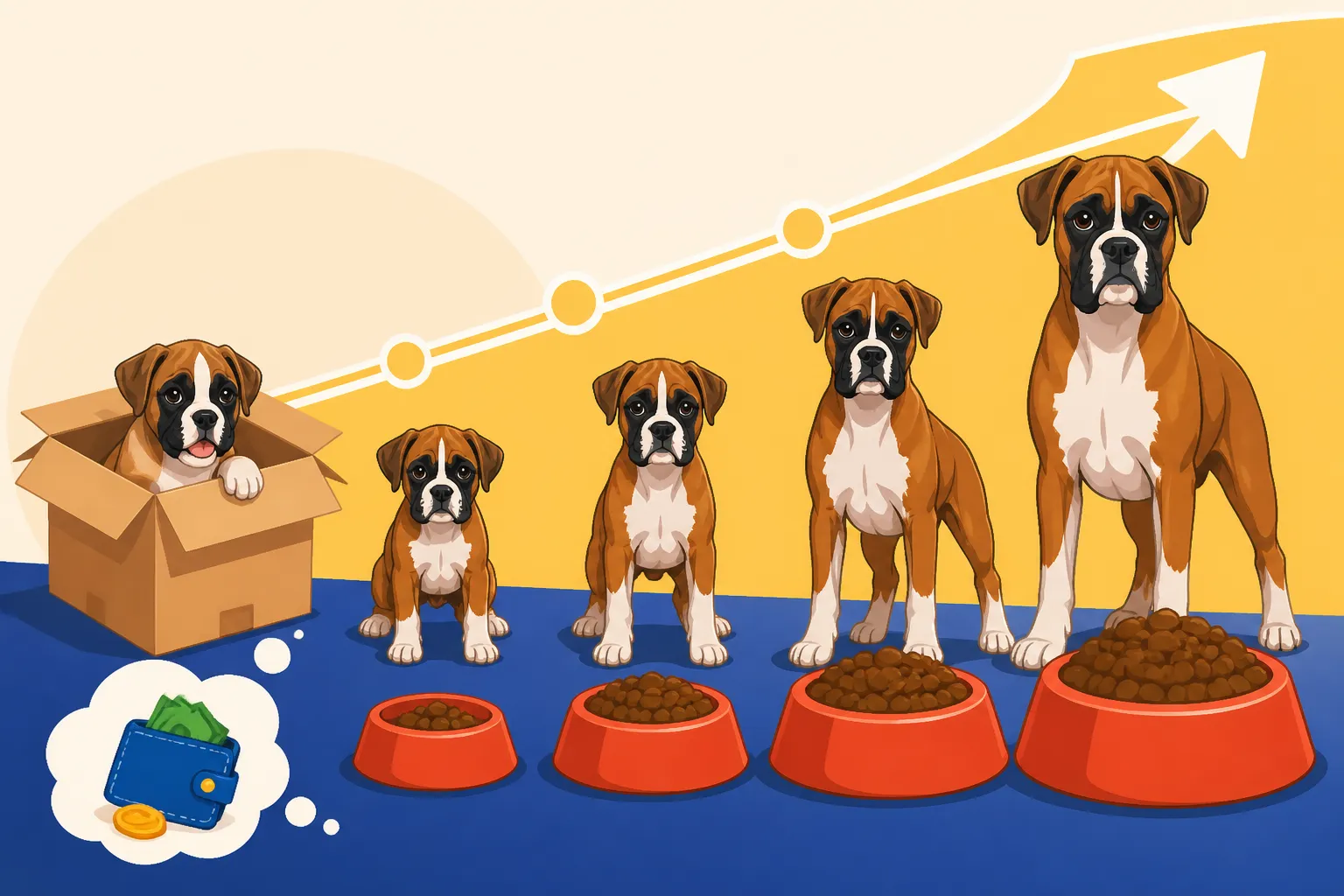
Puppy Food Bills Through a Boxer’s Growth Year
Bringing home a Boxer puppy is an absolute whirlwind of joy, goofy antics, and boundless energy. But let's be honest, alongside all the snuggles and playtime, there's a serious financial commitment you're signing up for. Many new Boxer parents are surprised by just how much that growing powerhouse eats! This guide is all about helping you understand and navigate the reality of puppy food bills through your Boxer's critical first year, so you can budget effectively and ensure your furry friend gets the best start possible.
The Nutritional Foundation for a Growing Boxer Puppy
Your Boxer puppy isn't just any dog; they're a rapidly growing, energetic, large breed with specific nutritional needs that lay the groundwork for their entire adult life. Skimping on quality or misunderstanding these needs can have long-term consequences, so it's crucial to get it right from day one.
Why Boxer Puppies Have Unique Dietary Requirements
Boxer puppies grow incredibly fast, not just in size but in muscle mass and bone density. This intense growth phase demands a diet specifically formulated to support it without overdoing it. Unlike smaller breeds that mature faster, Boxers continue to develop significantly throughout their first 12-18 months. Their high energy levels mean they burn through calories quickly, requiring a diet rich in appropriate nutrients to fuel their zoomies and playful "boxing" sessions. This rapid development puts particular stress on their joints and developing organs, making a balanced diet absolutely non-negotiable.
Choosing a generic puppy food might seem economical, but it often lacks the precise balance needed for a large breed like a Boxer. Too much calcium, for instance, can be just as detrimental as too little, leading to skeletal development issues. Therefore, large breed puppy formulas are designed with controlled growth rates in mind, helping to prevent problems like osteochondrosis or hip and elbow dysplasia, which can be exacerbated by overly rapid growth. It's an investment in their future soundness and vitality.
Beyond physical growth, a Boxer puppy's brain and immune system are also developing at a furious pace. High-quality fats, like DHA, are crucial for cognitive development, helping your puppy learn commands and navigate their world more effectively. A robust immune system, supported by essential vitamins and antioxidants, means your puppy is better equipped to fend off illnesses, especially during their vulnerable first year when they're exploring everything with their mouths.
Essential Nutrients and Their Role in Boxer Development
For your Boxer puppy, protein is the building block for all that magnificent muscle. Look for high-quality animal-based proteins as the first few ingredients, such as chicken, beef, or lamb. These provide the essential amino acids necessary for lean muscle development, which is particularly important for a muscular breed. Without adequate protein, your puppy's growth can be stunted, or their muscle mass compromised, impacting their overall health and athletic ability.
Fats are a concentrated energy source, vital for your high-energy Boxer puppy. They also carry fat-soluble vitamins and contribute to a healthy coat and skin. Balanced fat levels ensure your puppy has the stamina for playtime and proper organ function, but it's a careful balance. Too much fat can lead to excessive weight gain, putting undue stress on developing joints, while too little can leave them feeling sluggish and dull-coated. It’s all about finding that sweet spot for their active lifestyle.
Crucially, minerals like calcium and phosphorus must be in the correct ratio for large breed puppies. As mentioned, an imbalance can lead to serious bone development issues. Large breed puppy formulas regulate these minerals to support steady, healthy bone growth, rather than the quick, unchecked growth that can lead to problems. Additionally, supplements like glucosamine and chondroitin, often found in good quality large breed foods, can offer extra support for joint health, a common concern for Boxers as they age. This careful attention to nutrition in their formative months is a key part of their Boxer Lifespan and the Years That Decide It A proper start means fewer issues down the line.
Choosing the Right Food: Kibble, Wet, or Fresh?
When you’re looking at the dizzying array of options, it can feel overwhelming. Dry kibble is the most common and often the most economical choice. High-quality kibbles, especially those formulated for large breed puppies, offer a balanced diet with convenience. Brands available through retailers like Chewy often have excellent options that provide complete nutrition. Look for formulas with real meat as the primary ingredient, controlled calcium levels, and DHA for brain development. The downside for some Boxers is that kibble can sometimes be less palatable, and some highly sensitive stomachs might struggle with certain ingredients.
Wet food, or a mix of wet and dry, can increase palatability and hydration, which is a bonus for some picky eaters or those who need extra moisture. However, wet food tends to be significantly more expensive per serving and less calorie-dense, meaning your Boxer puppy would need to eat a much larger volume to meet their caloric needs. It can be a great topper or treat, but as a primary diet, the costs can quickly spiral out of control for a large breed.
Fresh, human-grade food services, such as those offered by Ollie, are gaining popularity and can be an excellent option for some Boxers, especially those with sensitivities. These diets are typically made with whole, recognizable ingredients, often cooked gently and delivered fresh. While nutritionally superb and highly palatable, this option generally comes with a much higher price tag. For a growing Boxer puppy that will eventually weigh 60-80 pounds, the cost of a fresh food diet can be substantial, so it's essential to factor that into your long-term budget. Many owners start with fresh food and transition to a high-quality kibble as their puppy matures to manage costs.
Decoding Your Boxer Puppy's First-Year Food Budget
Understanding the typical consumption patterns and growth spurts of a Boxer puppy is key to anticipating your food expenses. It’s not a static cost; it’s a journey that shifts as your puppy transforms from a tiny bundle into a powerful young adult.
The Early Months: Weeks 8-20
When your Boxer puppy first comes home, usually around eight weeks, they're still quite small, but their metabolism is in overdrive. They'll be eating several small meals a day, often three to four times, to fuel their rapid initial growth. The quantity per meal might seem small, but the frequency adds up. You'll likely be buying smaller bags of large breed puppy food initially, perhaps 10-15 lb bags, as you might still be finishing off the food the breeder started them on or experimenting with different high-quality options.
During this period, consistency is key, both for their developing digestive system and your budget. Rapidly changing foods can cause upset stomachs, leading to costly vet visits or specialized diets. Sticking to a reputable large breed puppy formula, ideally one recommended by your breeder, can help minimize these issues. Your vet might also recommend a specific brand or type, especially if your puppy has any early digestive sensitivities. Ensuring they have the right diet from the start also supports their joint development, preventing problems later in life, as detailed in Growth Limits on a Boxer Puppy's Joints.
As your puppy grows through these early months, their appetite will steadily increase. You’ll notice the bag of food disappearing faster than you expected. This is normal! They're putting on weight and inches weekly. By 4-5 months, they might be consuming close to what a smaller adult dog eats. This is when the realization often hits that you're going to need bigger bags, more frequently. Be prepared to start scaling up your food purchases as their demand escalates.
The Adolescent Surge: Months 5-12
This is where the food budget often sees its biggest jump. From around five months until they reach about a year old, Boxer puppies go through a massive growth spurt. They're no longer small puppies; they're gangly, energetic teenagers rapidly filling out their frames. Their daily caloric needs will be at their peak during this time, often requiring significantly more food than an adult Boxer will eventually eat per day. You'll likely be going through 30-35 lb bags of puppy food every 3-4 weeks, sometimes even faster depending on their activity level and individual metabolism.
Your Boxer's energy levels are also peaking during this adolescence. They require more fuel to sustain their intense play, training sessions, and general exuberance. This is not the time to restrict calories excessively; rather, it’s about providing appropriate, high-quality food to support their development. You'll need to keep a close eye on their body condition, feeling for their ribs (they should be easily palpable but not visible) to ensure they're not gaining too much weight or getting too lean. This ensures you're meeting their Daily Calories for a Seventy-Pound Boxer.
As they approach their first birthday, their growth will start to slow down slightly, though they'll continue to fill out in muscle and chest depth for another year or two. The volume of food might plateau or even slightly decrease as their growth plates begin to close. This period is a good time to reflect on your puppy's progress and prepare for the eventual transition to adult food, a decision that will influence your food budget for years to come.
Transitioning to Adult Food: The One-Year Mark
The general recommendation is to transition a large breed puppy like a Boxer to adult food around 12 to 18 months of age. Some vets might advise slightly earlier or later depending on the individual Boxer's growth curve and physical maturity. The key here is not just their chronological age, but their physical development. You want to ensure their rapid growth phase is complete, and their bone plates have mostly closed before moving them to an adult formula. The bag of food will usually state if it's formulated for large breed puppies up to 12 or 18 months, which is a good guideline.
Transitioning too early can sometimes lead to dietary deficiencies or an incorrect balance of calcium and phosphorus for still-developing bones, while transitioning too late means they might be consuming excess calories or an inappropriate nutrient blend for their slowed growth. When you do make the switch, do it gradually over 7-10 days, mixing increasing amounts of the new adult food with decreasing amounts of their puppy food. This helps prevent digestive upset. You can learn more about this process in Changing a Boxer's Food Without Upsetting It.
Once on adult food, your Boxer's daily caloric needs will stabilize. While the cost per bag might be similar, the frequency of purchases might decrease slightly as their metabolism is no longer fueling such rapid growth. This transition marks a new phase in your Boxer's life and your food budget, typically settling into a more predictable pattern for their adult years. It’s a good time to review your overall The Yearly Bill for a Seventy-Pound Boxer, ensuring all expenses are tracked.
What Drives the Cost of Boxer Puppy Food?
It's easy to look at the price tag on a bag of kibble and wonder why there's such a vast difference between brands. The cost of your Boxer puppy's food is influenced by several factors, from the ingredients themselves to where and how you purchase it.
Quality of Ingredients and Brand Reputation
The old adage "you get what you pay for" often holds true in the world of pet food. Premium puppy foods, especially those designed for large breeds, use higher quality ingredients. This means real, identifiable meat as the primary protein source, rather than ambiguous "meat meals" or by-products. They often include beneficial supplements like omega fatty acids (DHA for brain development), prebiotics and probiotics for gut health, and specific joint support ingredients such as glucosamine. These ingredients are more expensive to source and process, which directly translates to a higher price per bag.
Reputable brands also invest heavily in research and development, ensuring their formulas are scientifically backed to provide complete and balanced nutrition for specific life stages and breed sizes. They conduct rigorous quality control and often have veterinary nutritionists on staff. This commitment to quality and research adds to the production cost. While a generic brand might seem cheaper upfront, it could potentially lead to health issues down the line, ironically costing you more in vet bills for things like digestive problems or poor coat condition.
Conversely, some budget brands might rely more on fillers like corn, wheat, or soy, and less on nutrient-dense ingredients. While these might fill your puppy's belly, they often offer less bioavailability of nutrients, meaning your Boxer puppy needs to eat more to get what they need. Plus, some Boxers are prone to sensitivities to these common fillers, leading to issues like itchy skin or loose stools, which nobody wants.
Food Formulations: Large Breed Specifics
You might have noticed that large breed puppy formulas often cost a bit more than regular puppy food. This isn't just a marketing ploy; it's due to the precise and carefully balanced nutrient profile required. As discussed, the controlled levels of calcium and phosphorus are critical for preventing skeletal problems in rapidly growing large dogs. Achieving this balance while still providing adequate protein and fat for energy and muscle development requires more specialized formulation and often higher-quality, more expensive ingredients.
Large breed puppy foods are also typically denser in nutrients, meaning each kibble piece packs more nutritional punch. This is important because while your Boxer puppy needs a lot of calories, you don't want them consuming an overly large volume of food in one sitting, which can contribute to digestive issues or even bloat, a serious concern for deep-chested breeds like Boxers. The kibble size itself is also usually larger, encouraging slower eating and better chewing, which can aid digestion.
The investment in a large breed specific formula during your Boxer's puppyhood is an investment in their long-term health and structural integrity. It helps ensure steady, appropriate growth, minimizing the risk of growth-related orthopedic problems that can be painful and expensive to treat later on. You should always confirm that the food you choose is appropriate for your Boxer, as discussed in Whether a Boxer Puppy Counts as a Large Breed.
Where You Buy Makes a Difference
The retail channel you choose for your Boxer's food can significantly impact the price. Local pet stores, especially boutique ones, might offer a curated selection of premium foods and personalized advice, but often at a higher price point due to overheads. Supermarkets and big-box stores might have lower prices on common brands, but their selection of high-quality large breed specific foods can be limited.
Online retailers like Chewy are often a sweet spot for many Boxer owners. They typically offer a vast selection of brands, often at competitive prices, and the convenience of home delivery for those heavy bags of food is a huge plus. Many online stores also offer subscription services, which can provide a small discount and ensure you never run out of food. This is particularly helpful when you're going through 30-pound bags regularly!
Buying in bulk can sometimes offer savings, but it's important to consider storage. Dog food can go stale or lose nutrients if stored improperly for too long. Ensure you have an airtight container in a cool, dry place if you opt for larger quantities. Always check the "best by" date.
Smart Strategies for Managing Puppy Food Expenses
While quality should never be compromised, there are smart ways to manage your Boxer puppy's food budget without breaking the bank. A little planning and savvy shopping can make a big difference over the year.
Planning and Budgeting for Your Boxer's Meals
The first step to managing costs is understanding what you're up against. Research typical costs for a few high-quality large breed puppy foods in your area or online. Based on the feeding guidelines for your puppy's projected adult weight (which for a Boxer will likely be 60-80 pounds), calculate how much they'll likely eat per day and then per month. Remember, this amount will increase significantly during adolescence.
Creating a dedicated "puppy food" line item in your monthly budget is a smart move. This allows you to set aside funds specifically for this recurring expense, preventing financial surprises. Consider setting up an automatic transfer to a savings account each month, even if it's a small amount, to create a buffer. Unexpected costs, whether for a sudden vet visit or a particularly ravenous growth spurt, can always arise. Having a little extra tucked away helps alleviate stress.
It’s also wise to factor in the cost of potential dietary changes. Some Boxers develop food sensitivities or allergies, which might necessitate a switch to a more expensive limited-ingredient or prescription diet. While you hope this doesn't happen, being mentally and financially prepared for the possibility can save a lot of heartache. This links back to the broader financial picture of The Boxer Bills Nobody Warns New Owners About, which includes more than just food.
Savvy Shopping Tips and Deals
Keep an eye out for sales and promotions from your preferred brands or retailers. Signing up for email newsletters from Chewy or your local pet supply store can alert you to discounts. Many online retailers offer a discount on your first auto-ship order, which can be a great way to save a bit upfront.
Loyalty programs are another excellent way to save. Many pet stores and online platforms have points systems or "buy X bags, get the Yth free" programs. Over a Boxer puppy's growth year, these small savings can add up to a significant amount. Consider purchasing gift cards when they are on sale (e.g., around holidays) to use for future food purchases.
Don't be afraid to compare prices. While you should stick to a consistent, high-quality food, pricing can vary between different online retailers or even your local stores. A quick online search or a check of fliers can sometimes reveal better deals. However, avoid buying food from unknown or unverified sellers, especially online, to prevent receiving counterfeit or expired products.
The Hidden Costs: Treats, Supplements, and Chews
It's easy to focus solely on the main meal, but treats, supplements, and chews are also part of your Boxer puppy's dietary intake and contribute to the overall food bill. Training treats are indispensable for positive reinforcement, especially during those crucial puppy training months. Opt for small, soft, low-calorie treats that are easily digestible and don't add too many extra calories to their daily intake. You’ll be using a lot of them!
Supplements, while not always necessary if your Boxer is on a complete and balanced diet, can sometimes be recommended by your vet for specific needs, such as a joint supplement for a particularly active puppy or a probiotic for a sensitive stomach. These can add a recurring cost. Discuss any supplement use with your vet to ensure it's truly beneficial and won't interfere with their primary diet.
Chew toys and dental chews are also important for Boxer puppies, helping with teething, boredom, and dental hygiene. While not "food" in the traditional sense, they are consumable items that satisfy oral needs and can impact your budget. Choose durable, appropriate chews that won't splinter or be easily ingested. Consider durable options from Chewy that can withstand a strong Boxer jaw. Remember to factor these into your budget, as they're essential for a well-adjusted and healthy puppy. This also applies to considerations like Dental Cleaning Prices for a Boxer, as good chews can help reduce tartar buildup.
Estimated Monthly Boxer Puppy Food Costs
To give you a clearer picture, here's a general idea of what you might expect for your Boxer puppy's food costs during their first year. Please remember these are estimates and will vary based on brand, ingredient quality, specific feeding guidelines, and where you purchase your food.
| Puppy Age / Weight | Estimated Daily Food Intake (cups dry kibble) | Estimated Monthly Food Consumption (lbs) | Estimated Monthly Cost Range ($) | Notes |
|---|---|---|---|---|
| 8-16 Weeks (15-35 lbs) | 2-4 cups | 15-25 lbs | $40 – $70 | Rapid initial growth. May be on breeder's food initially. Multiple small meals. |
| 4-8 Months (35-60 lbs) | 4-6 cups | 25-40 lbs | $60 – $100 | Major growth spurt. Peak caloric needs. Moving to larger bag sizes. |
| 8-12 Months (60-75 lbs) | 5-7 cups | 35-50 lbs | $80 – $120+ | Filling out, muscle development. Caloric needs may start to slightly plateau towards 12 months. |
| 12-18 Months (70-80 lbs) | 4-6 cups (adult food transition) | 30-45 lbs | $70 – $110 | Transitioning to adult large breed formula. Continued muscle and chest development. |
Note: These ranges are based on quality large breed puppy kibble. Fresh food diets like Ollie would typically fall on the much higher end or even exceed these ranges, potentially costing $150-$300+ per month for a large breed puppy.
Remember, this table is a guide. Always follow the specific feeding instructions on your chosen food bag and adjust based on your Boxer's individual metabolism, activity level, and body condition. Regular weigh-ins at the vet can help ensure your puppy is growing at a healthy rate.
Disclaimer
This article is for general informational purposes only and does not constitute professional advice. Laws, prices and regulations vary by location and change over time. Consult a qualified professional for guidance on your specific situation.